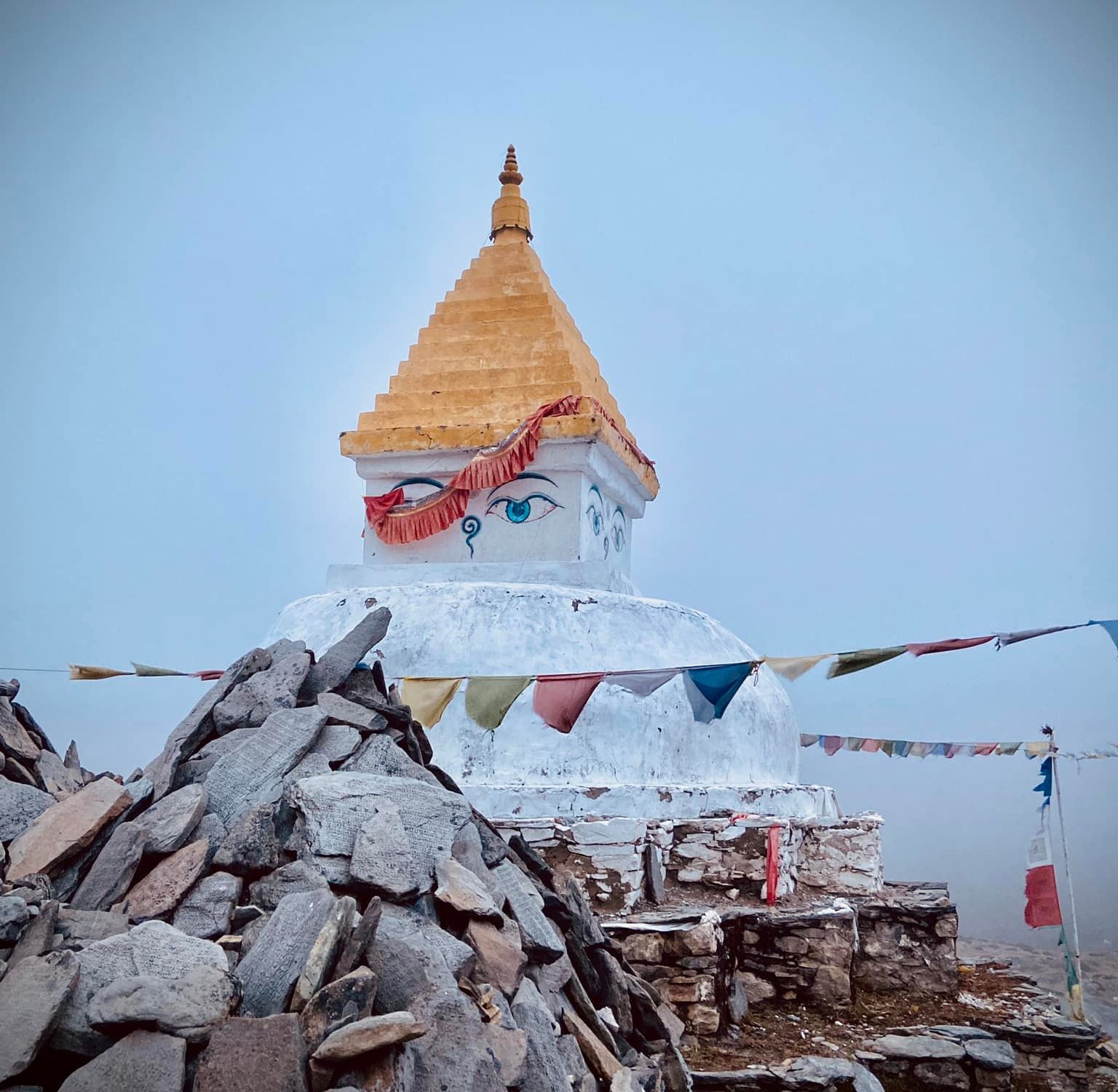
The mountain gives and the mountain takes…
I’ve been back home for a while and I think my whole body is still somewhere in the Himalayas, it’s surreal to be home, it’s surreal that I actually made this journey. But here goes.
It’s been a dream for many years to experience this part of the world. It was just never attainable, I couldn’t afford it, it was a physical challenge out of this world, so it just hadn’t happened yet. During the worst time of my previous relationship, I really felt this urge to finally break away and do amazing things for myself, it taught me that life is short and we can’t waste it on bad people and forgotten dreams. So I started looking around for companies that organised treks in Nepal, with the intention to save money and make this happen. I booked in January 2021 and the trip would happen in October 2022, so plenty of time to prepare. I’m not a trekker in any way, so it’s really crazy that for my first ever experience I chose one of the most difficult places on the face of the Earth, but hey, reach for the stars! I spent most of 2021 walking and walking and walking, getting physically and mentally used to doing this.
Fast forward to 2022, we had a day meeting the group and going through some details in May, and after a great summer in Greece, it hit me that I would be walking next to the tallest mountains in the world pretty soon. So yeah, I was excited it was finally going to happen, but also completely terrified and wondering if I would make it. Bloody expensive, I thought to myself, so I better make it. Waaaaaaaa! Panic!!!! Happiness!!!! Horror!!!! Everything at once!
During the last weeks before the trip, I avoided people like the plague as much as possible, I was scared of getting sick and having to miss the whole thing. I had to make sure I wasn’t stressing myself to death at work and that wasn’t easy. I also didn’t drink a drop of alcohol for 5 weeks, getting ready for two challenging weeks of walking where hydration is of the utmost importance. I got a cocktail of vaccines and my doctor helped me with a prescription of Diamox, medicine which would apparently help at high altitudes. To be honest, I was worried that my high blood pressure would be an issue, but luckily the doc approved of my trip.
Packing was a nightmare for someone who hadn’t done this type of trip before. I needed clothes that were good for all sorts of weather yet very light because of luggage limitations. With the help of my friend Bosse, I managed to make sure the weight of everything was okay. Yes, I weighed my underwear and recorded everything in an Excel file. Several times. Conclusion: the bigger the ass, the more fabric needed to cover it, thus more weight.
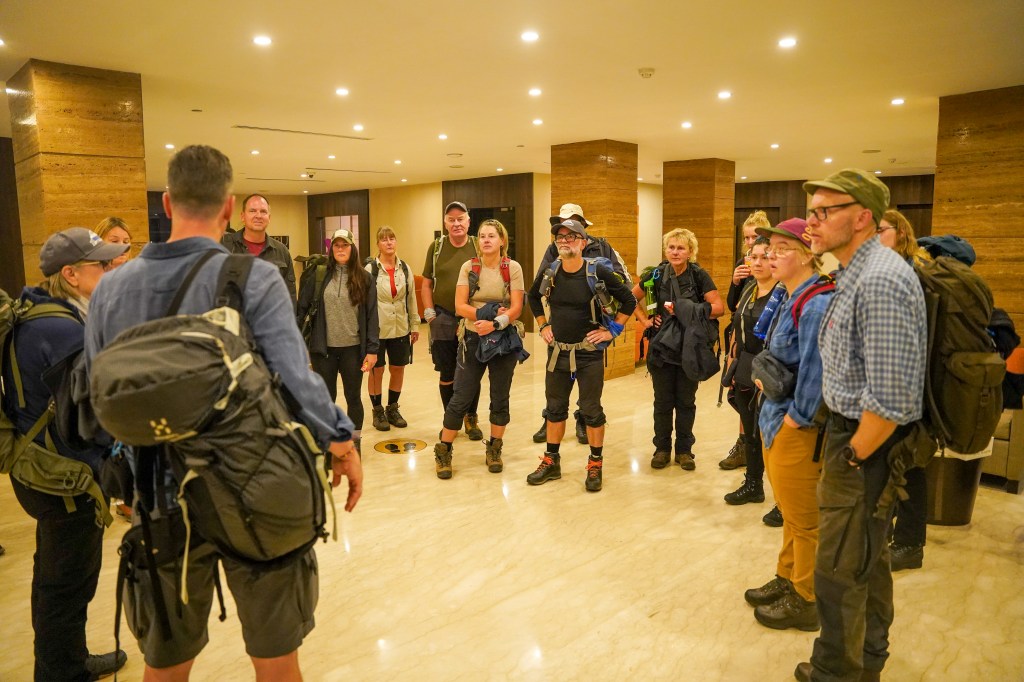
October 1st – time to take off! Met some of the group and one of our Swedish guides at the airport here, we flew together and met the others during our short stop in Doha, Qatar. That’s where a small pastry costs 11 bucks and one megabyte of mobile data costs 12 bucks. So yeah, thanks a lot and viva the oil…
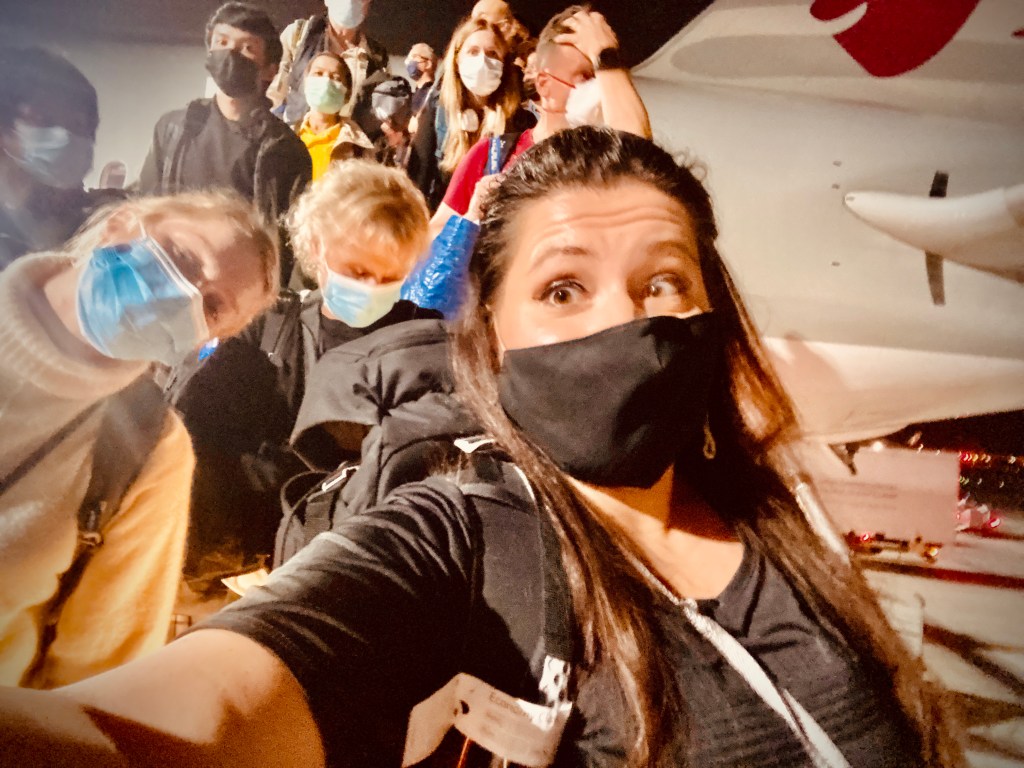
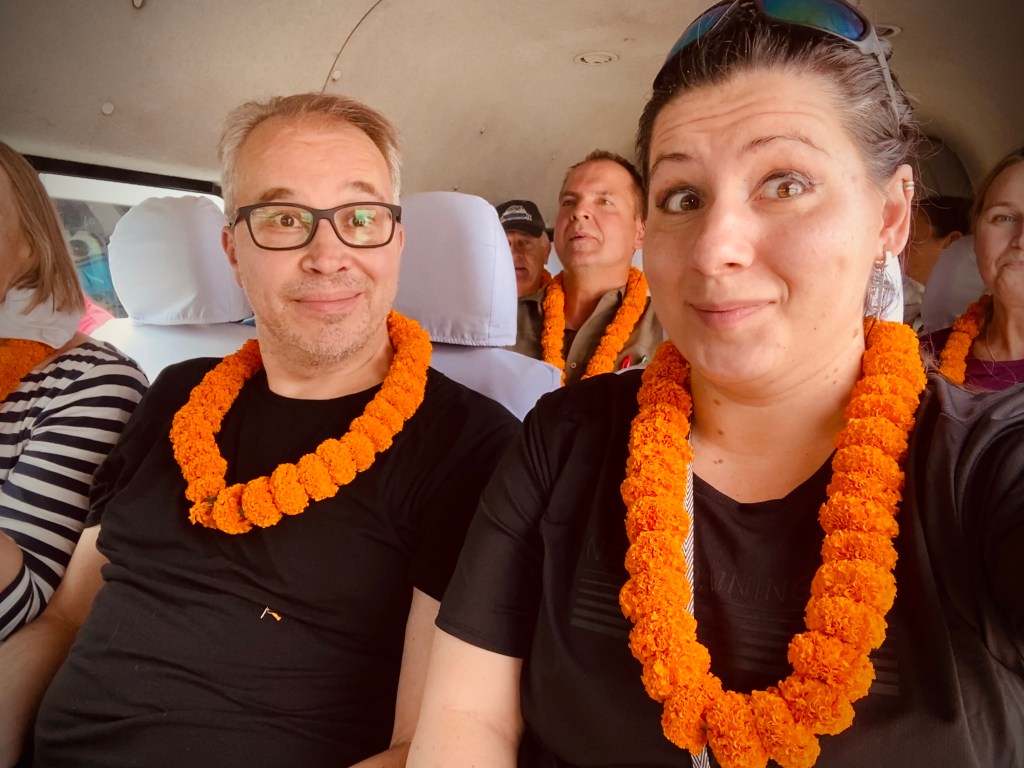
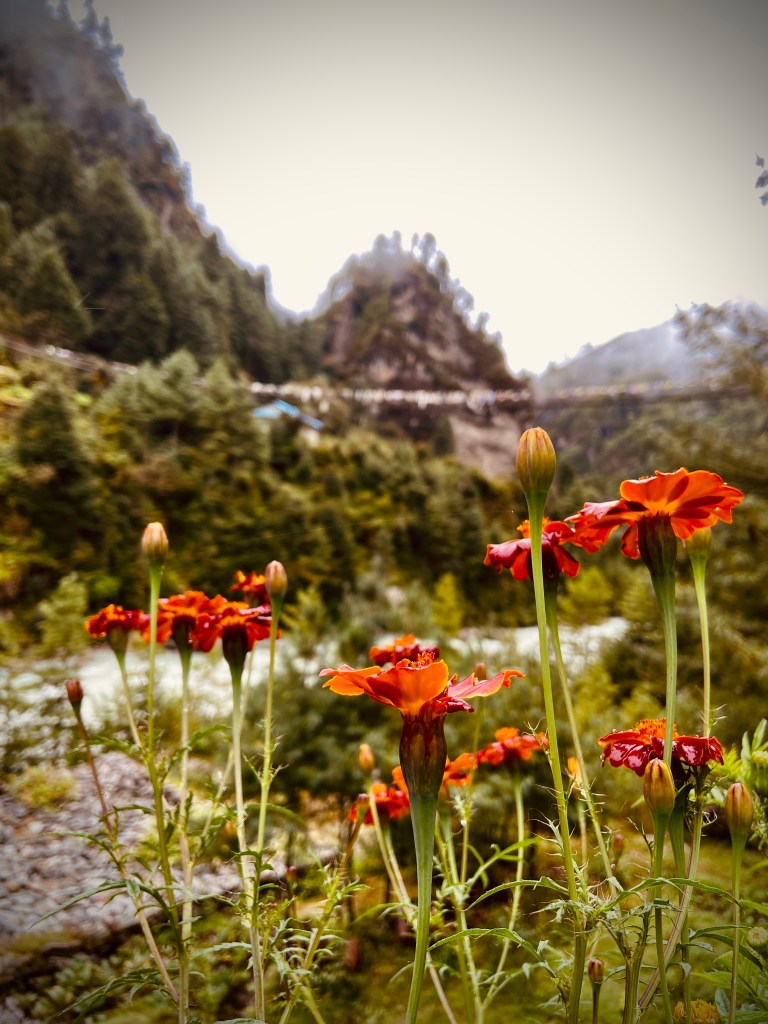
We landed in Kathmandu at around 9:30 in the morning the following day. The airport is relatively small and the warm air hits you straight away. We queued to pay for our visas and as everyone made it to the exit we walked to a parking lot where our minivans were waiting for us. Pemba, our local guide and coordinator, met us, we were given hot towels and marigold necklaces and then we were off into the city to check in to our hotel, in the Thamel neighbourhood.
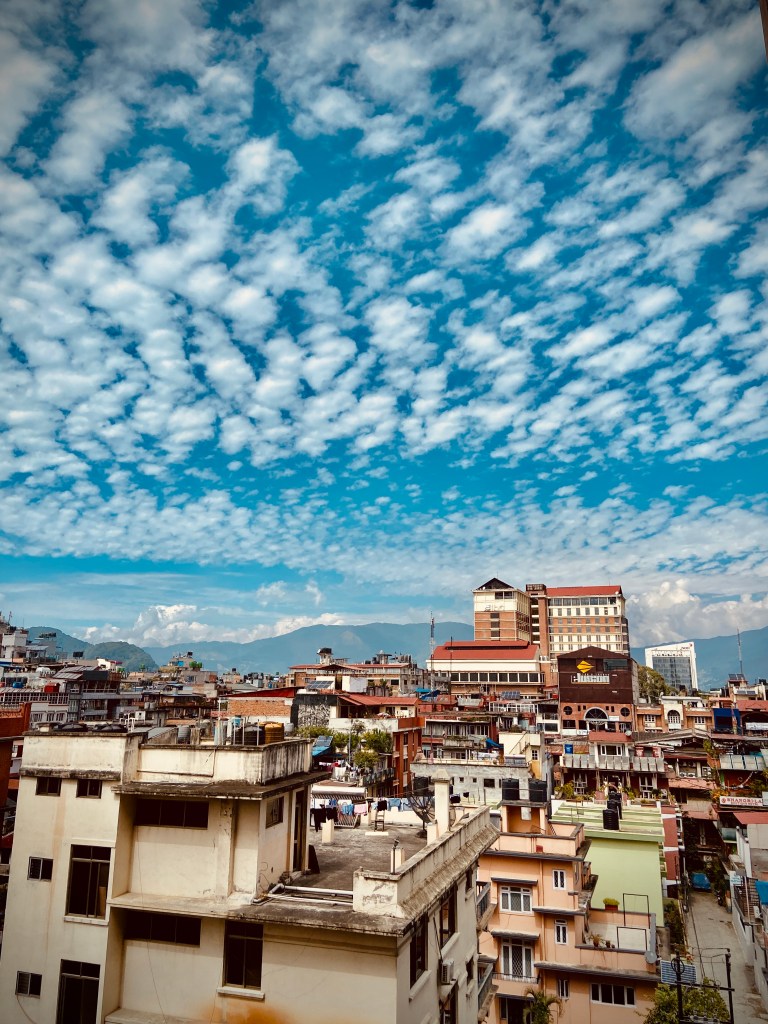
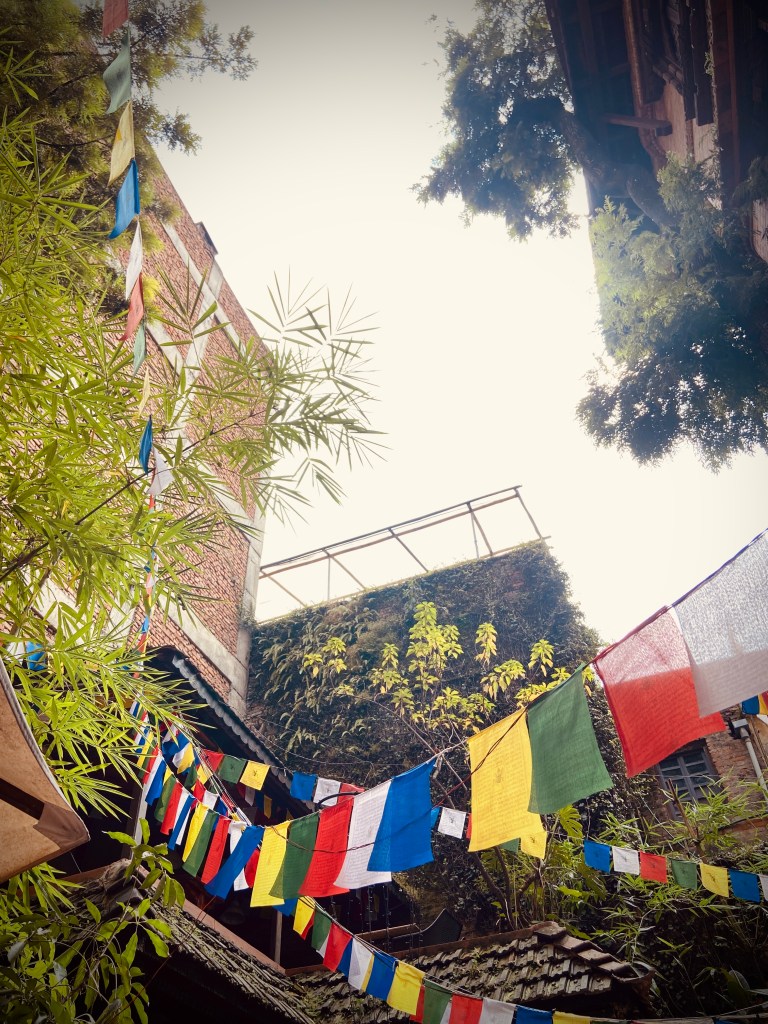
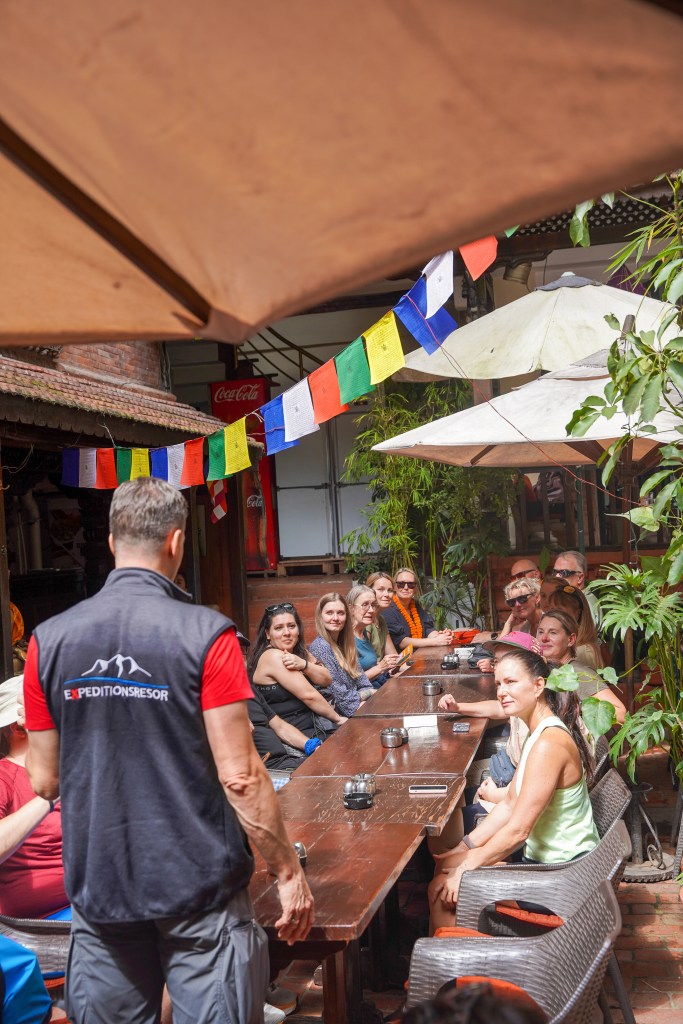
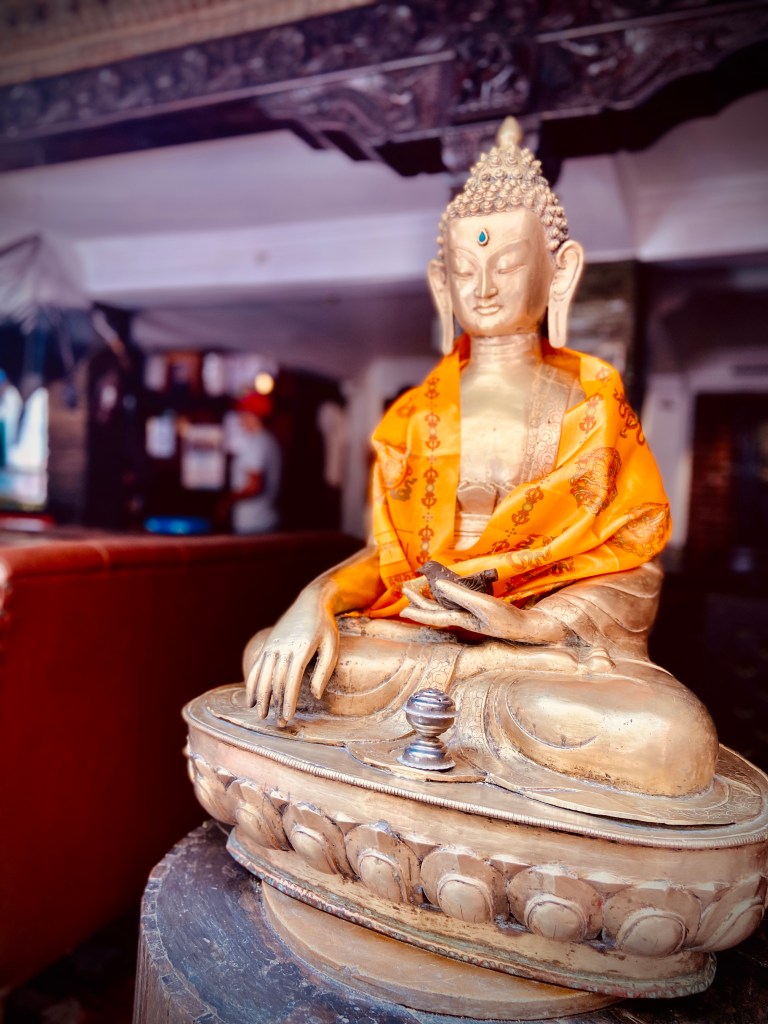
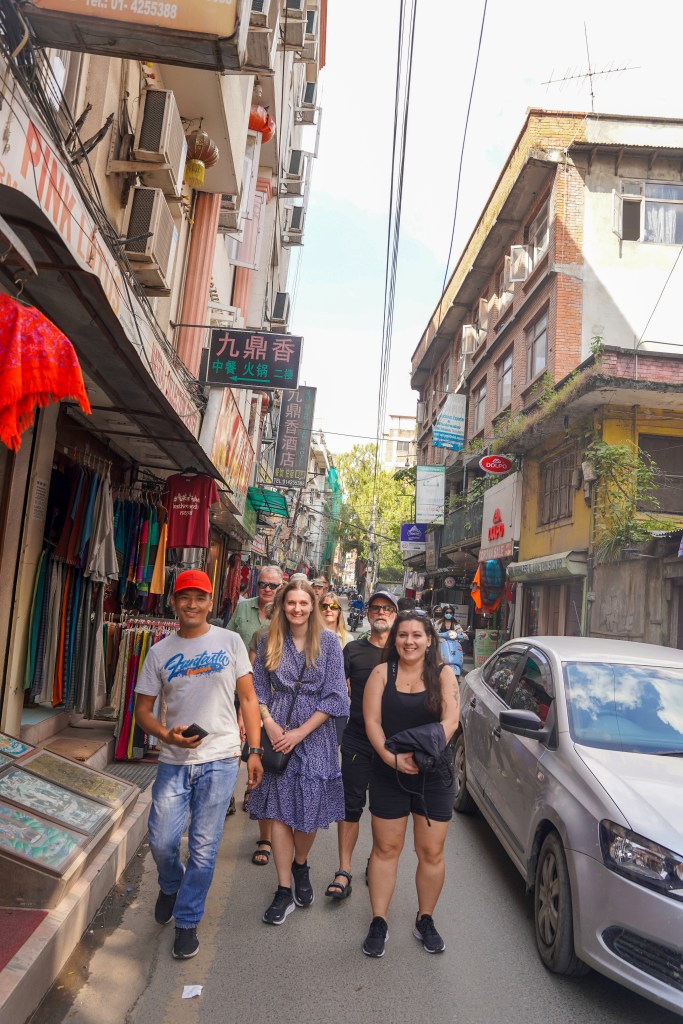
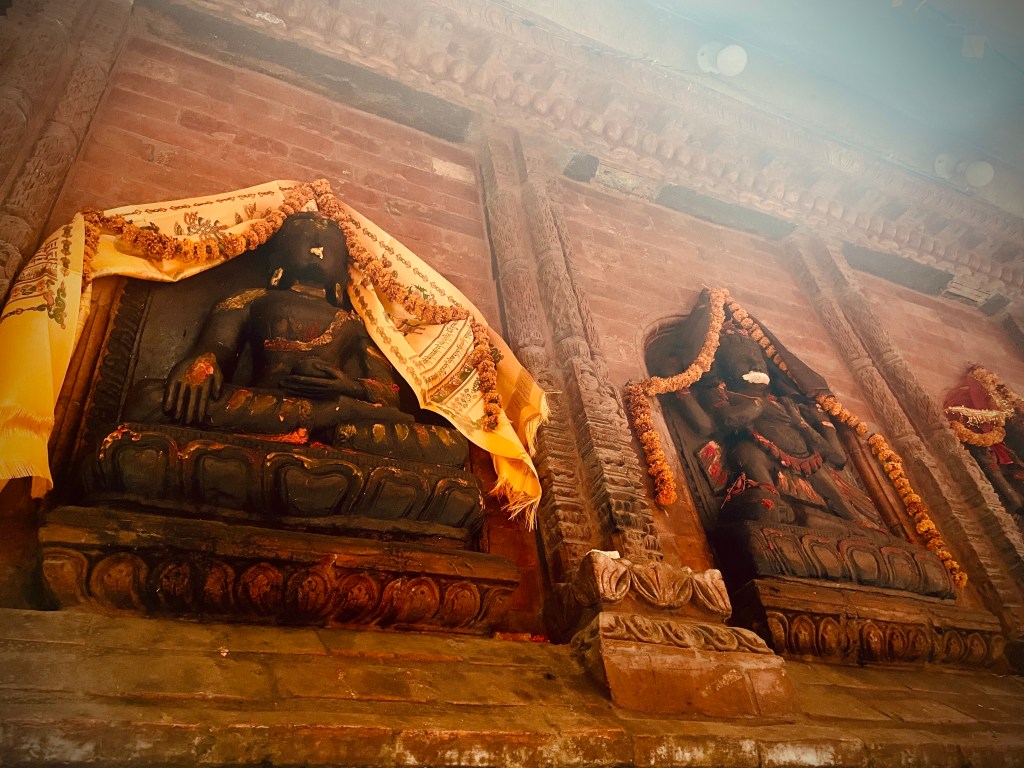
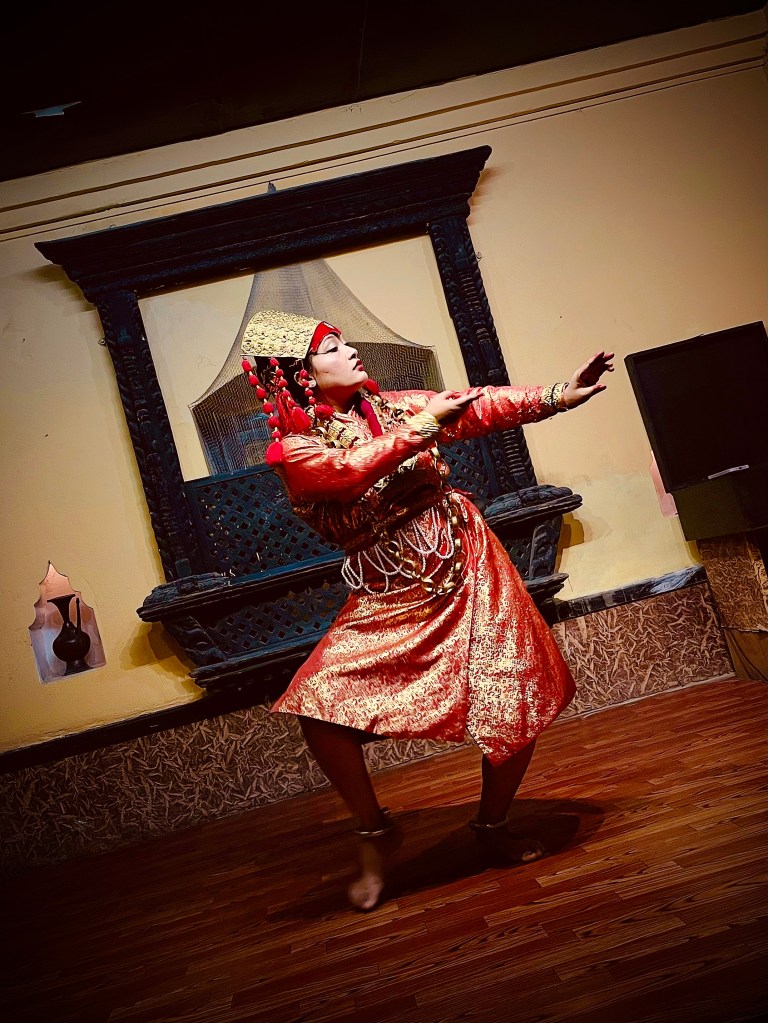
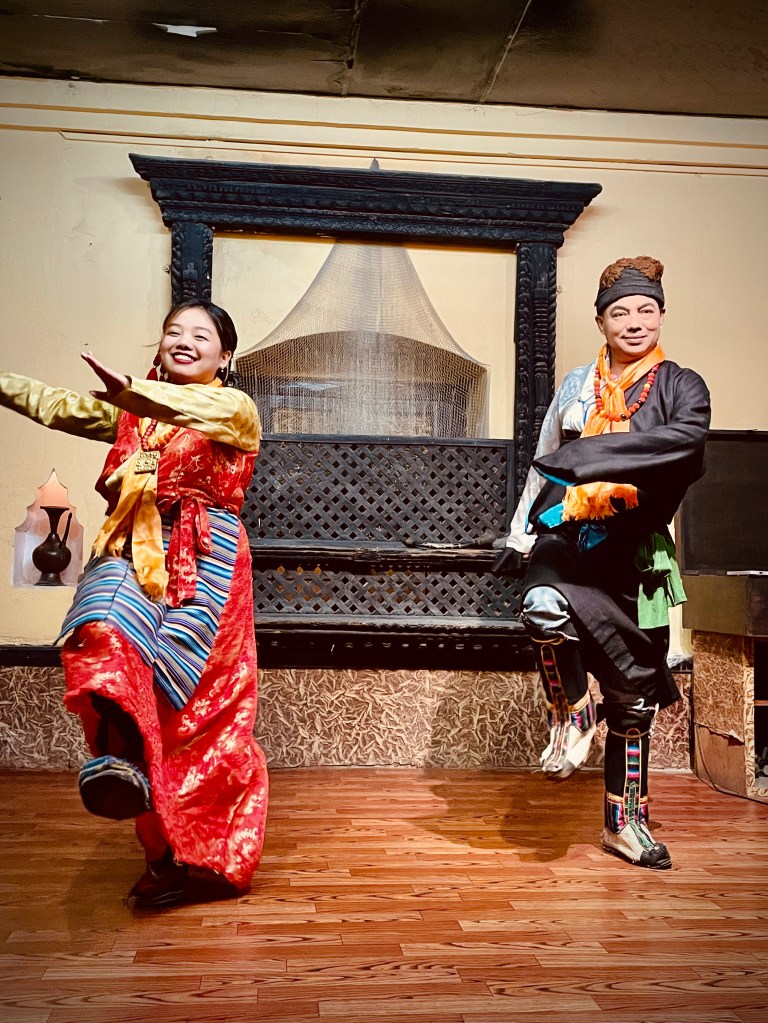
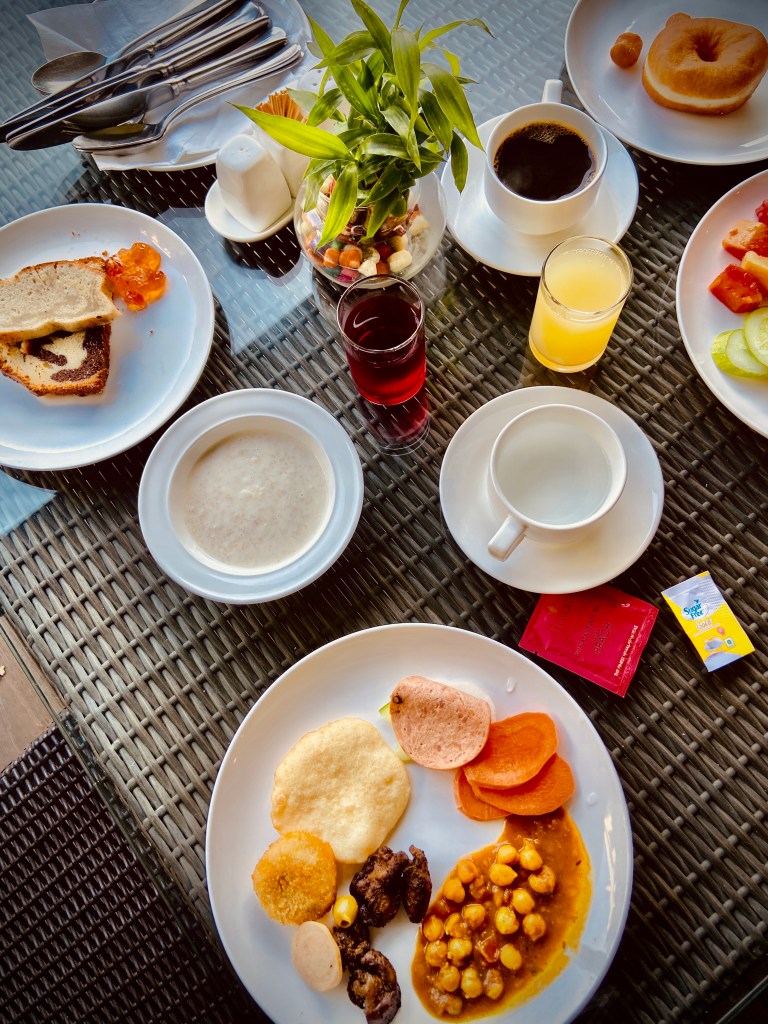
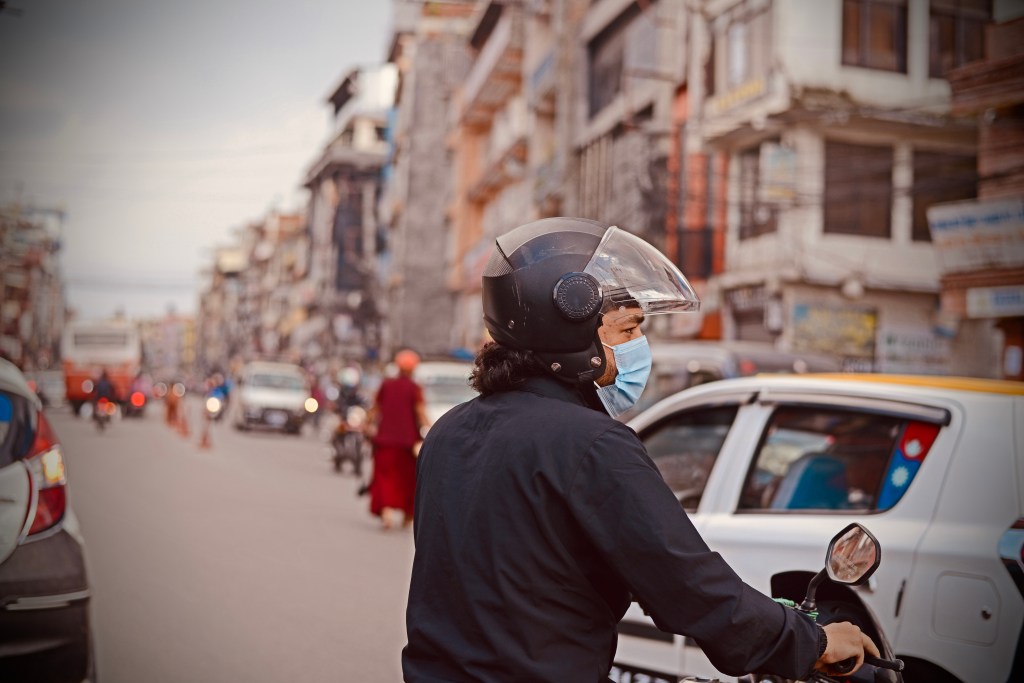
Kathmandu is like a mix of everything from all over the world, yet quintessentially Nepalese as I would learn after spending more time there by myself after the trek. It’s dirty and hot and exciting and cool and traditional and unexpected at the same time. We spent some time visiting a few of the most famous sites in the city, before embarking on the strenuous trek.
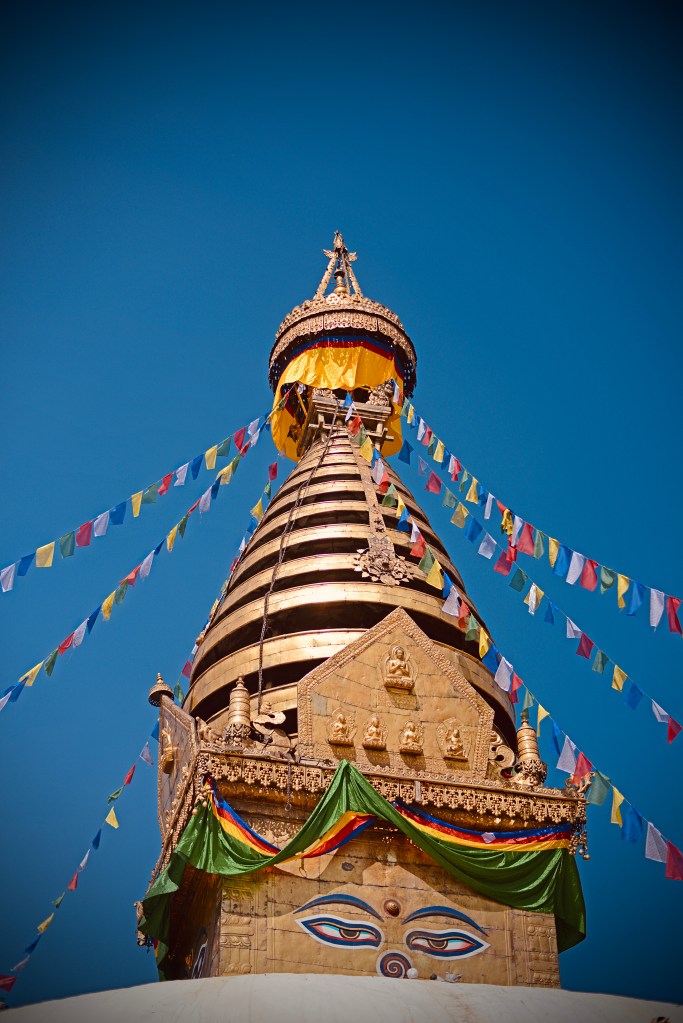
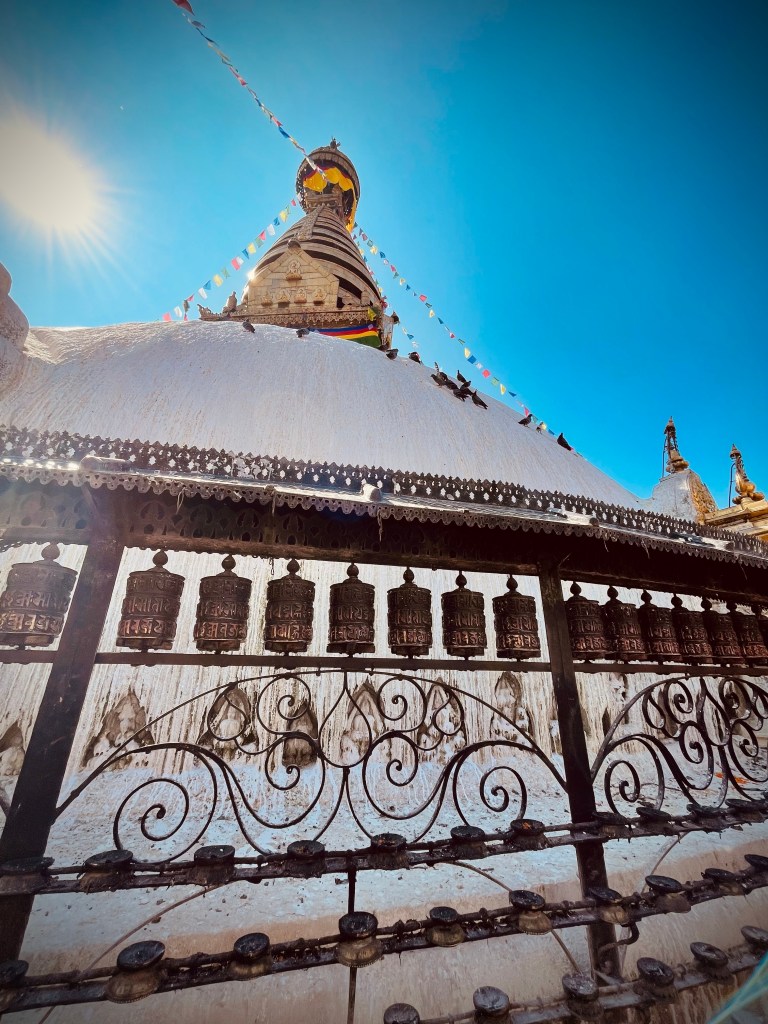
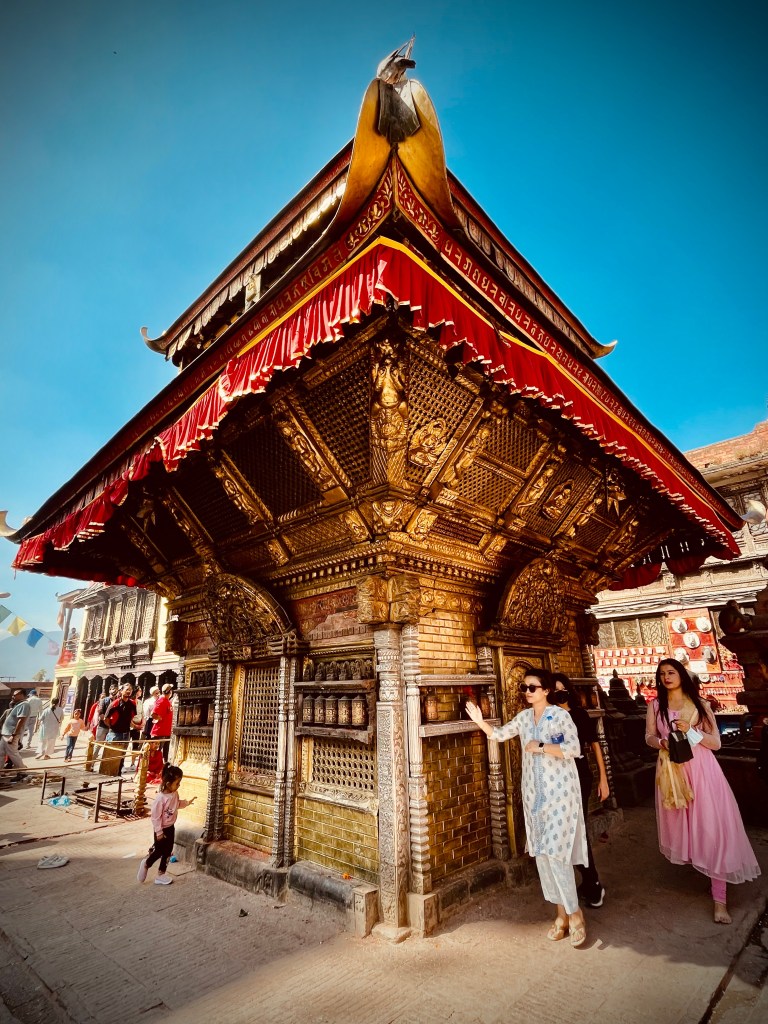
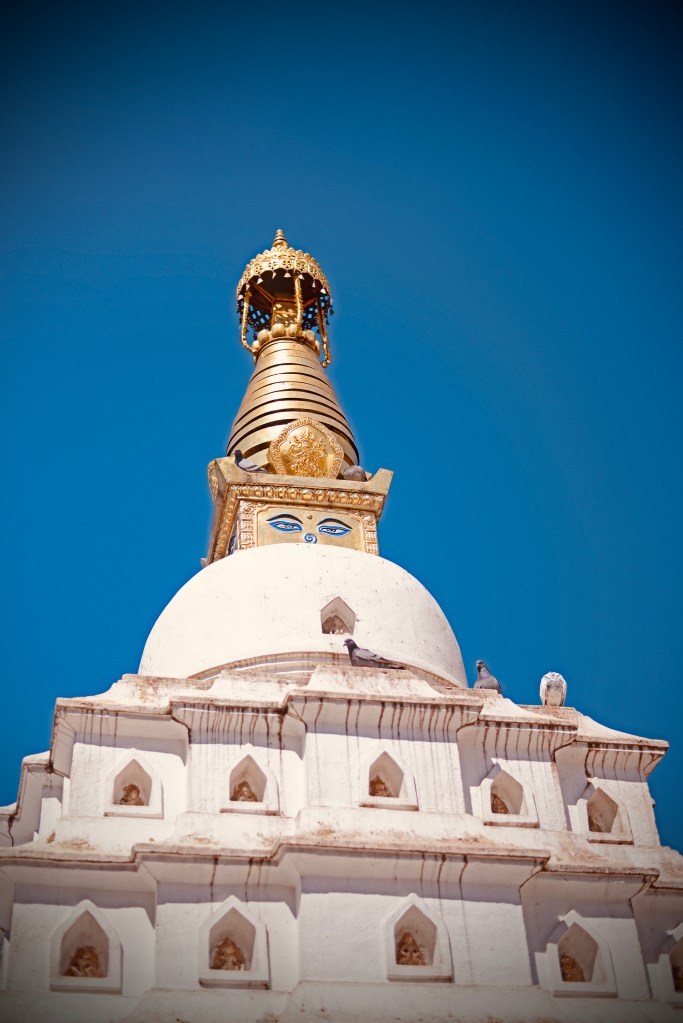
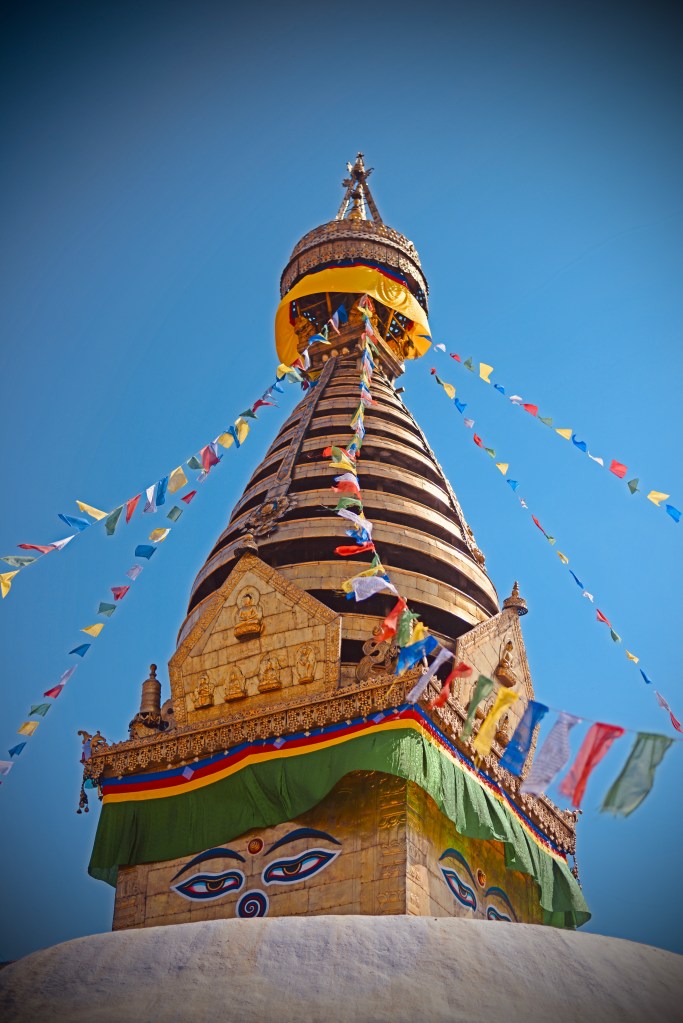
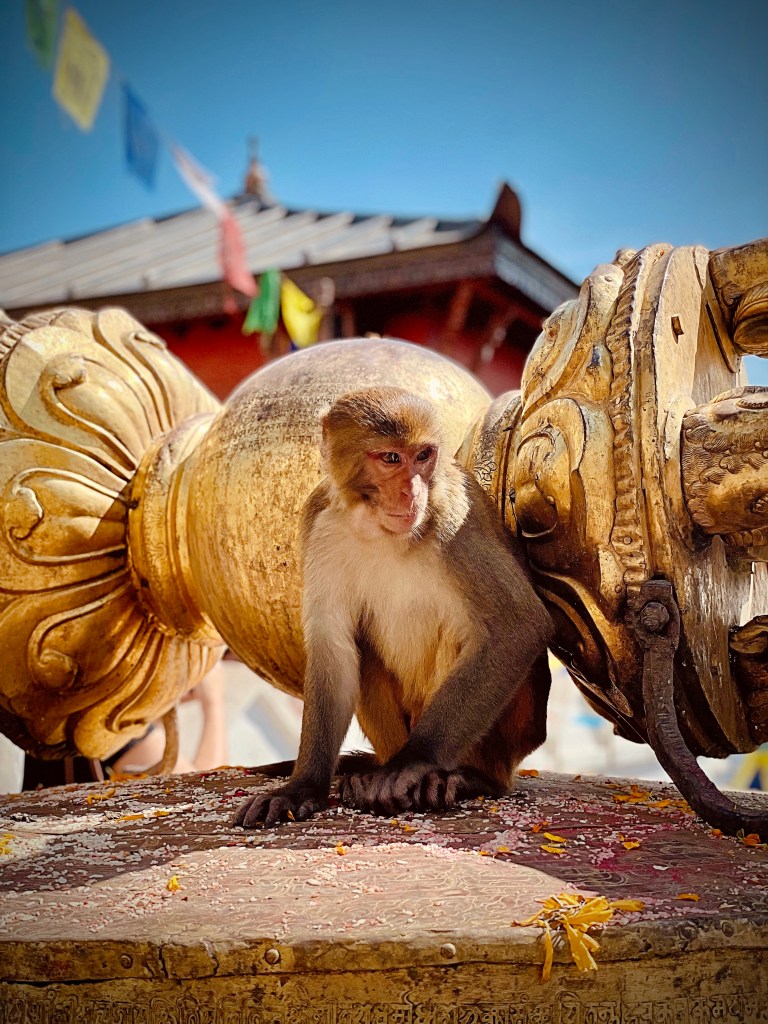
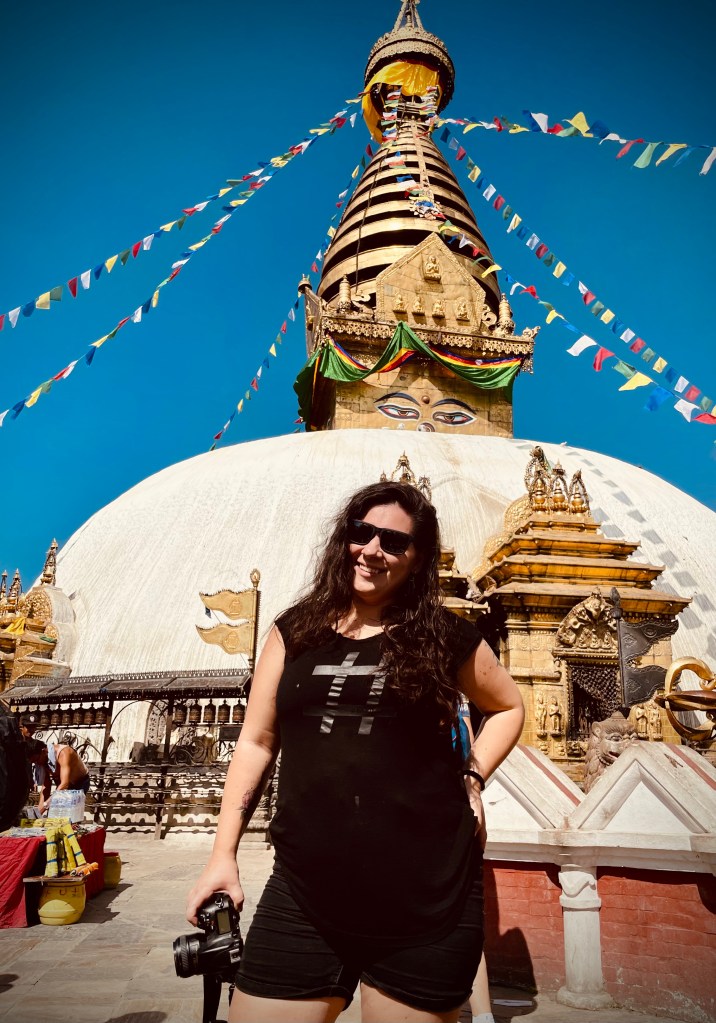
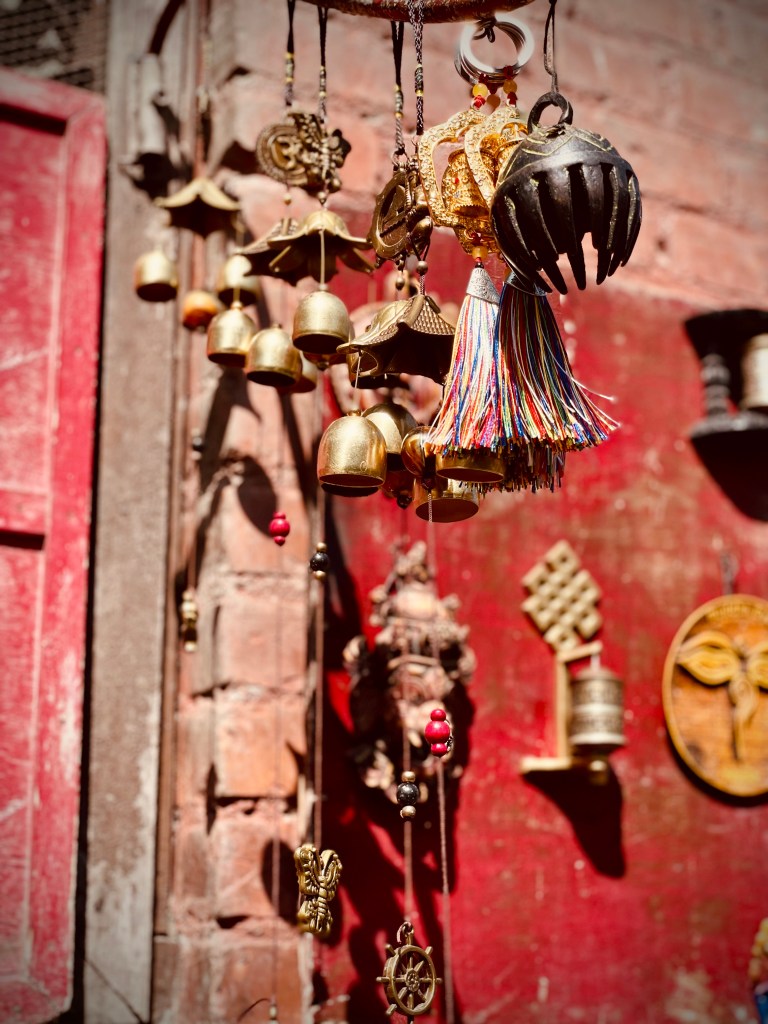
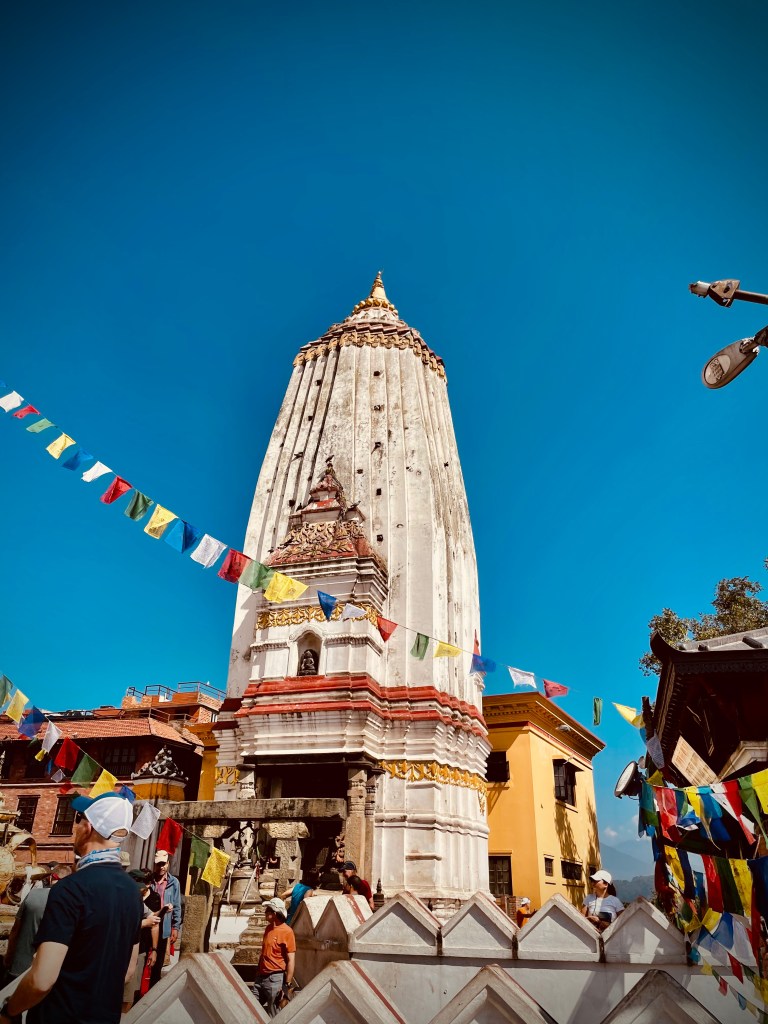
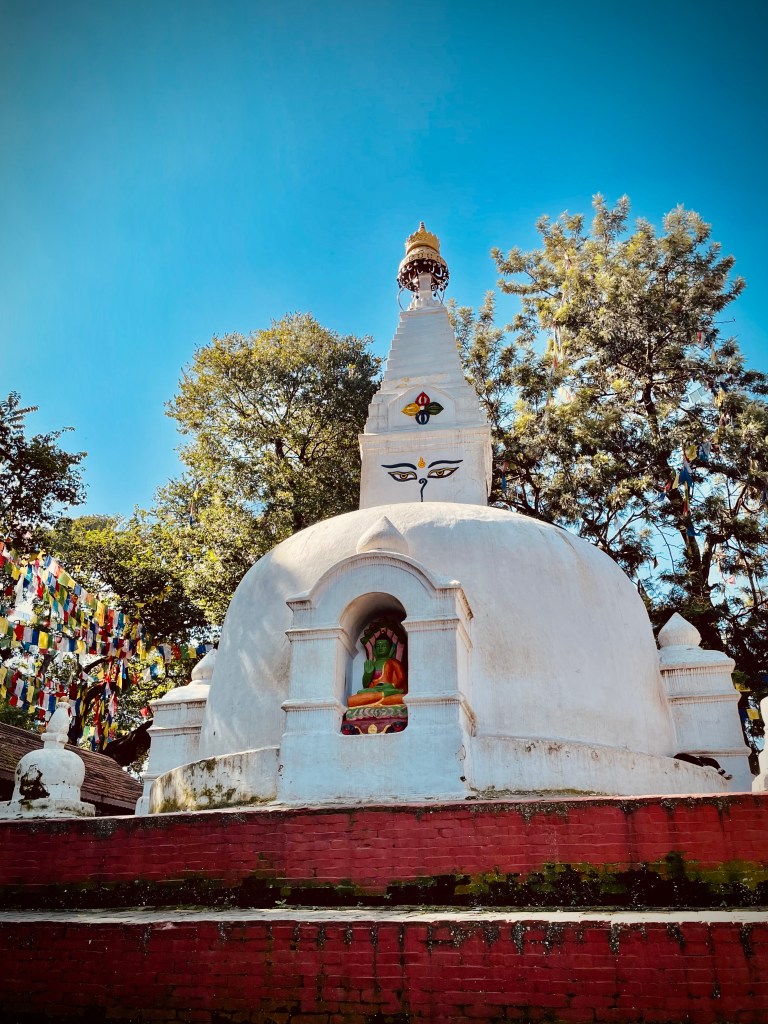
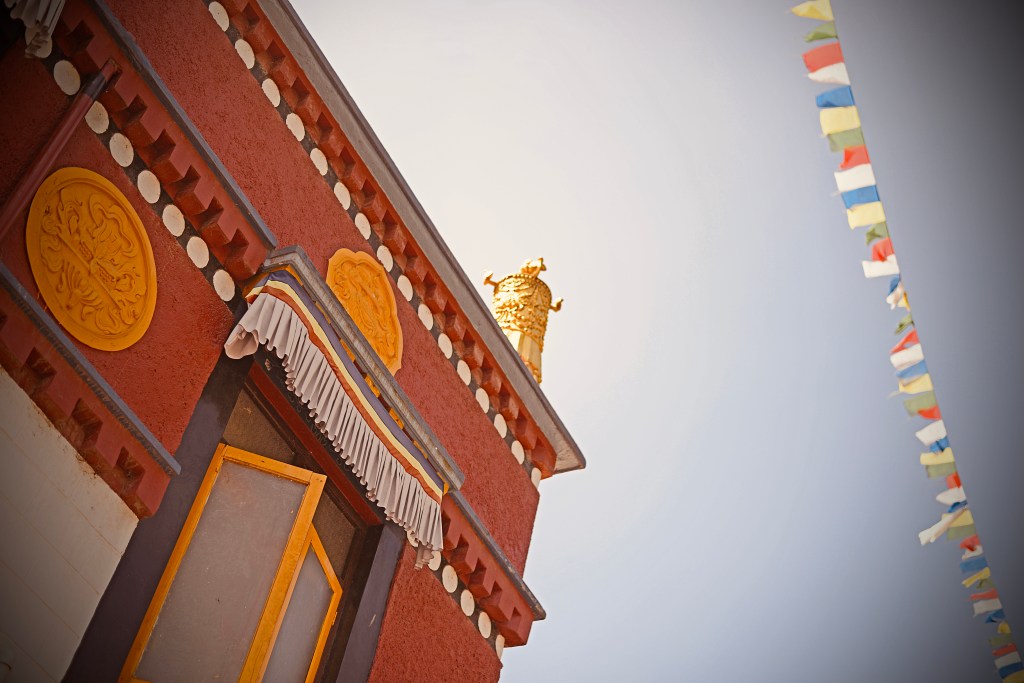
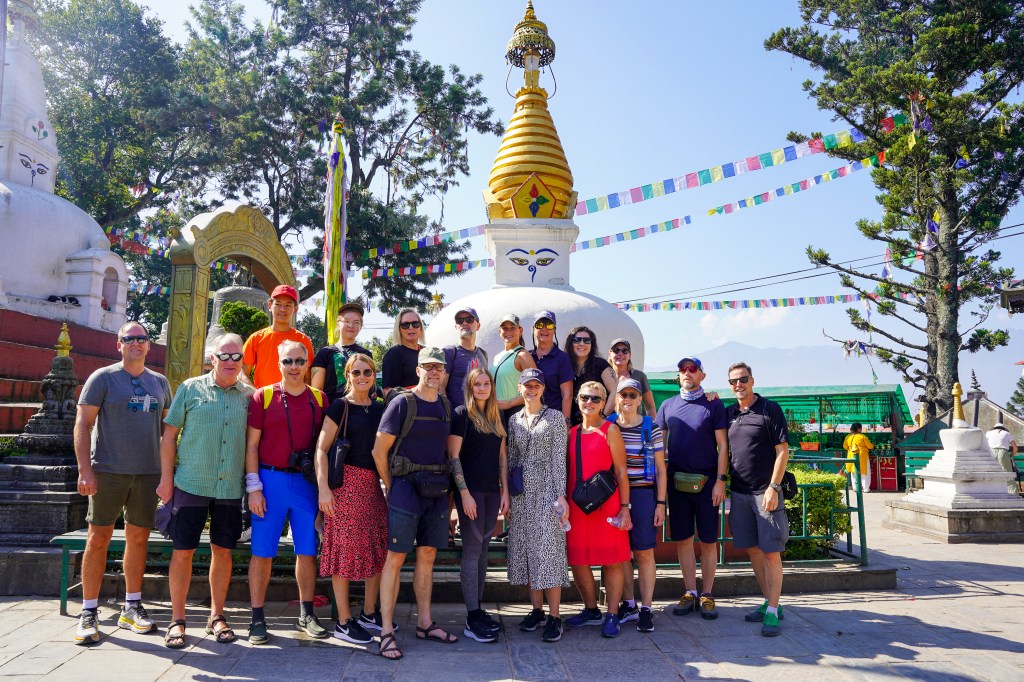
Swayambhunath Temple – a historic Buddhist stupa located on a hill and one of the country’s oldest religious sites. It features a white dome, a gilded spire, and the iconic Buddha eyes painted on all four sides. Visitors typically reach it by climbing a long staircase on the eastern side, and the site includes several shrines, monasteries, and resident macaque monkeys. From the top, it offers broad views of Kathmandu and the surrounding valley.
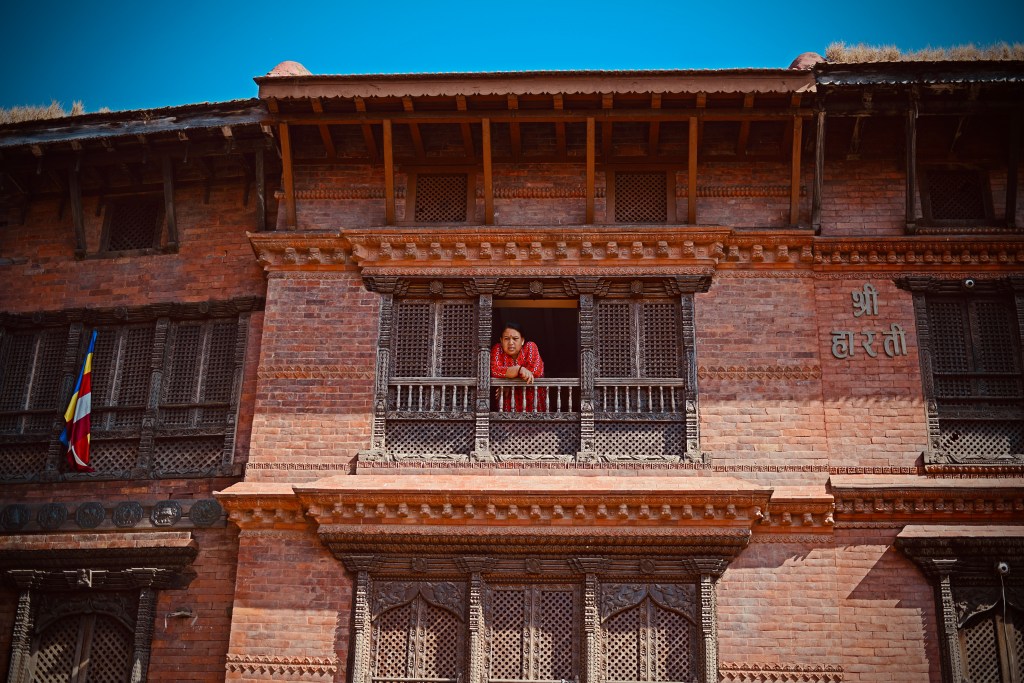
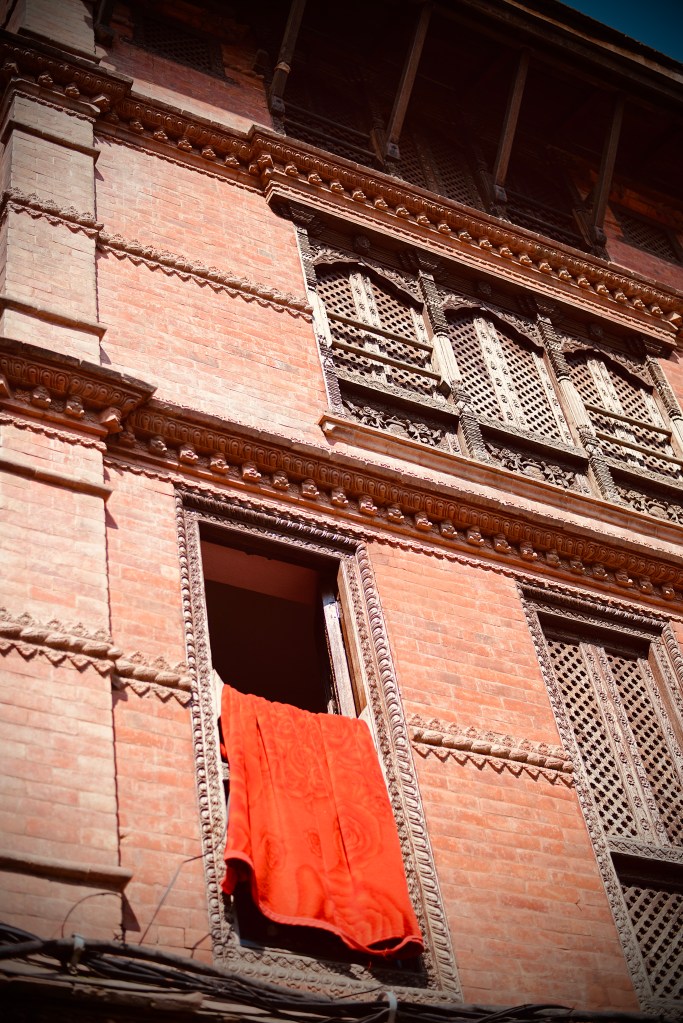
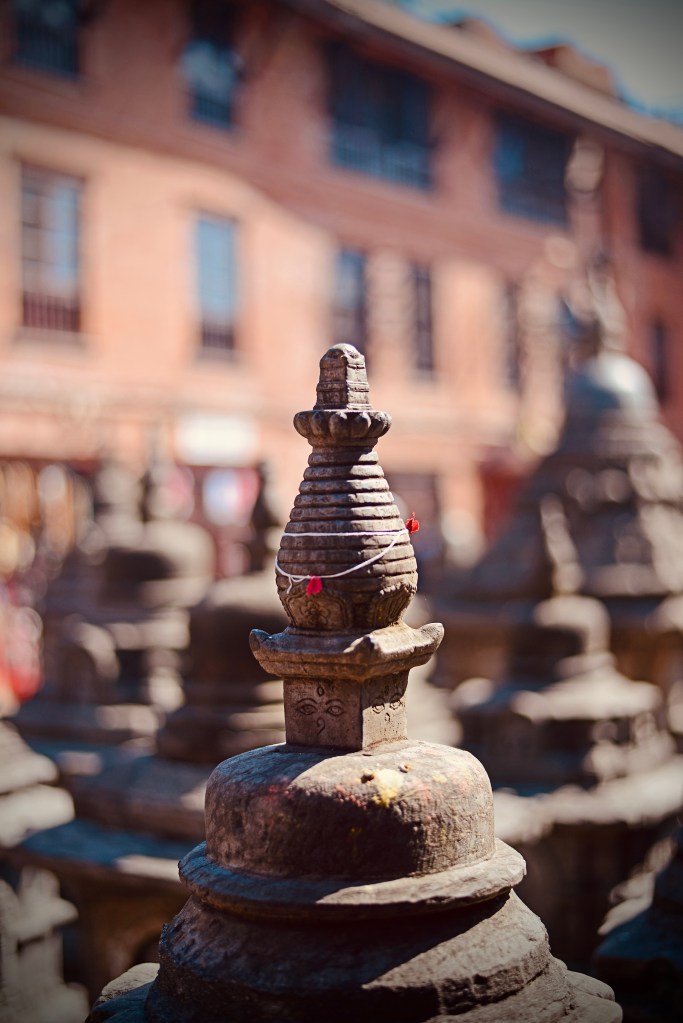
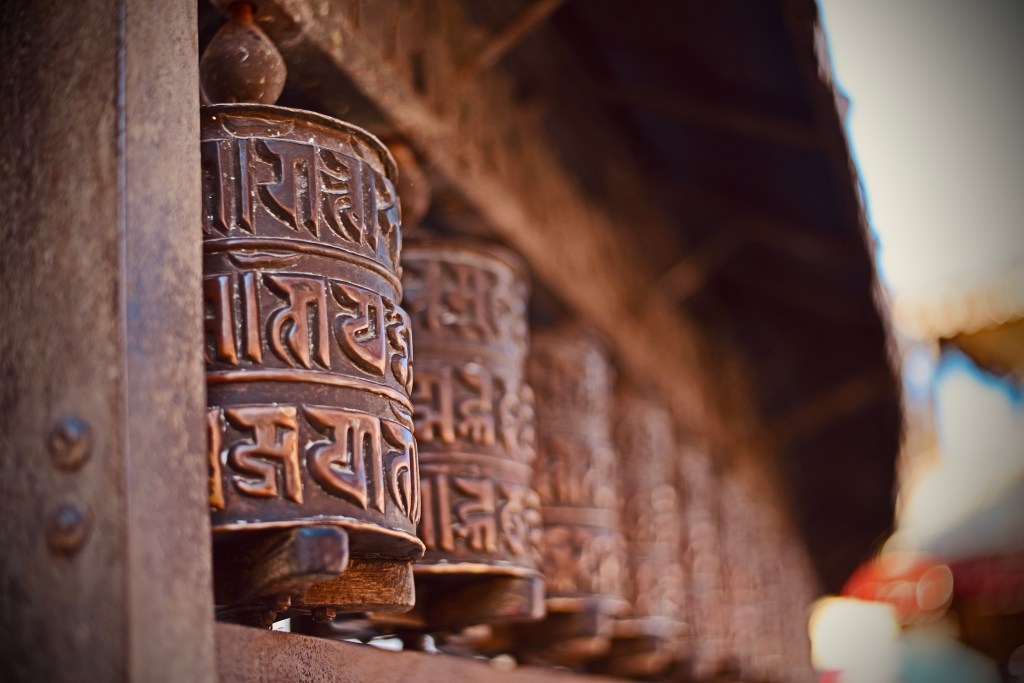
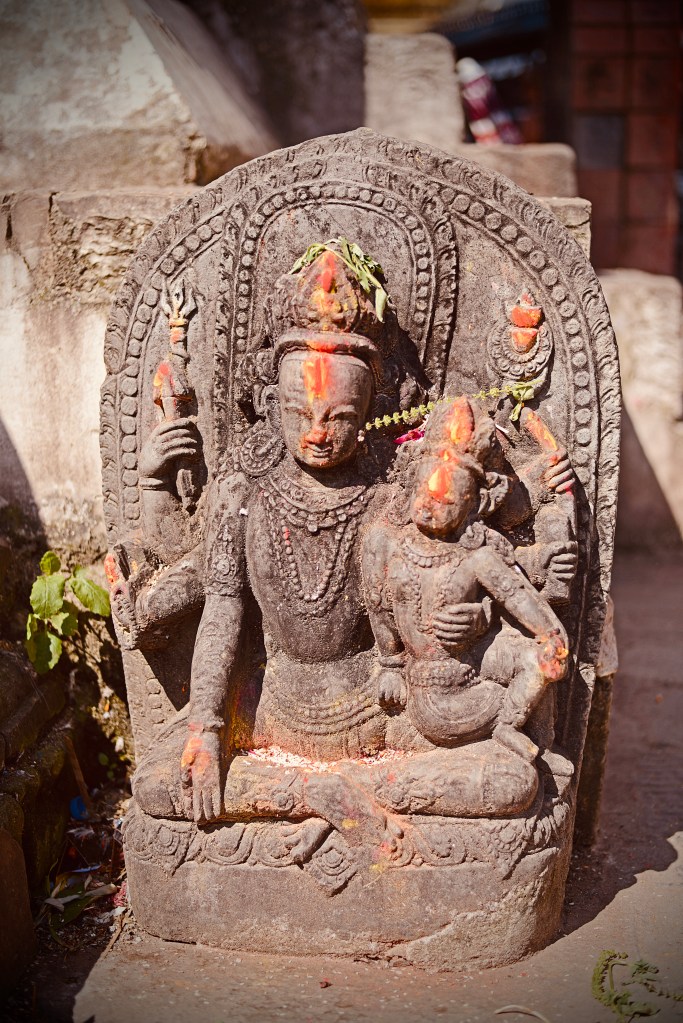
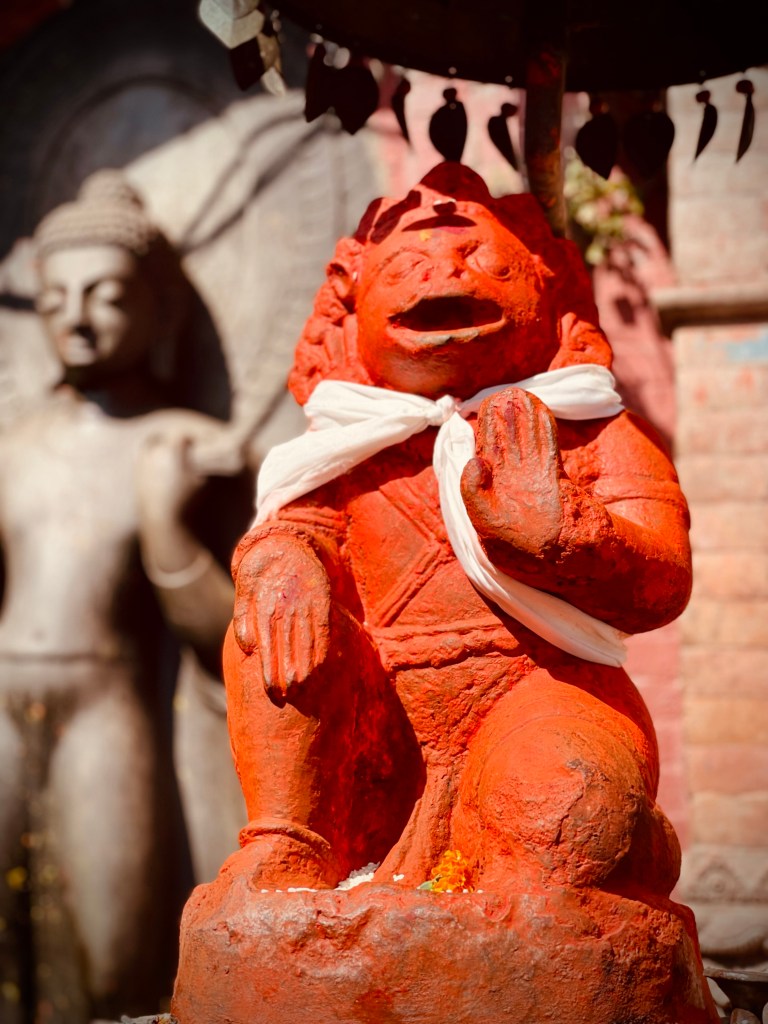
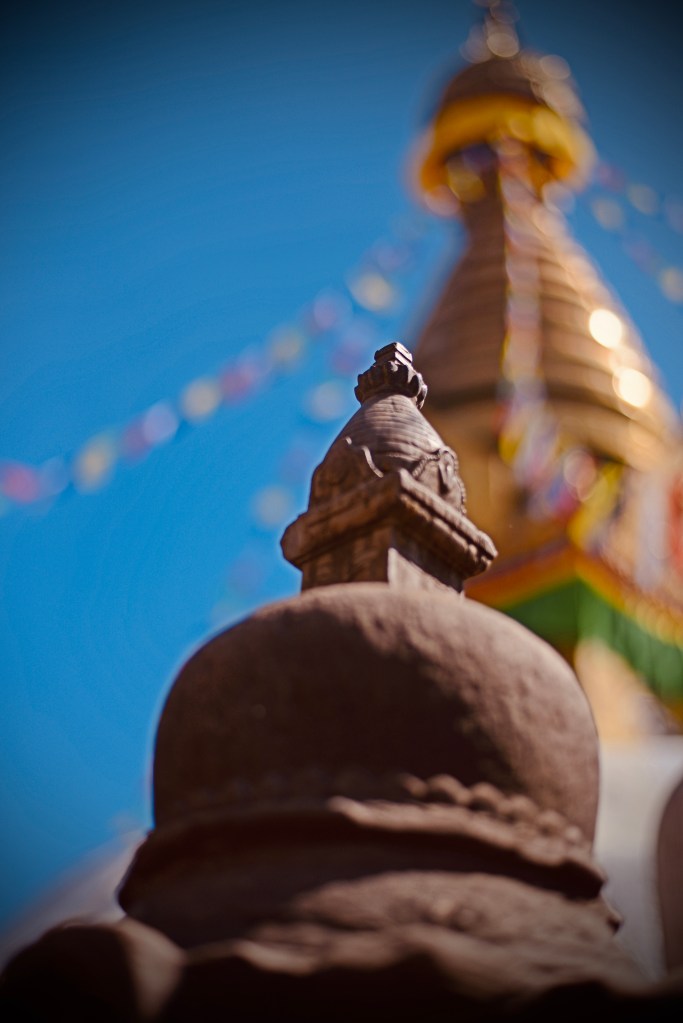
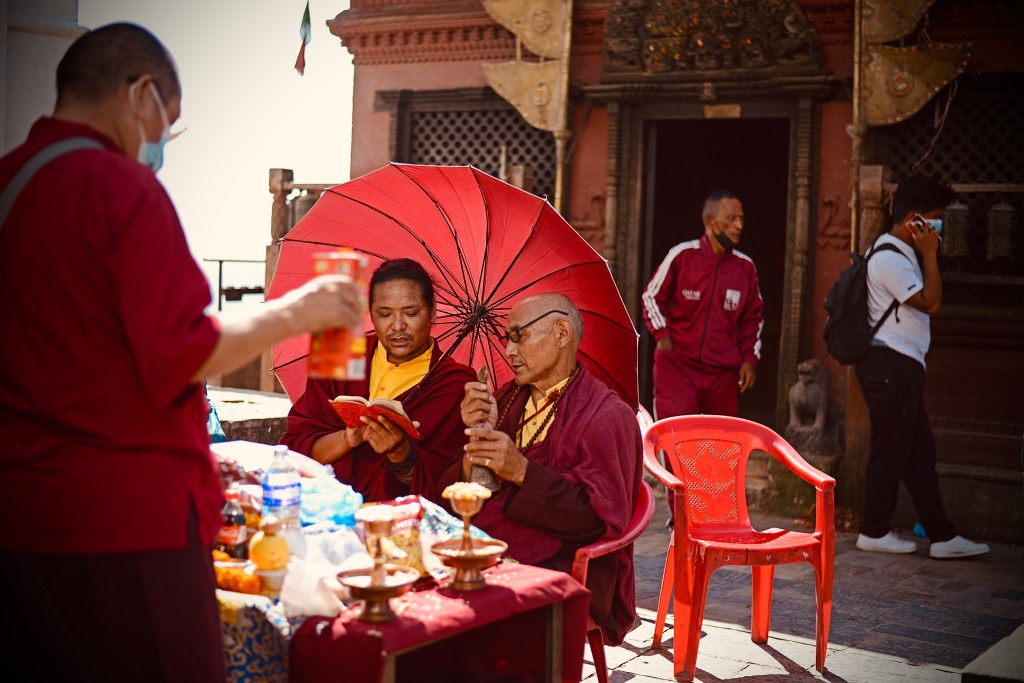
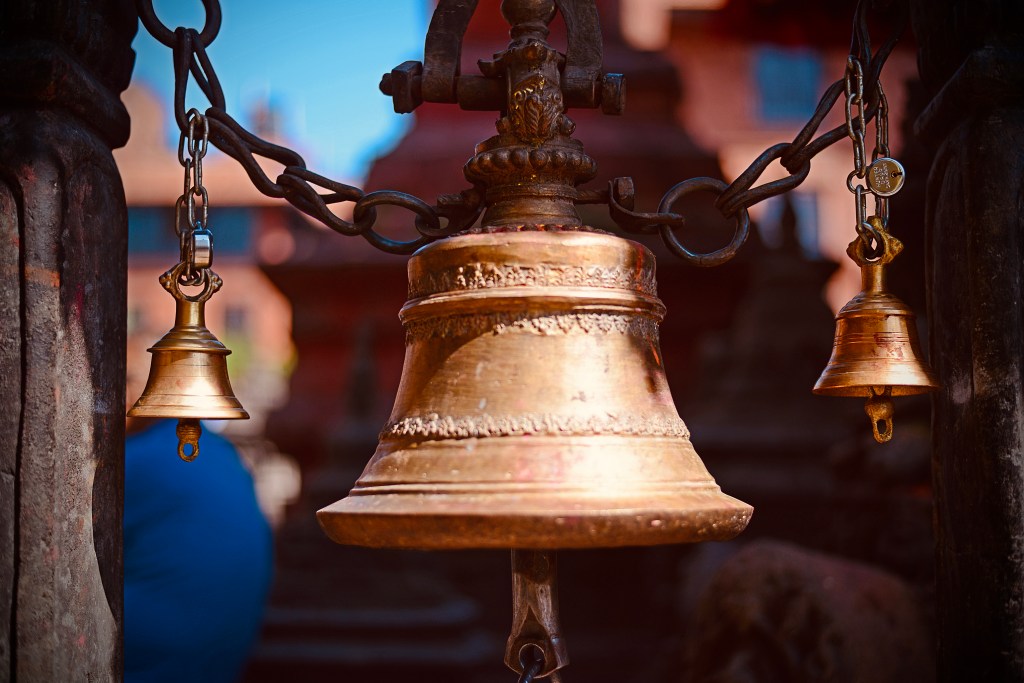
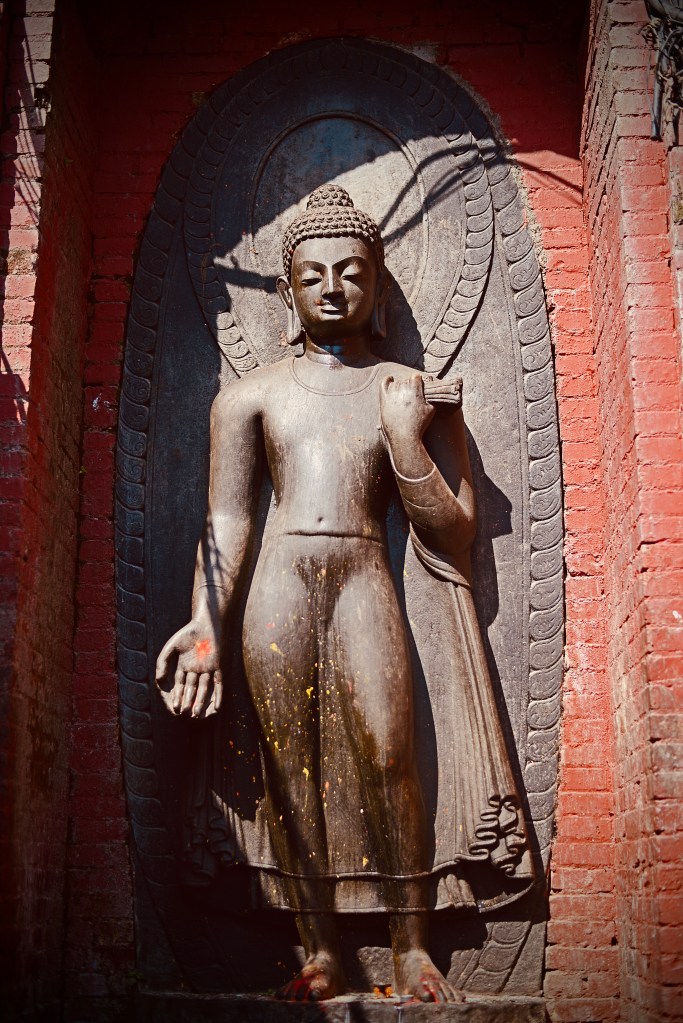
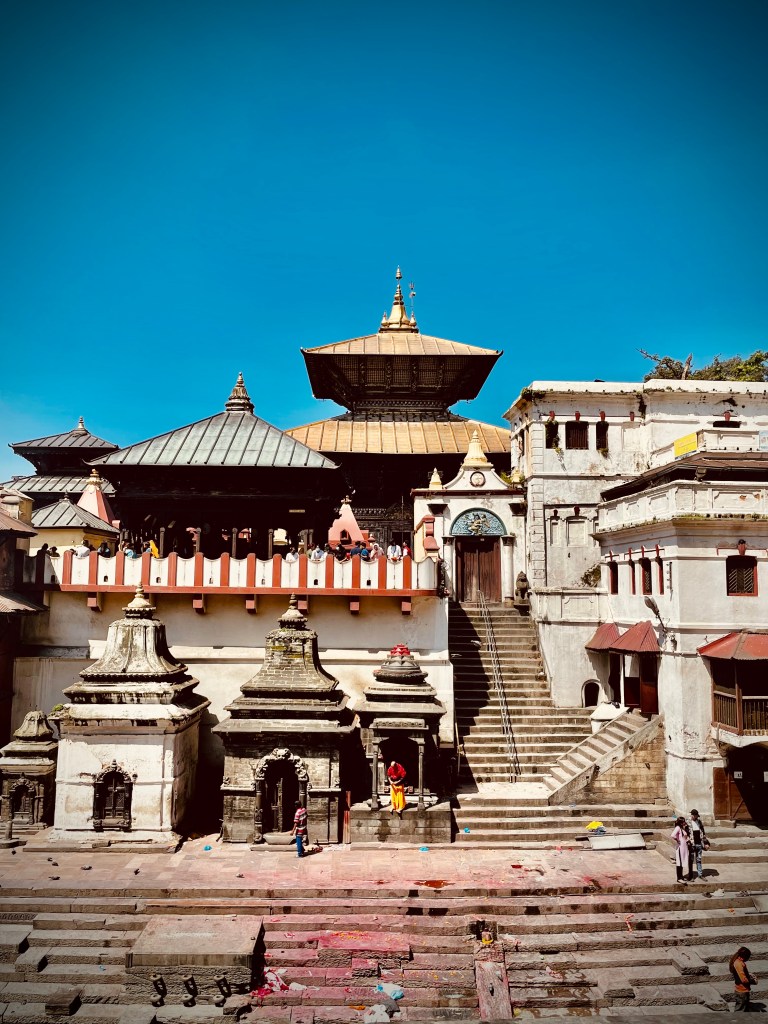
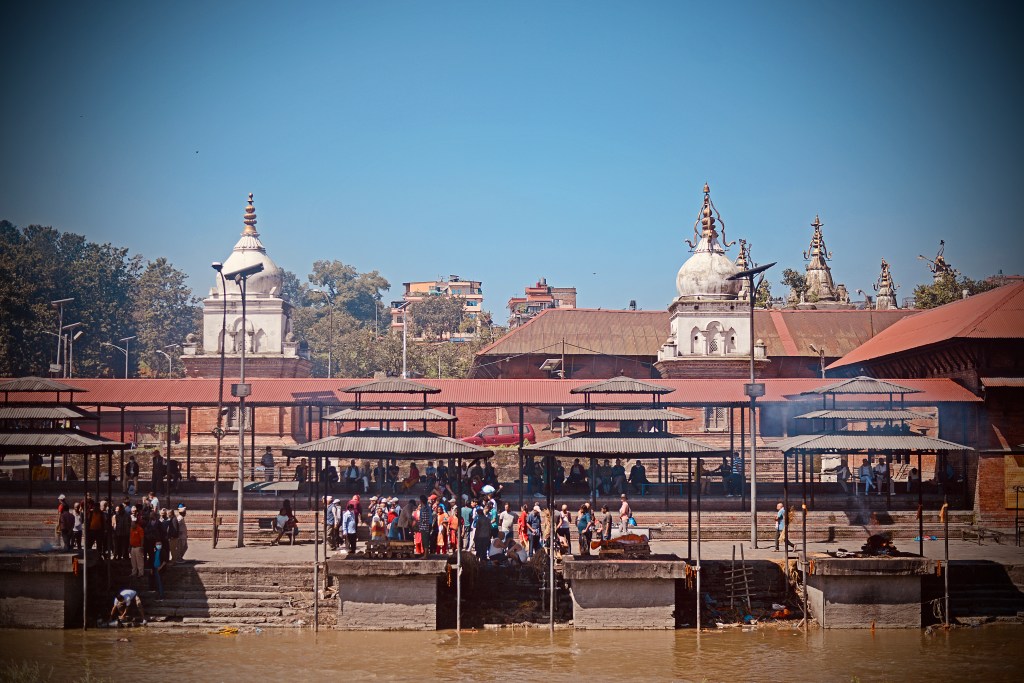
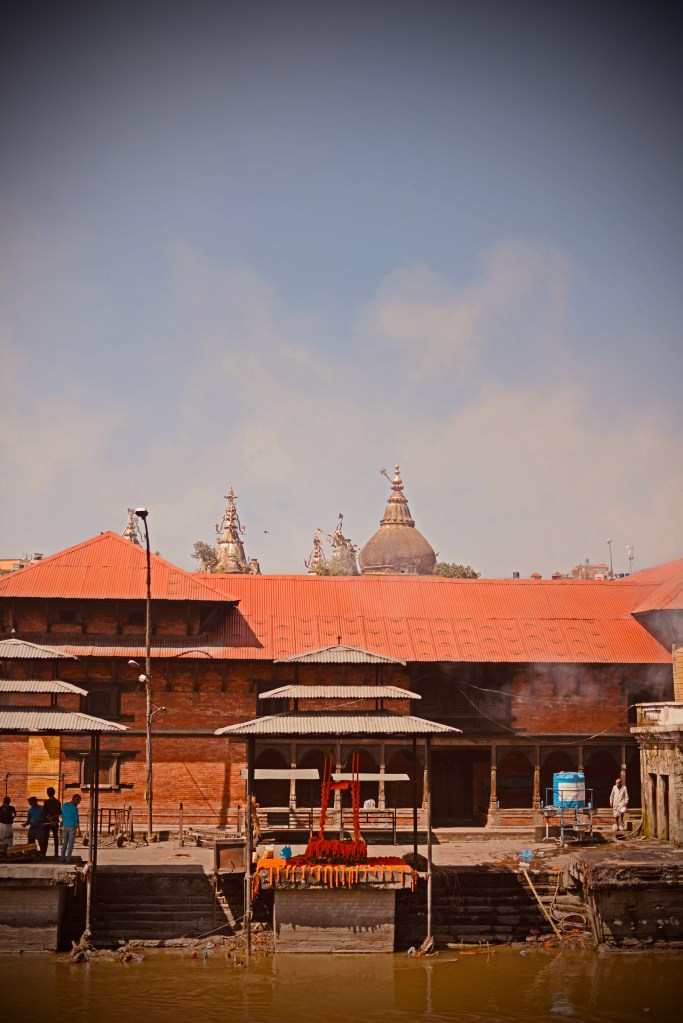
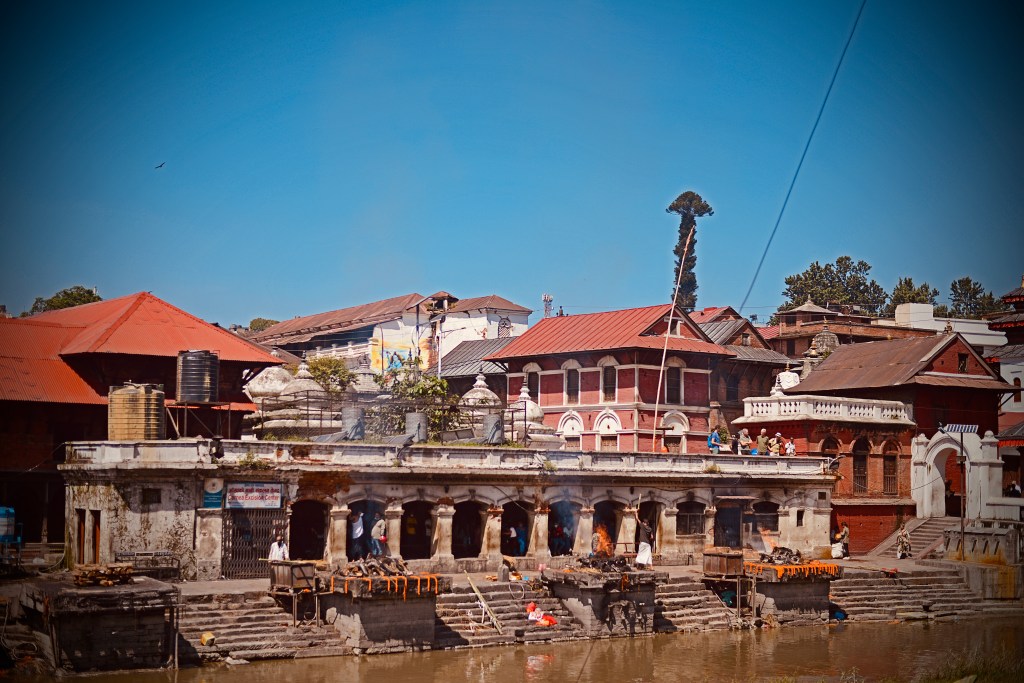
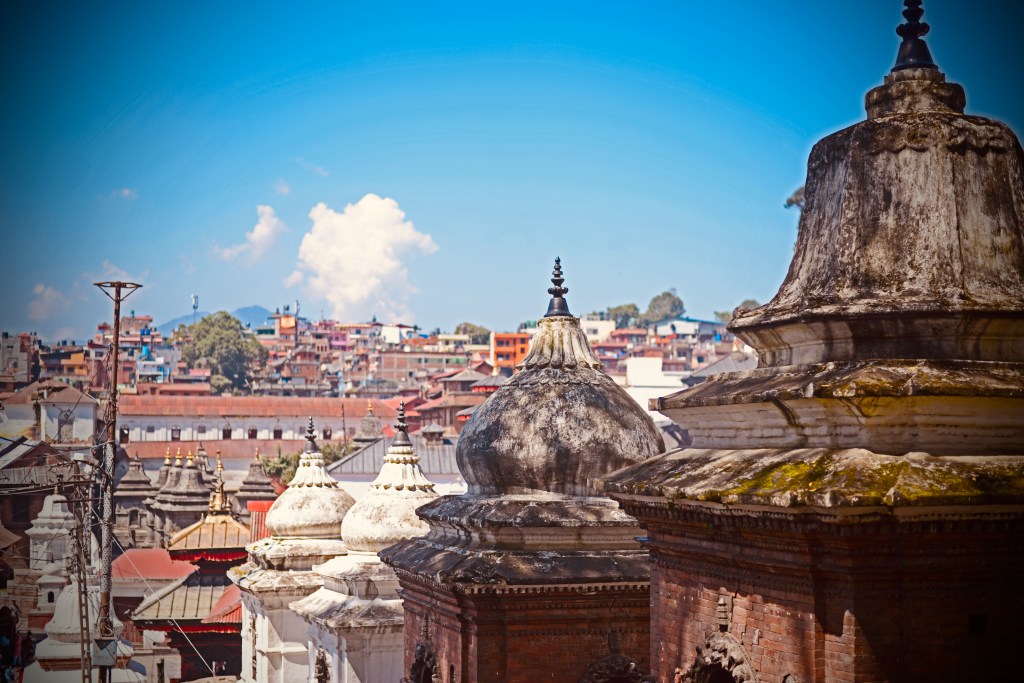
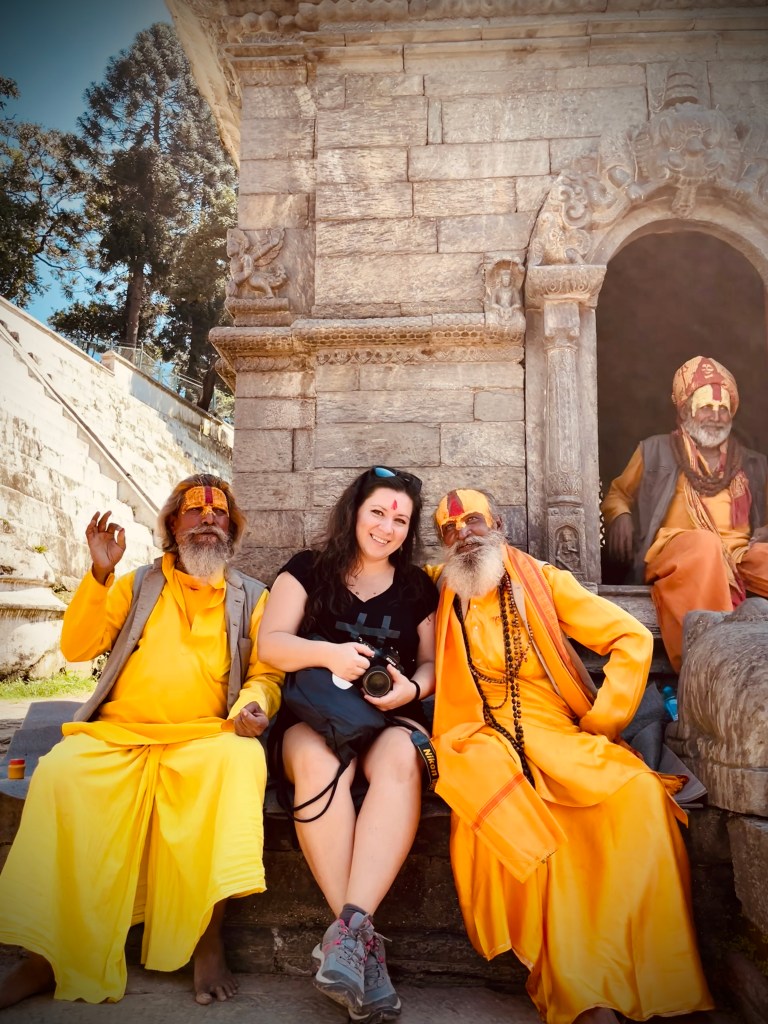
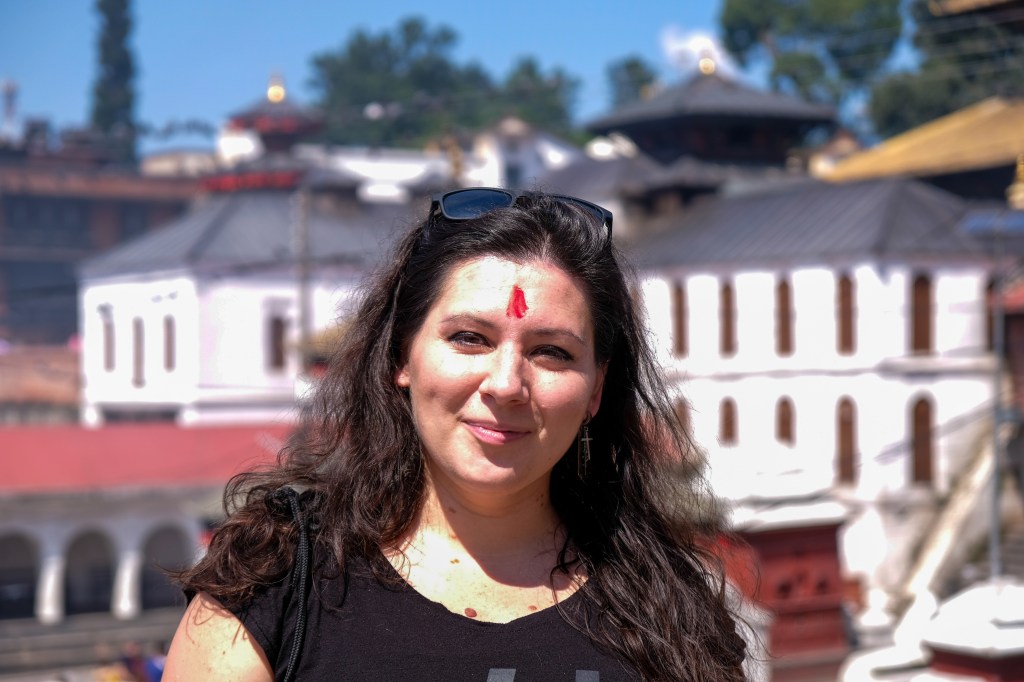
Pashupatinath Temple – a major Hindu temple complex on the banks of the Bagmati River, dedicated to Lord Shiva in his form as Pashupati. The site includes the main pagoda-style temple, numerous shrines and ashrams (places of religious retreat), and several ghats (steps leading to the water) where cremation ceremonies take place. It is an important pilgrimage destination, especially during the Maha Shivaratri festival. Here, we witnessed some cremations and although I have a looooot of issues with death, this was incredibly peaceful. Maybe because I wasn’t the one wrapped in cloth and schmeared in fat to burn quicker…
And for five bucks, you can even get a blessing from a sadhu…
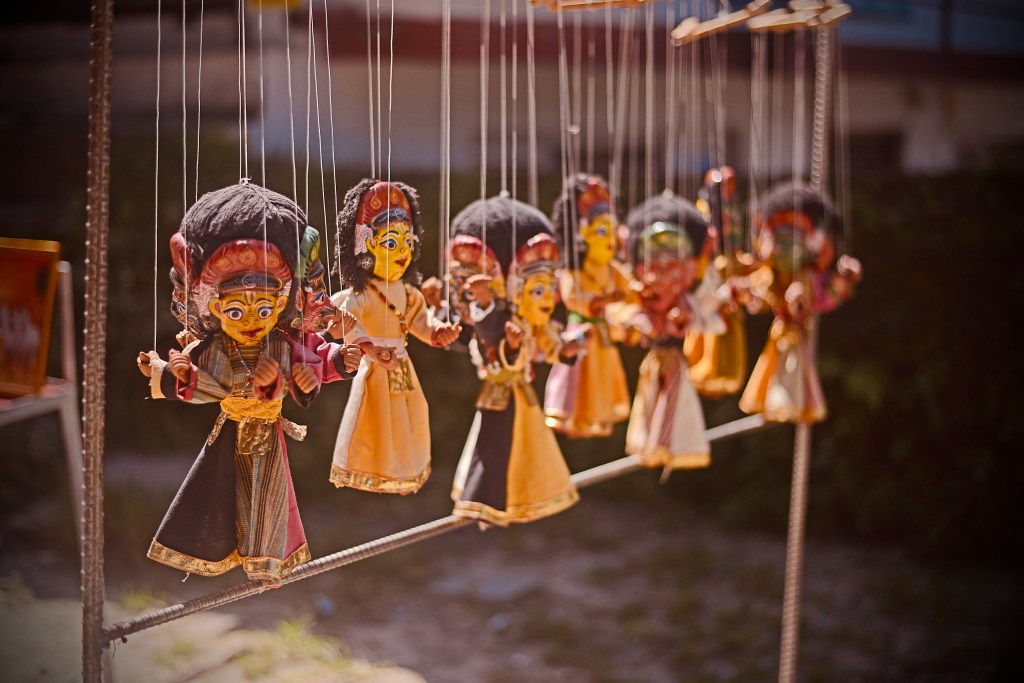
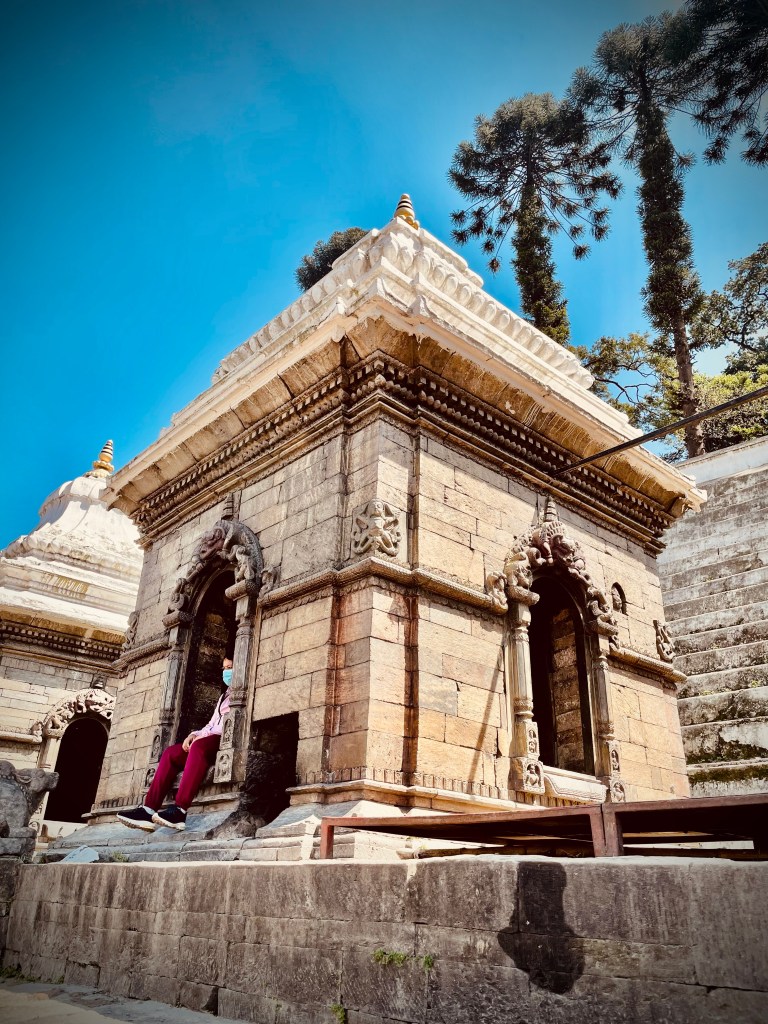
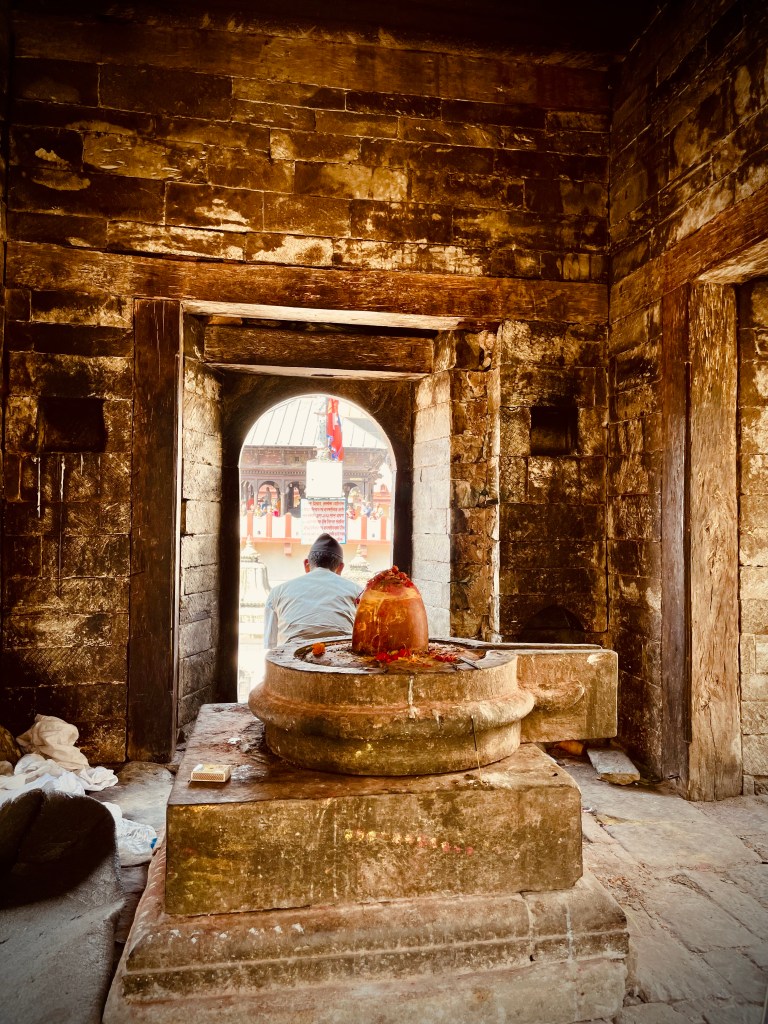
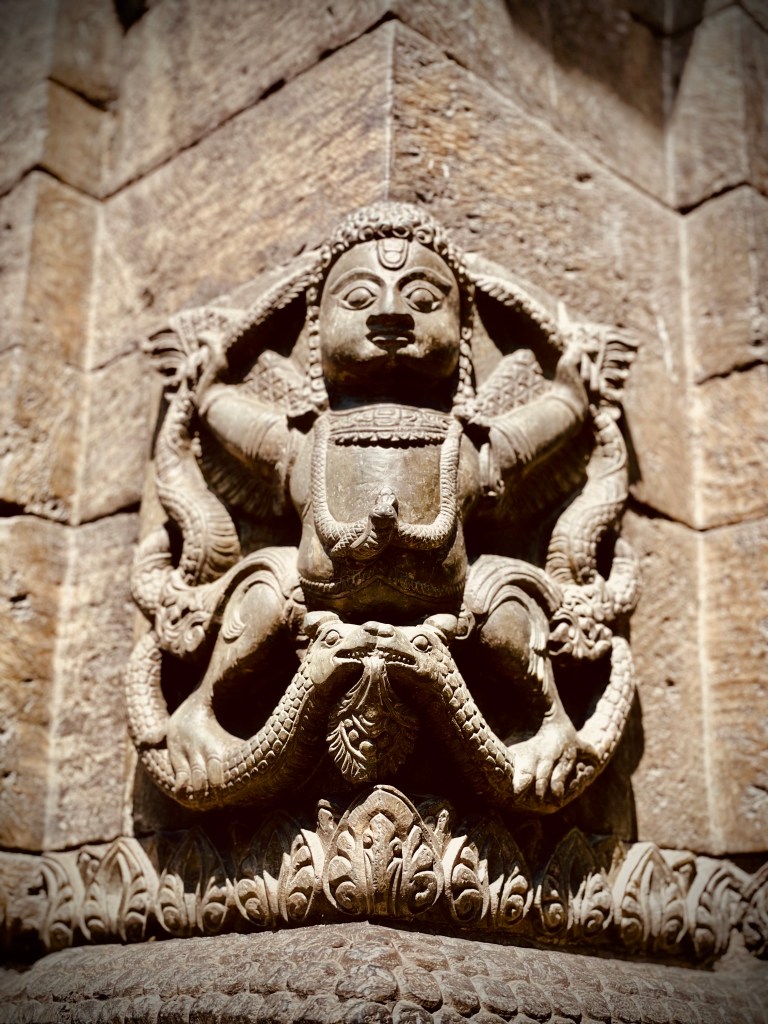
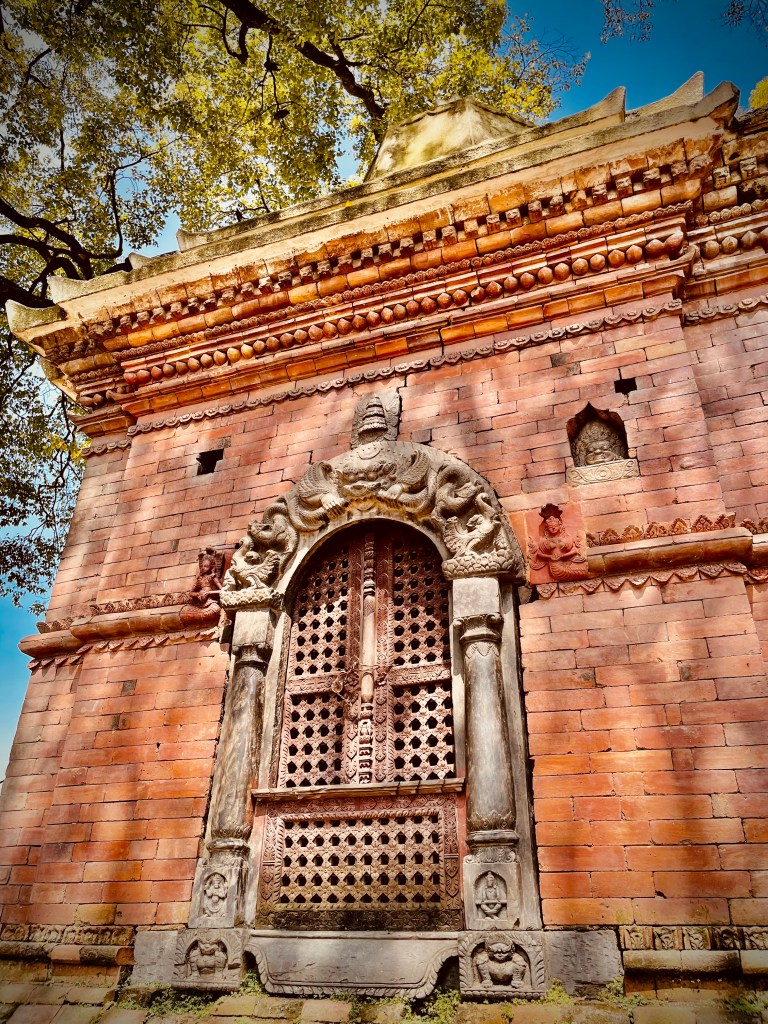
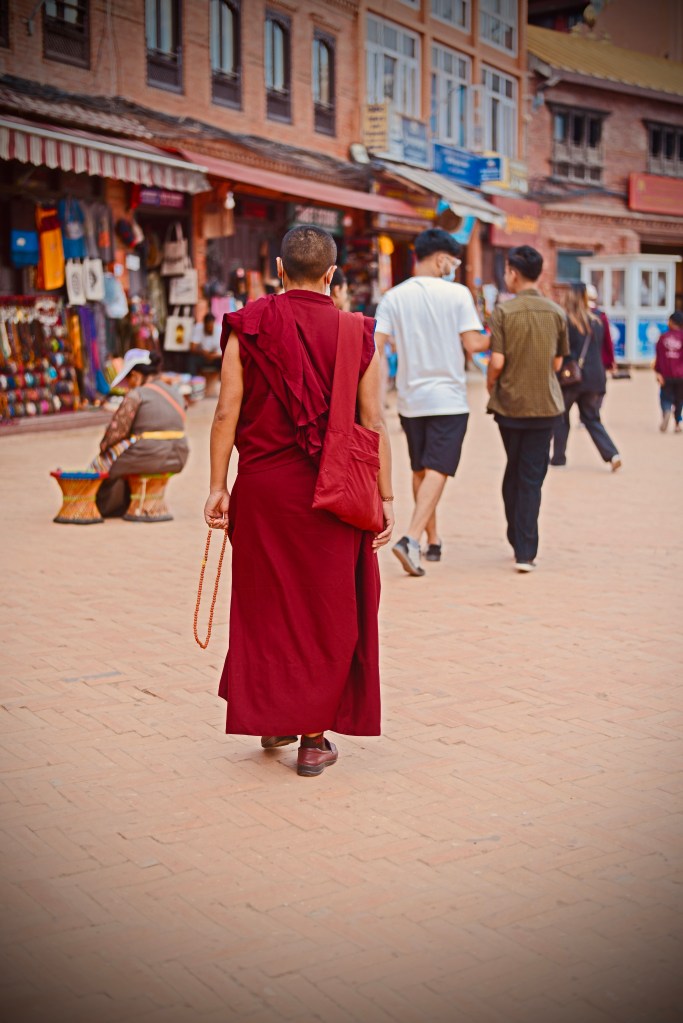
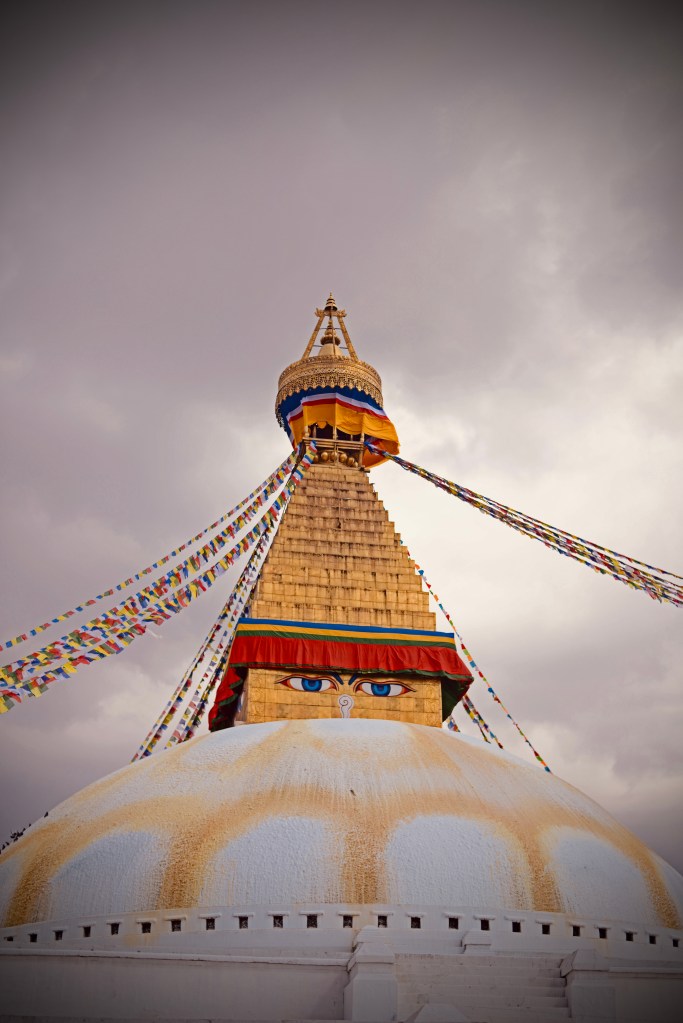
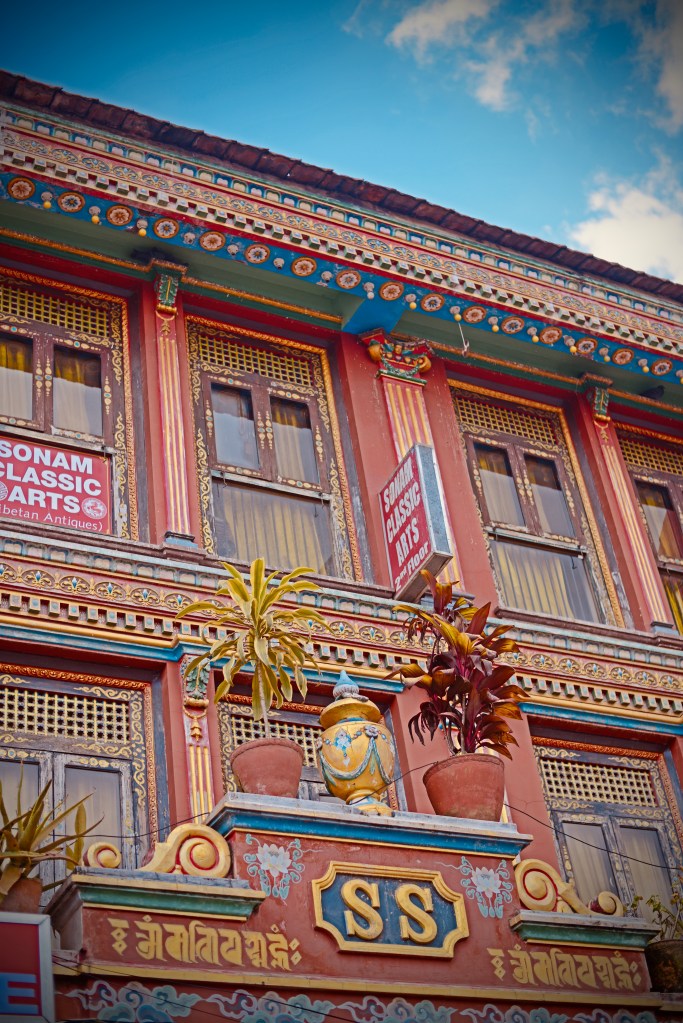
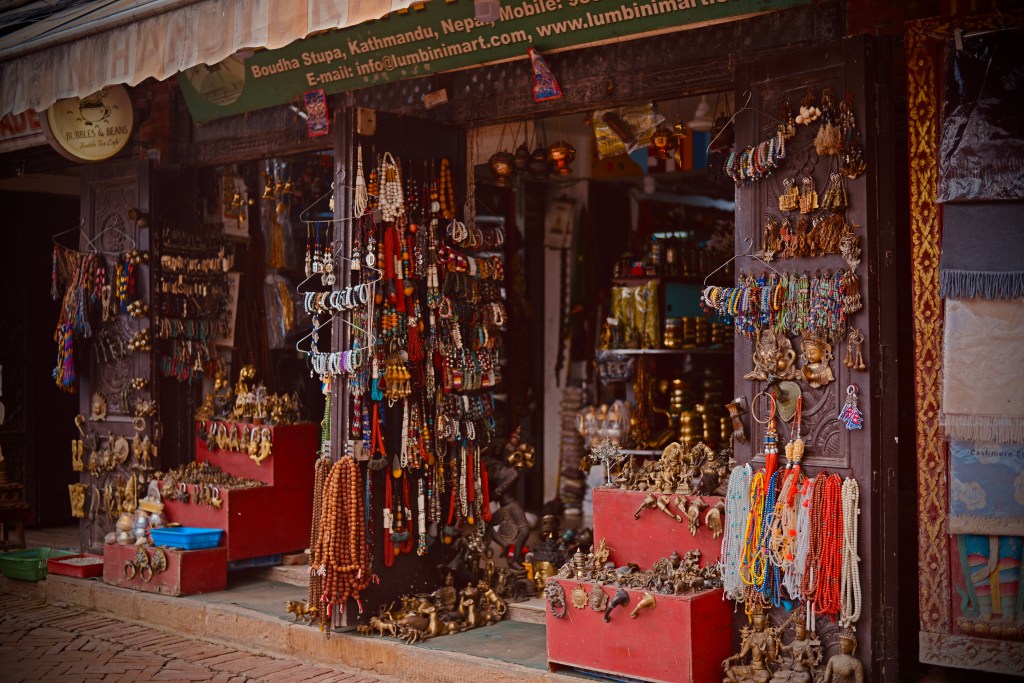
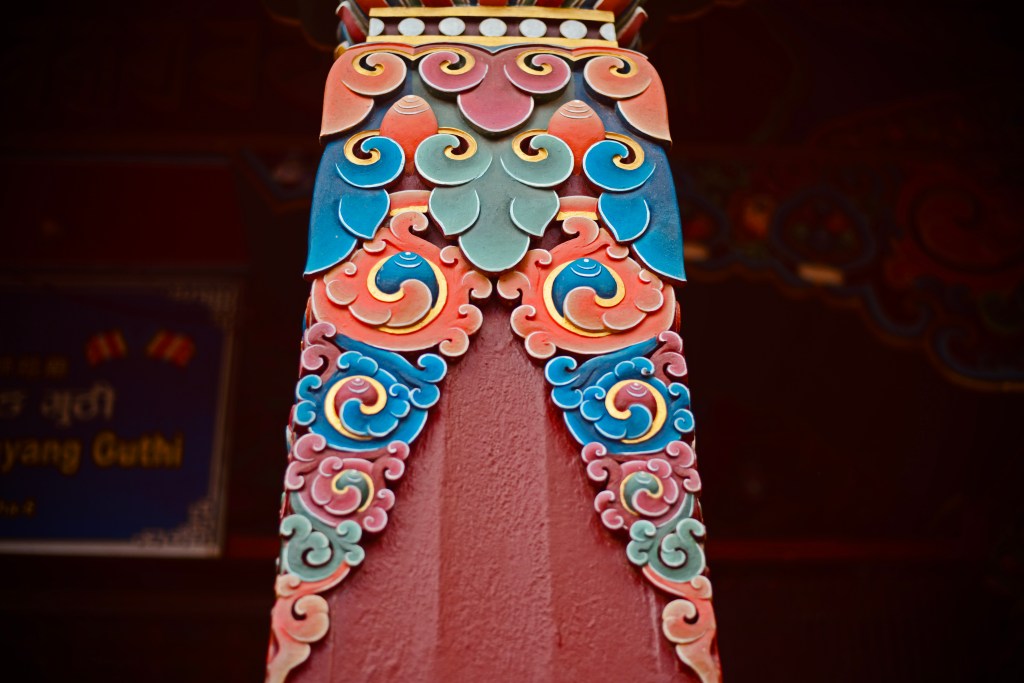
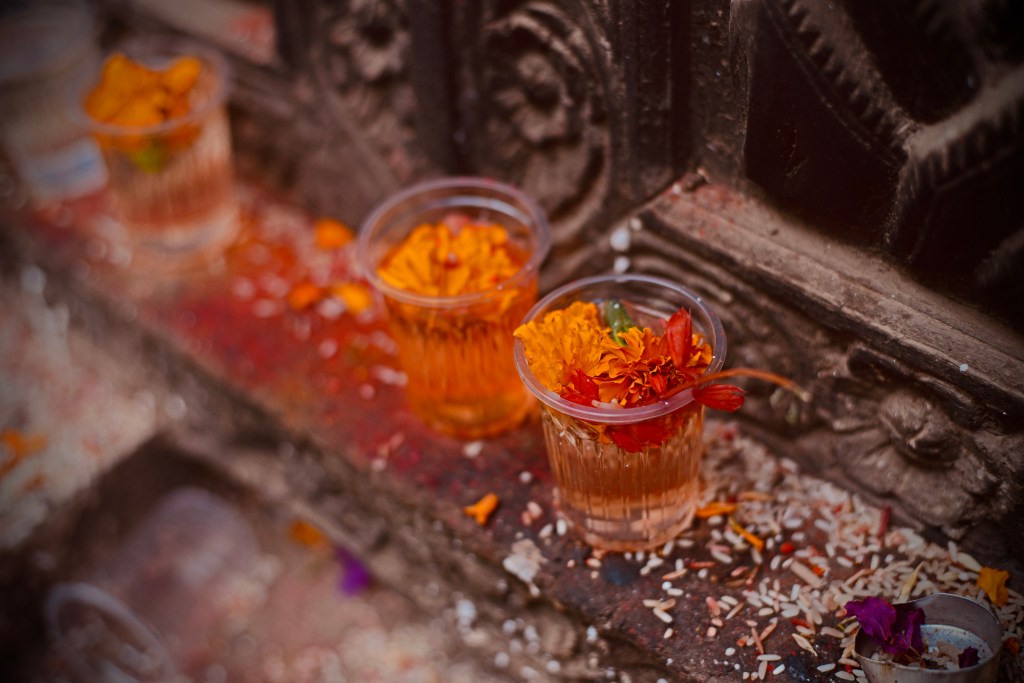
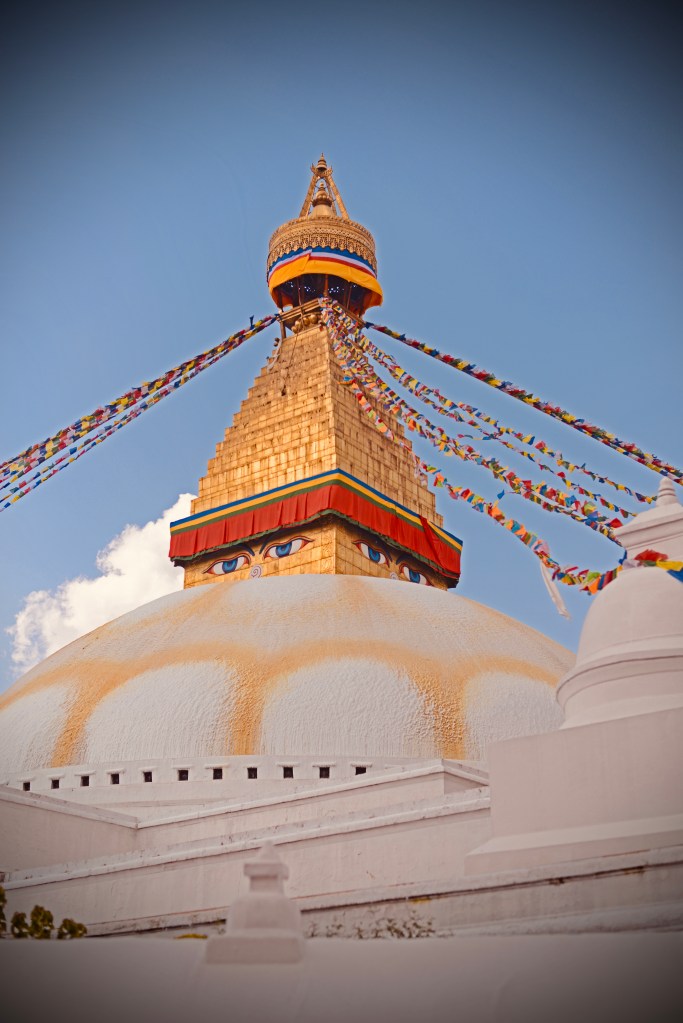
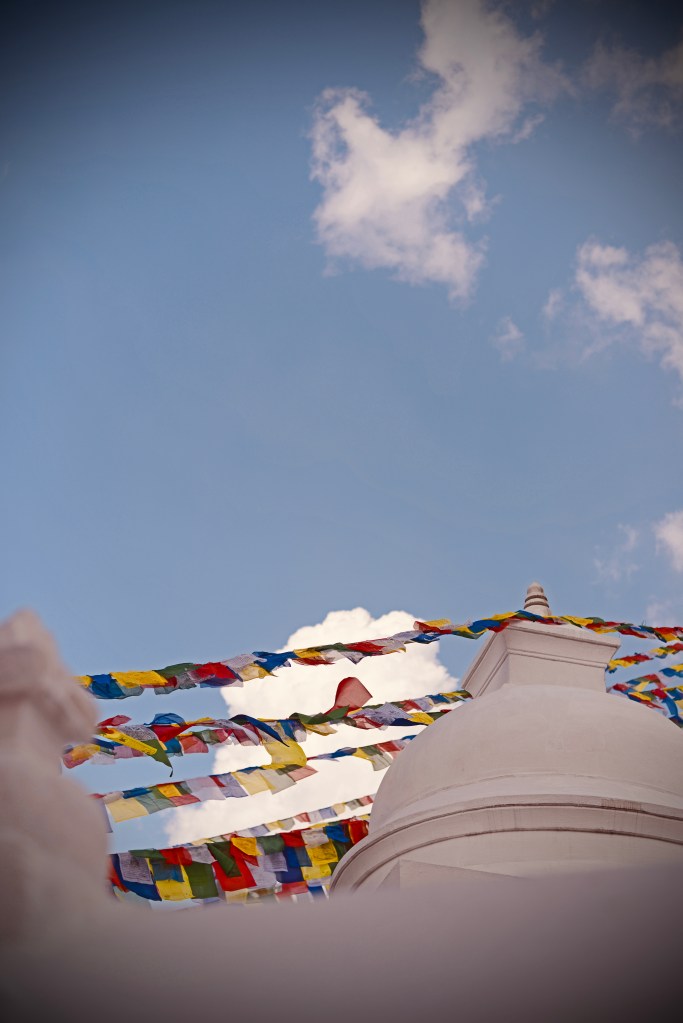
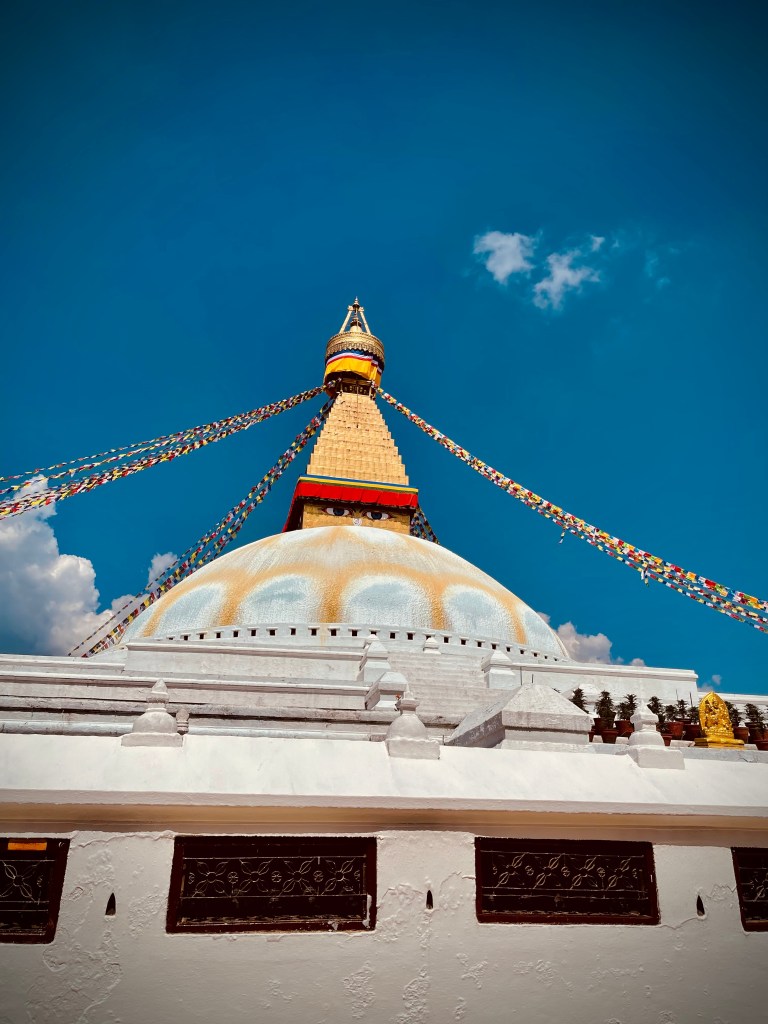
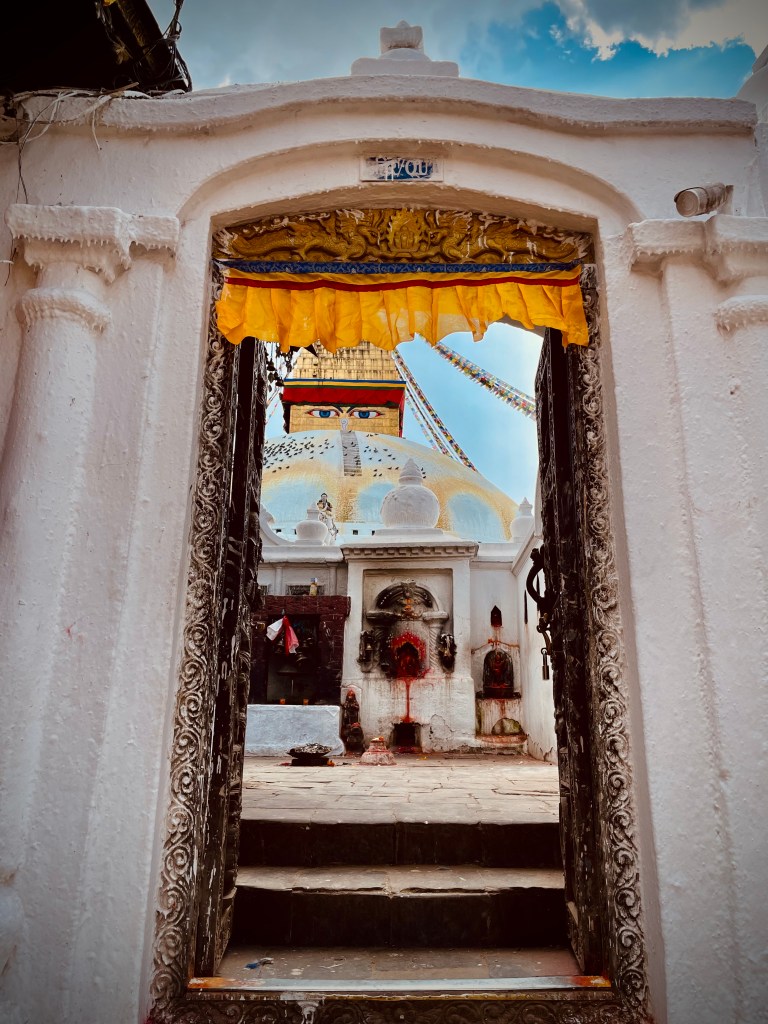
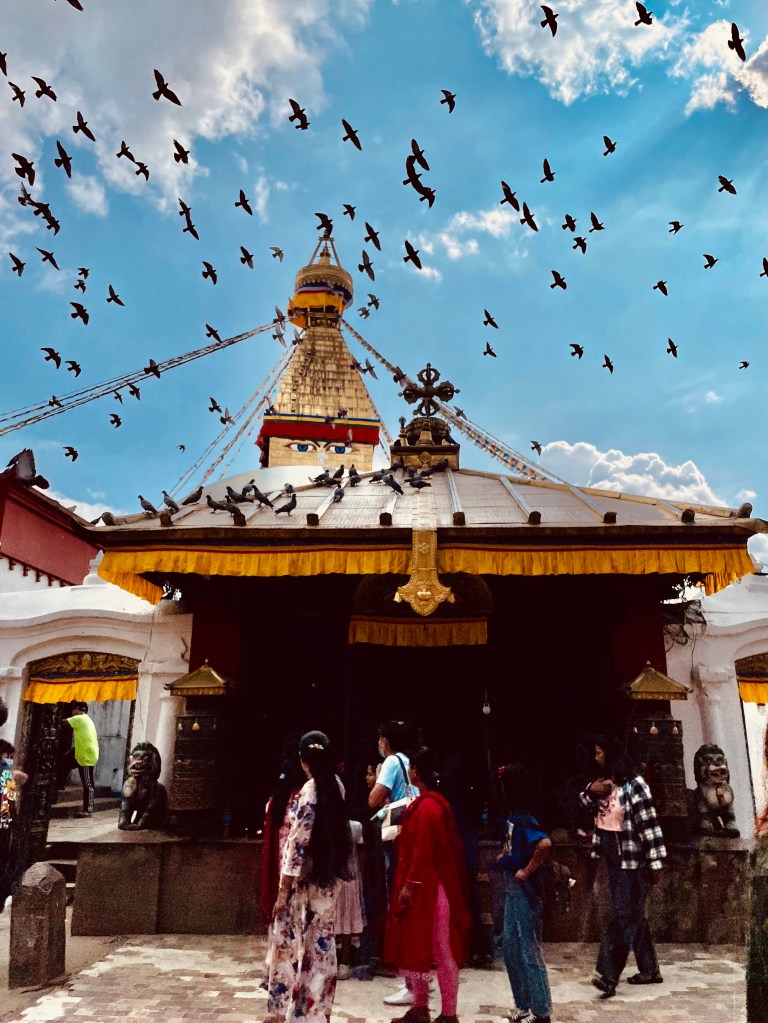
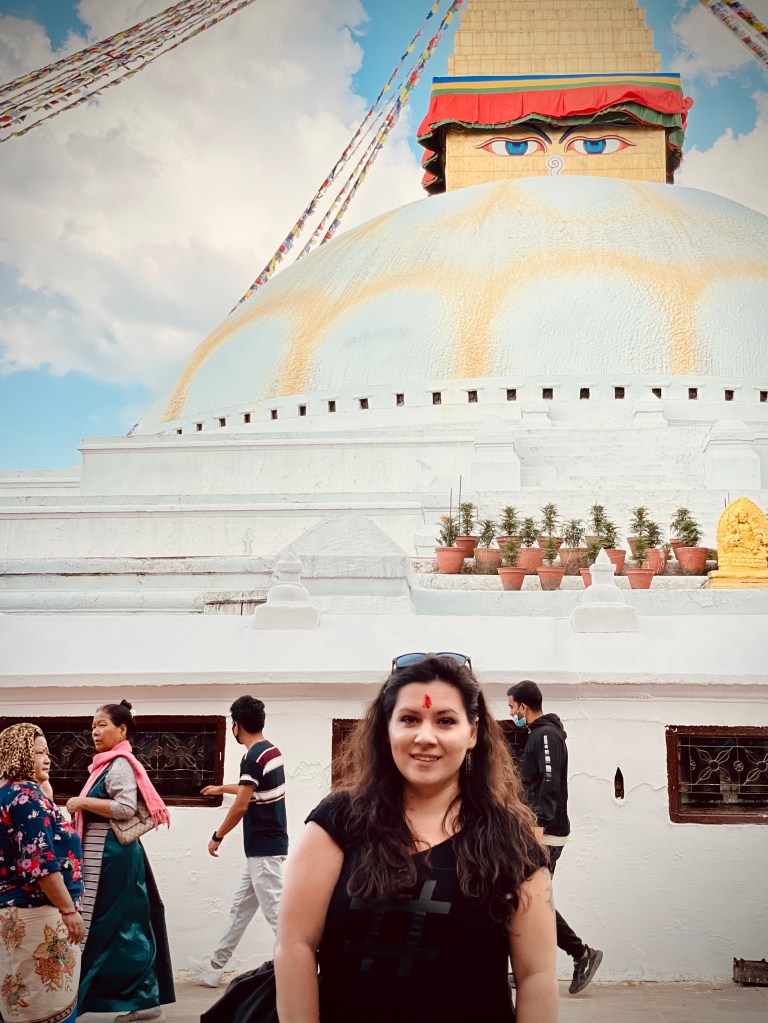
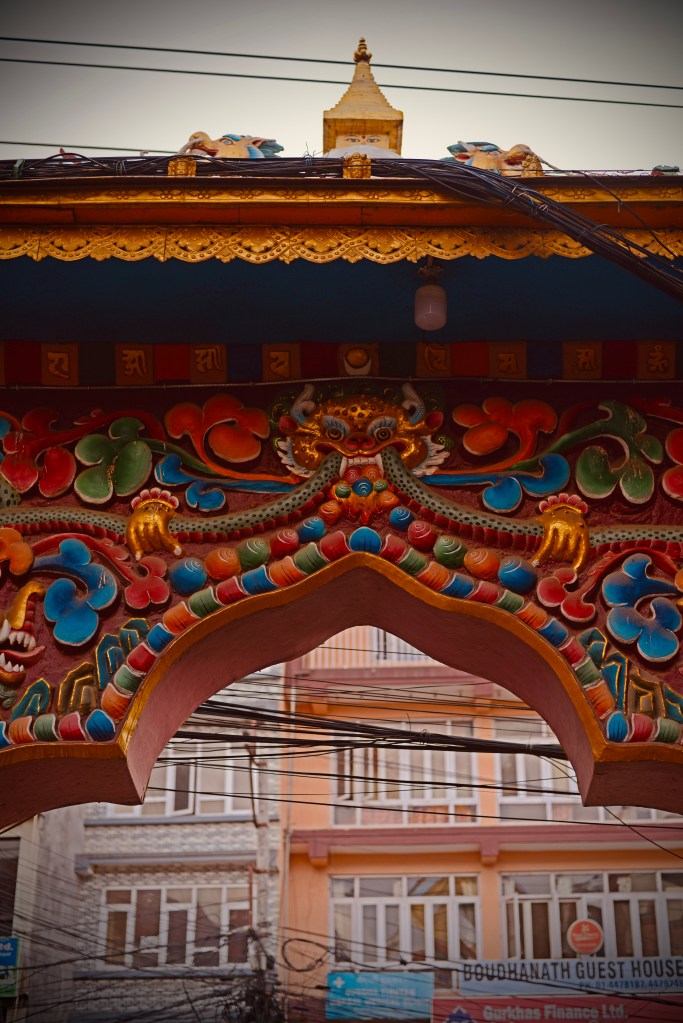
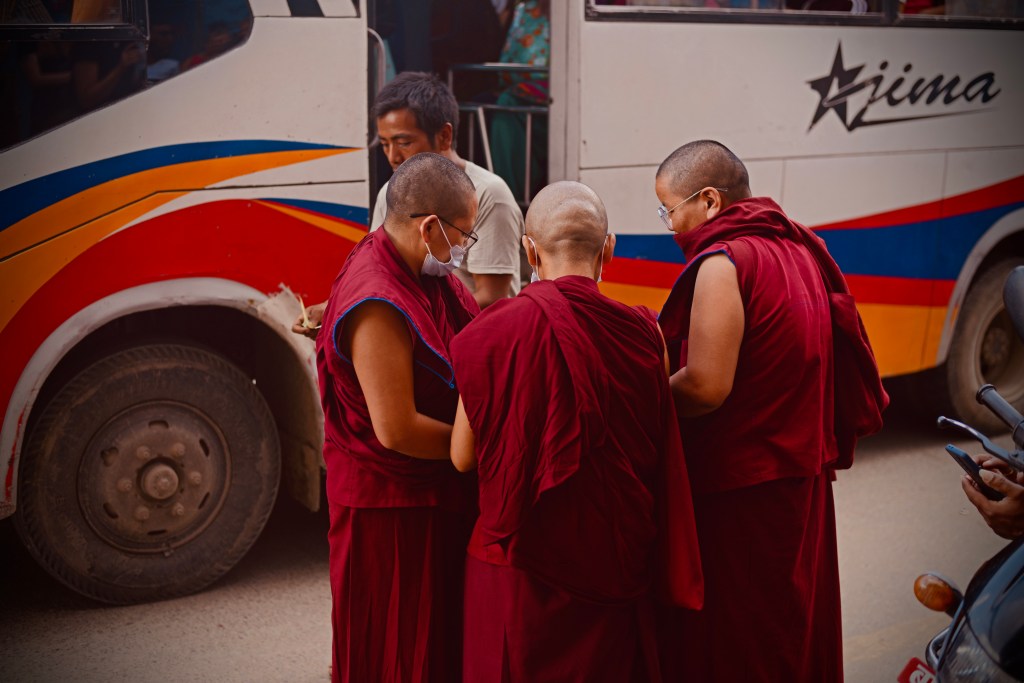
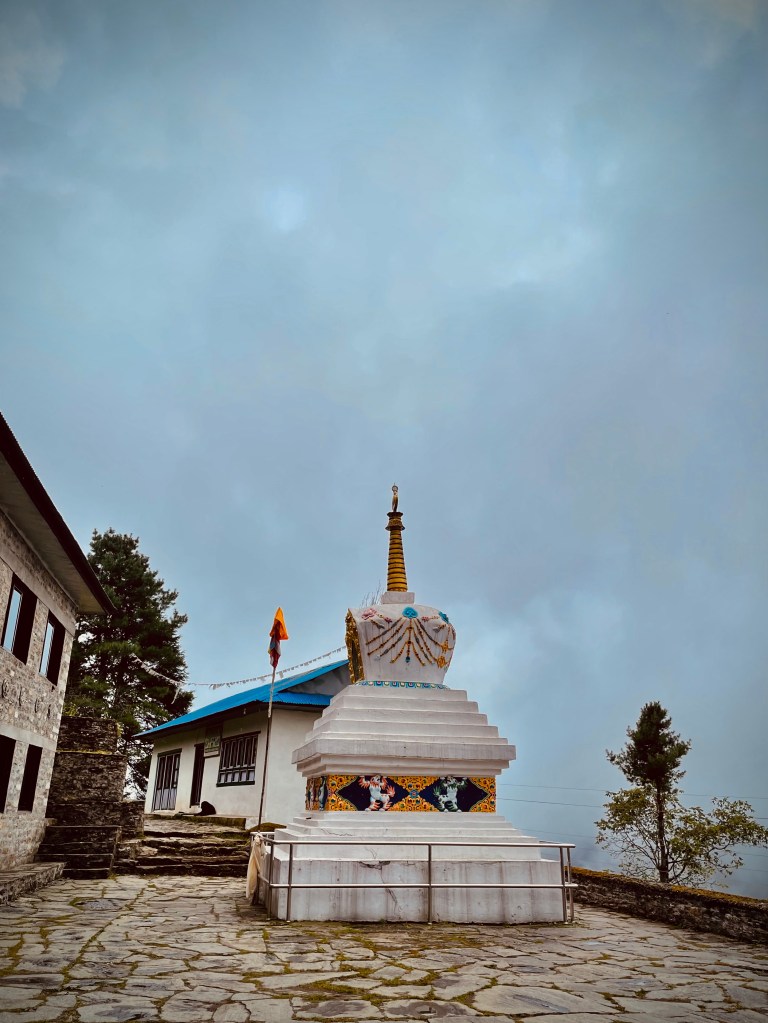
Boudhanath Stupa – one of the largest spherical stupas in the world and a key center of Tibetan Buddhism. The massive white dome and central tower are surrounded by a circular walkway used for daily kora (ritual circumambulation). The area around the stupa is lined with monasteries, shops, restaurants and cafés, forming a lively religious and cultural hub.
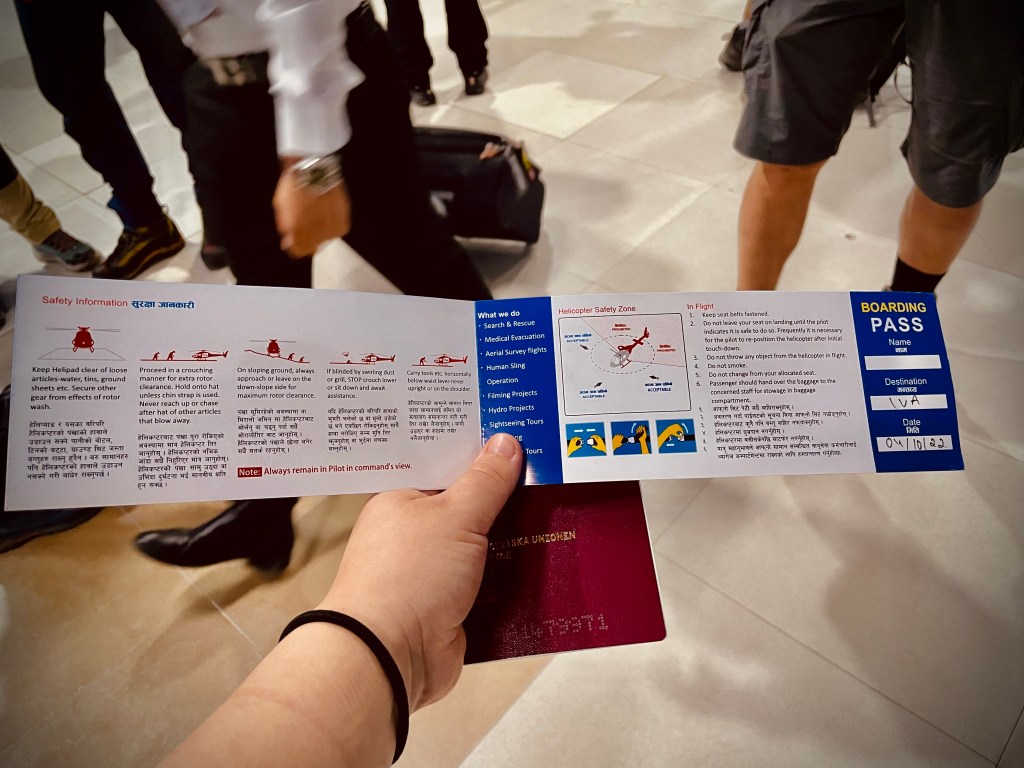
After final preparations and an early wake up, it was time to leave the city and fly to Lukla, the starting point of a trek towards Everest Base Camp. We were supposed to get on one of those wonky airplanes where you shit your pants in fear throughout the whole flight, but in the summer before traveling to Nepal we found out the airport for small planes had been moved a long way from Kathmandu. Each of us would have to cough up another 500 bucks for a helicopter ride. At first, I wasn’t pleased about it at all, the trip was already costing me a great deal, but the ride was a muuuuuch smoother way to get to Lukla. It’s a completely different feeling from a plane, a bit more like a hot air balloon, and it takes about 45 minutes. Although we didn’t land on the famous and very short strip (it’s only 527 metres long, with a steep incline and cliffs at both ends), we flew above it and got to experience the feeling.
This is also the first time my body has ever been weighed for a flight, because you want your helicopter to be evenly loaded. I didn’t like what I saw on the scale, but I blame the heavy trekking boots and clothes…
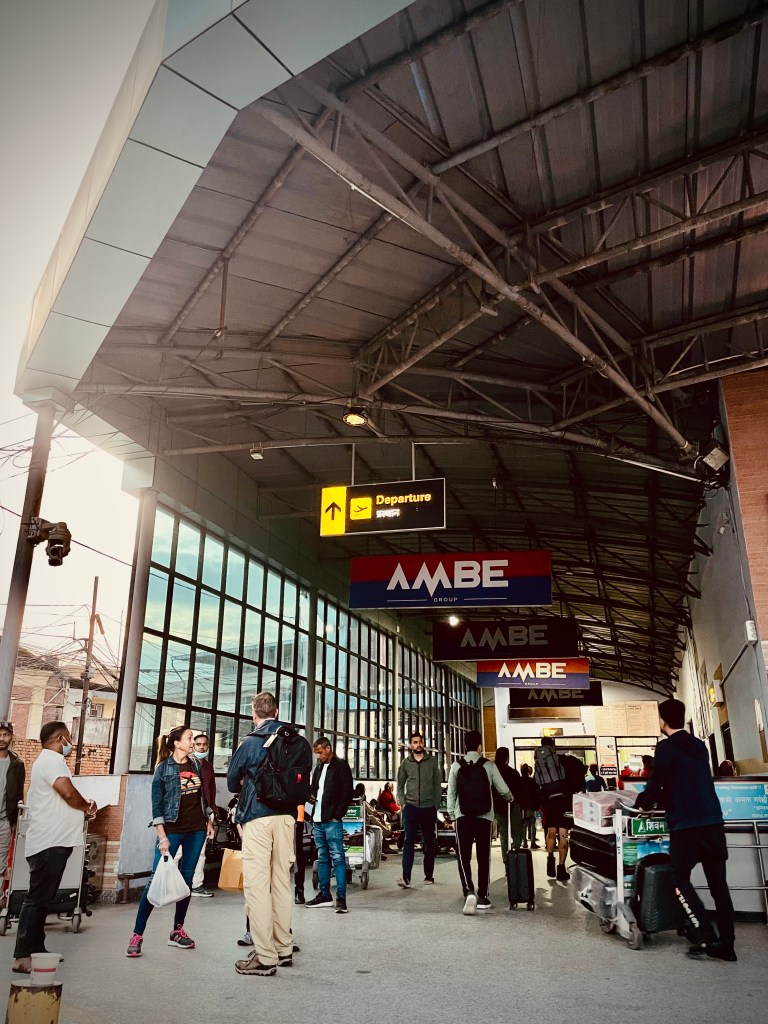
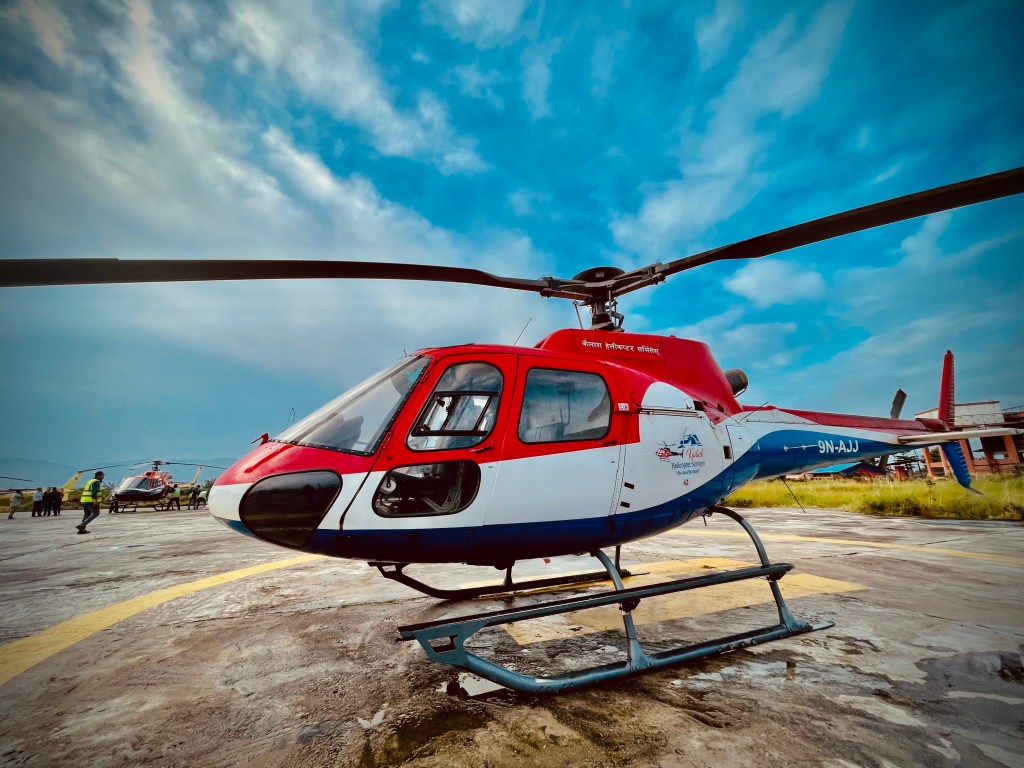
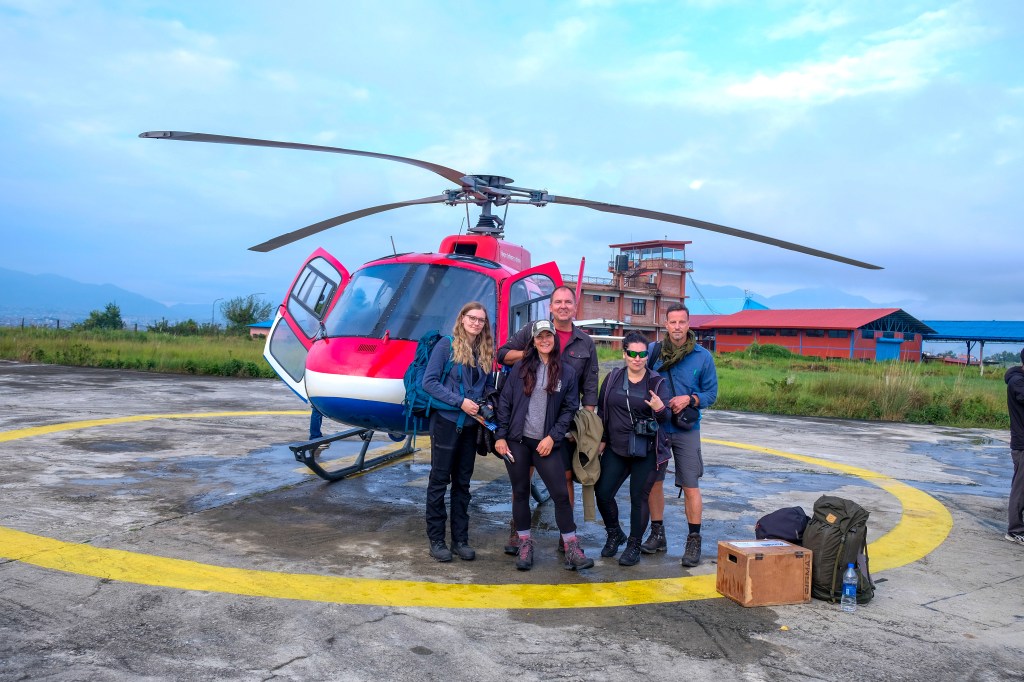
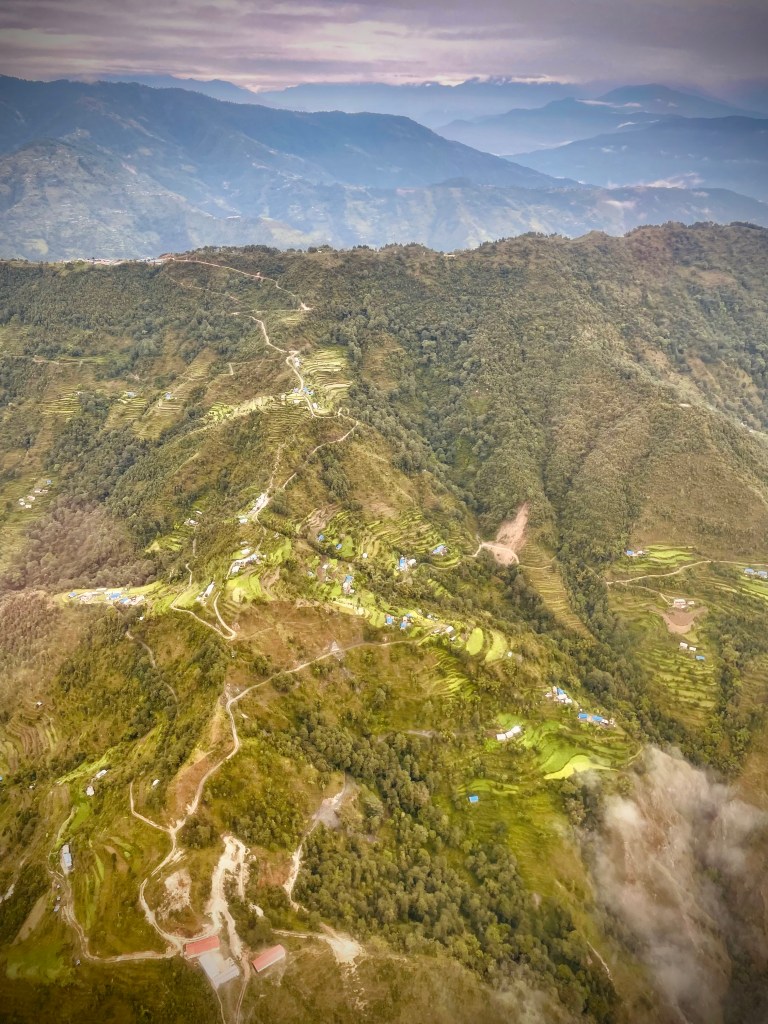
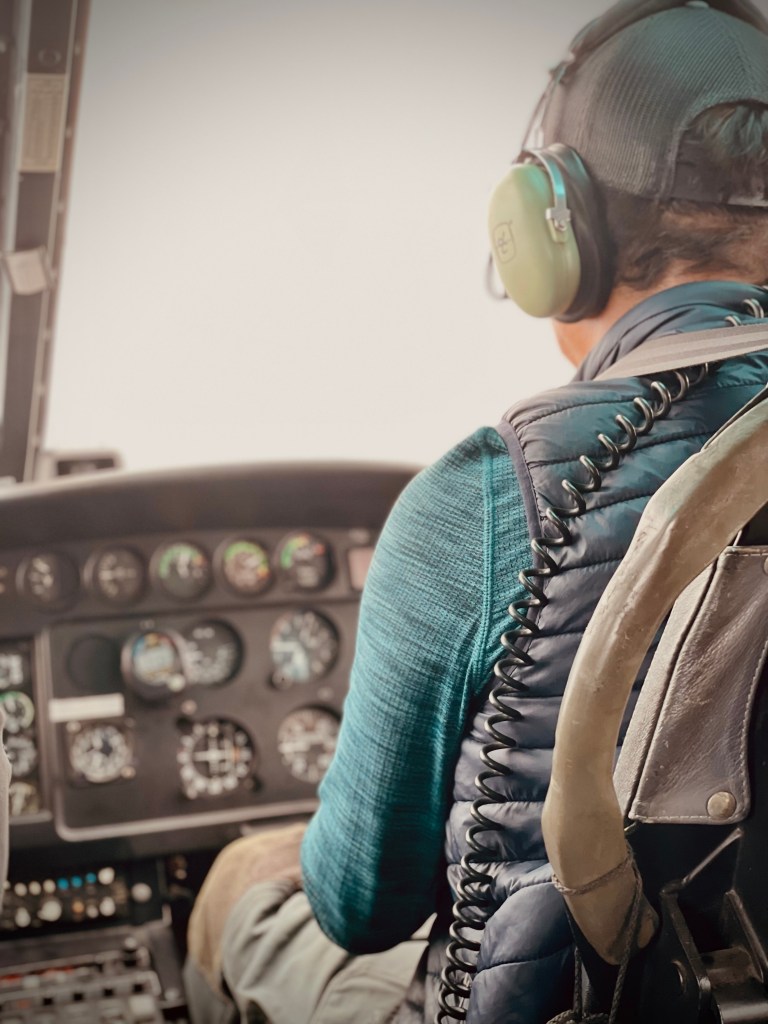
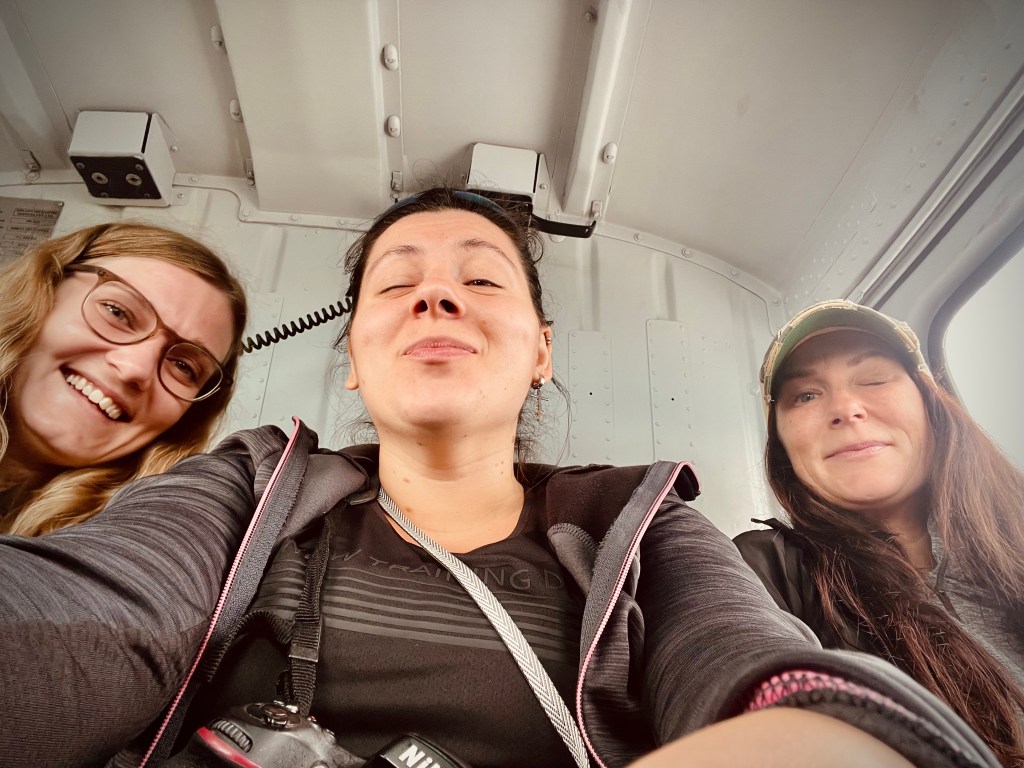
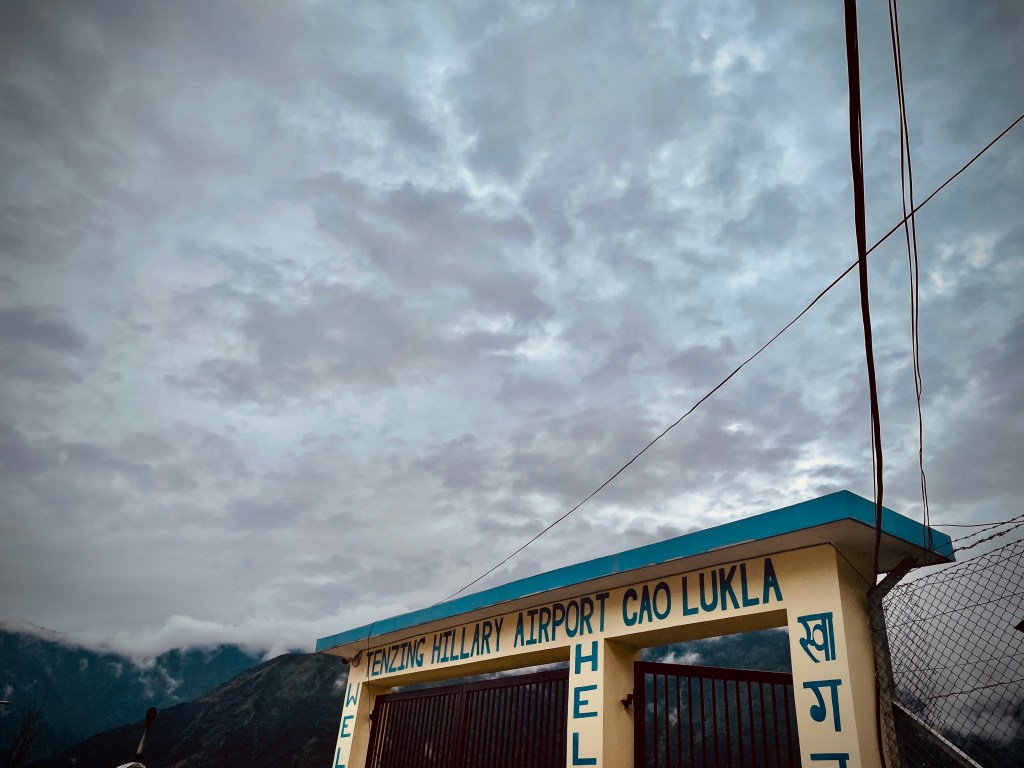
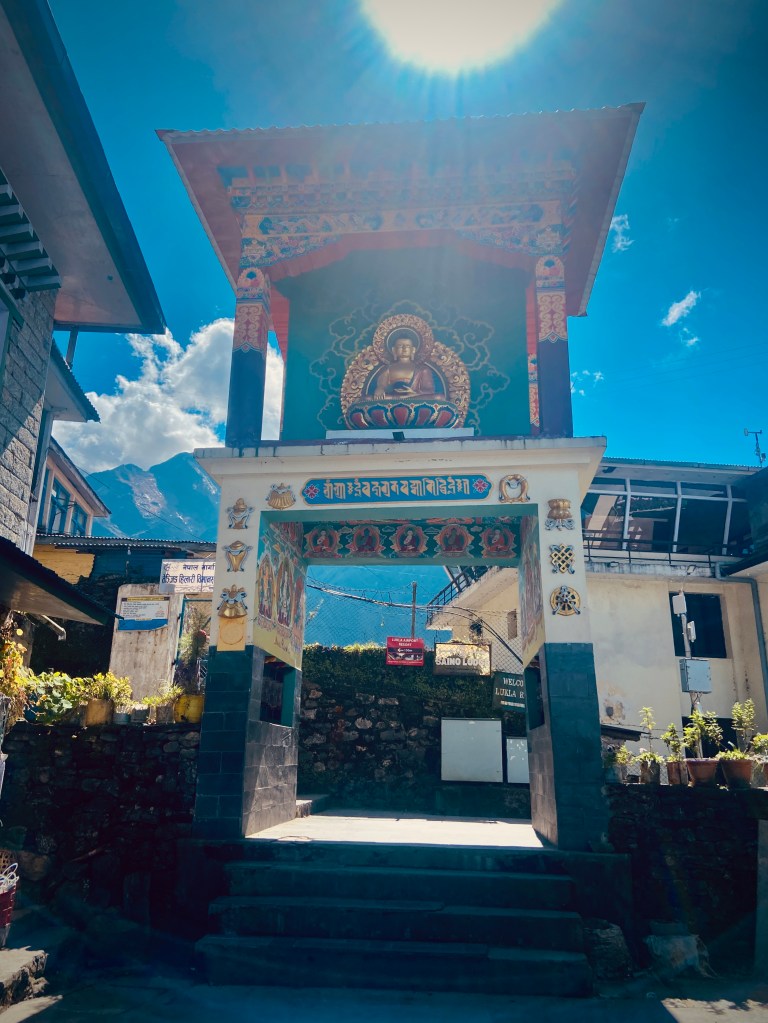
Lukla stands at an altitude of about 2800 metres, and as soon as you land you can feel the crisp mountain air. It’s one of the many small villages on the trek and where you can start to truly experience the Sherpa way of life and the road up to the rooftop of the world.
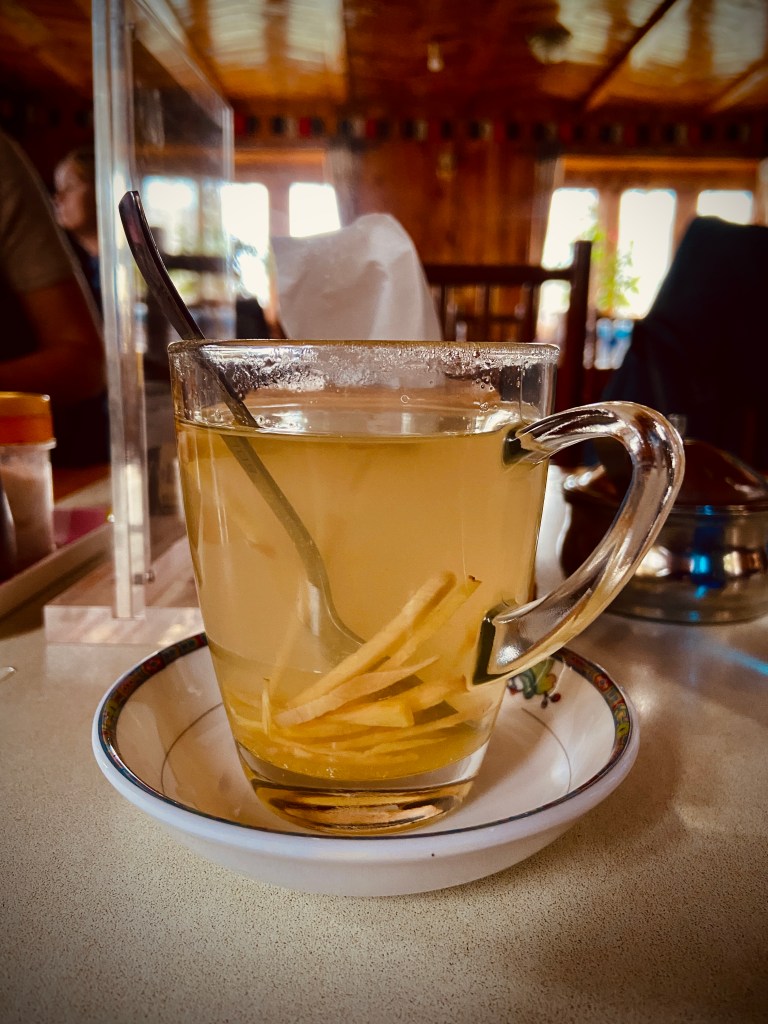
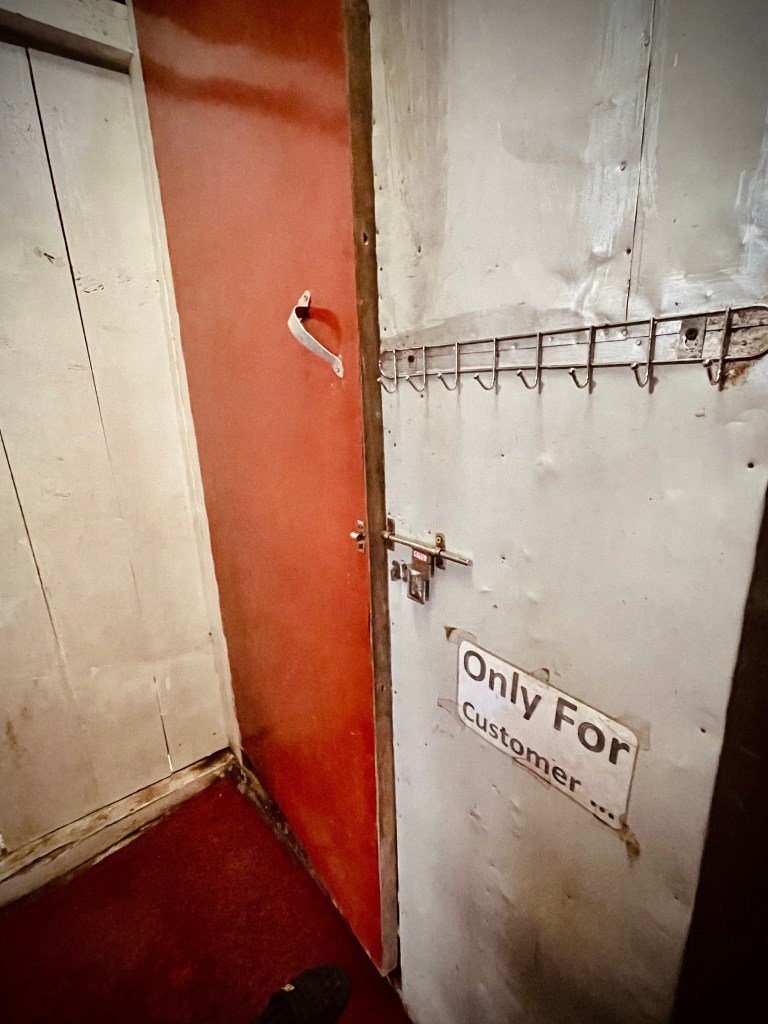
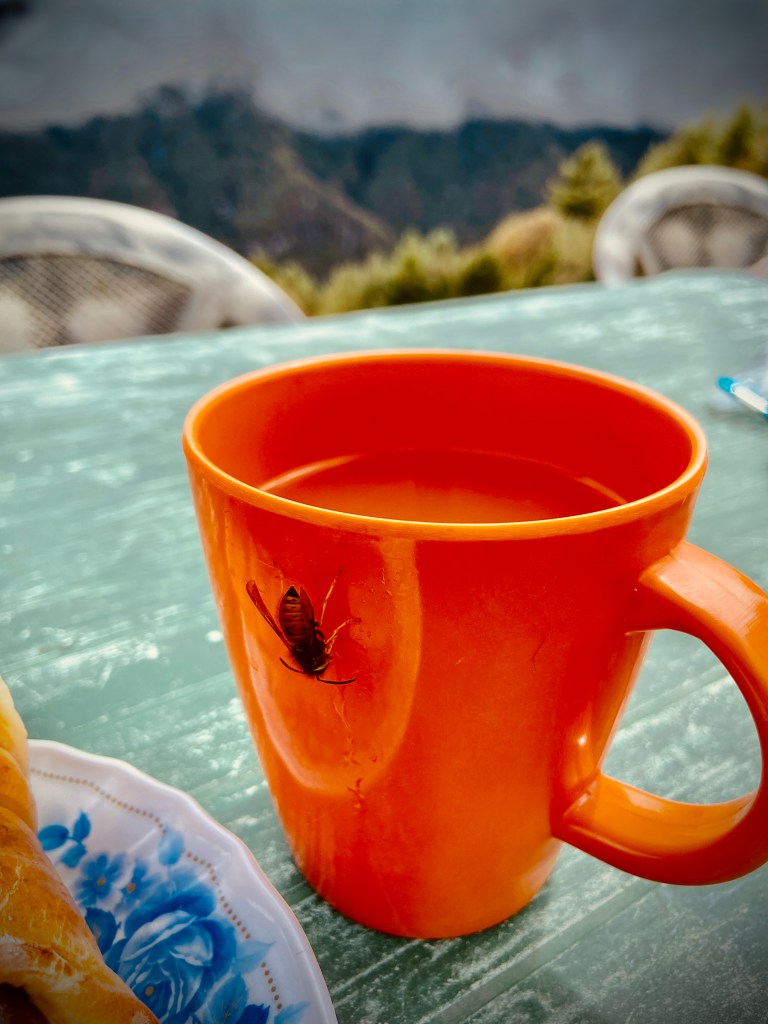
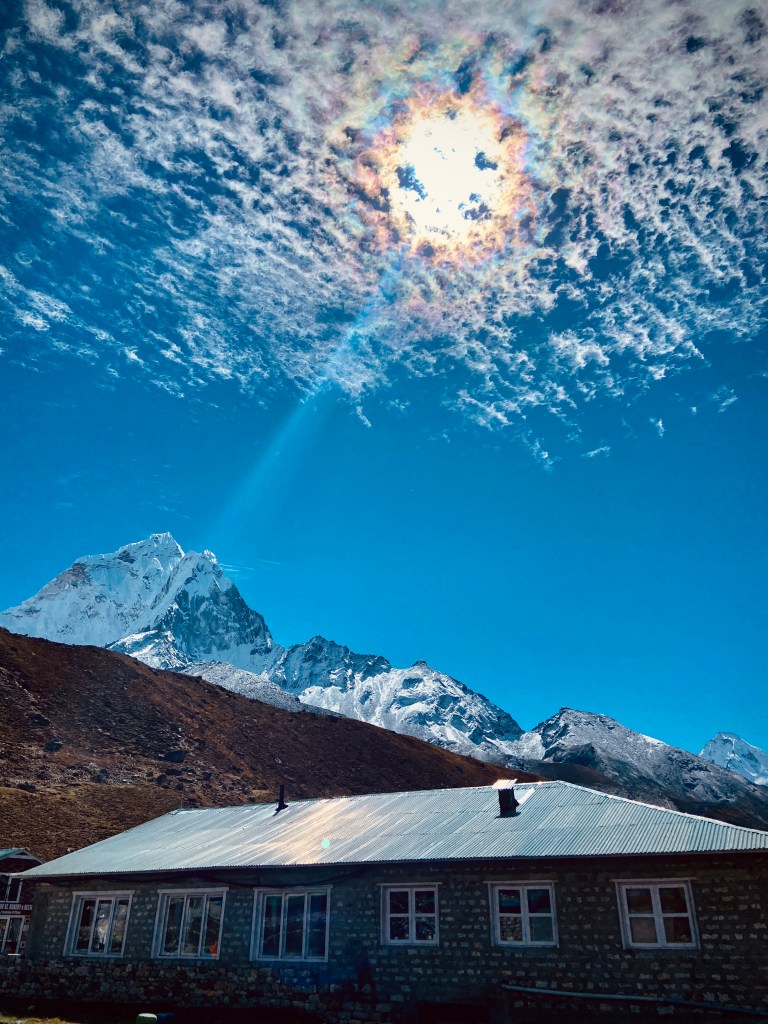
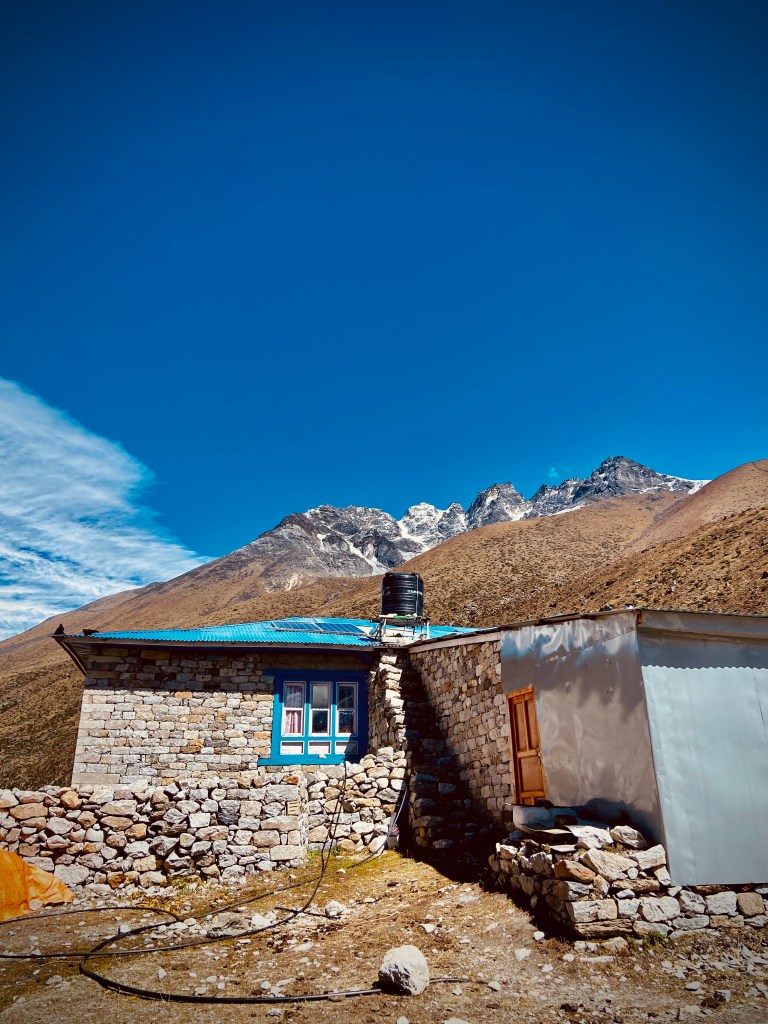
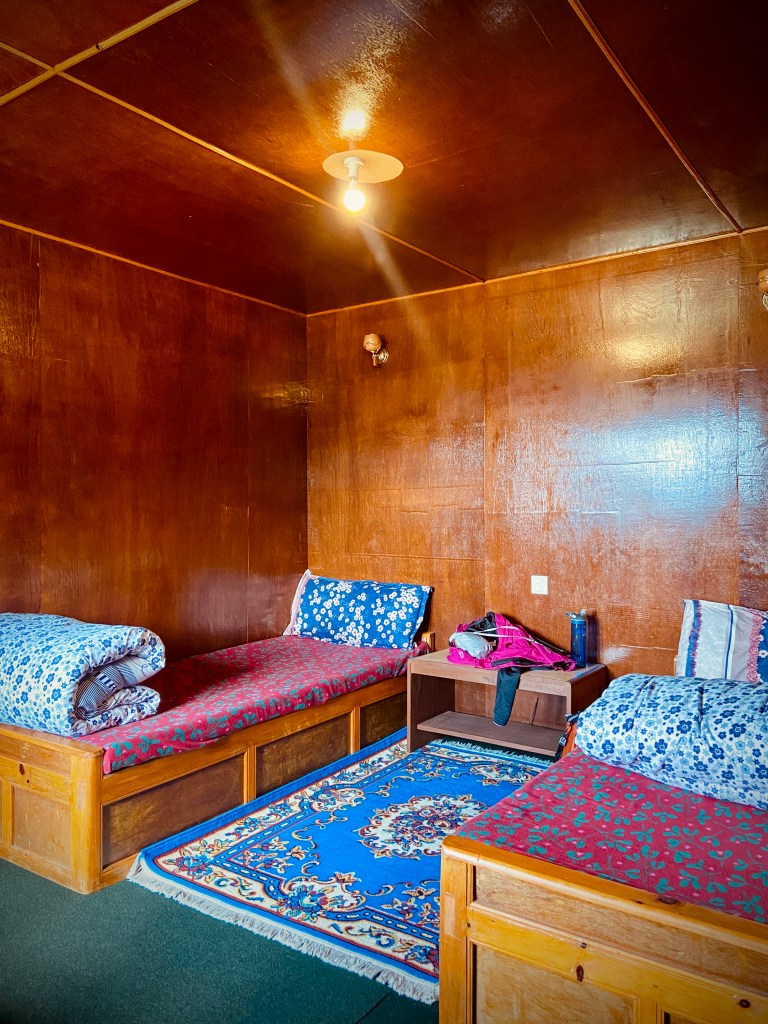
On a Himalayan trek, you make your stops at teahouses in the villages. That’s where you eat, sleep and recharge on the road. And that’s where the magical ginger-lemon-honey tea is made for you. Some of these lodges are super basic, with shared sleeping spaces and toilets more of a nature-based experience; others offer a bit more comfort with en suite bathrooms and heated bed covers. Some even allow guests to camp outside, it all depends on your budget and the level of comfort you’re looking for. Our first teahouse, in Lukla, was a very friendly welcome as a short break after the heli ride. I mean, YakDonald’s! Moo!
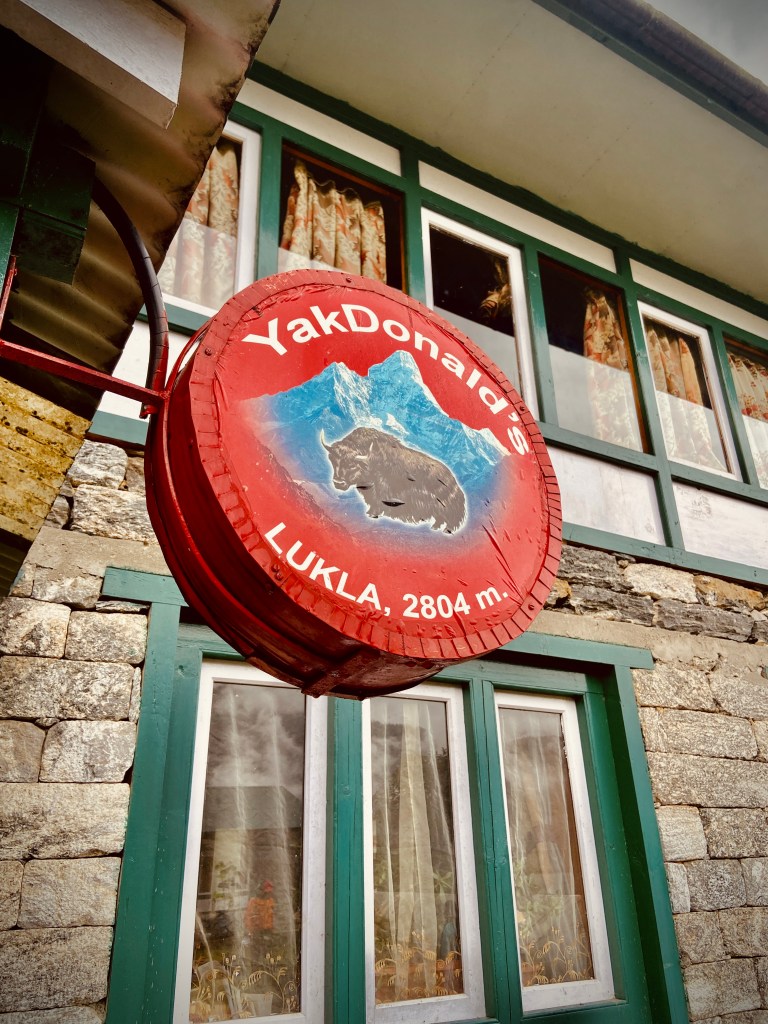
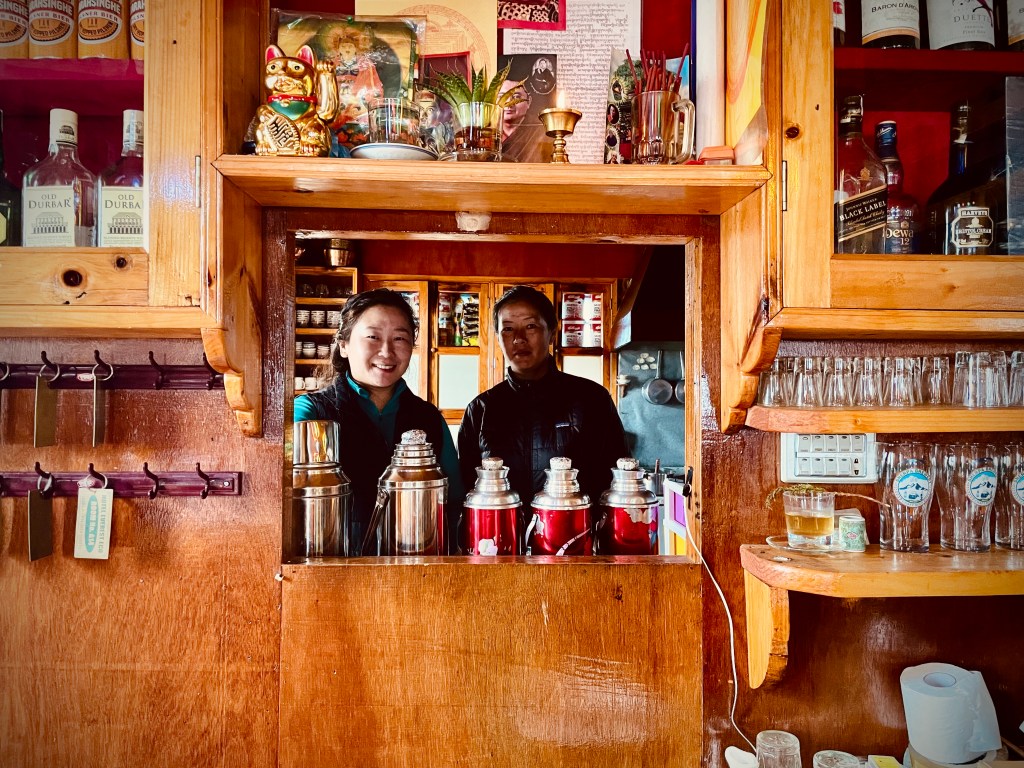
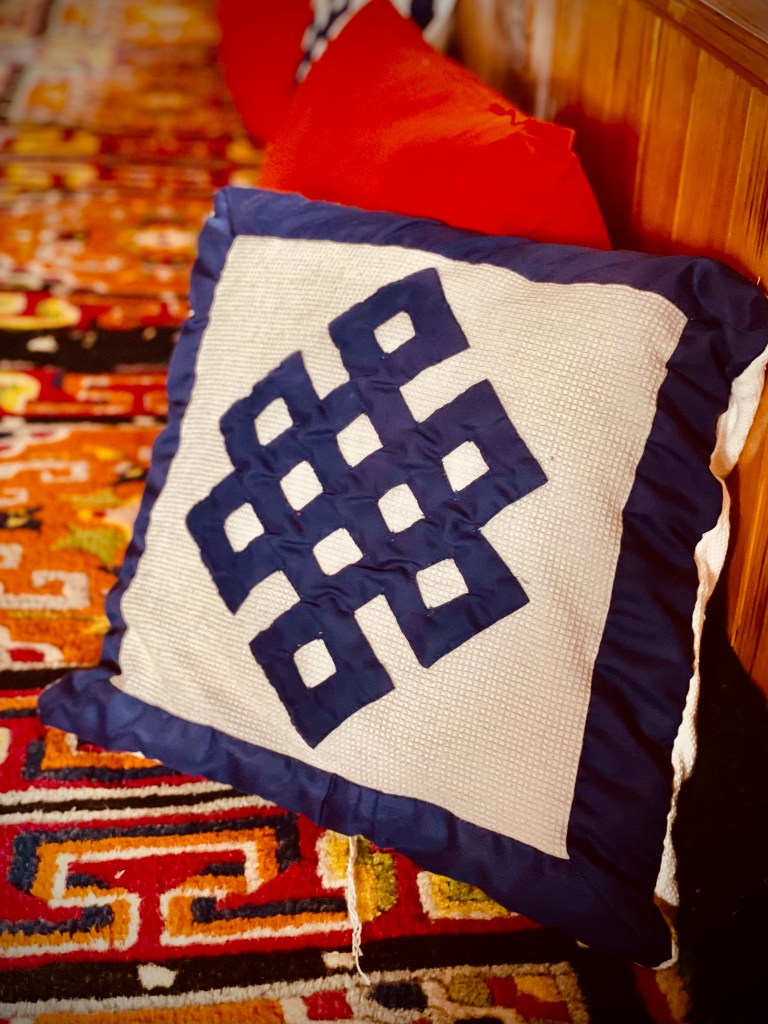
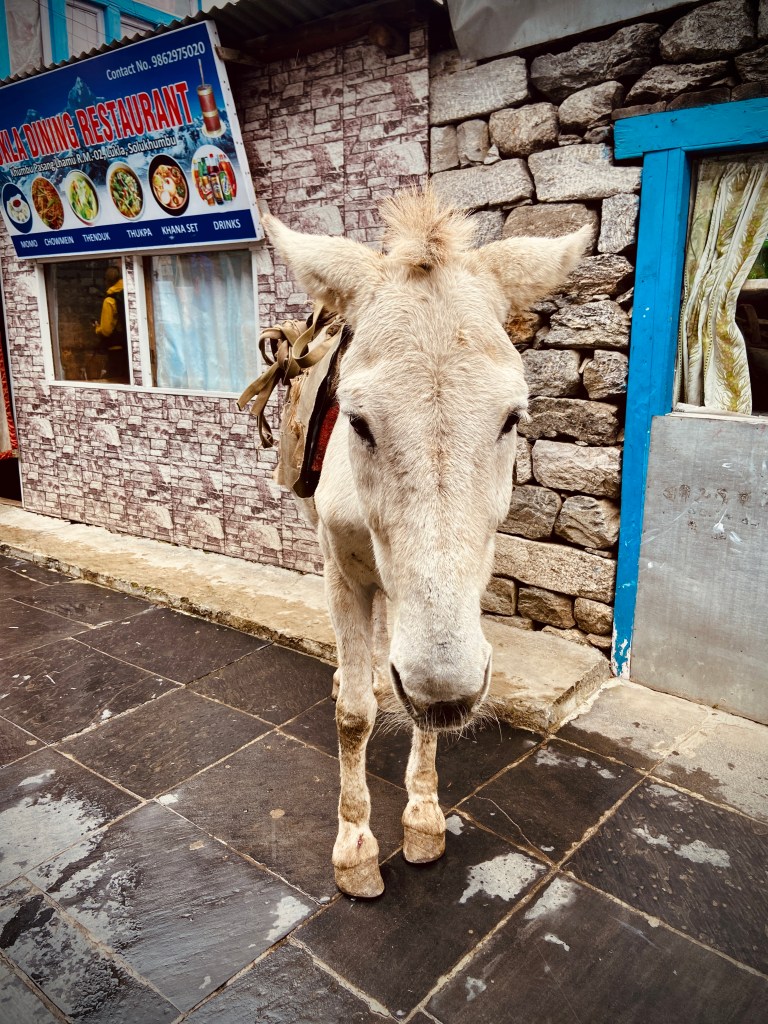
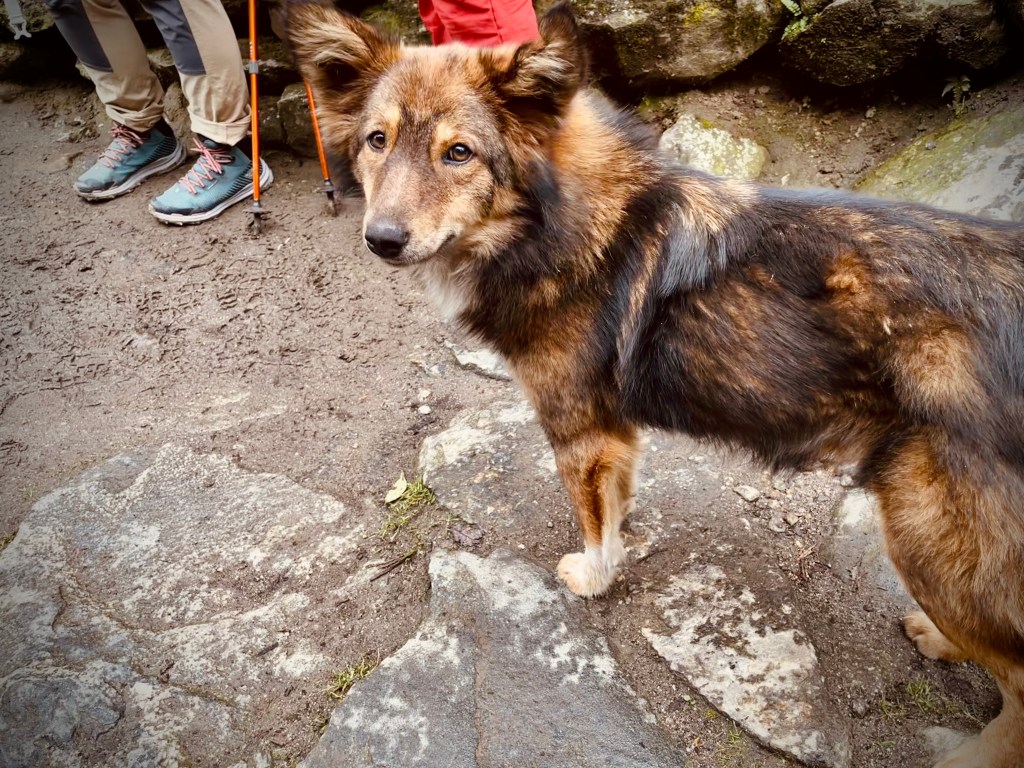
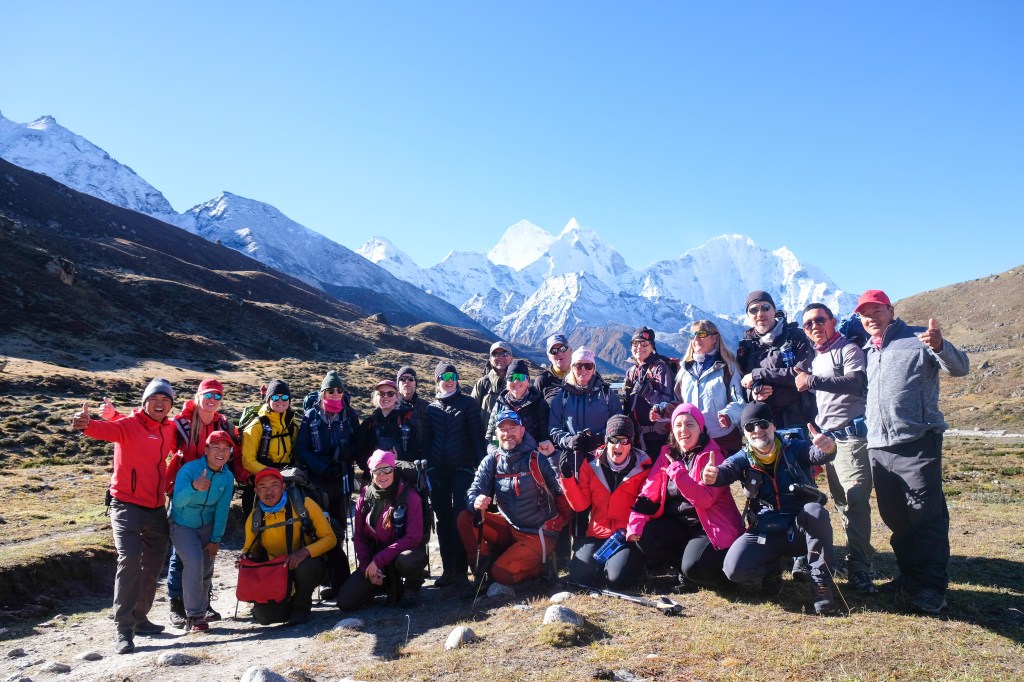
After that, no time to waste. Introduction to the crew that would be assisting us on the trek, some safety instructions, and off we went. Oy, my legs hurt already, because the steps out of Lukla were no joke.
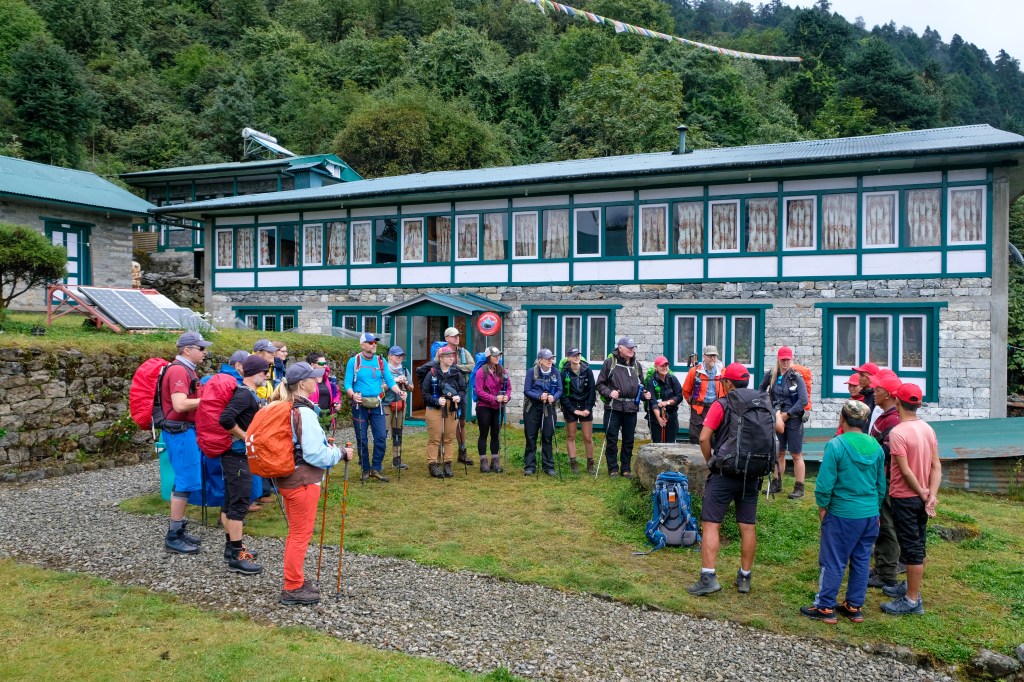
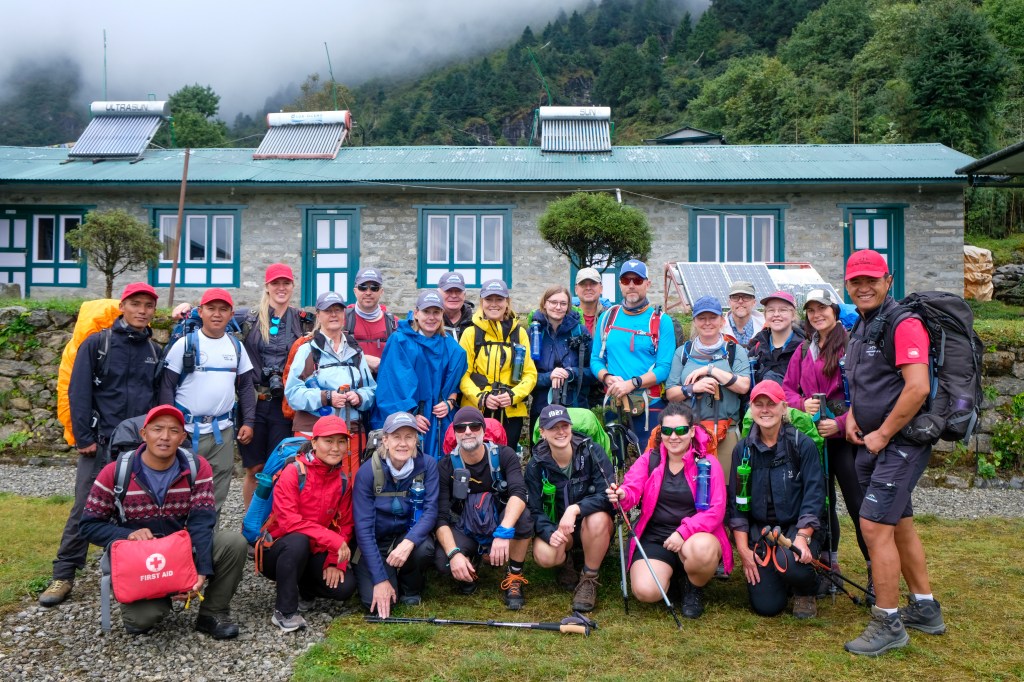
There’s so much I could write about this trip, so many emotions happening at the same time with each step of the way. But I’ll do my best to keep it shorter than that.
Day 1 • Lukla to Phakding
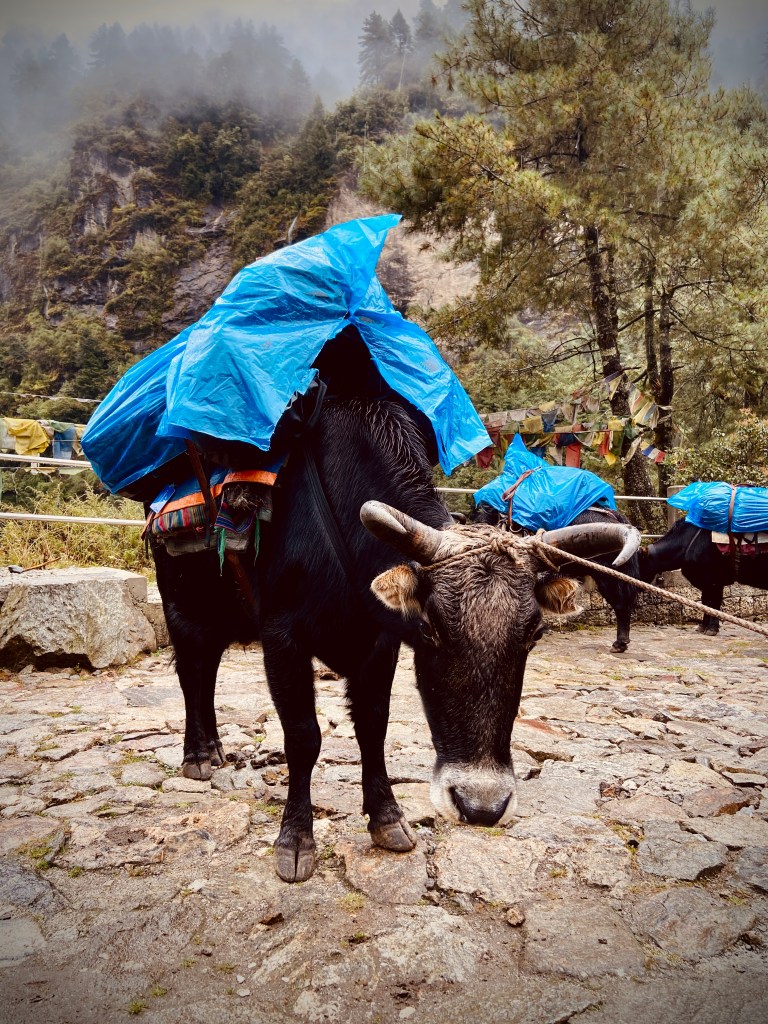
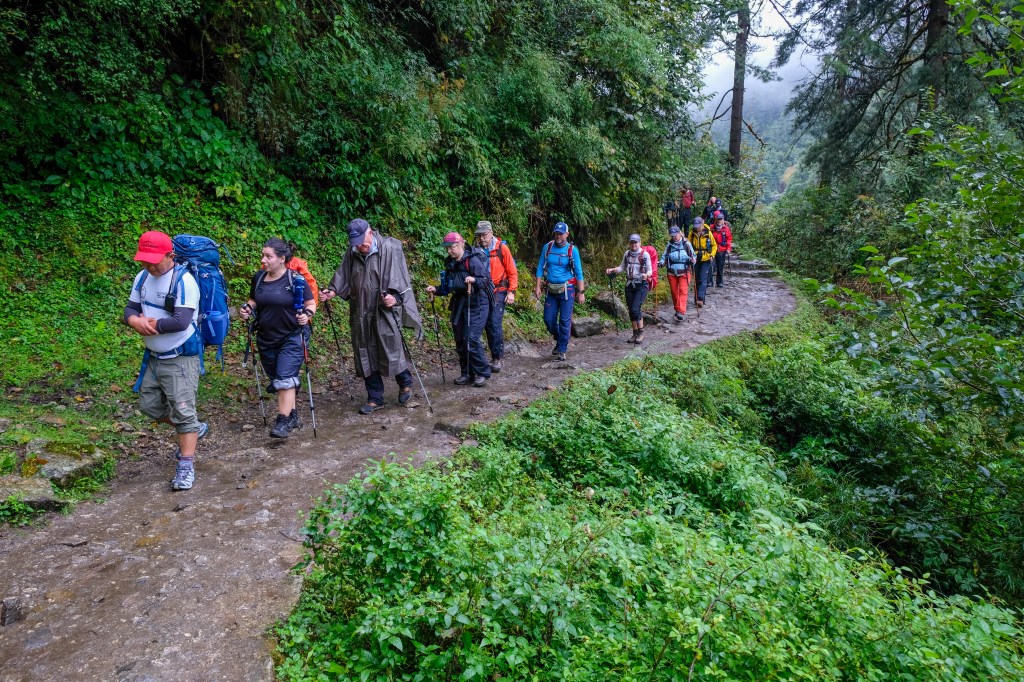
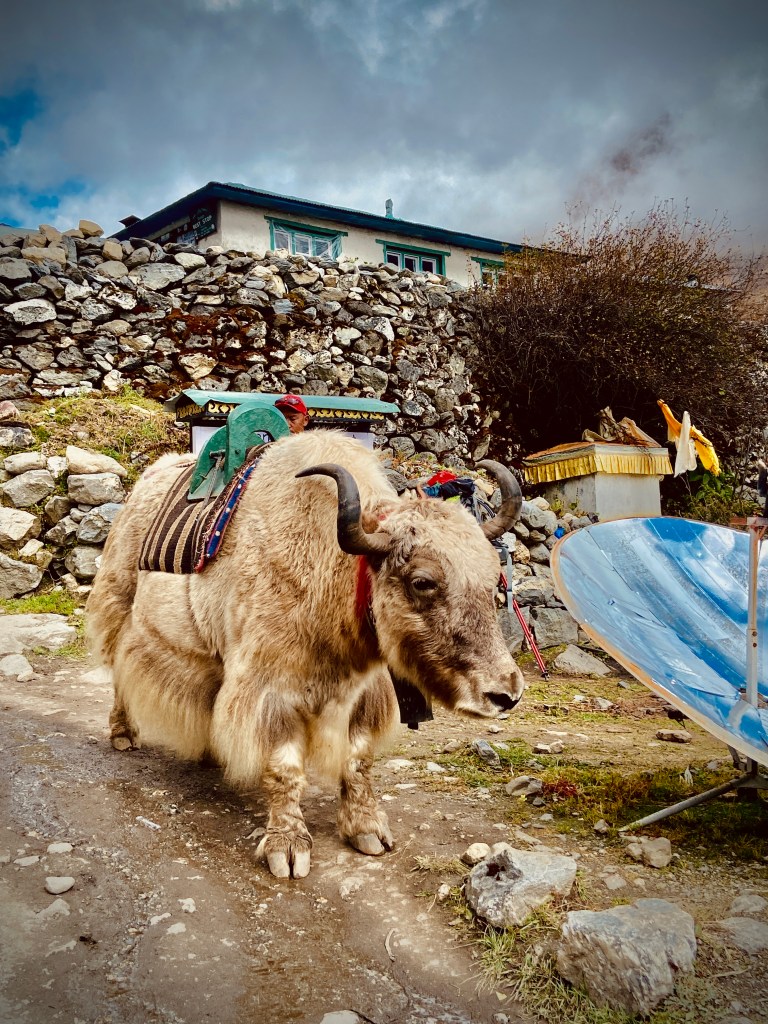
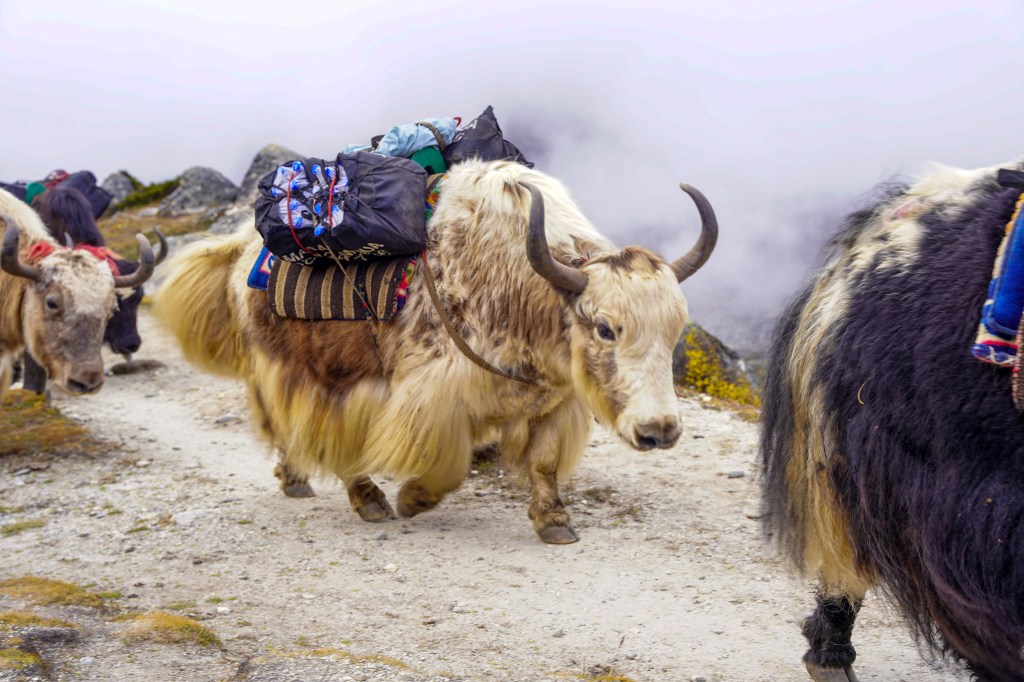
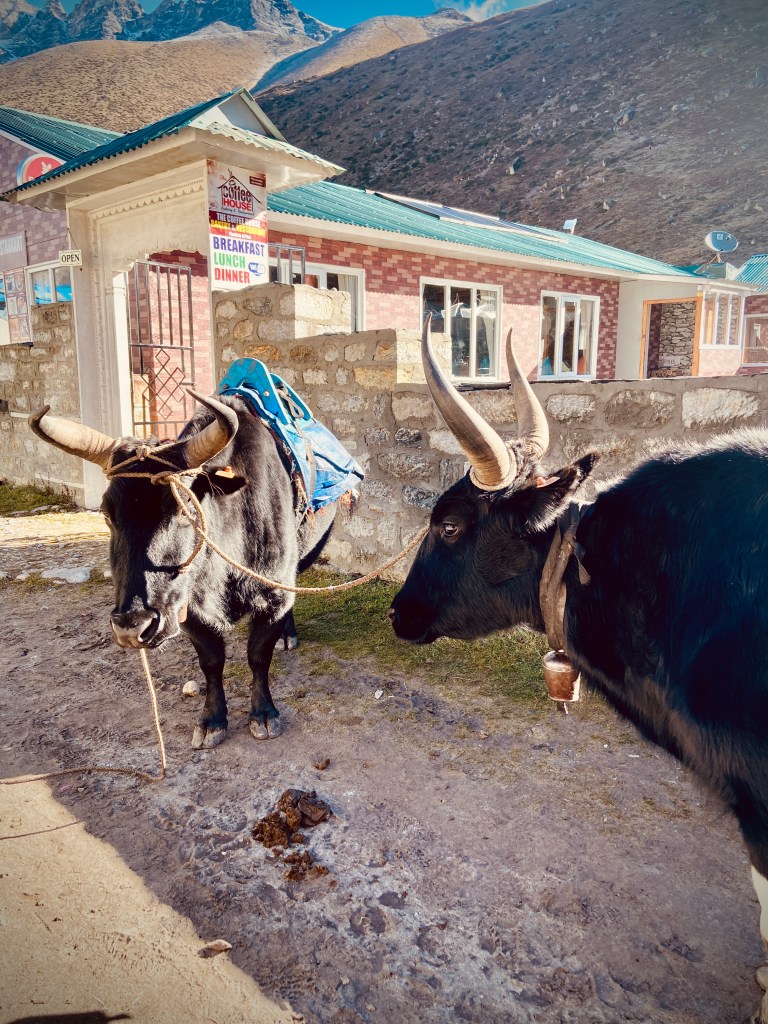
We began walking North through the village. The trail is mostly in nature, although some bits in and out of the villages are paved. But make no mistake, there are no more real roads here. Transportation of pretty much anything is done on the backs of humans and animals, and through air traffic. A yak carrying a new fridge is not an uncommon sight. Neither is a tiny old man with a basket of over 80 kilos tied around his forehead. And a lot of times, the locals are running up and down the mountains in flip-flops. Not everyone has the fancy trekking gear…
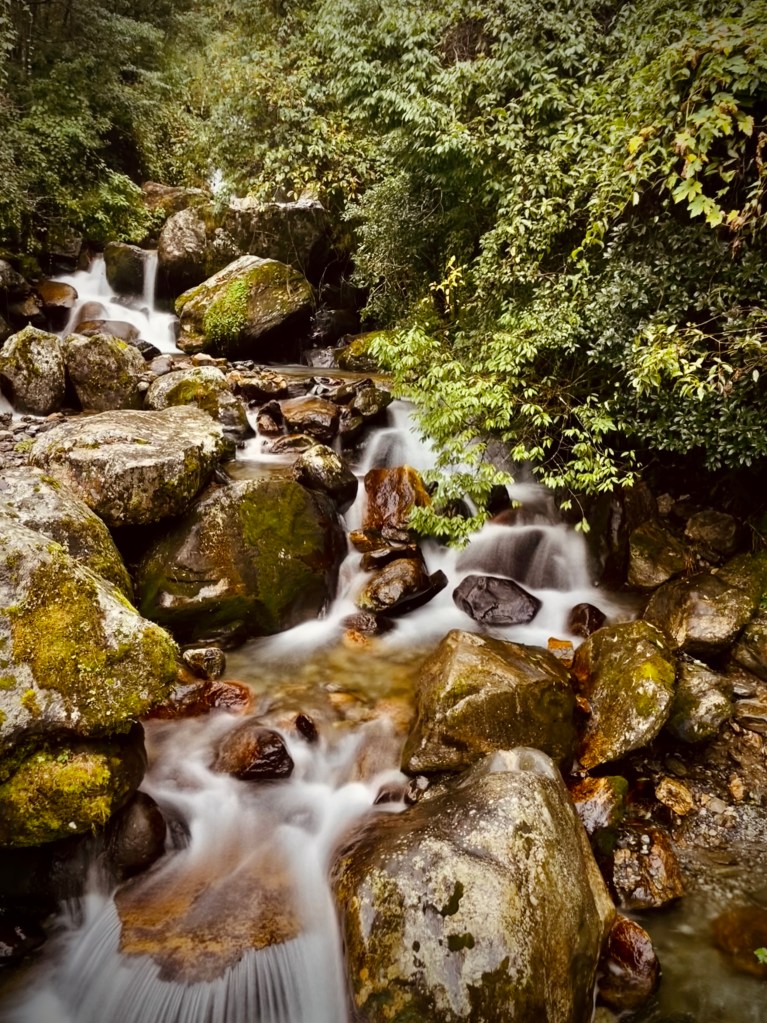
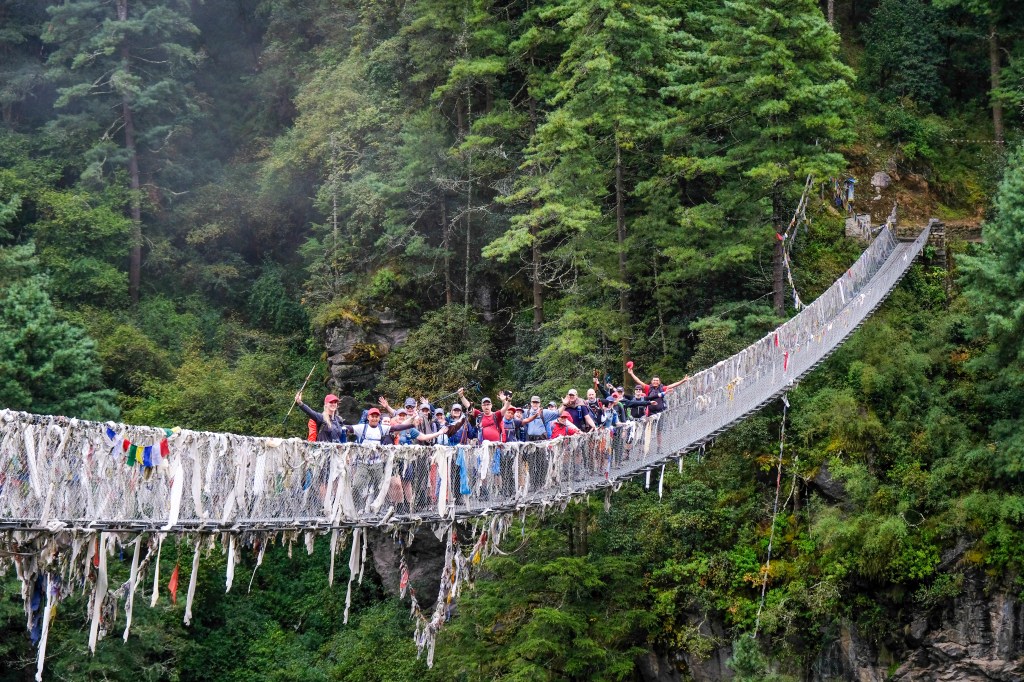
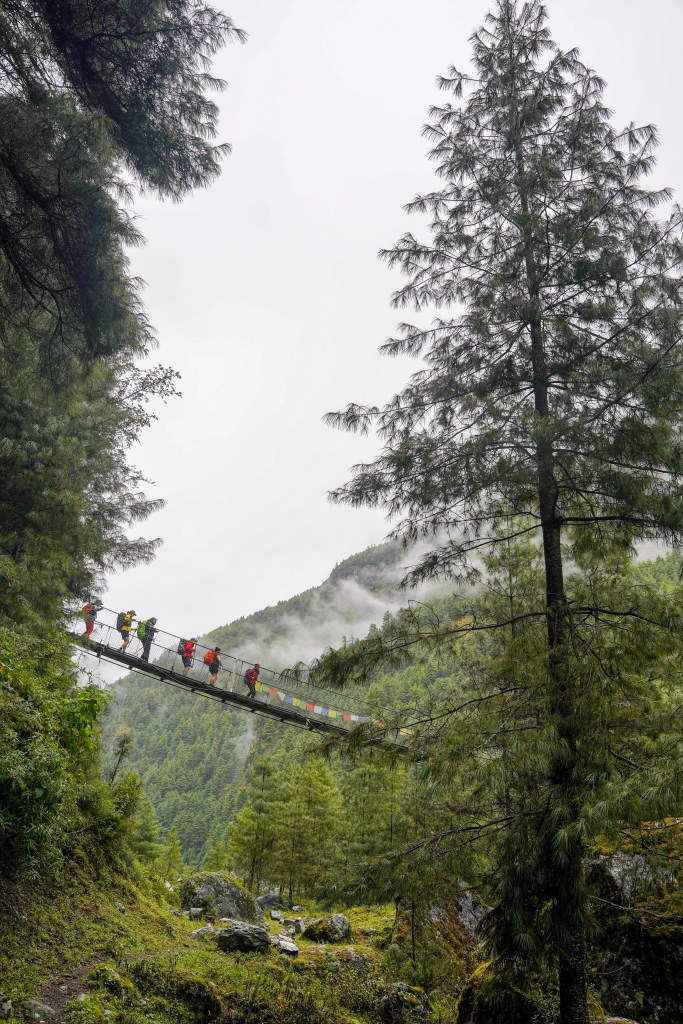
A relatively gentle descent toward the Dudh Koshi River, led us through pine forests and a series of suspension bridges before we reached Phakding at 2610 metres. Lovely dinner, settling in with my roomie Matilda, good times at the teahouse. But it’s a bit deceiving to start downhill, because it gives you the impression that the trek is going to be easy. Hah!
Day 2 • Phakding to Namche Bazaar
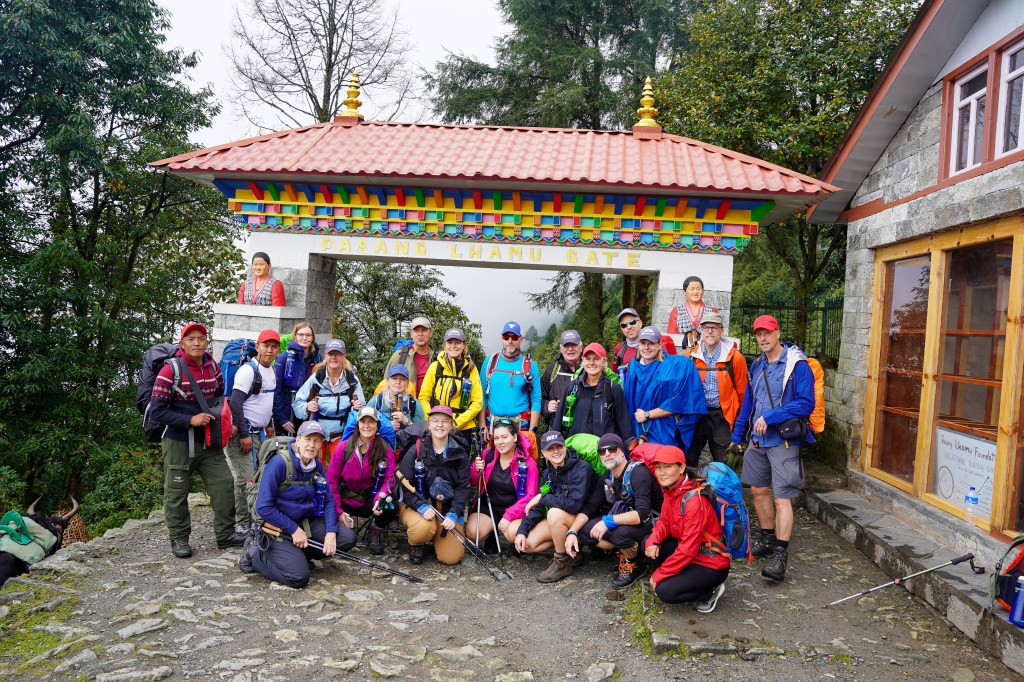
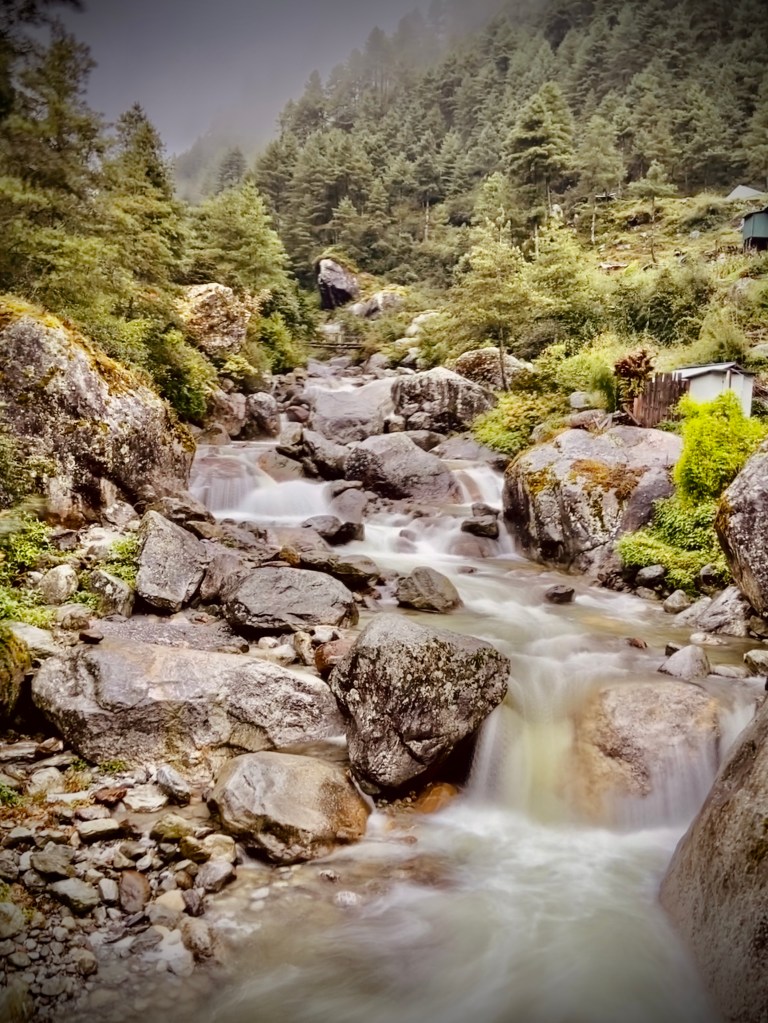
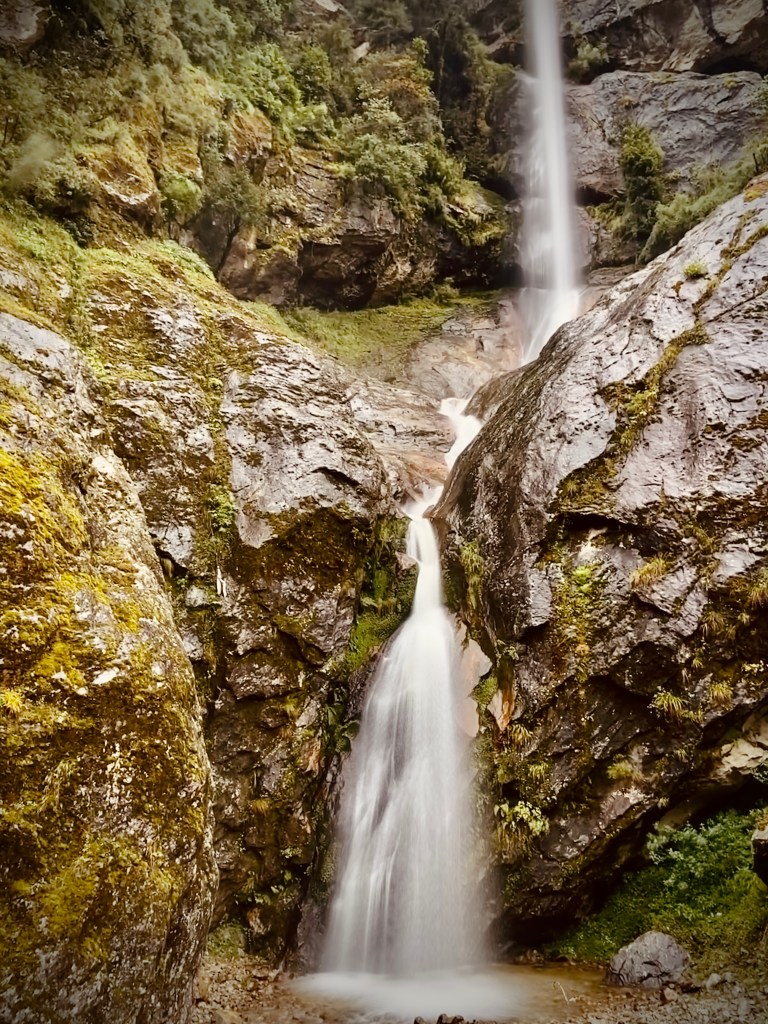
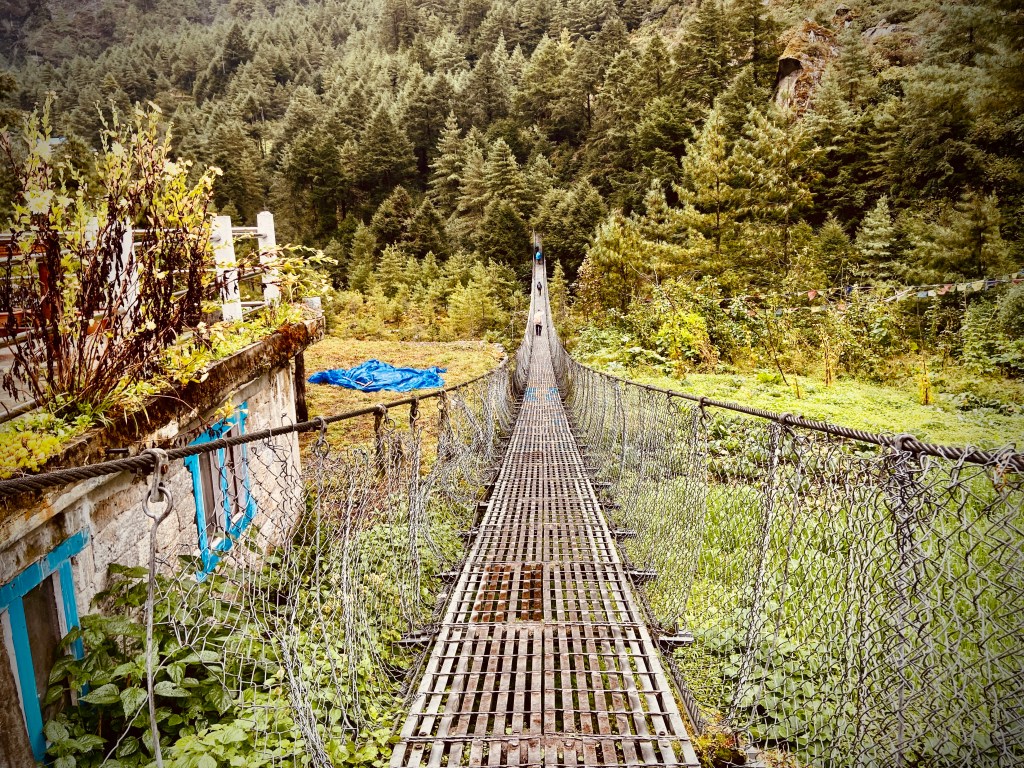
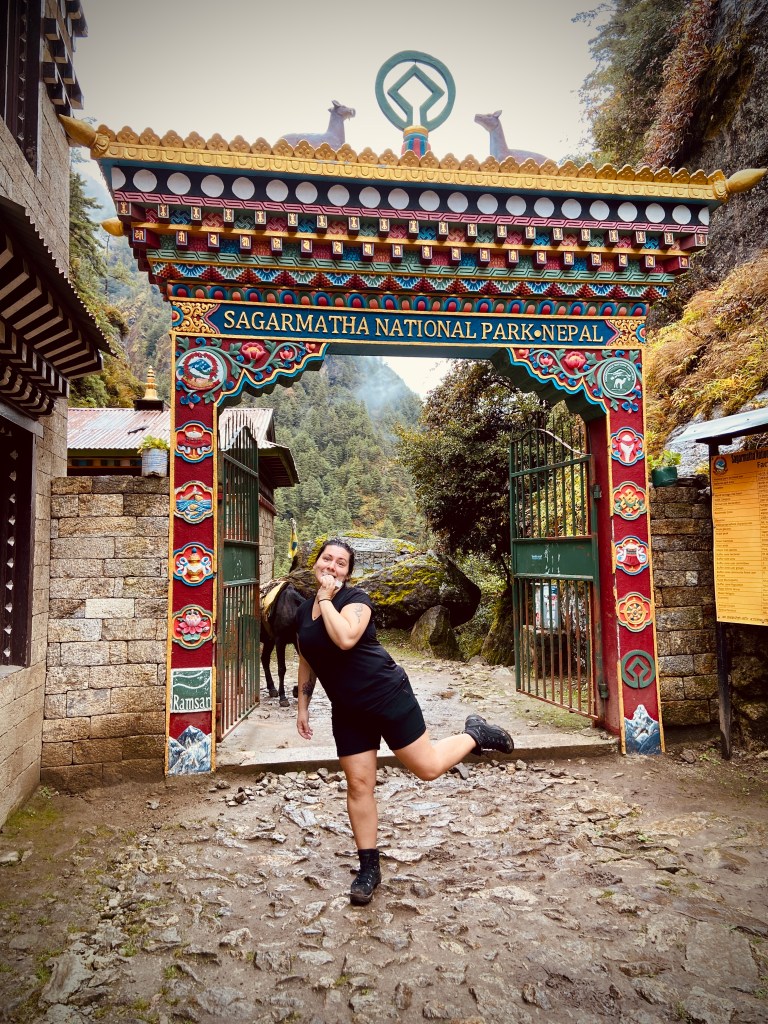
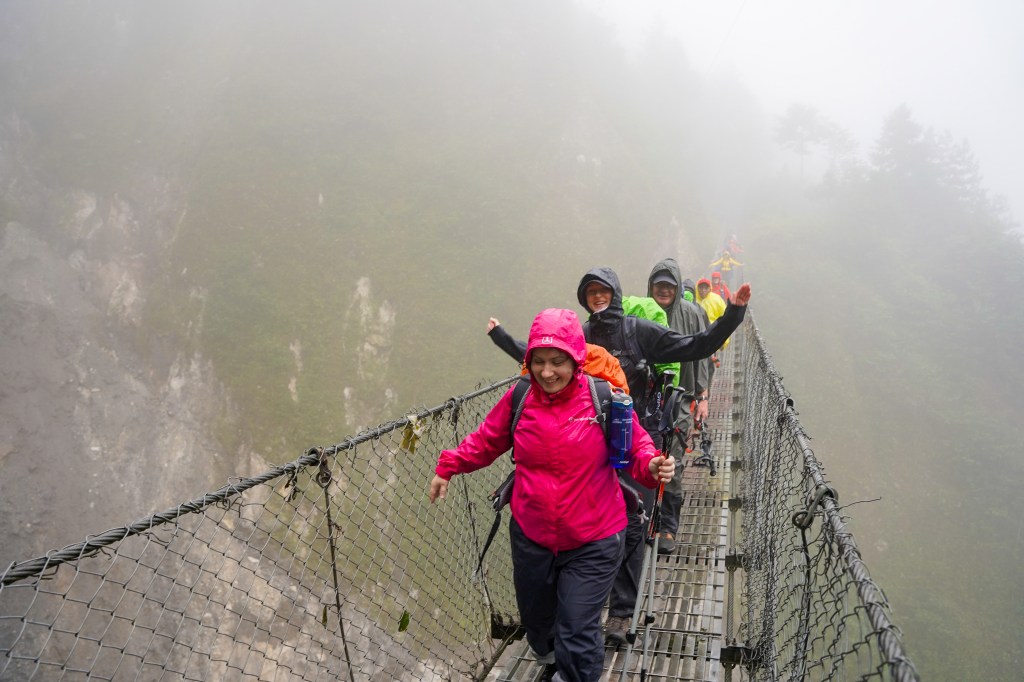
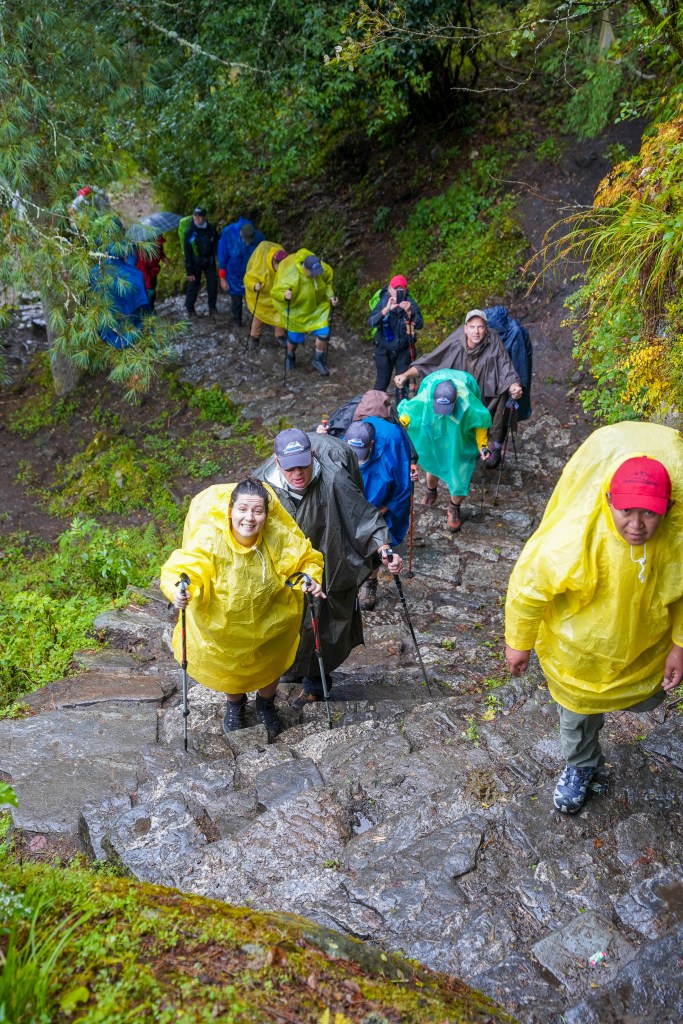
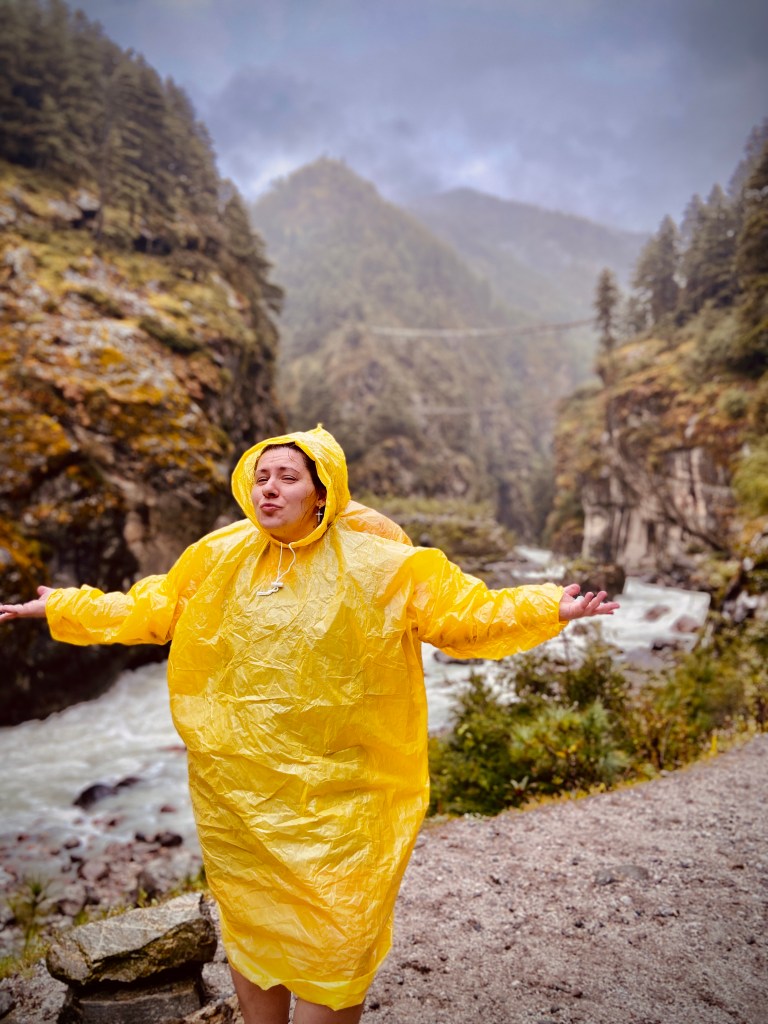
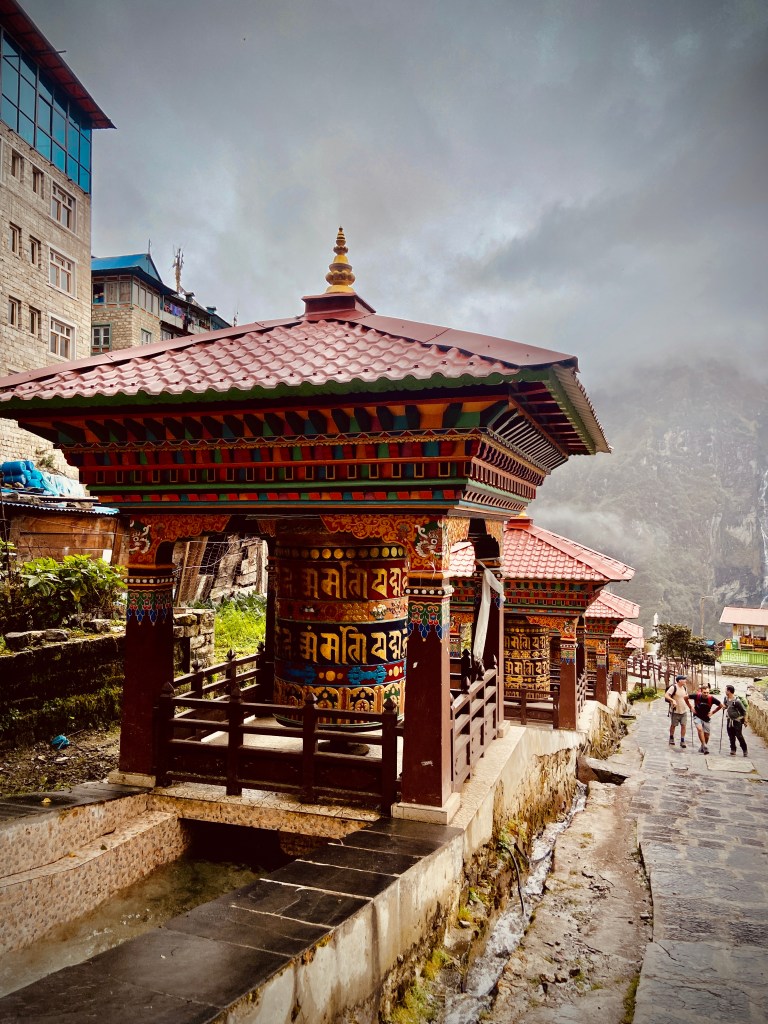
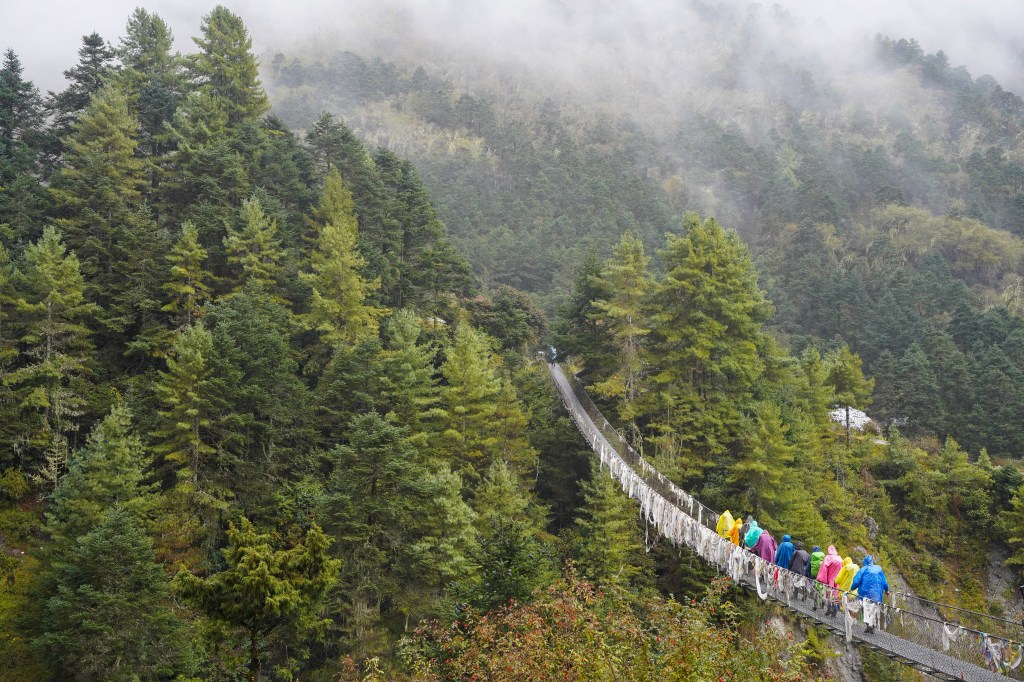
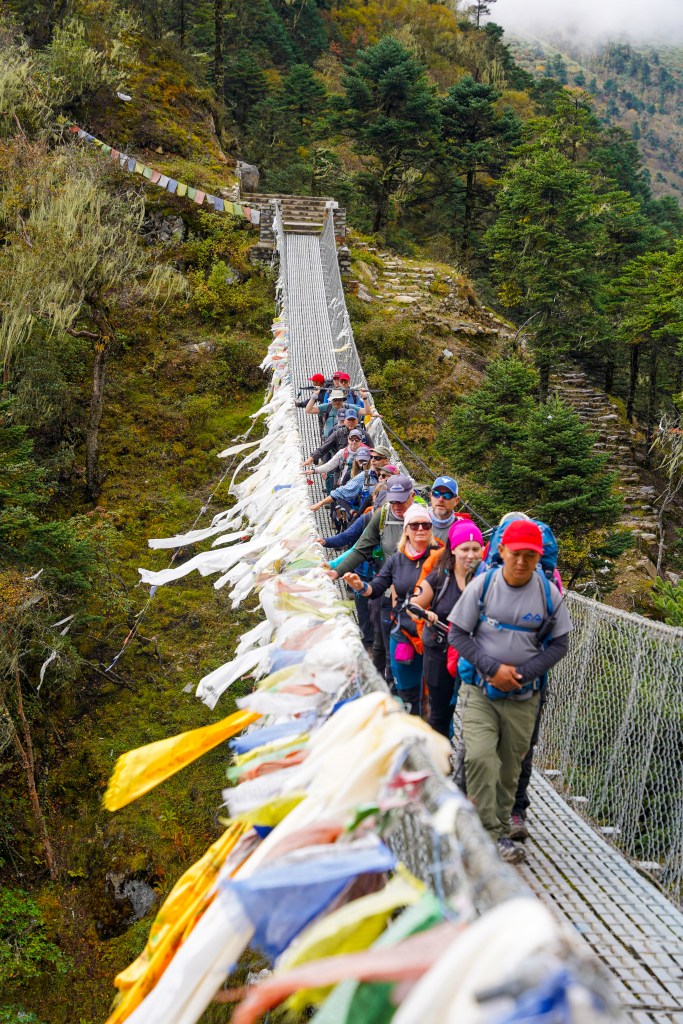
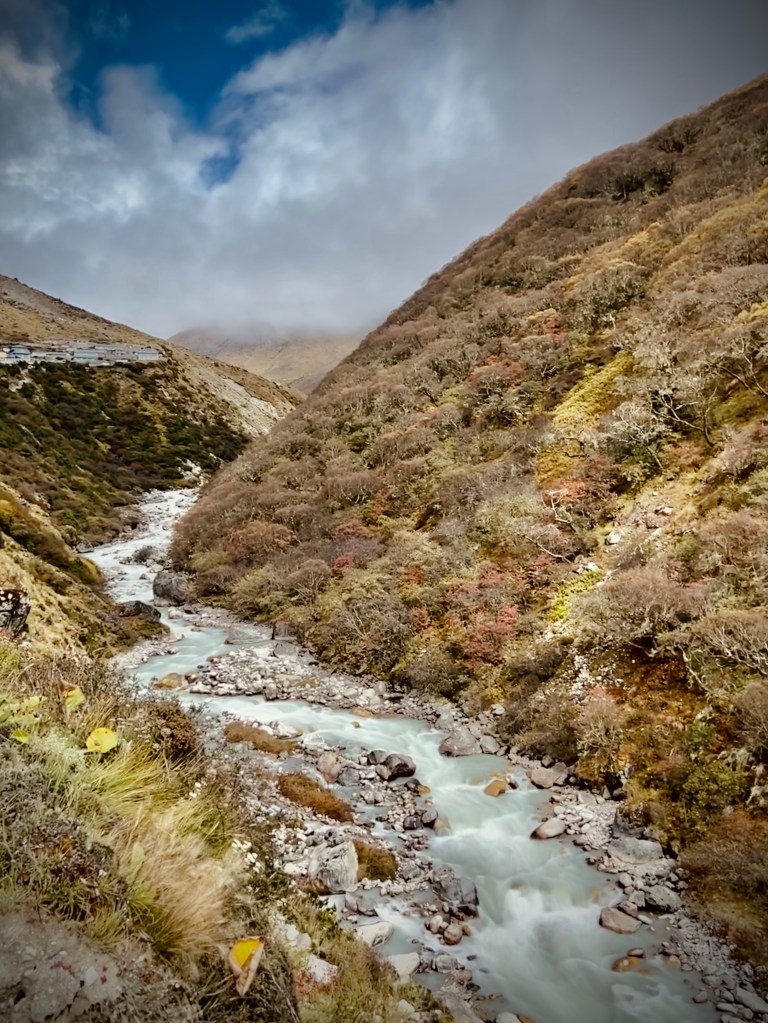
After one of many hearty breakfasts to come, we made our way along the river, passing small villages and farmland. After crossing several suspension bridges (they’re wet and wobbly, and in some cases absolutely terrifying), we entered Sagarmatha National Park, with our guides handling the permits. Sagarmatha is the local name for Everest. And the mountain is female. A good thing about the area is that although it’s not mandatory, trekking with local guides is recommended, and there are fees to be paid, which help boost the economy and the preservation work. The National Park has suffered a great deal from tourism, people went by themselves and sometimes got lost, lots of garbage ended up in nature, but in recent years, measures have been taken to protect it.
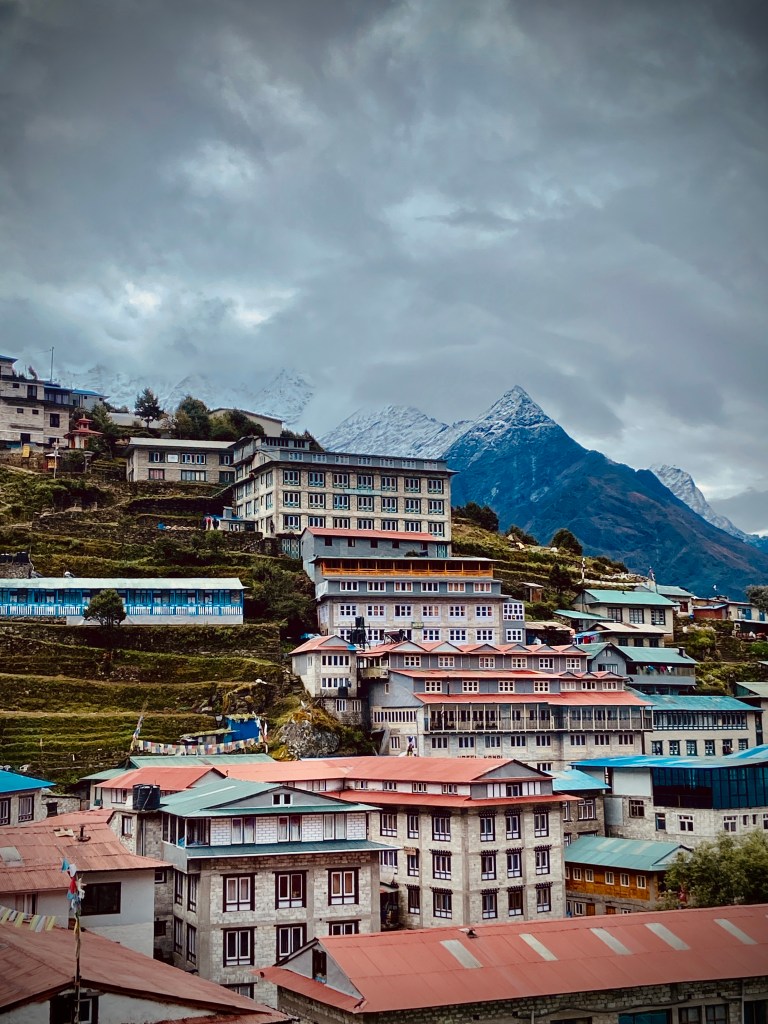
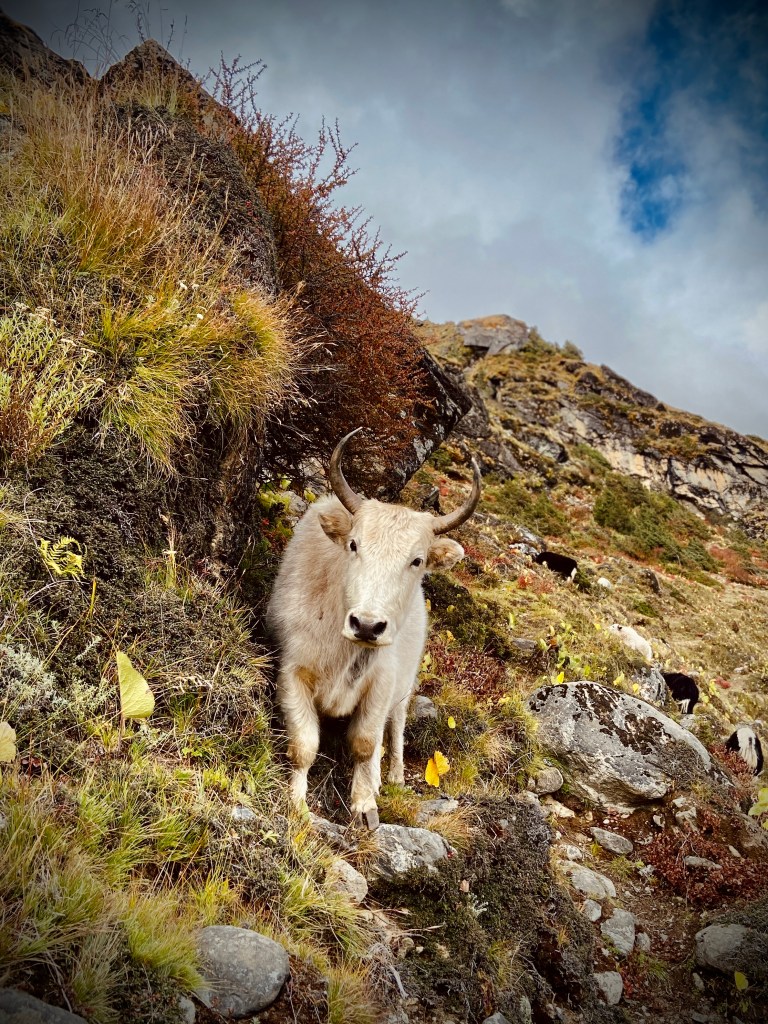
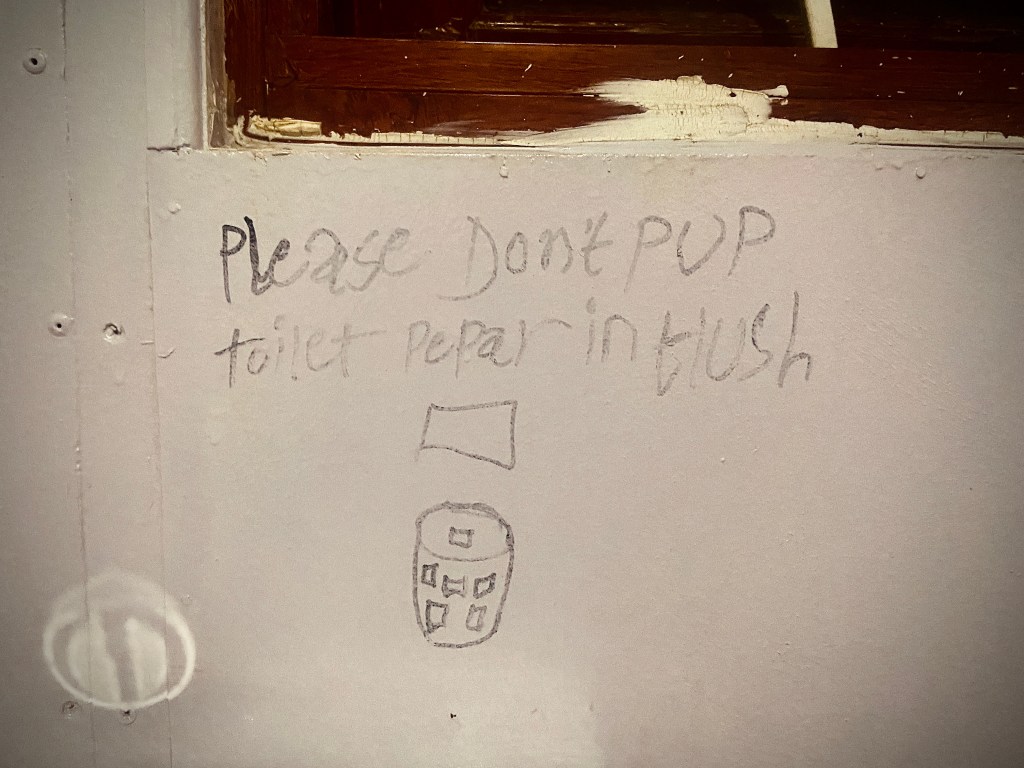
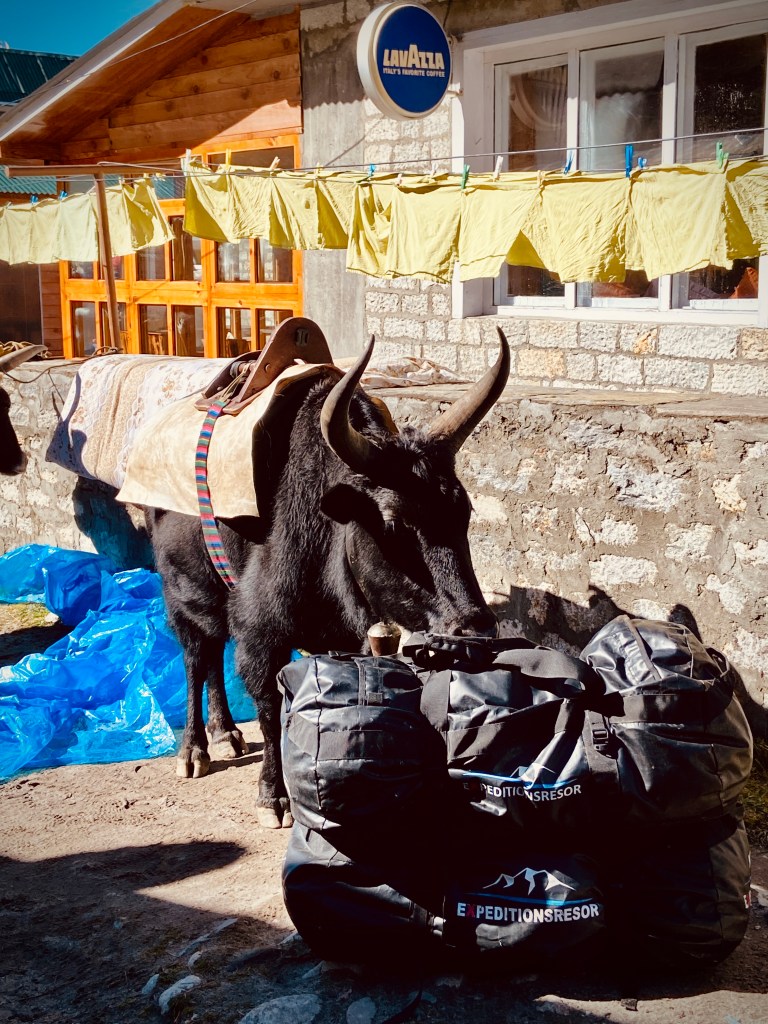
From Jorsalle, a nice stop for tea and something sweet, the path followed the valley floor before the long climb, especially steep after the Hillary Bridge, brought us into Namche Bazaar at 3440 metres. This last bit was a pain for me. Because of pms, I felt like throwing up for many hours, so one of the Sherpas had to carry my backpack. Cue in an equal amount of shame and gratitude. In Namche, the “capital” of the area, we checked in to our teahouse, which naturally was located high and far away. This would be the pattern of the whole journey, just when you think you see the light at the end of the tunnel, it turns out the tunnel is about twice as long and you have to schlep yourself juuuuust a little bit longer to make it. Luckily, our backpacks only contained the absolute necessary for walking, while the rest of our luggage had been transferred to duffel bags carried by yaks. Very important thing to carry: the gold of the Himalayas, toilet paper!
Day 3 • Acclimatisation in Namche, climb to Sagarmatha Next
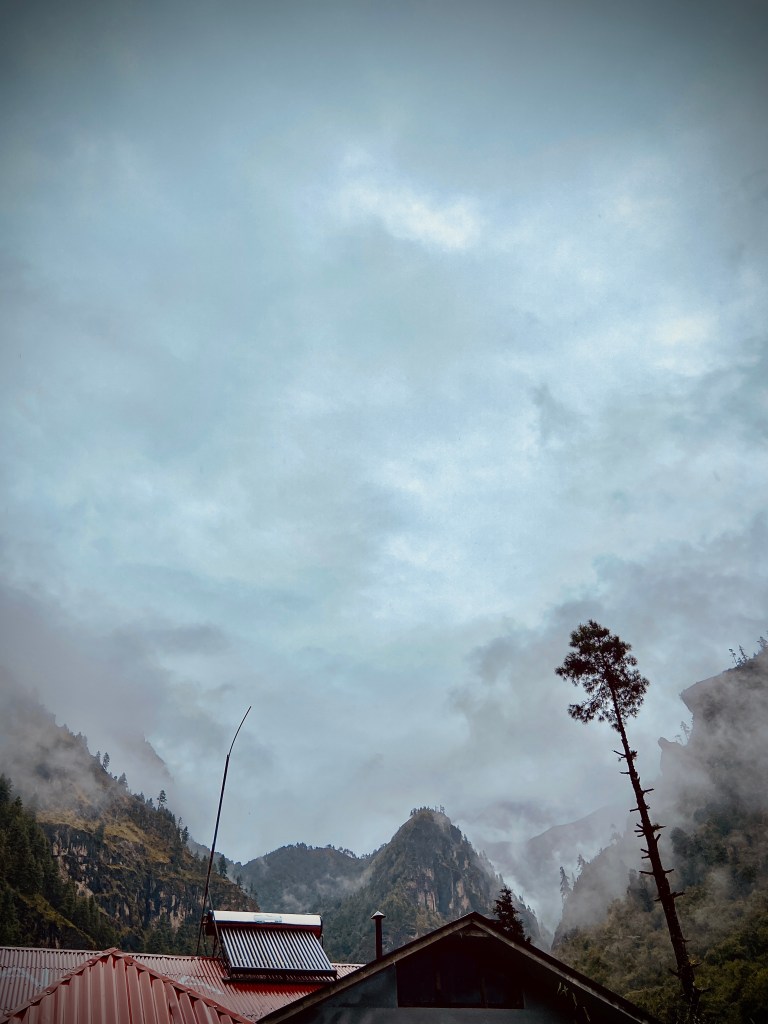
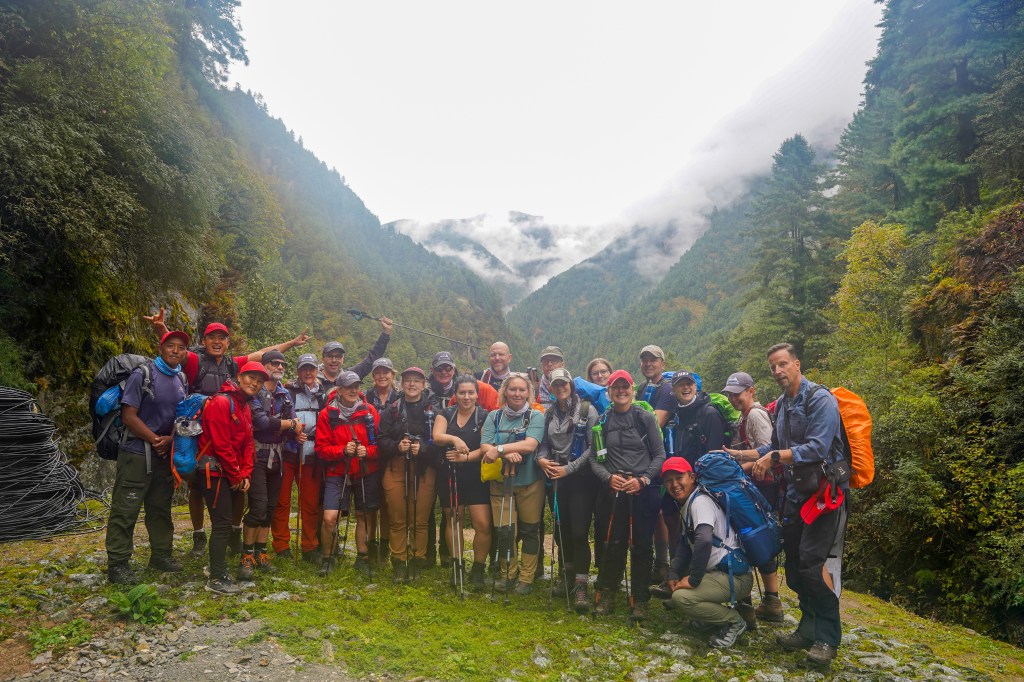
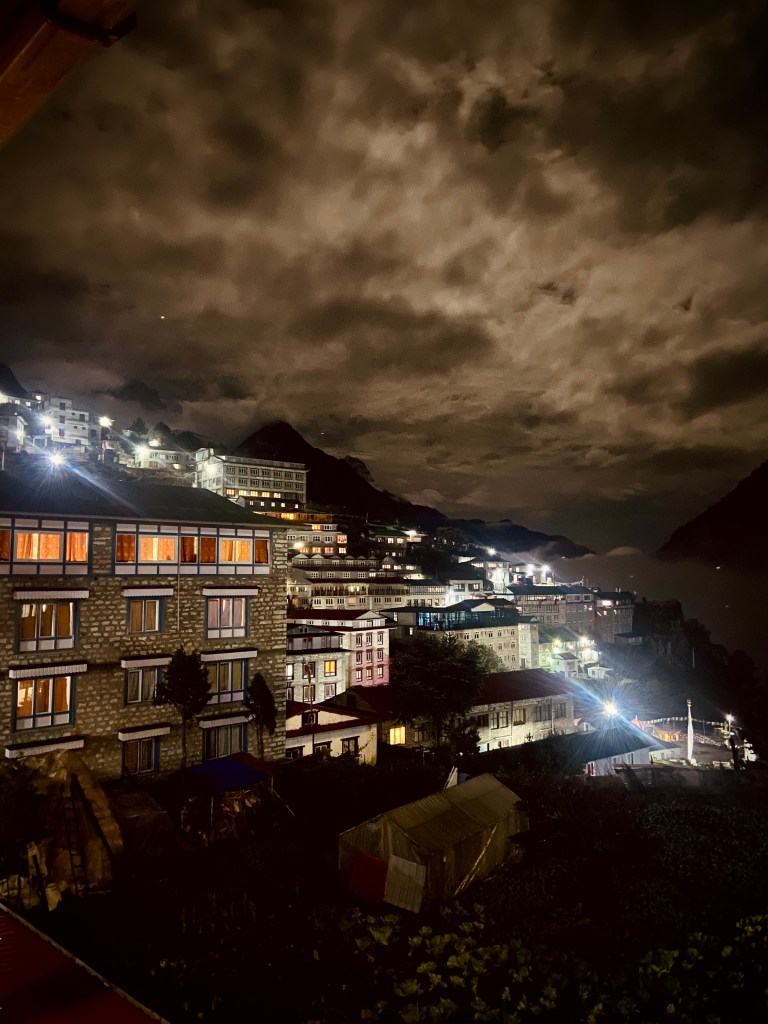
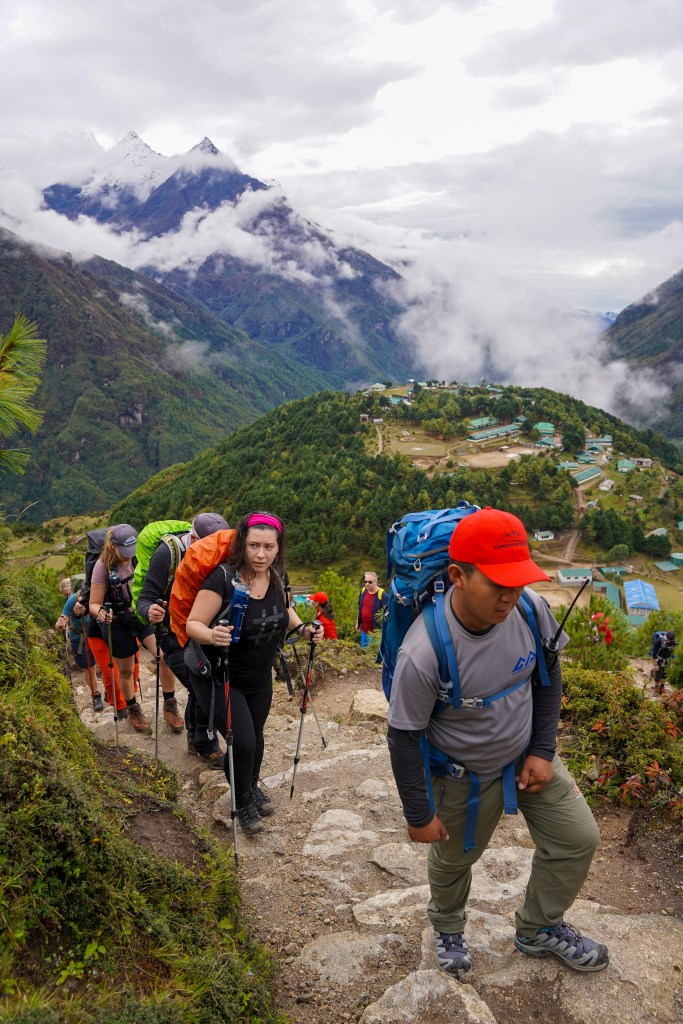
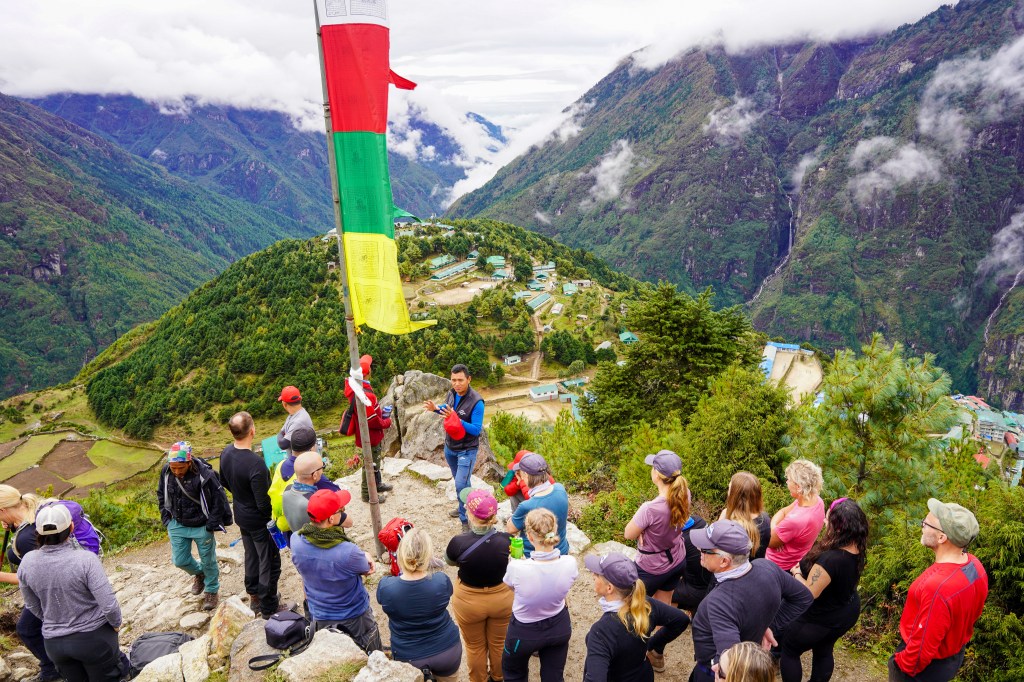
We spent the day acclimatising, following a steady trail above Namche. This is required in order to get the body used to high altitude. You have to do a day-hike somewhere above the town, to push your legs and lungs, and then return to sleep in the town so that you give the body a break and allow it to function properly at the altitude. I’ll just complain about all the steep steps here already: there are lots of them and it’s no fun. There. Done.
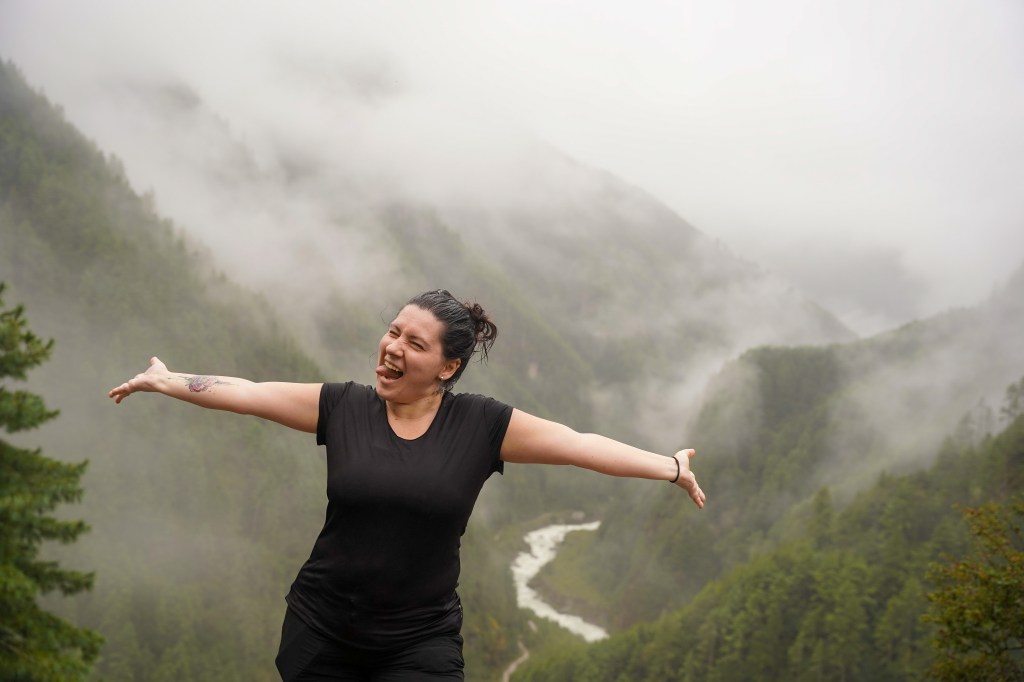
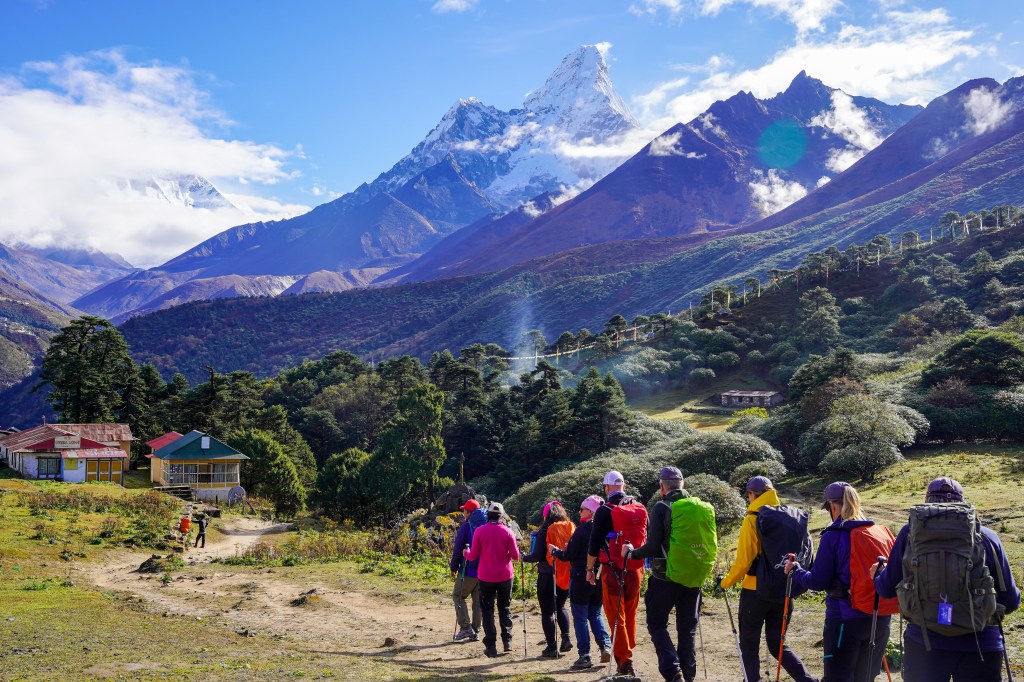
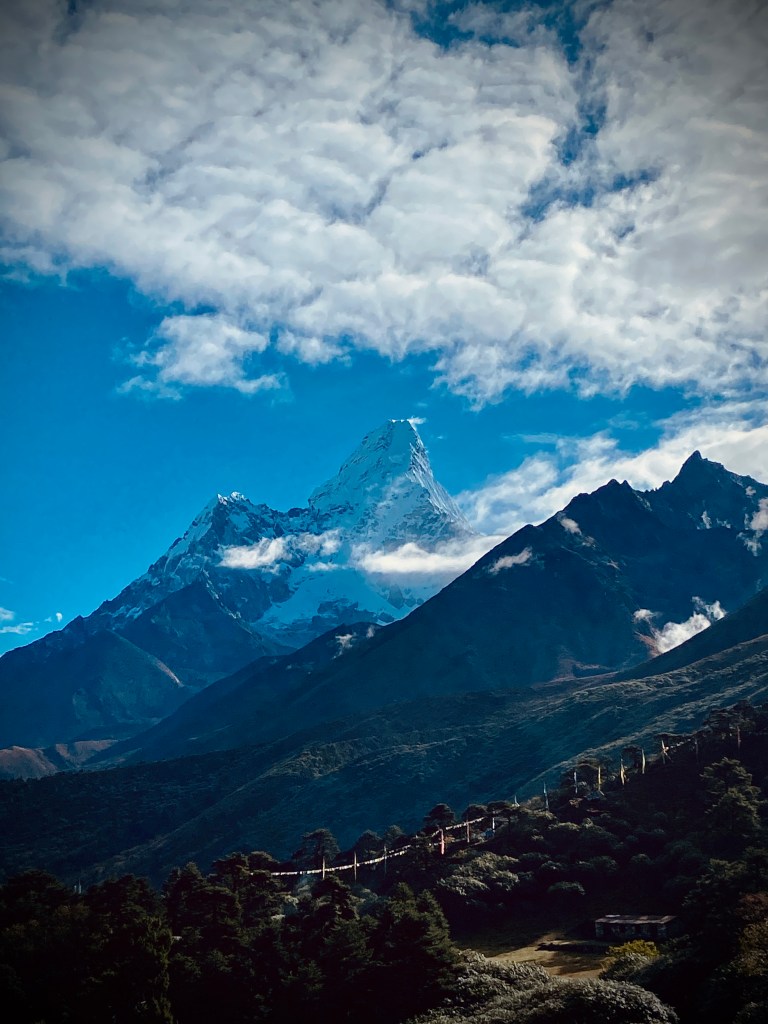
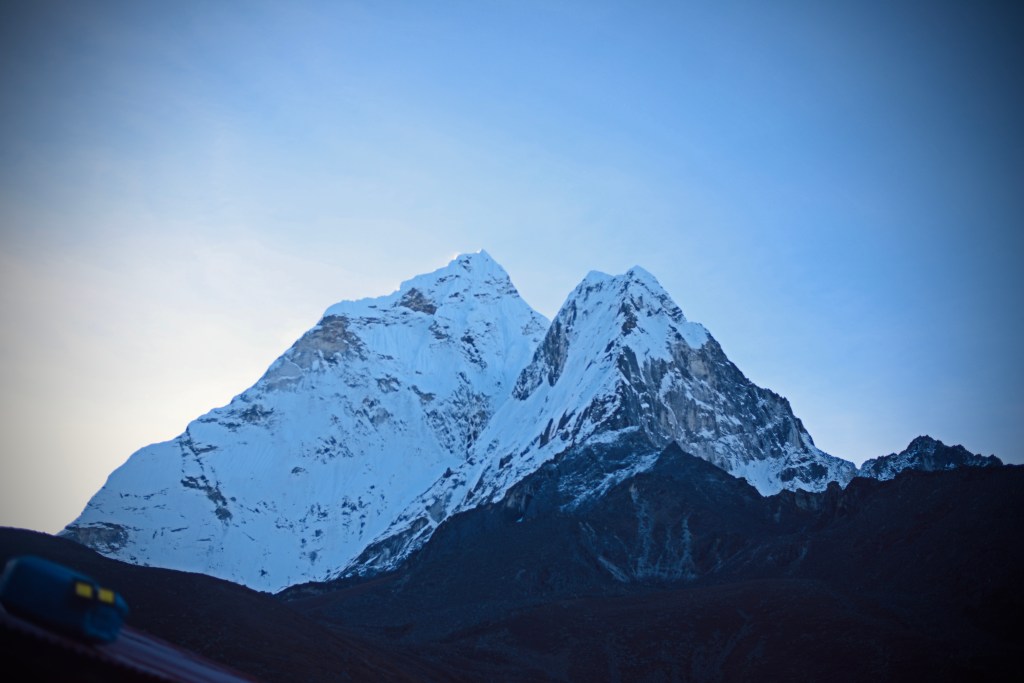
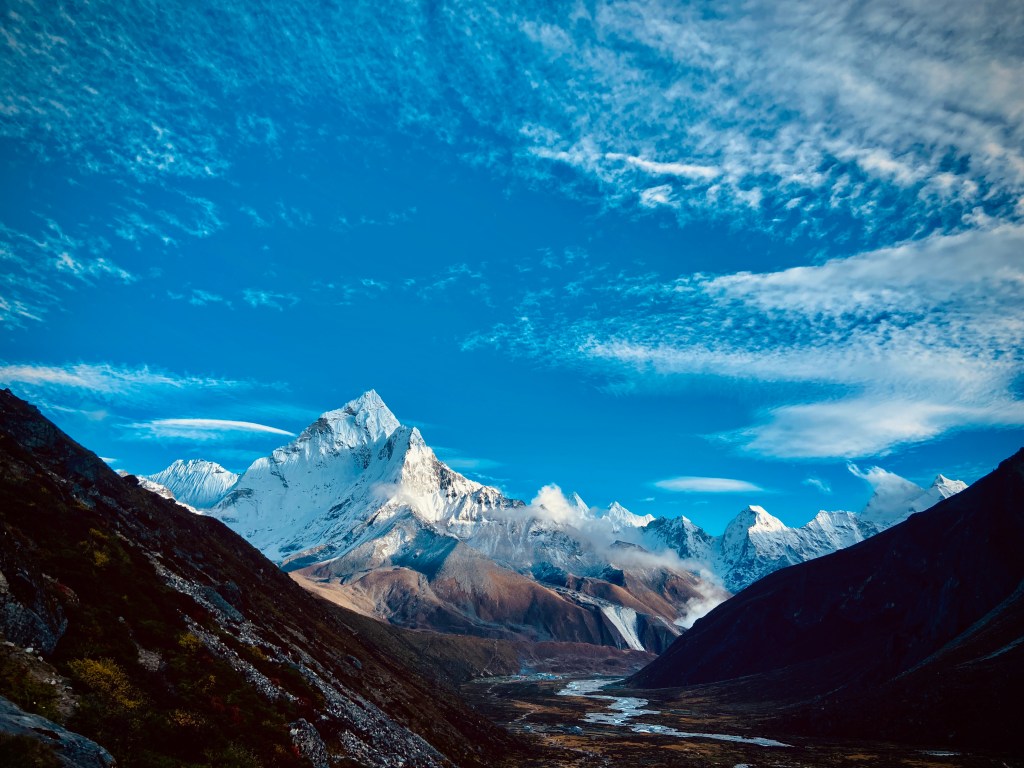
Our guides pointed out viewpoints toward Thamserku and Ama Dablam as we climbed to Sagarmatha Next, although visibility was pretty poor. If you’re there and you feel your head is in the clouds, it’s because it literally is.
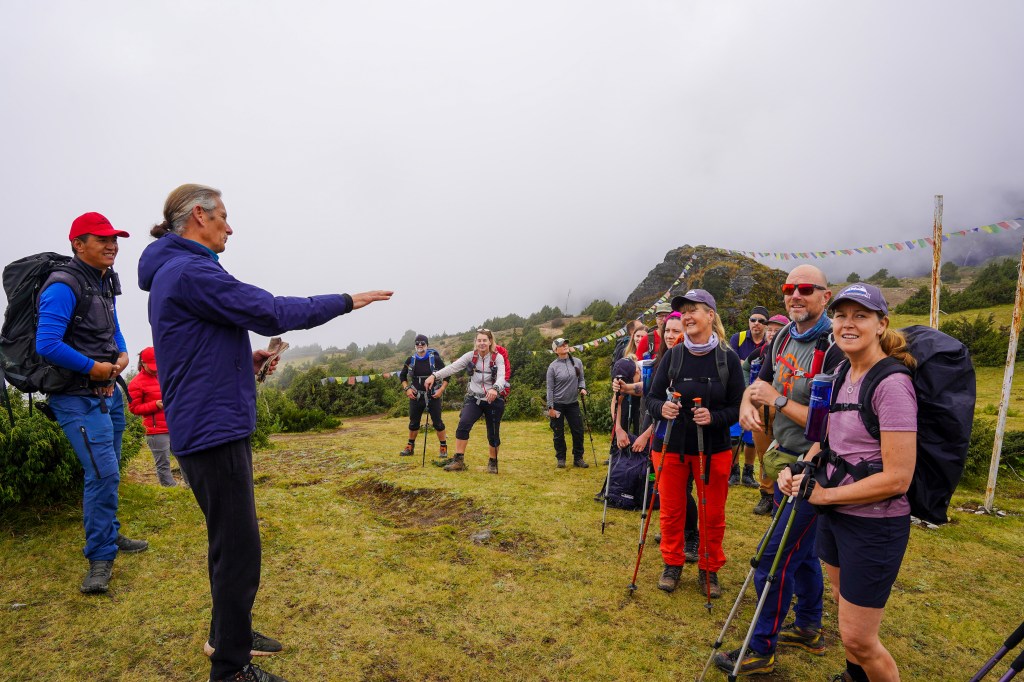
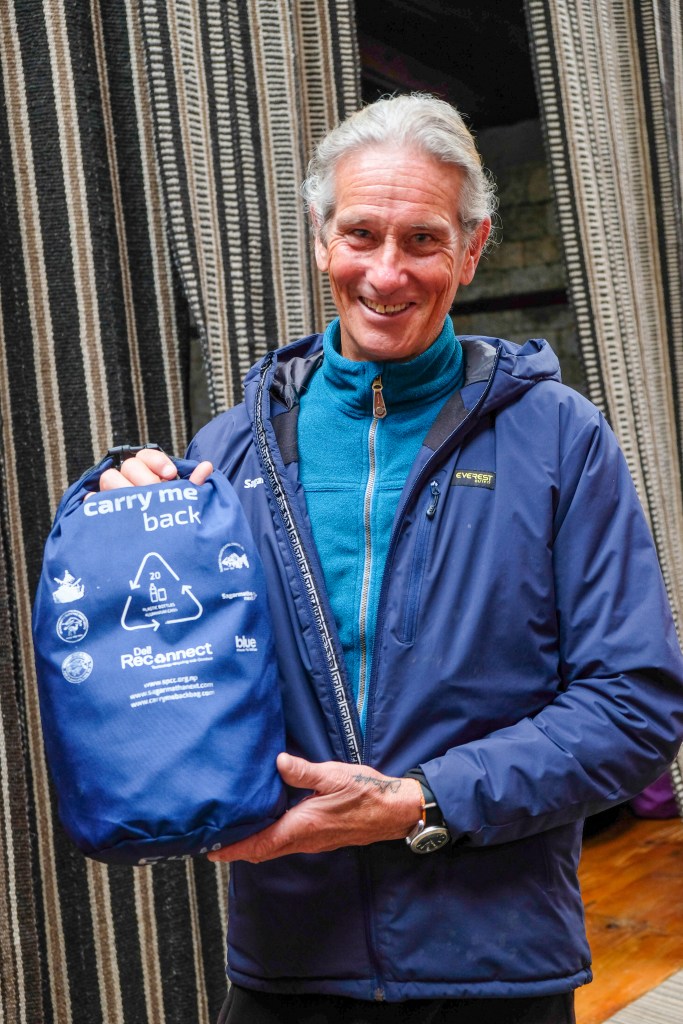
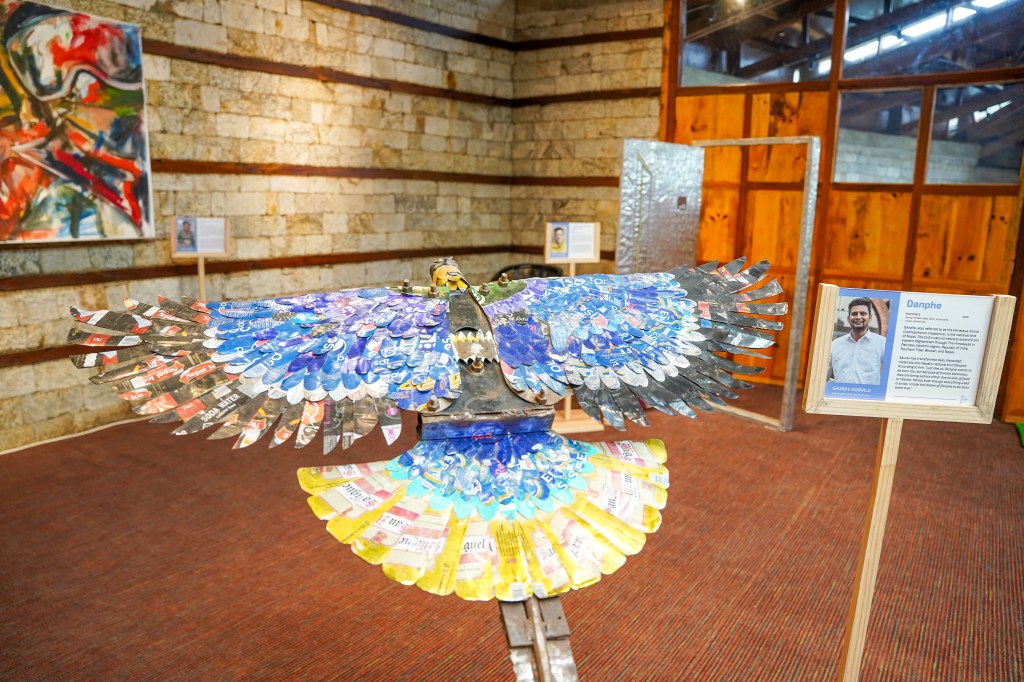
Sagarmatha Next is run by a Swede and his Nepalese wife, and its purpose is to work in an environmentally friendly way in the area. The focus is handling garbage and educating both tourists and locals on sustainability. Garbage – plastic and metal in particular – is collected and turned into art. Artists even have residencies there and you can buy some of the stuff.
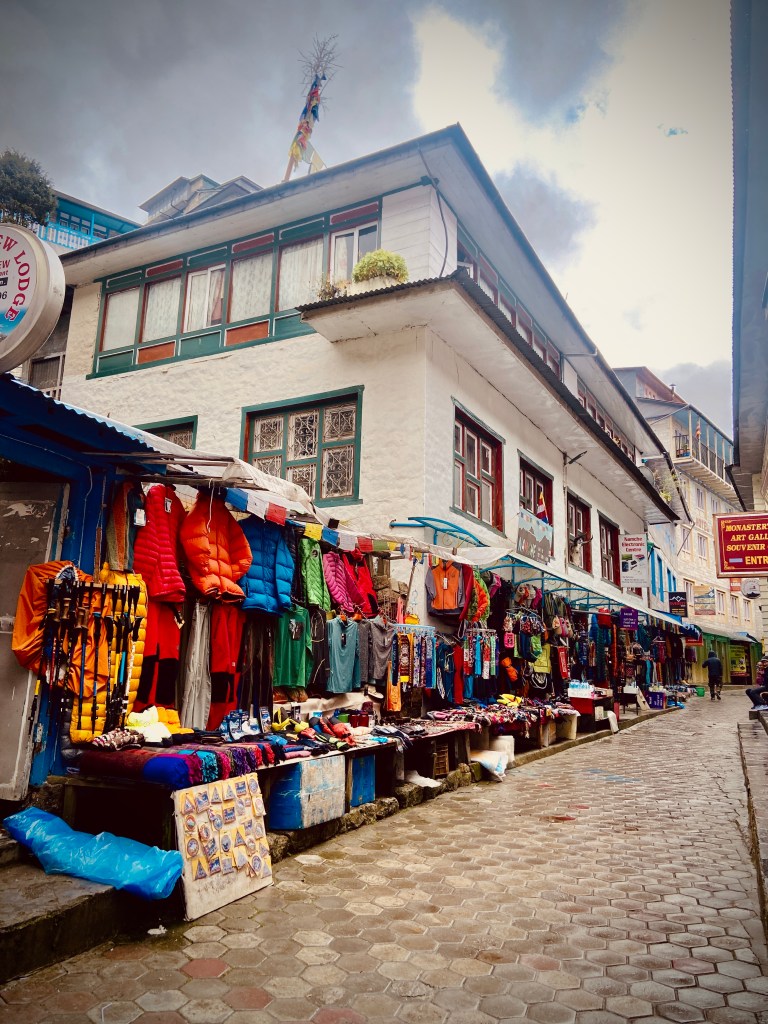
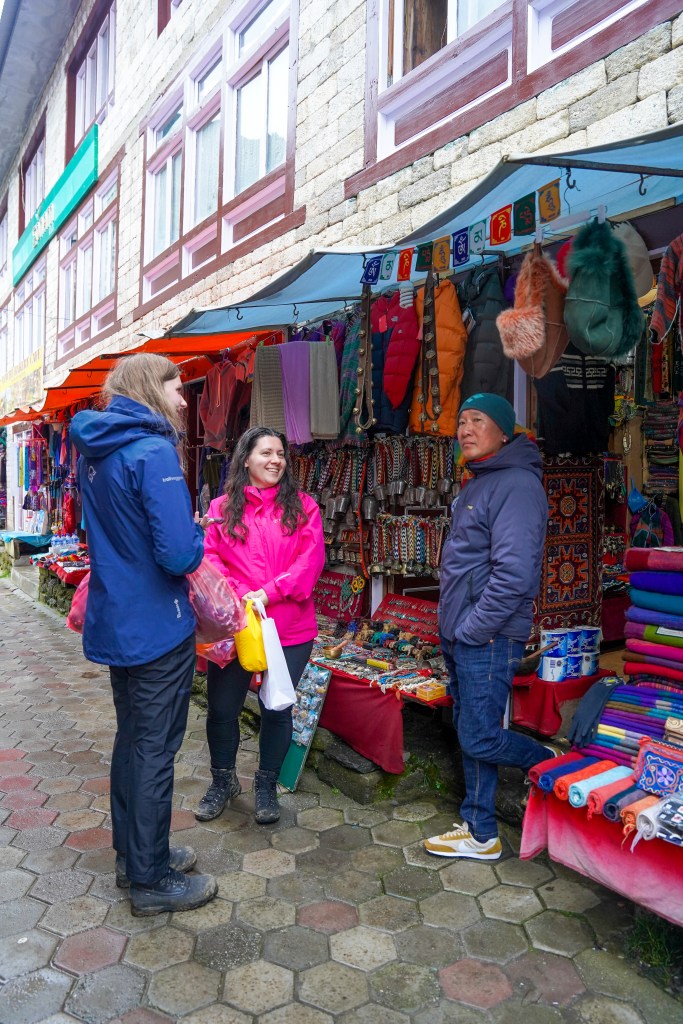
It was a difficult climb, where I started to question what I was doing on this trip, but coming back down to Namche for the night made things better. Namche Bazaar is also great for shopping and, believe it or not, nightlife in the Himalayas. They have great bars, lots of delicious food, awesome souvenirs and a North Face shop which is at the highest location for one. Do I have a North Face T-shirt that says Namche? You bet your booty. Do I also have a T-shirt that says Yak and Yeti? Duh! Matilda and I bought about half of Namche and if it hadn’t been for the weight restrictions, we probably would have continued our shopping spree. It’s not called Bazaar for nothin’…
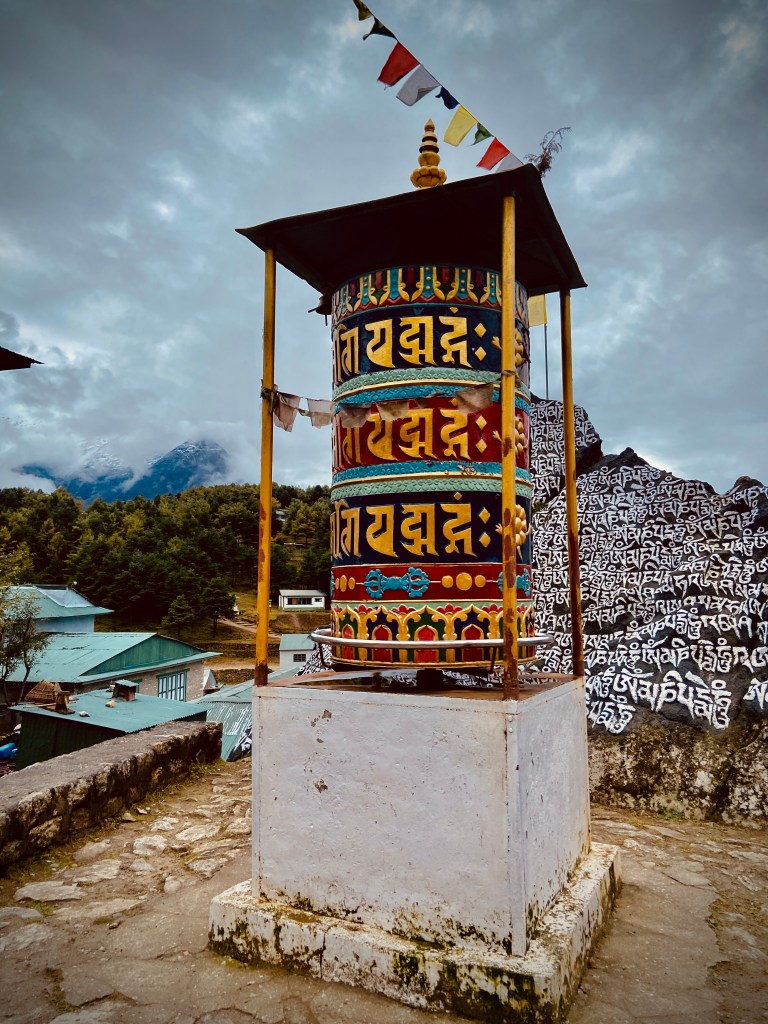
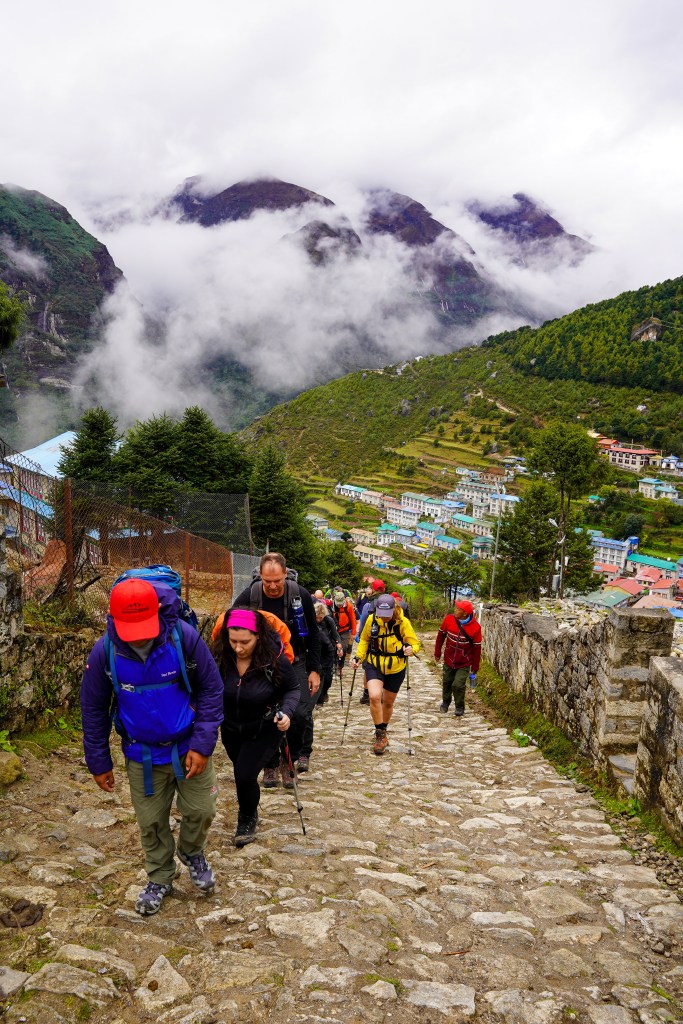
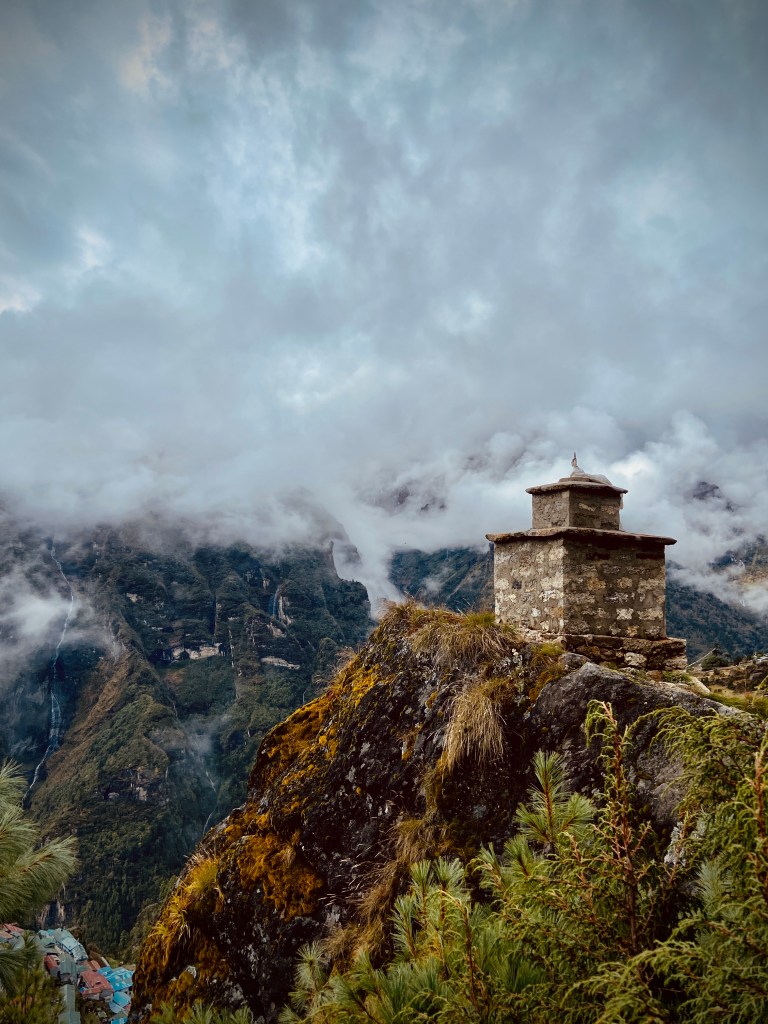
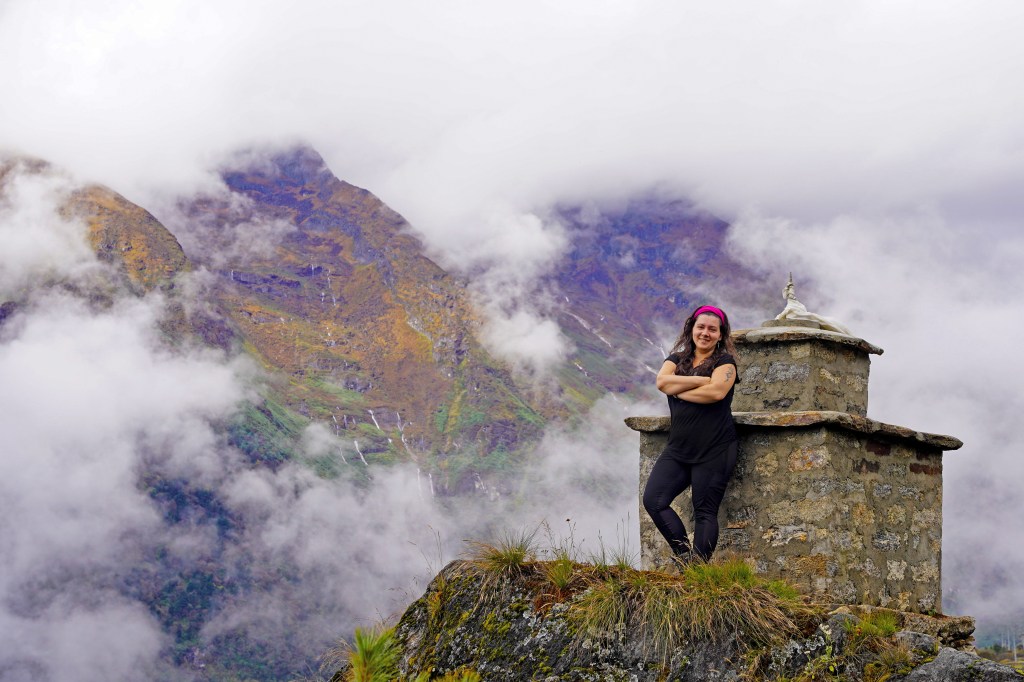
Day 4 • Namche to Tengboche
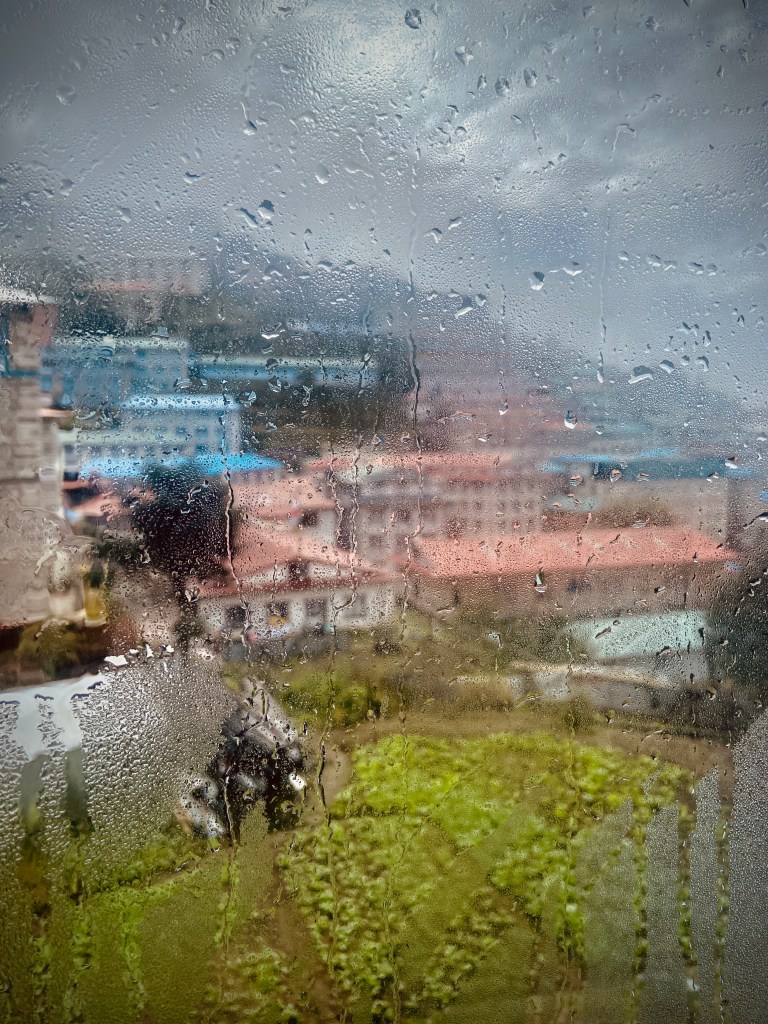
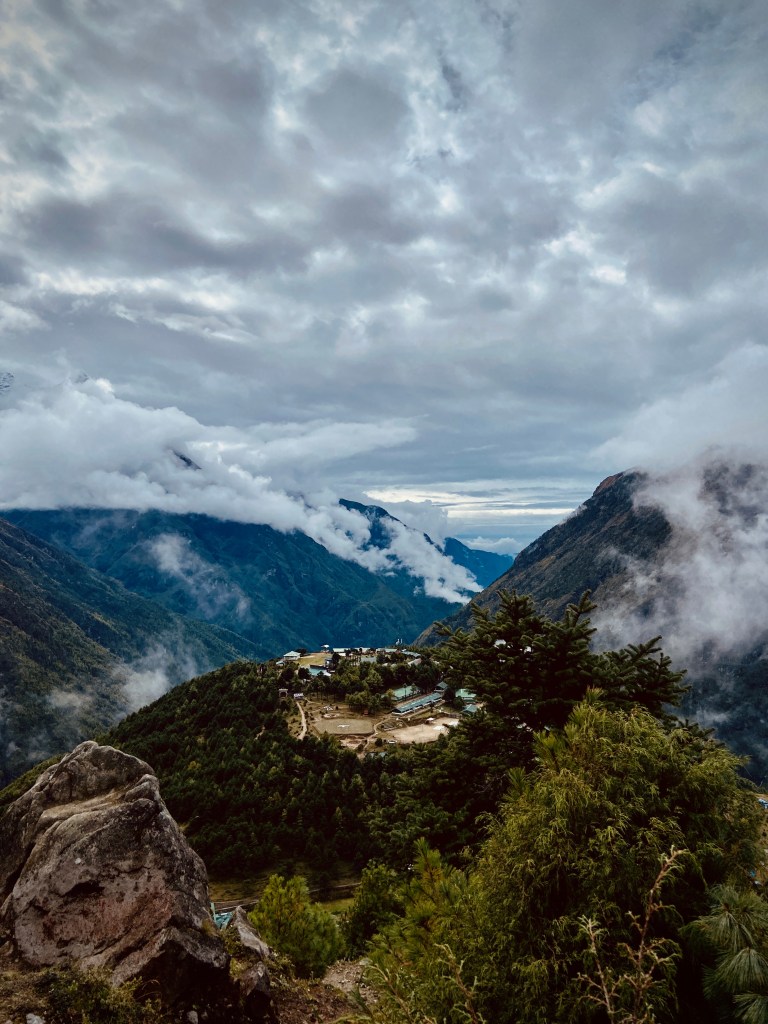
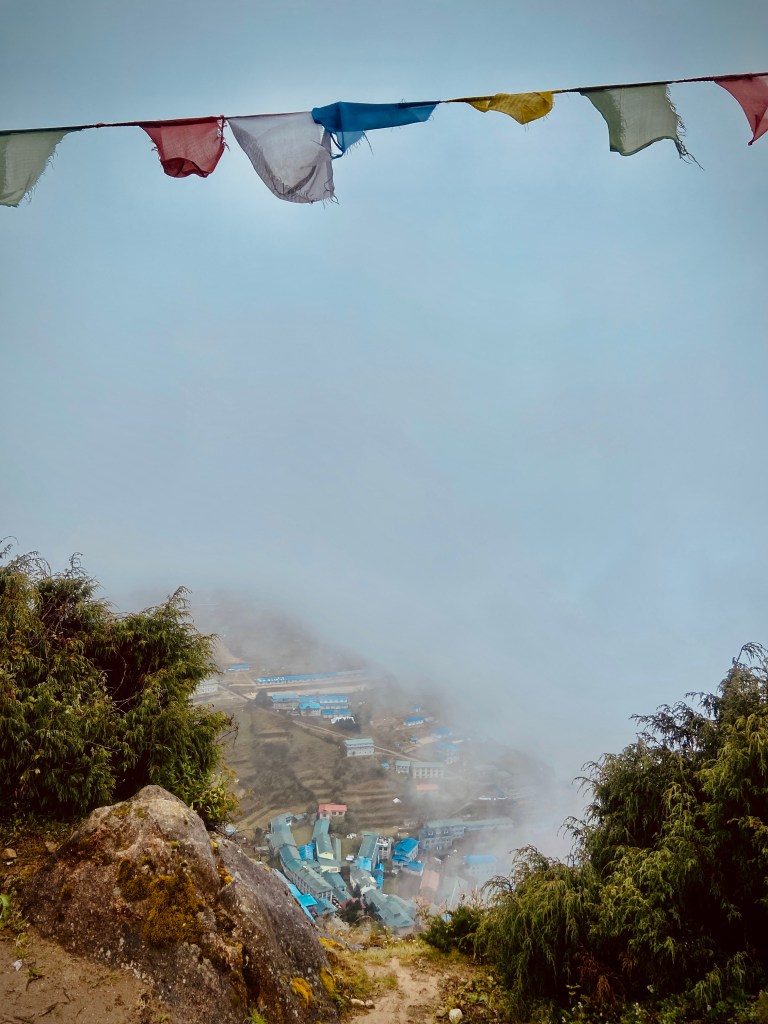
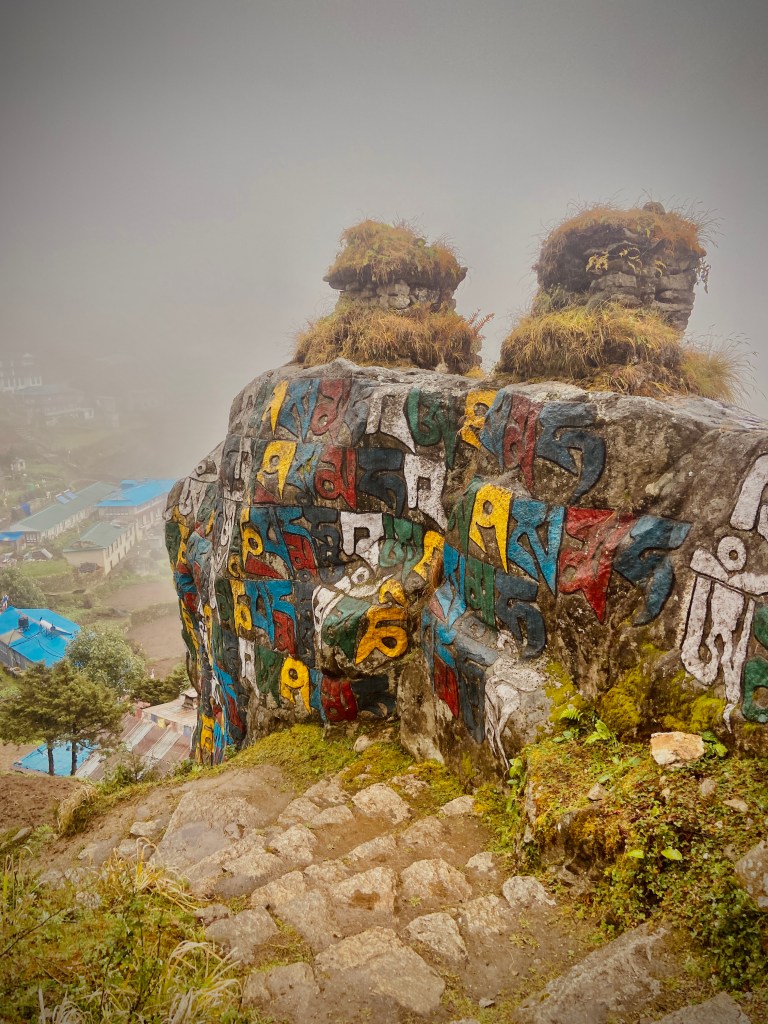
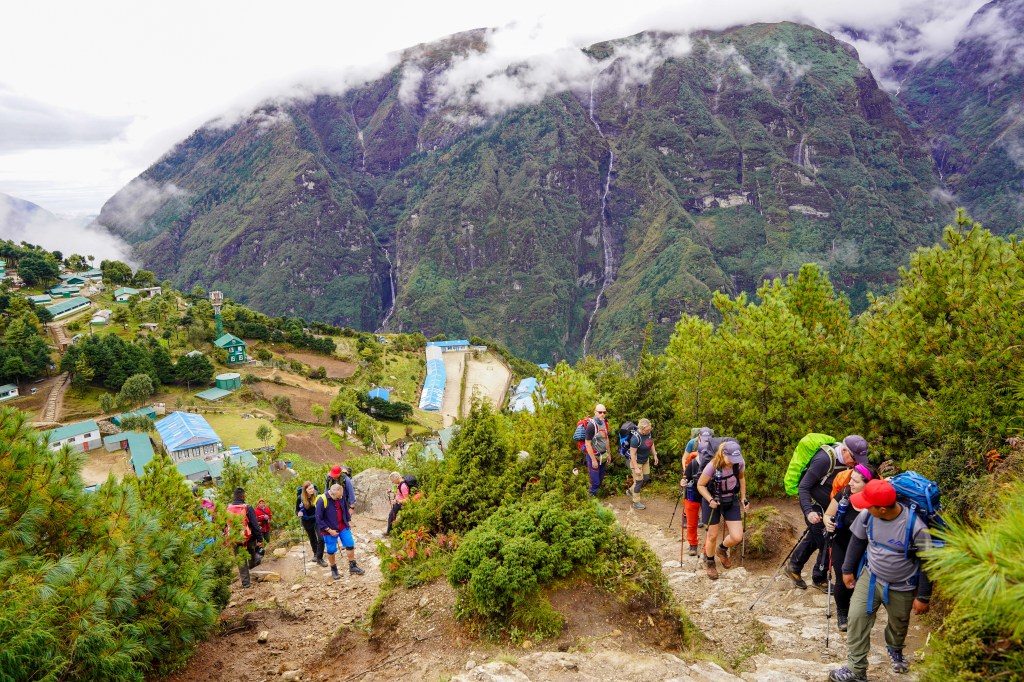
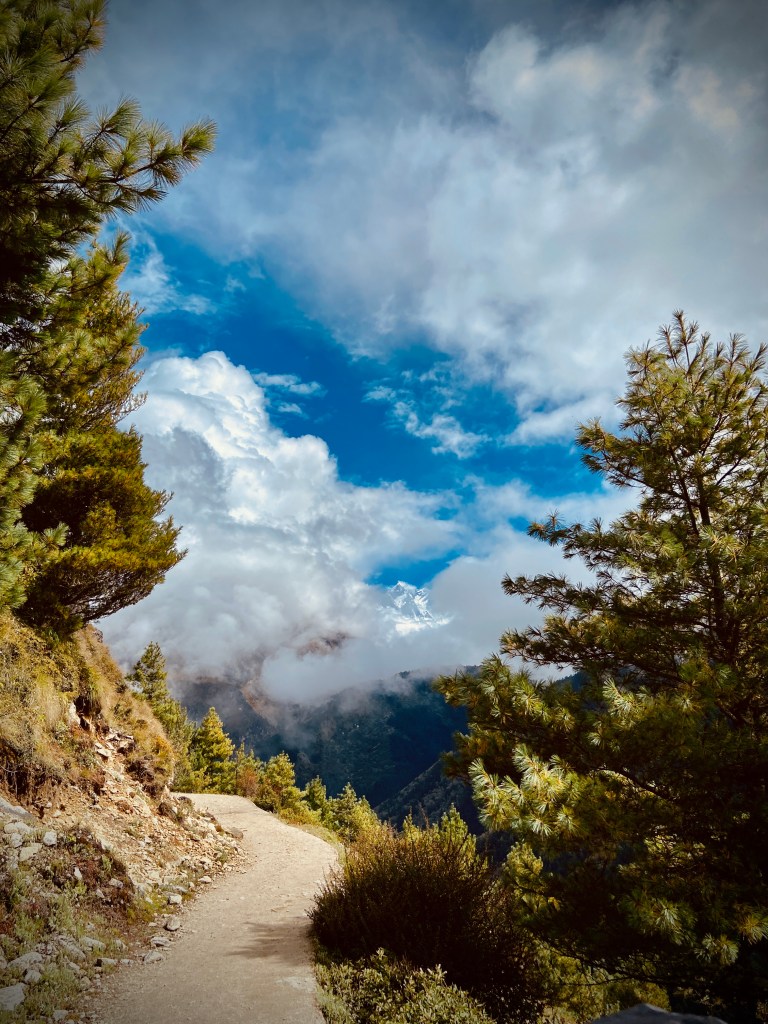
Leaving Namche below, we set out along the hillside above the Dudh Koshi. This was the first day with a bit of sunshine and clear skies, where we could finally catch a glimpse of the real giants. It didn’t feel like green hills anymore, the mountains started to creep on in. The trail dropped slightly before going back to a steady uphill hike through the forest. Here’s the thing about this trek, you climb 100 metres, then at the corner you drop like 98 of them and have to climb back up again. And just like with every hill or mountain, you can’t just go upwards. You walk around it. So technically, you’re circling lots of tall rocks, not just one. It. Never. Ends.
And to make things even more interesting, you use the loo during the organised breaks, everything dandy, no problem, you continue walking and then your stomach says “Heywaitaminuteeeee”. COULD YOU NOT? Literally in the middle of nowhere, with hours to go before reaching the next official stop, when you gotta go, you gotta go. Now, we’d been told that if this happens, it’s totally fine, and someone from the crew will wait for us. Unfortunately for me, in my hour of need that happened be the Swedish female guide, who apparently was in no mood to be supportive, or at the very least not a total bitch. We’d already started off on the wrong foot, her and I. In Qatar, when I said “Hello” she literally turned her back on me and went to talk to the others. In Kathmandu, when we were checking the gear and clothes, she claimed that my pants were not good enough, that they wouldn’t repel water. I knew they would, as the material was water-repellant and I’d also impregnated them, apart from wearing them through snow blizzards. When I agreed to test them with water, which she suggested, she threw them on the floor and went to talk to someone else again. In Namche, she kept calling us “gang” and using an overwhelming amount of toxic positivity. I don’t know where she’d had her training, but that fake stuff is horrible and it really doesn’t work with everyone. I was a bit tired after Namche Hill, I just wanted to get to the lodge and have a nice evening, and she kept going with the fake pep talk, so I said “This isn’t working for me, in fact it’s quite irritating and I’d prefer to be left alone, you don’t have to walk by my side and tell me to look at the bright side of life.”
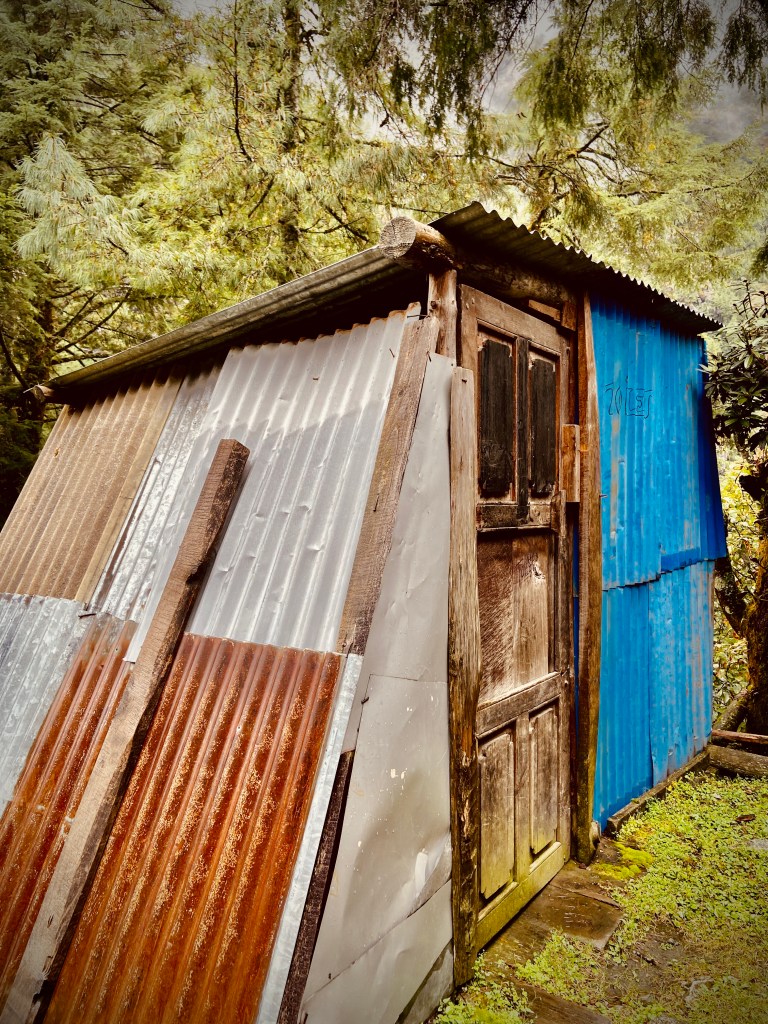
Back to the woods, I had to take care of business. As I came out of my natural loo (shared with other ladies from other groups, because, shit happens), the thing her brain thought was a good idea to utter was “You didn’t think about going to the bathroom at the last stop?” Yes, because nothing beats shaming your people after they’ve already shamed themselves and are worried they may be coming down with a stomach bug. On top of that, I had gone to the bathroom at the last stop, my body just needed an extra visit later on, what was I supposed to do? I explained to her that I had, but that didn’t stop her guilt trip. “Now we have to hurry up to catch the others, they had to stop and wait for us.” No one, I mean NO ONE, was upset for an extra short break down the road. It only seemed to bother her. I just kept quiet and picked up the pace. In my head, Romanian swear words happened, and for the coming two days I pumped myself with Imodium.
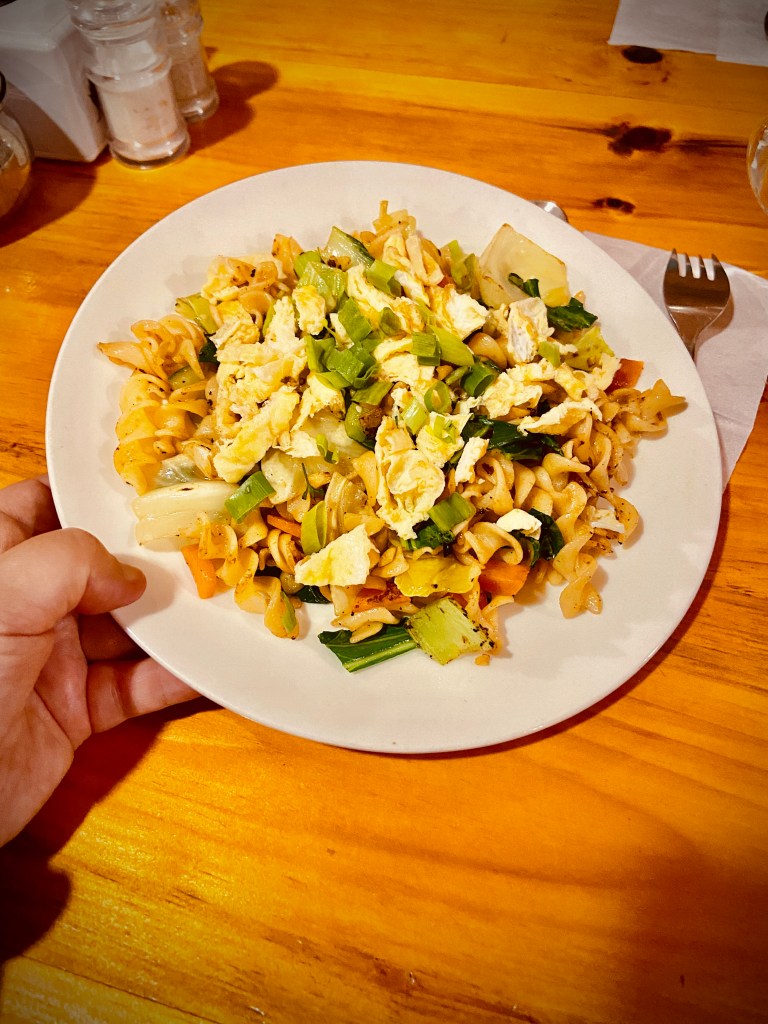
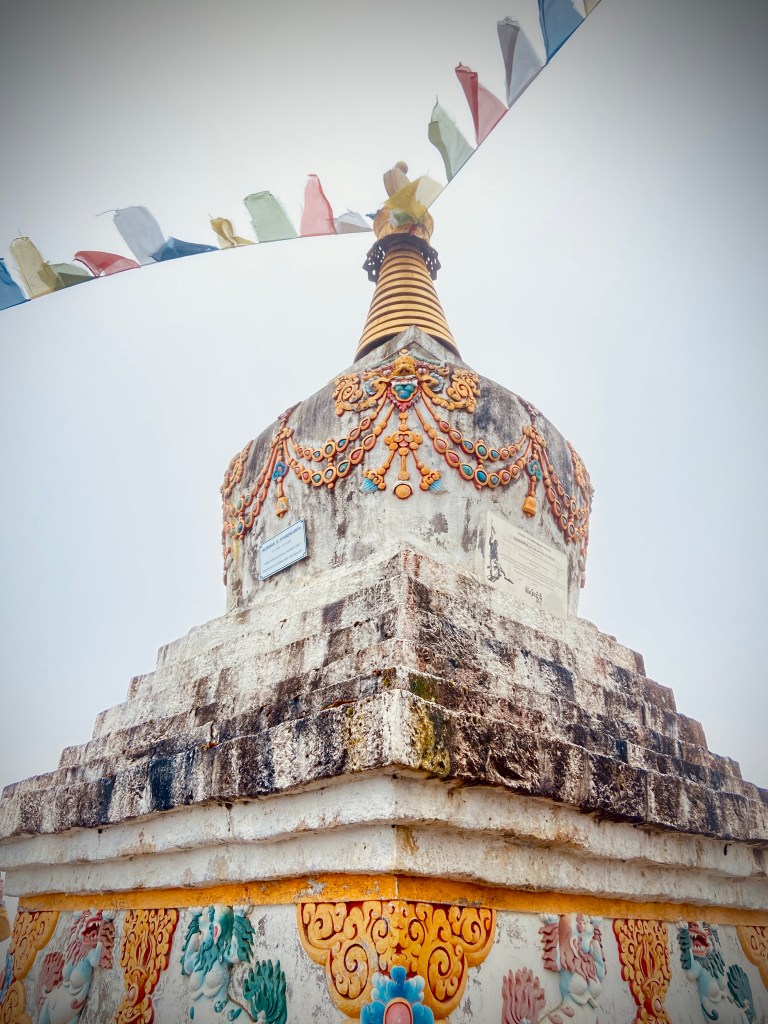
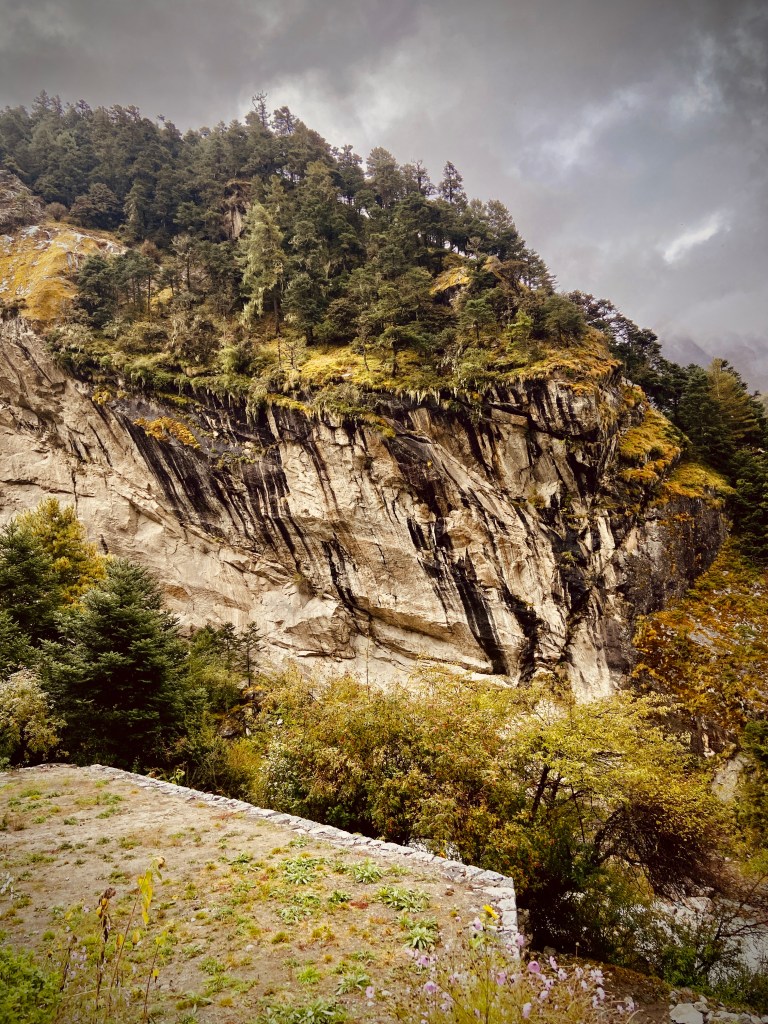
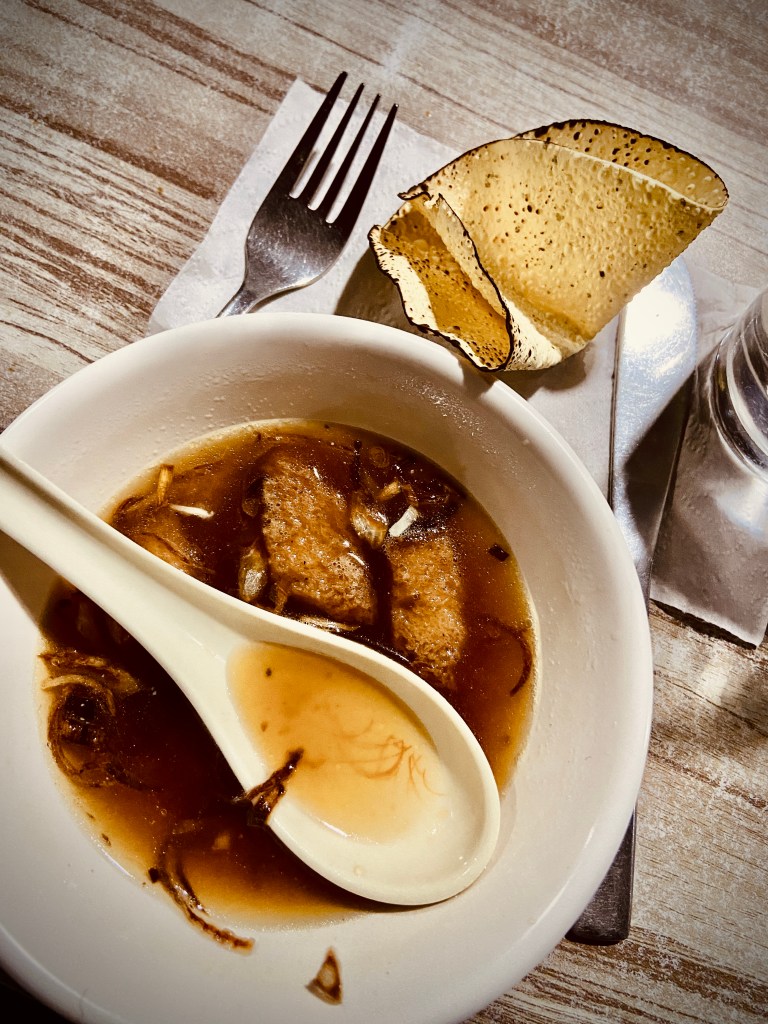
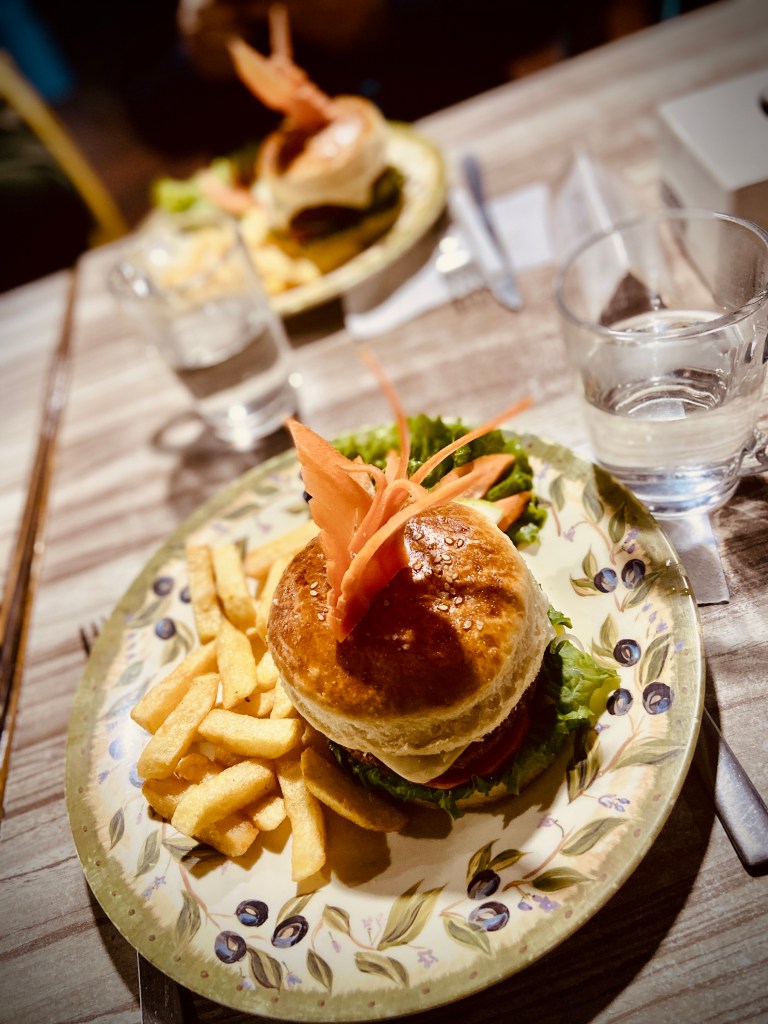
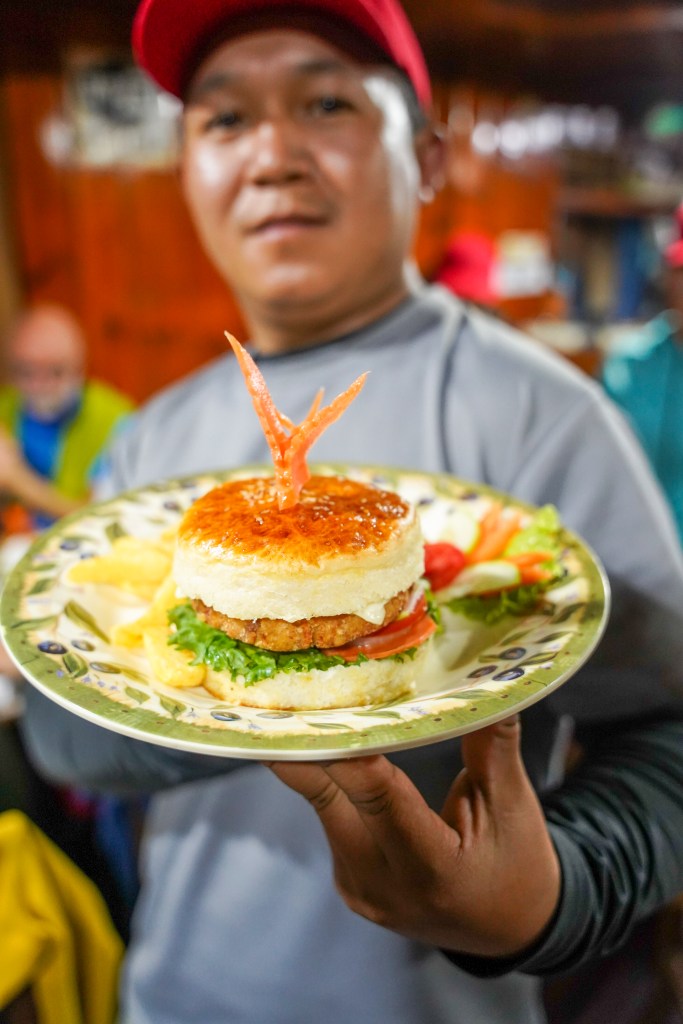
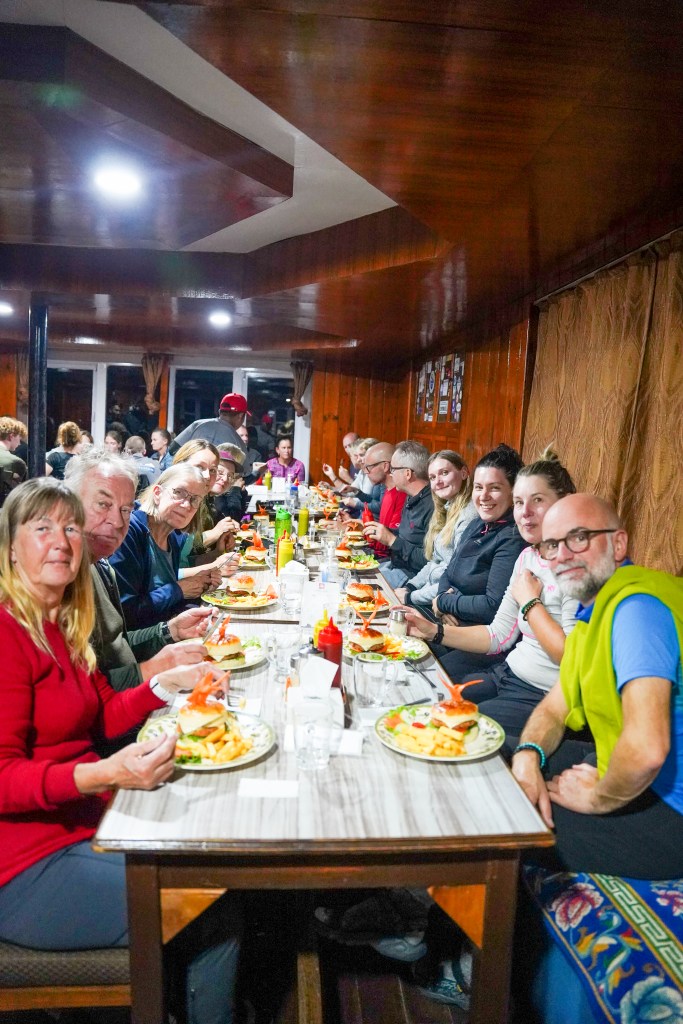
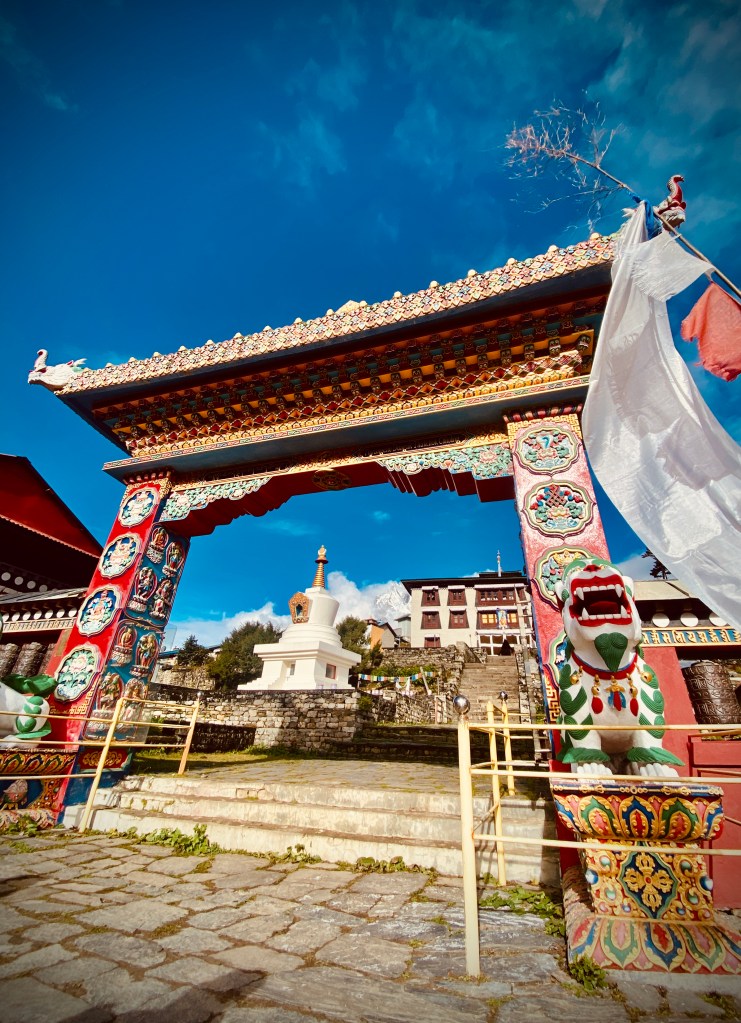
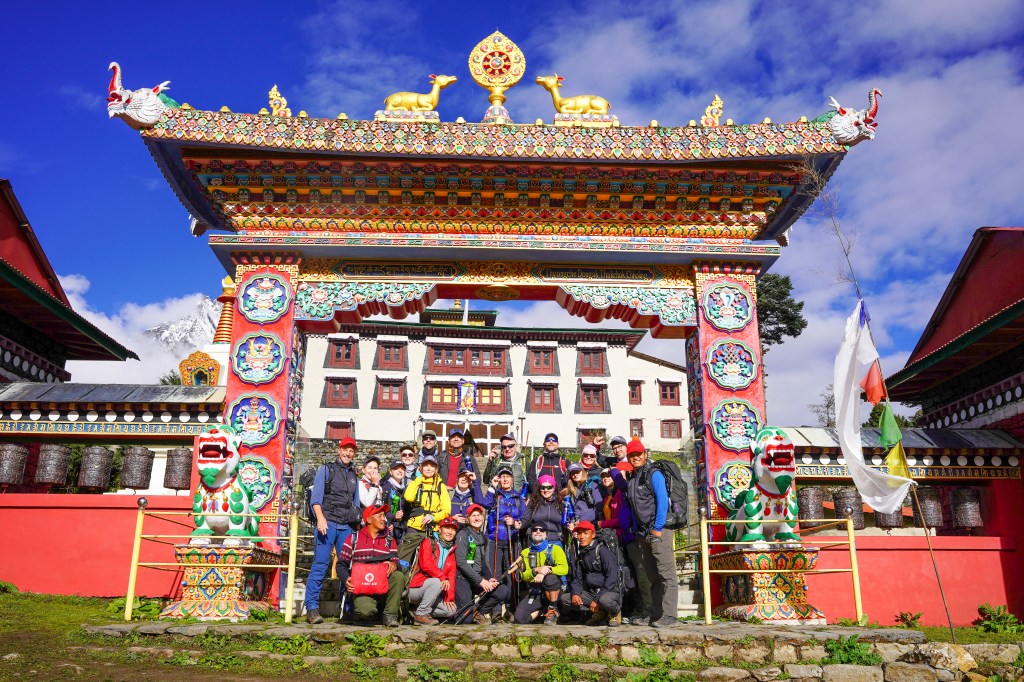
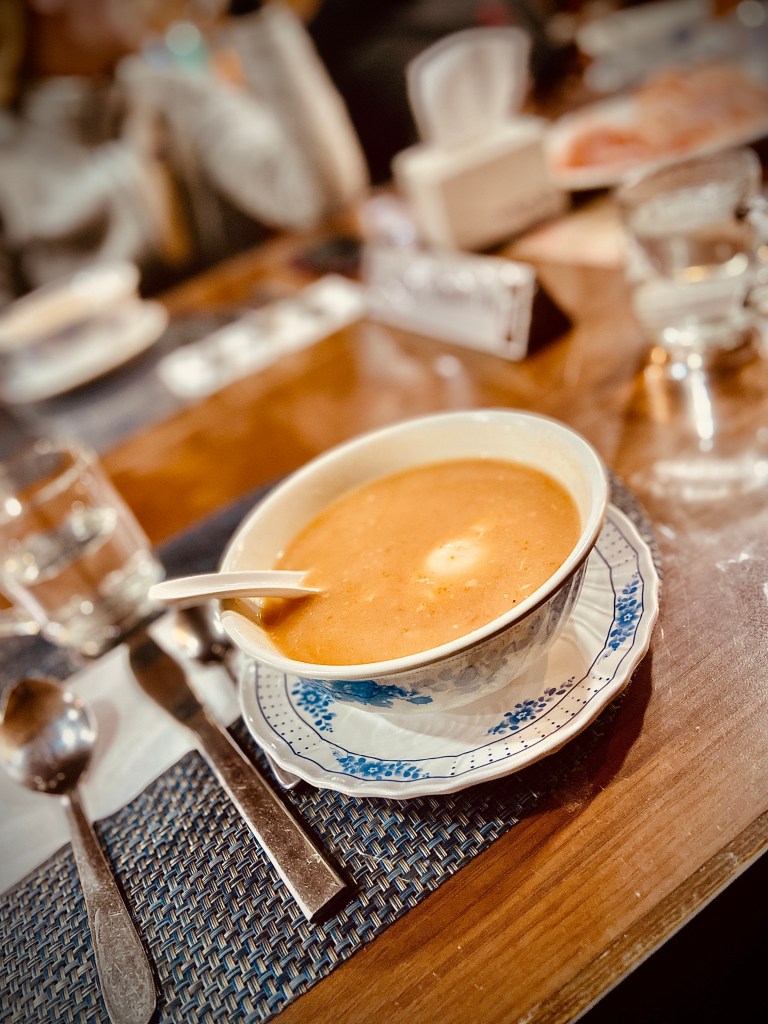
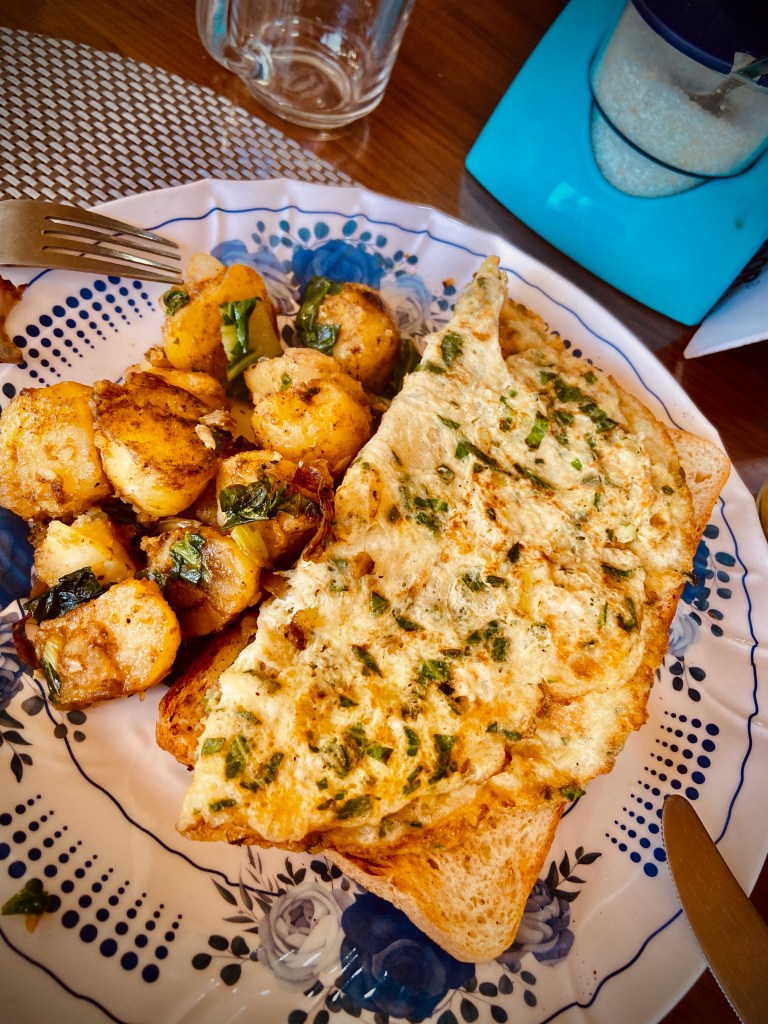
We reached Tengboche at 3860 metres and checked in to our teahouse right next to the famous Tengboche Monastery. I don’t think I’ve ever had a better soup in my whole life, than the simple onion soup with croutons at the teahouse in Tengboche. And our burgers came with swan decorations made out of carrot. Oh the luxury!
Day 5 • Tengboche to Dingboche, with short stop in Pangboche
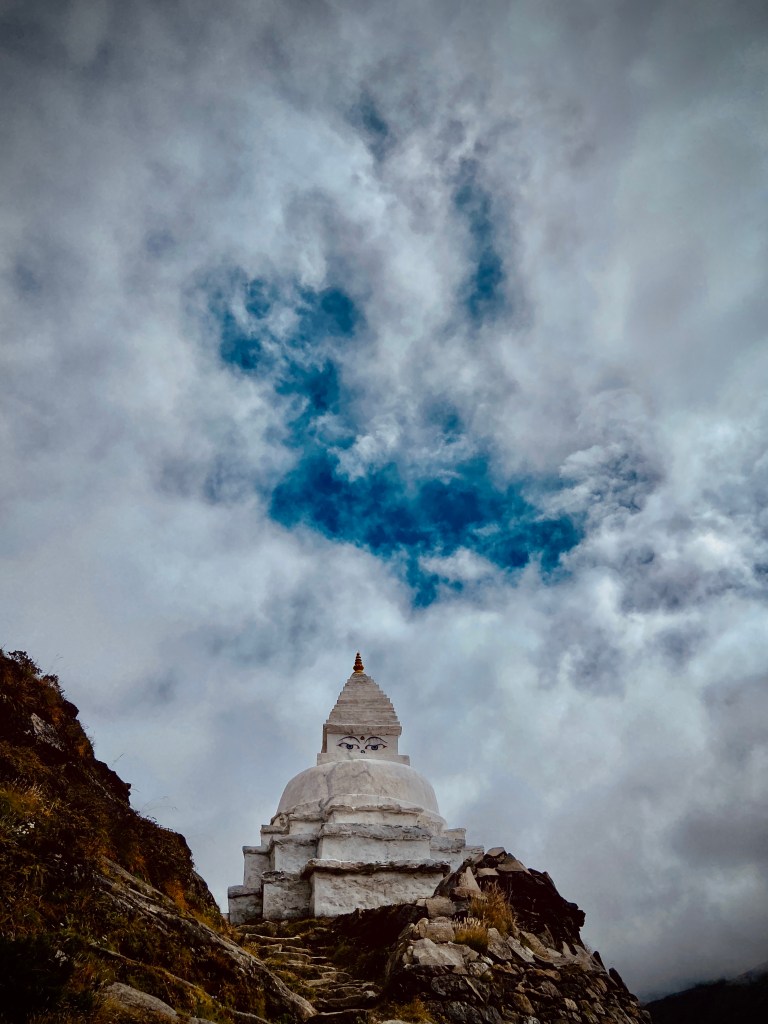
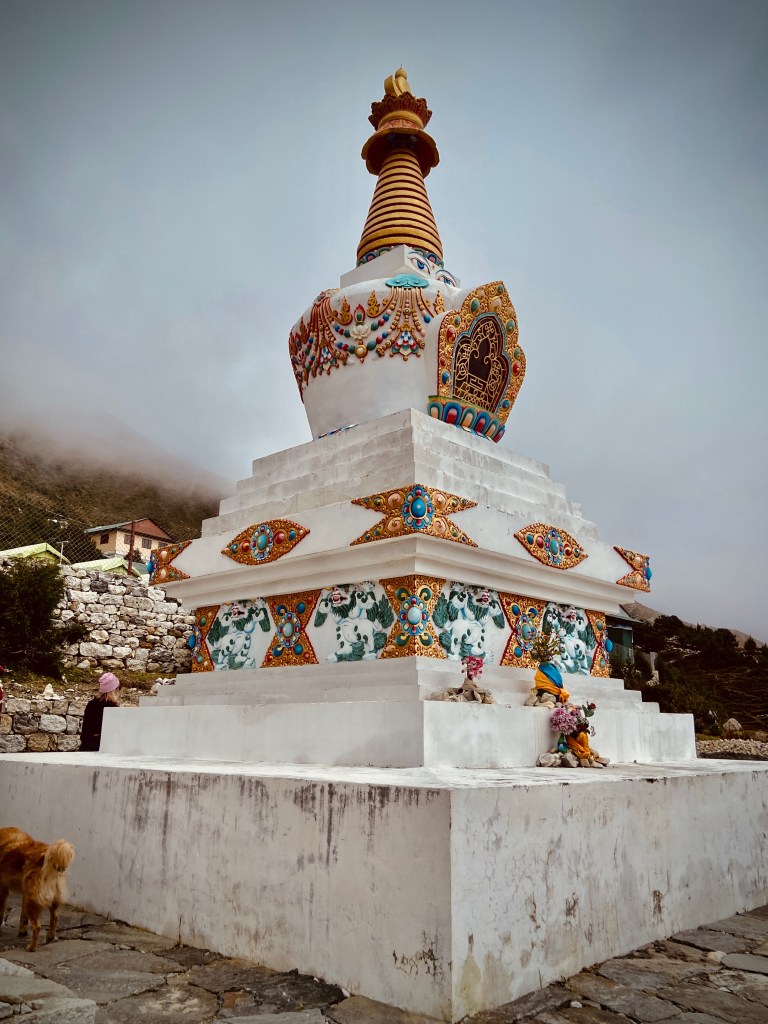
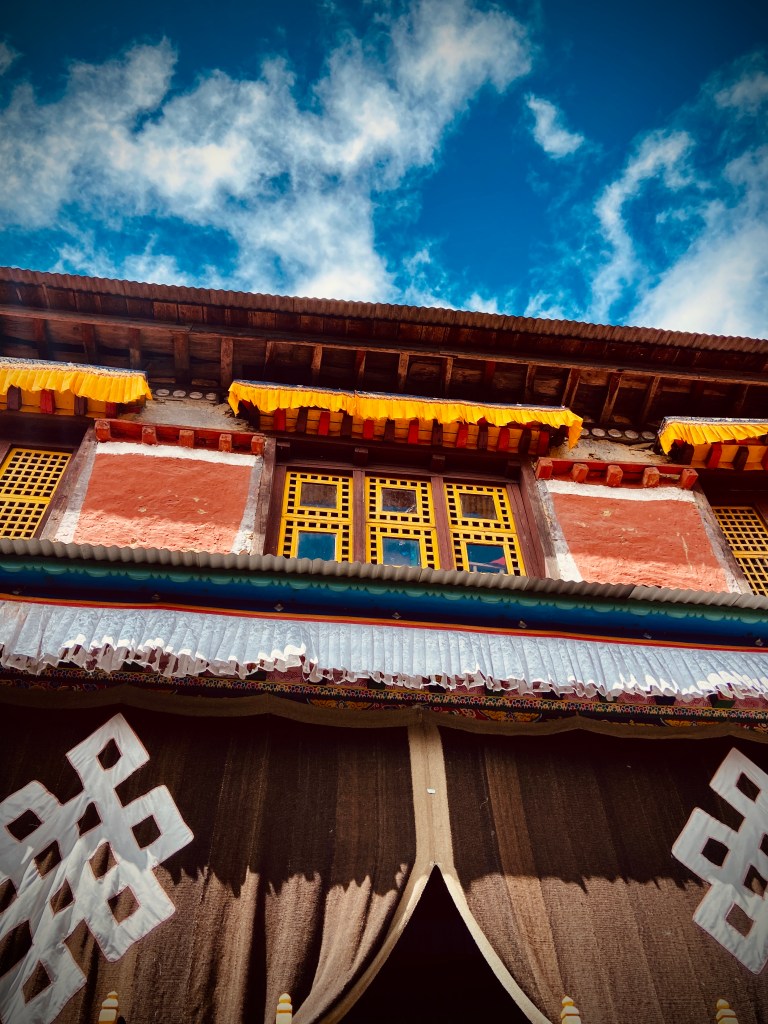
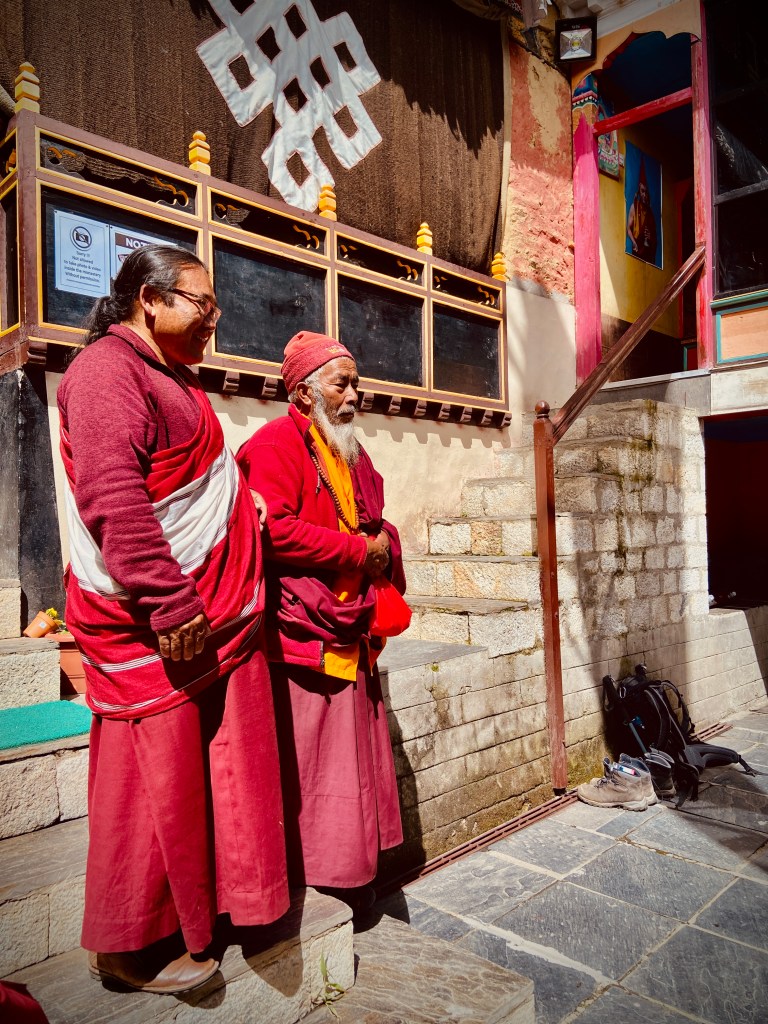
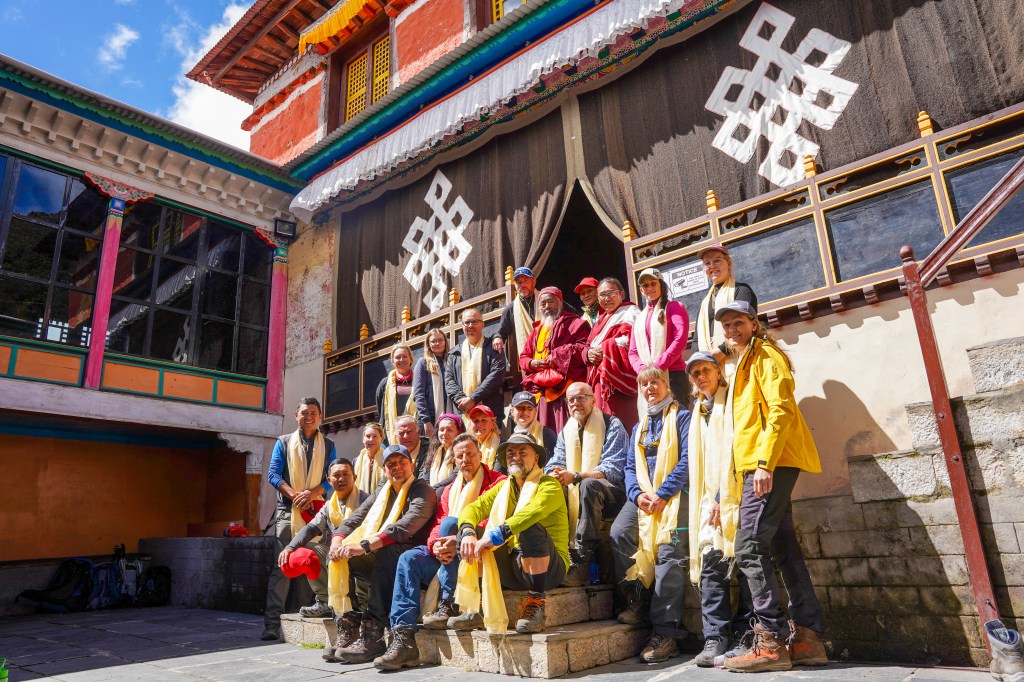
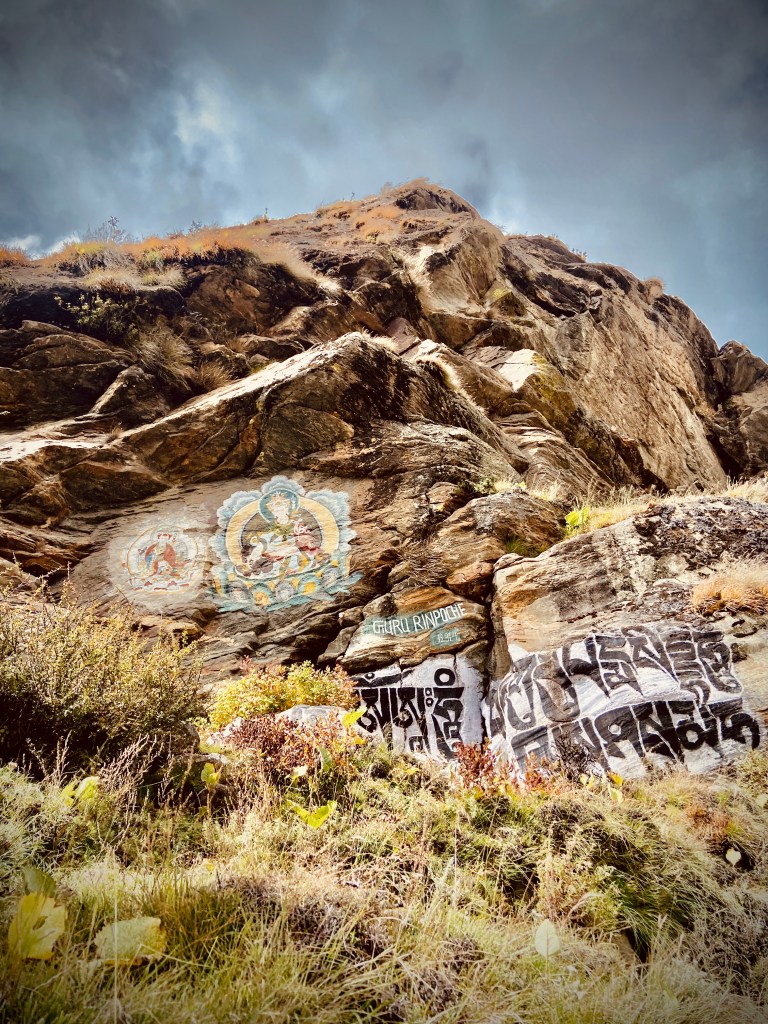
We walked on to Deboche, crossed the bridge over the Imja Khola, and climbed gradually to Pangboche. We visited the village monastery. This is where we saw the supposed skull and hand of the infamous Yeti, sat through a looooong blessing ceremony with the local revered lama, and heard the story of the monk who flew without wings all the way from Tibet and landed on the very spot on his bum. Photos of the Yeti were however not allowed, bummer.
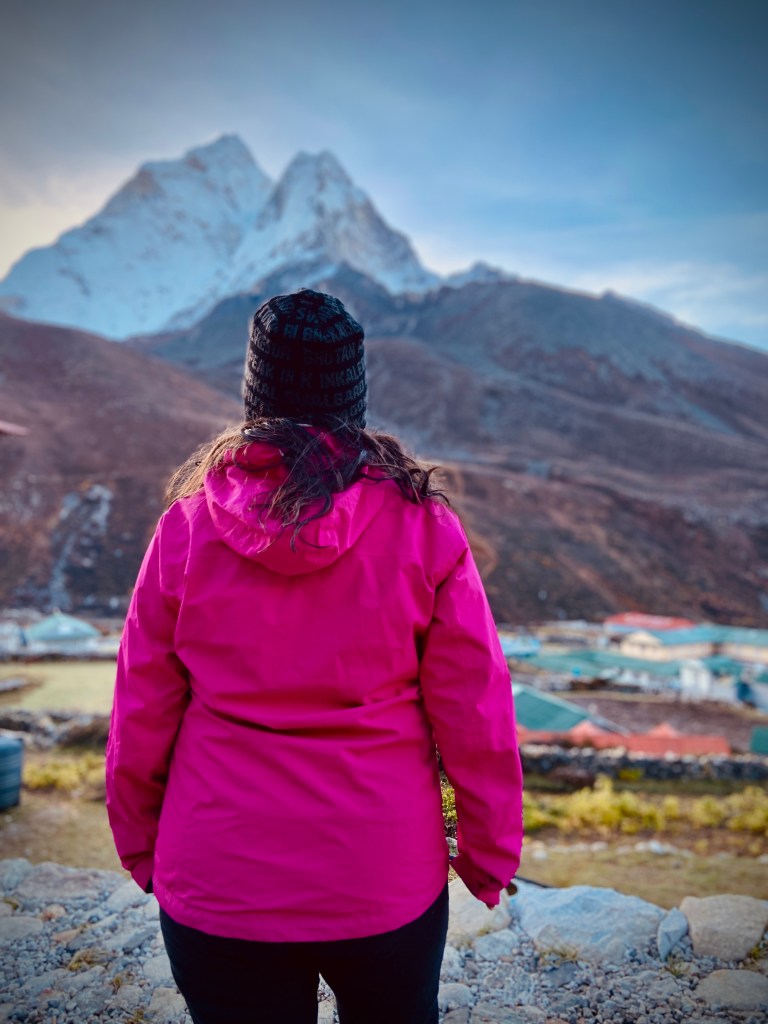
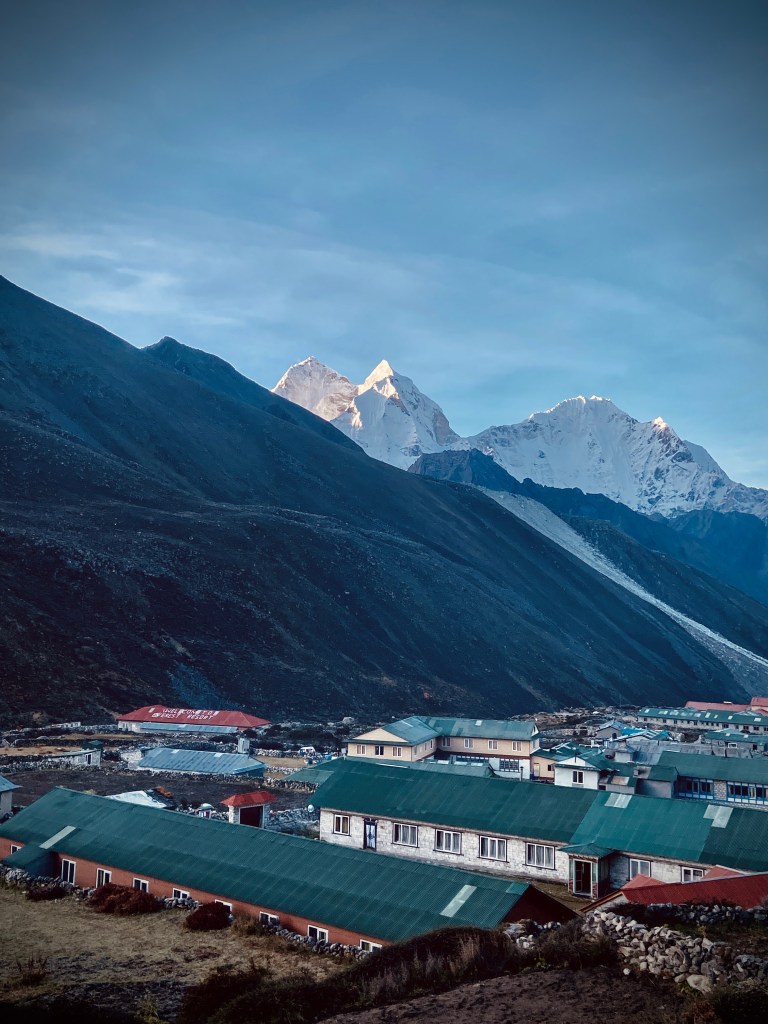
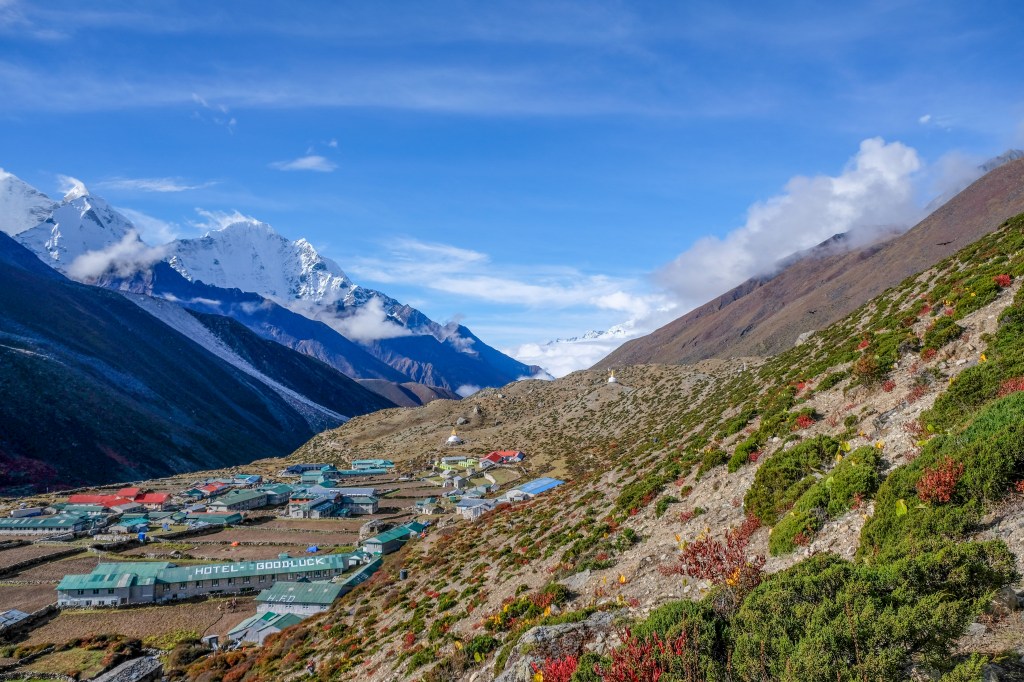
From there, the terrain opened into higher alpine country, and we continued past Shomare before arriving in Dingboche, at 4410 metres. Do you know what usually happens after 4000? No more trees, that’s what. So the toilet alternatives from here on were only tiny bushes, and later on boulders and rubble. Nowhere to hide. Hashtag: nature…
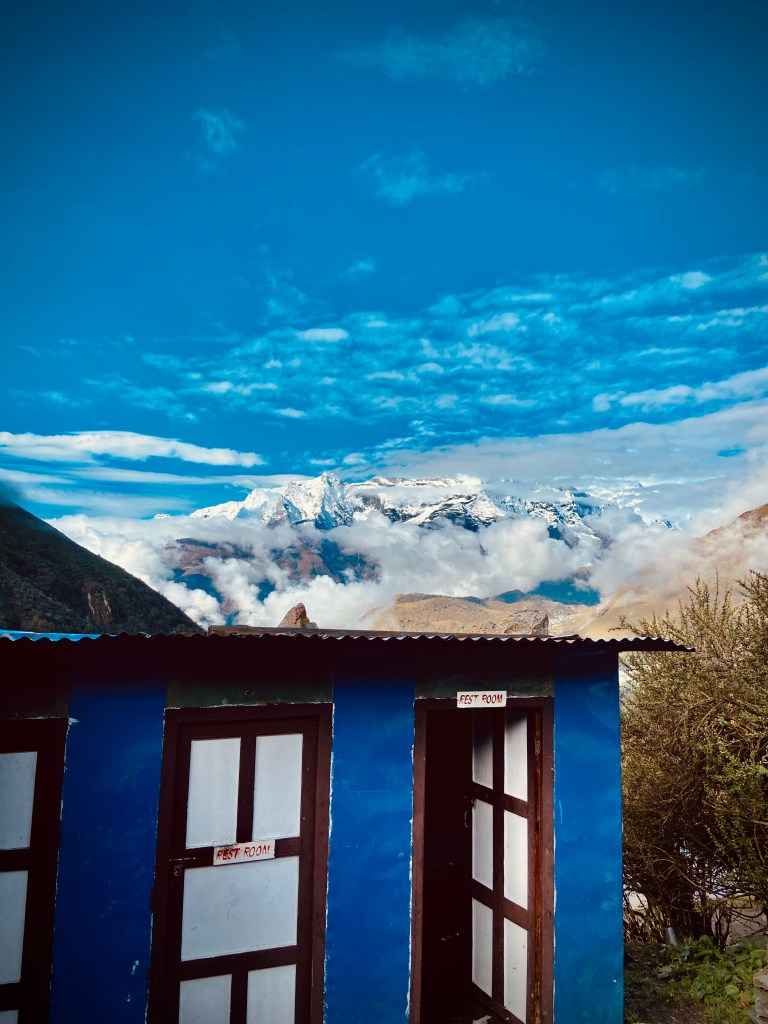
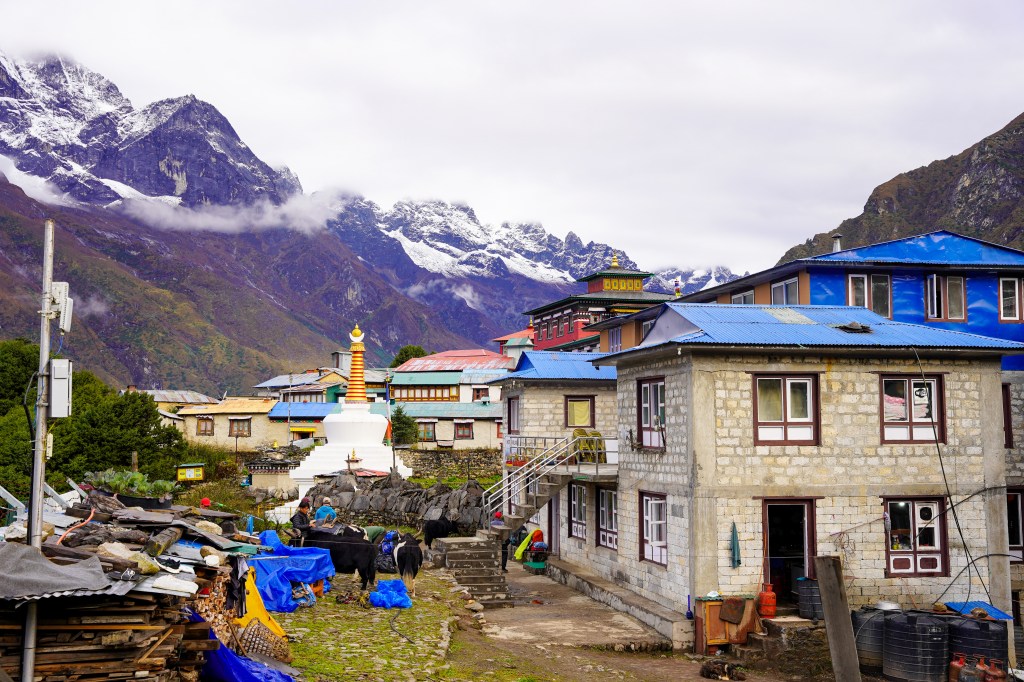
Day 6 • Acclimatisation in Dingboche: climb to Chhukung Valley and return
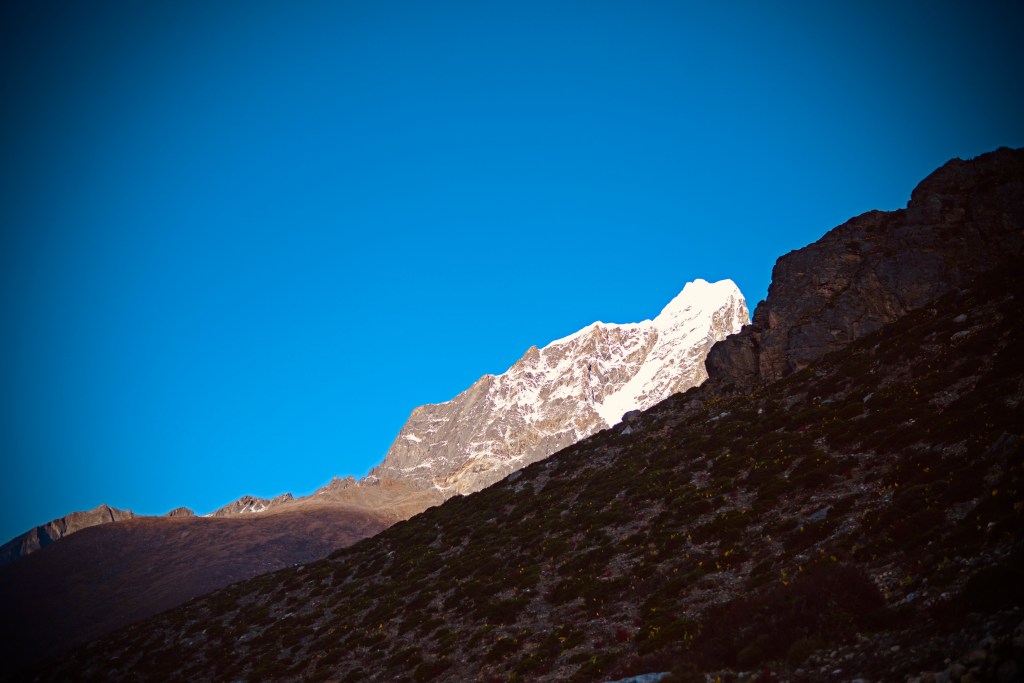
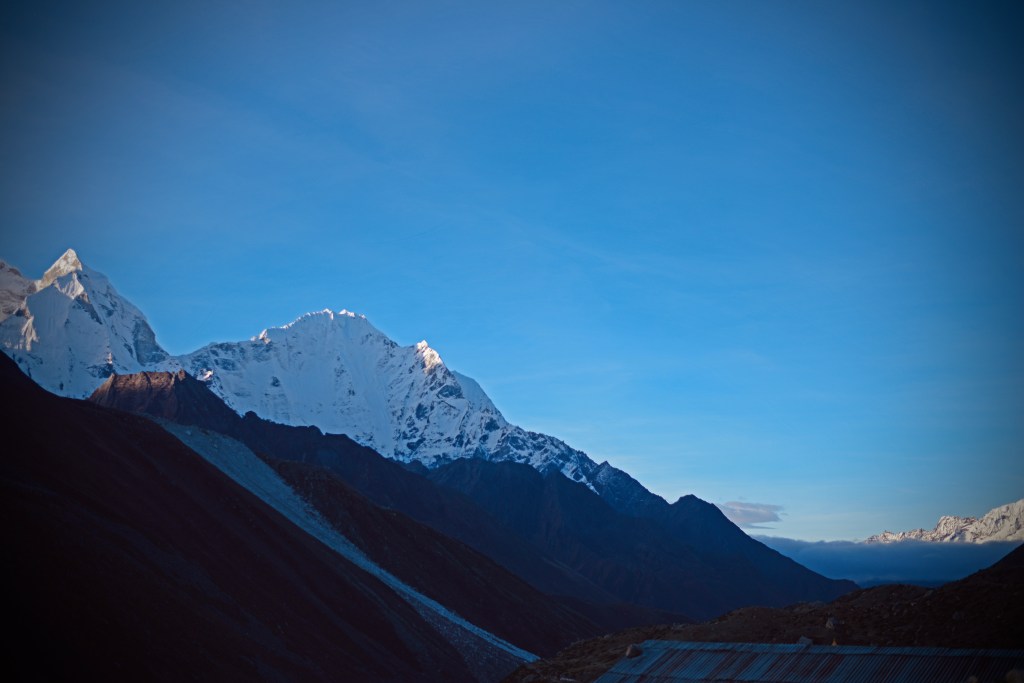
For acclimatisation, we followed the steep trail toward the Chhukung Valley on a steady, open climb with views of Lhotse and Island Peak. It’s funny they call it a valley… After gaining elevation and spending some time at a café on the plateau, we returned to Dingboche. This one was tough for me, I had a bit of chest pain during the descent and would have liked to keep a slower pace. The Swedish female guide, my old nemesis, was a total bitch towards me during those moments and I’m happy that Pemba, the very experienced Sherpa, stepped in and supported me in the situation. He reminded me to have some water and helped me with patience and a steady pace down to our lodge in Dingboche.
The two Swedish guides are the reason I will never book with this company again, their whole approach to some of us in the group was appalling and they absolutely ruined the experience for me. They’re also part of the reason I chose not to do the last bit from Gorak Shep up to Everest Base Camp, more about that later.
We had our vitals checked every morning and evening, and I was doing great, except for that afternoon. Heavy pms, followed by a long and uncomfortable period and a faster pace at high altitudes made the day a bit more difficult for me. Luckily, the Nepalese team and our group members were great support. Honestly, none of us would have made it if it hadn’t been for the wonderful locals who took such good care of us. Any company from around the world can take all the credit they want for running business in Nepal, but without the knowledge, resilience and hospitality of the Nepalese people, they’d be absolutely nothing.
Day 7 • Dingboche to Lobuche
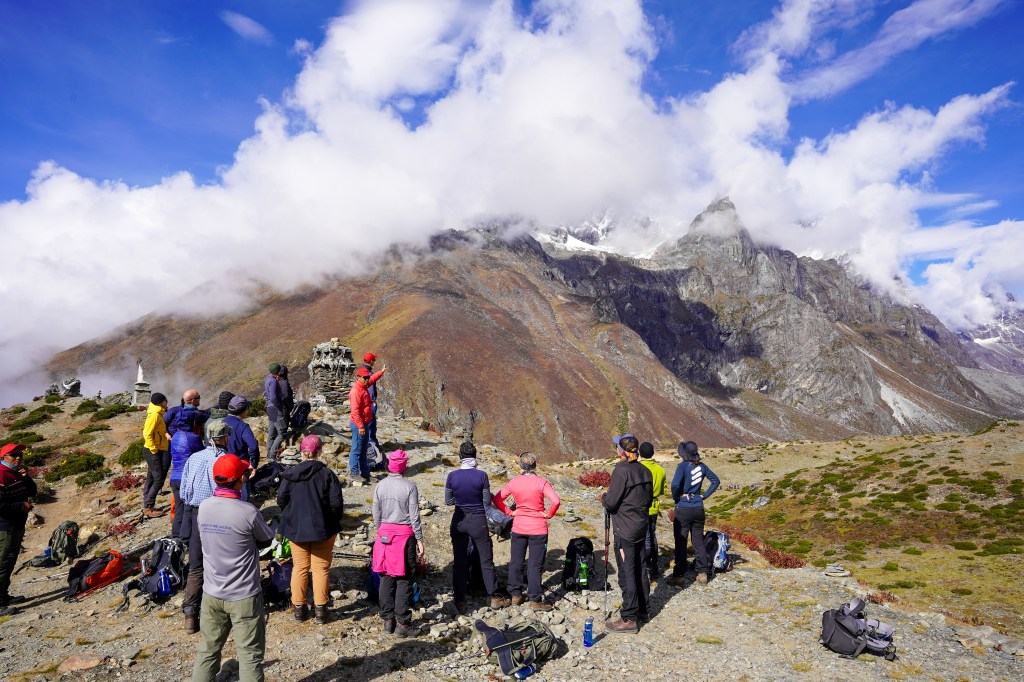
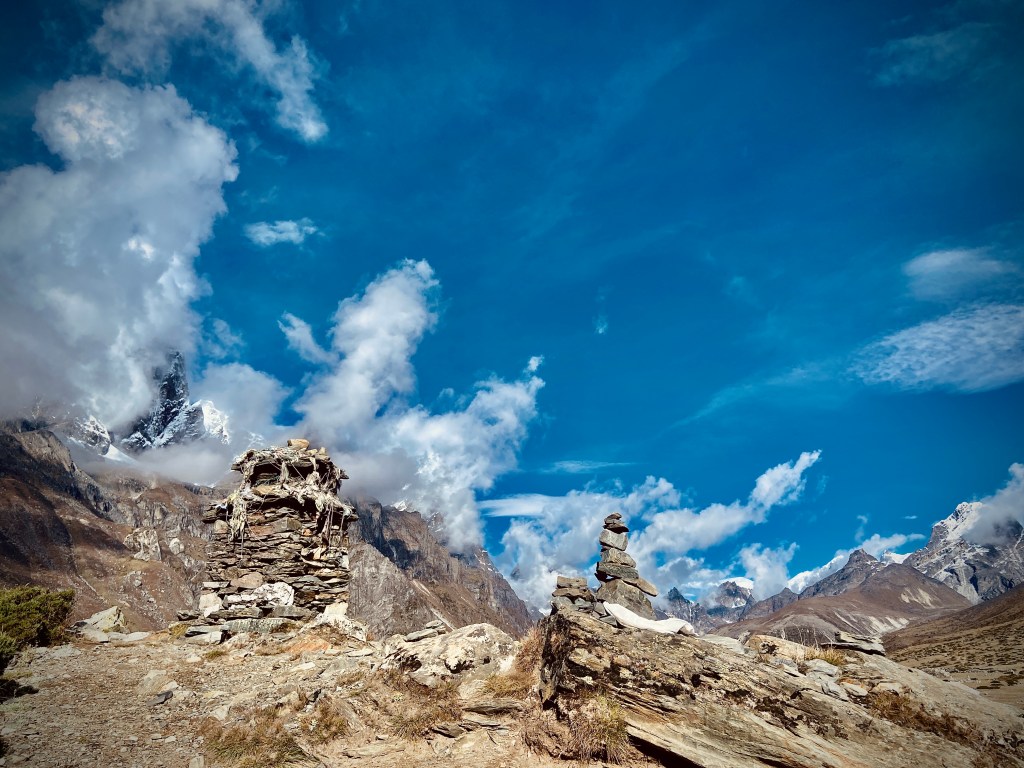
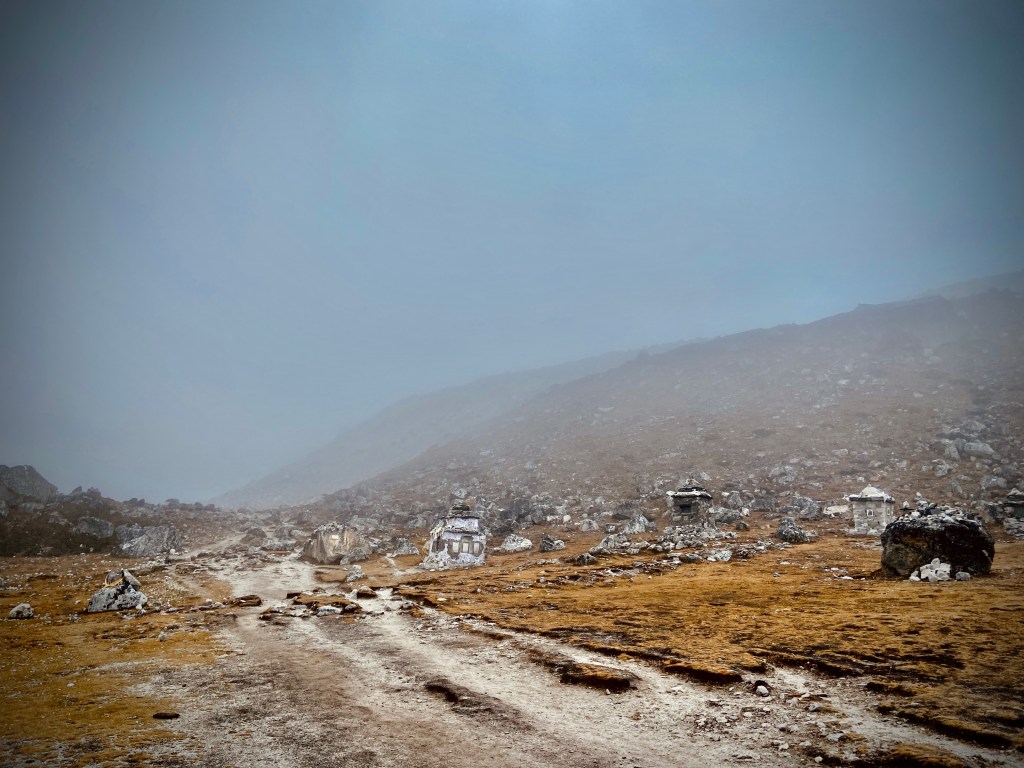
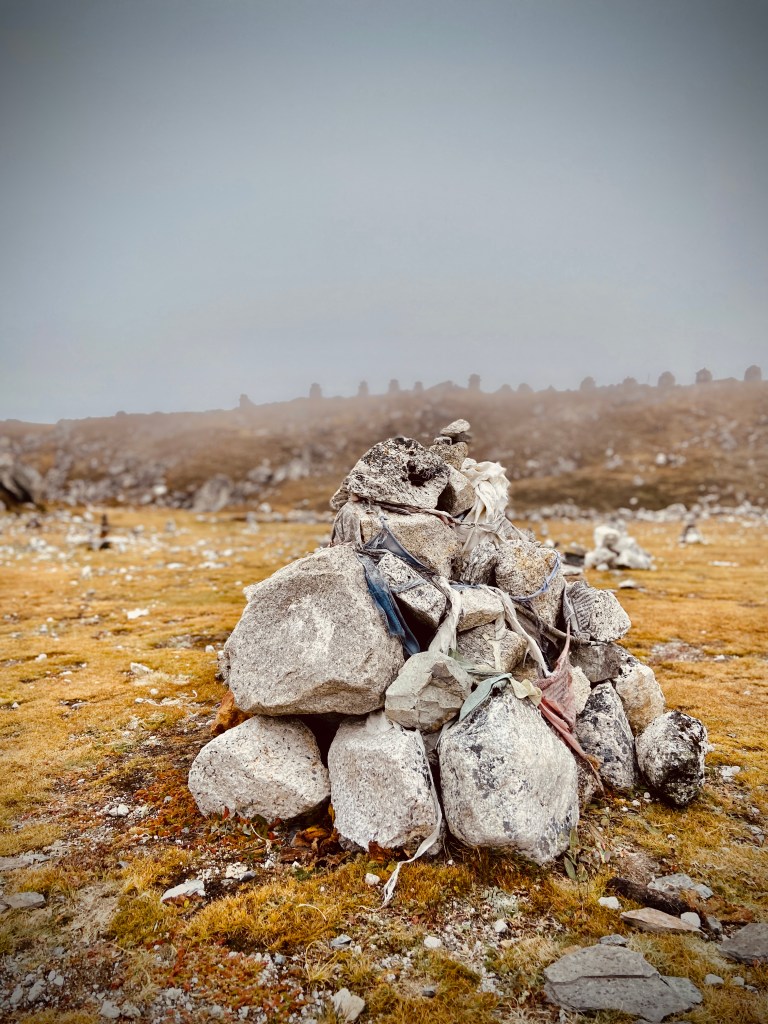
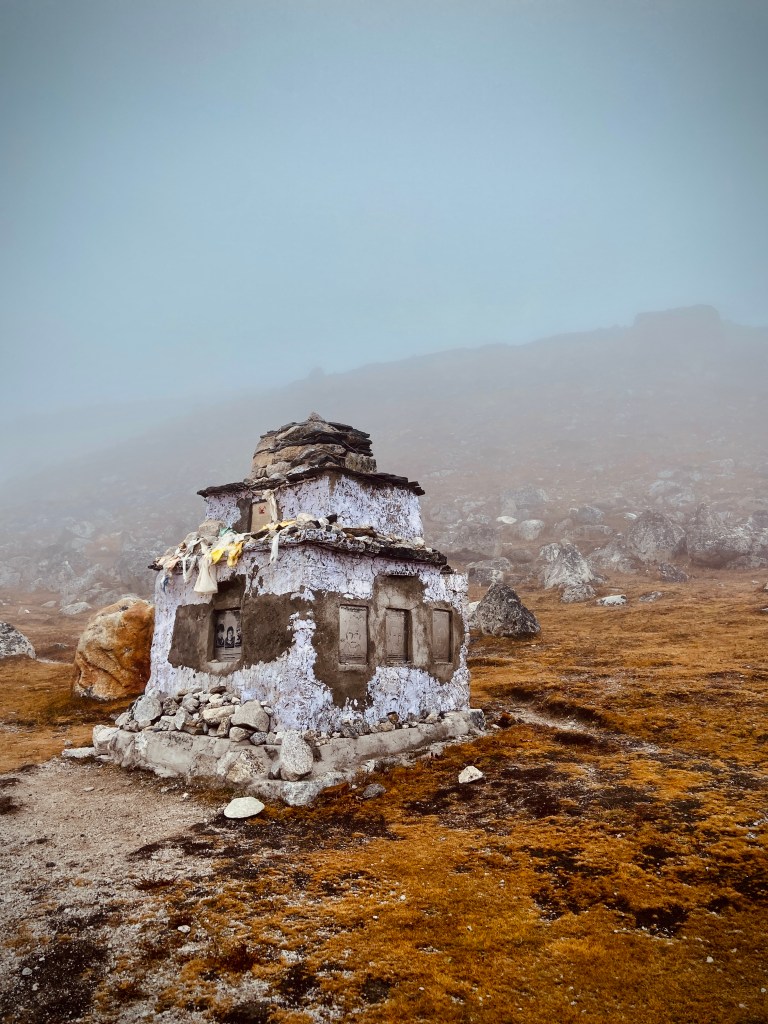
Early morning, we set off hiking on the gradual path to Thukla. After crossing the river, a steep ascent brought us to Thukla Pass, where we paused at the climbers’ memorials. Thukla is a place where you start to lose the will to live and you feel like you’re entering Mordor, carrying a very heavy ring around your neck. You see it in the distance from one side, you walk and walk and walk, you go down to the river and then up again to reach the lodges. Lunch then becomes one of the best moments of the day, food tastes amazeballs and you can keep warm with lots of tea.
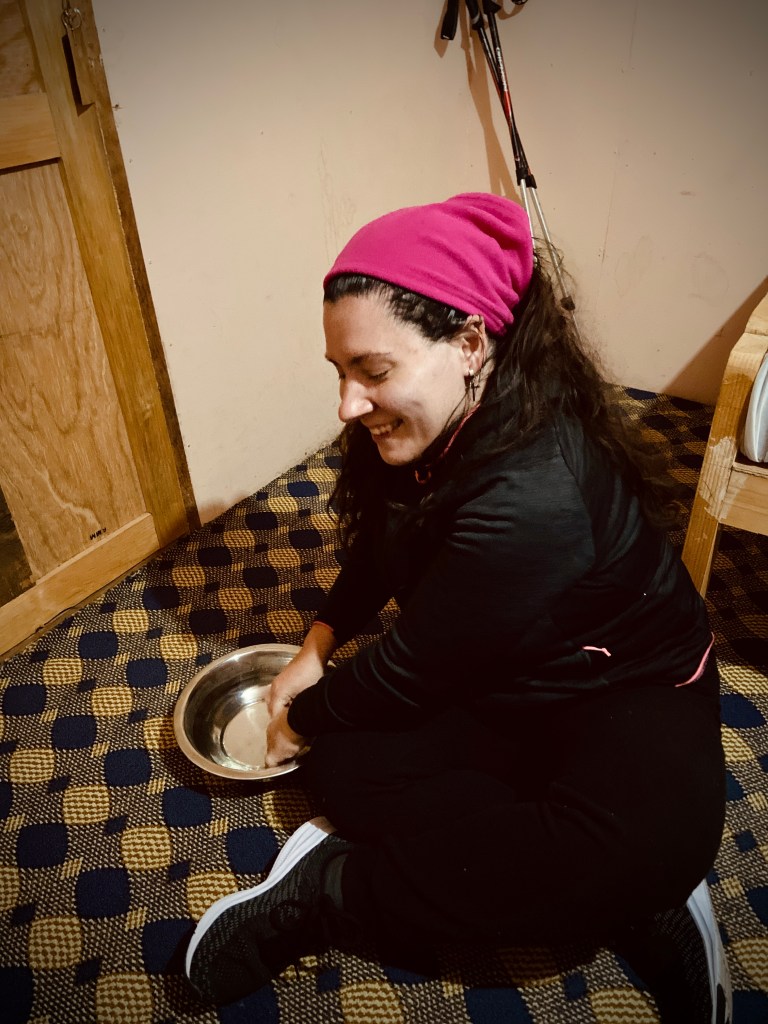
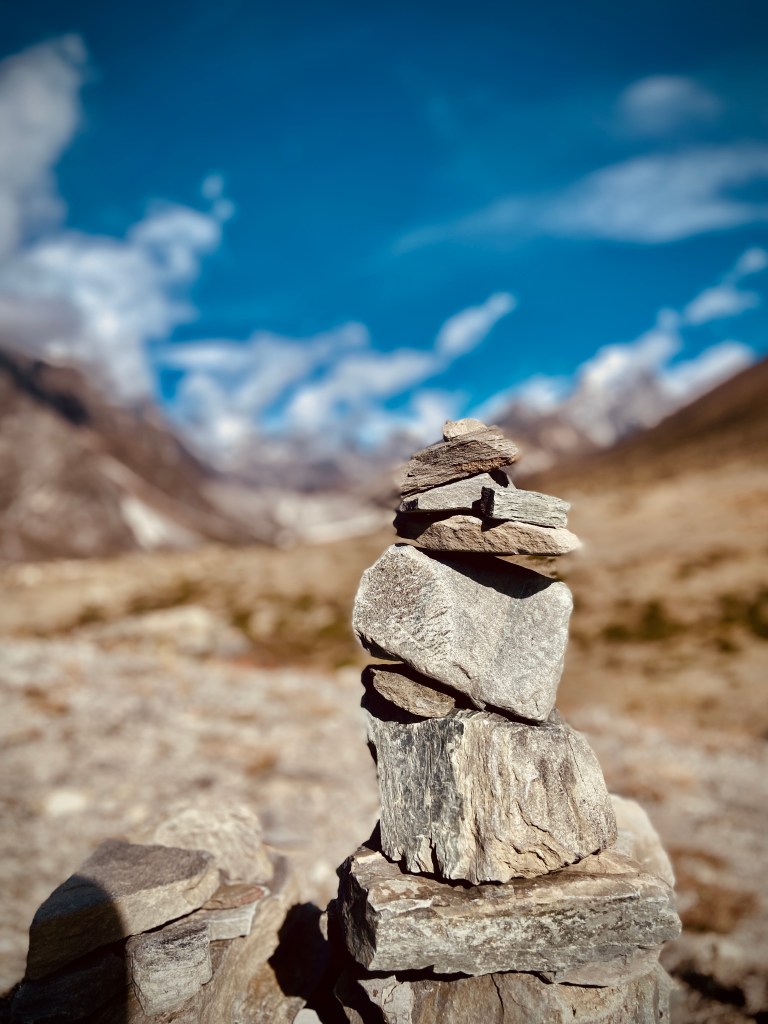
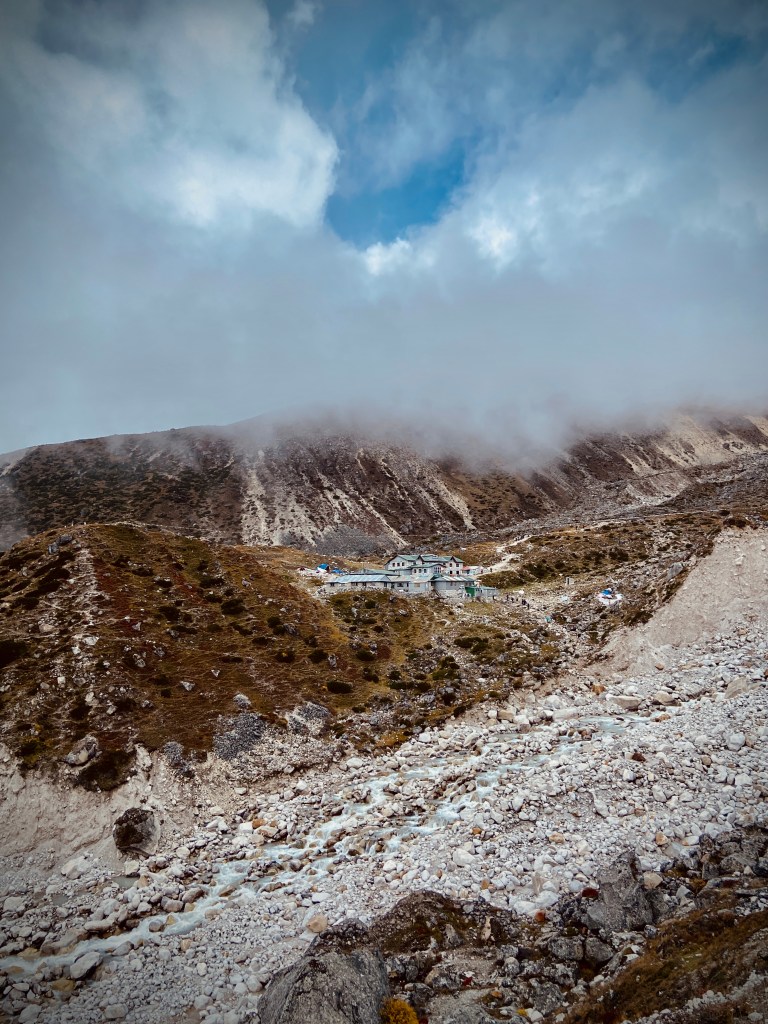
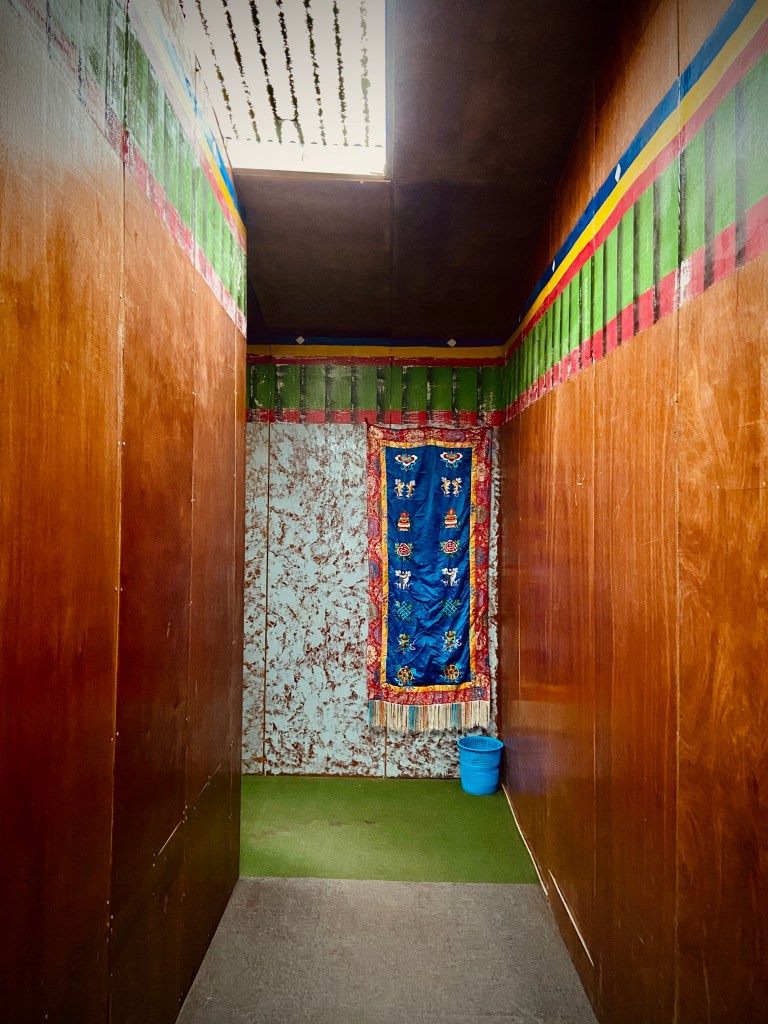
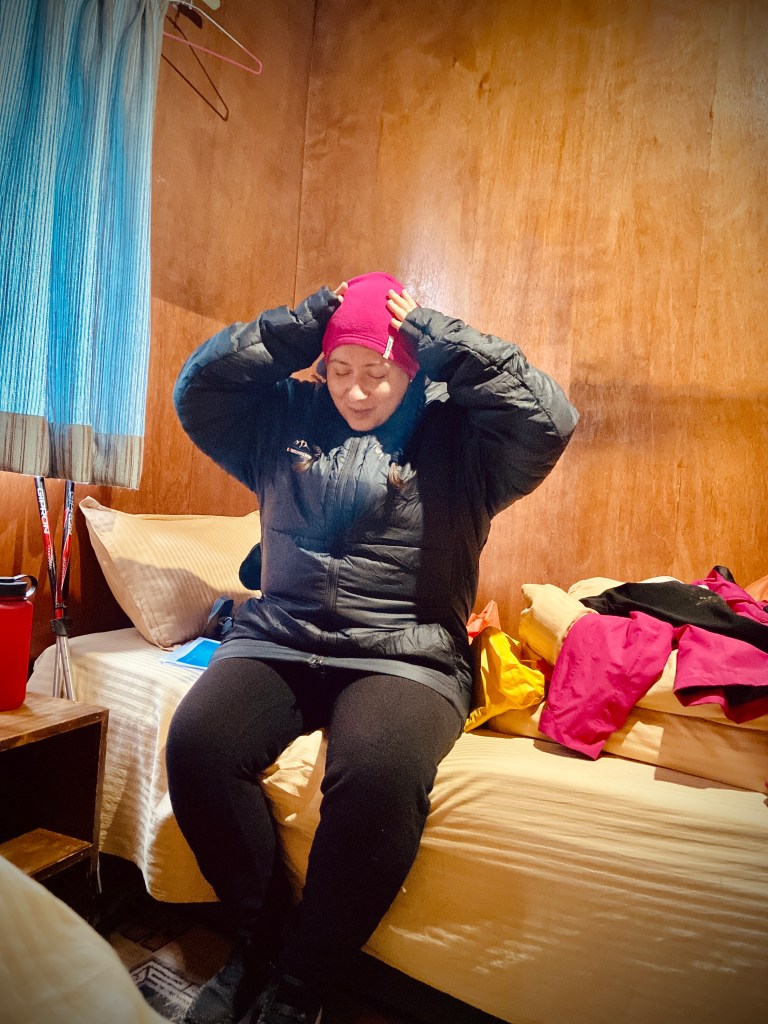
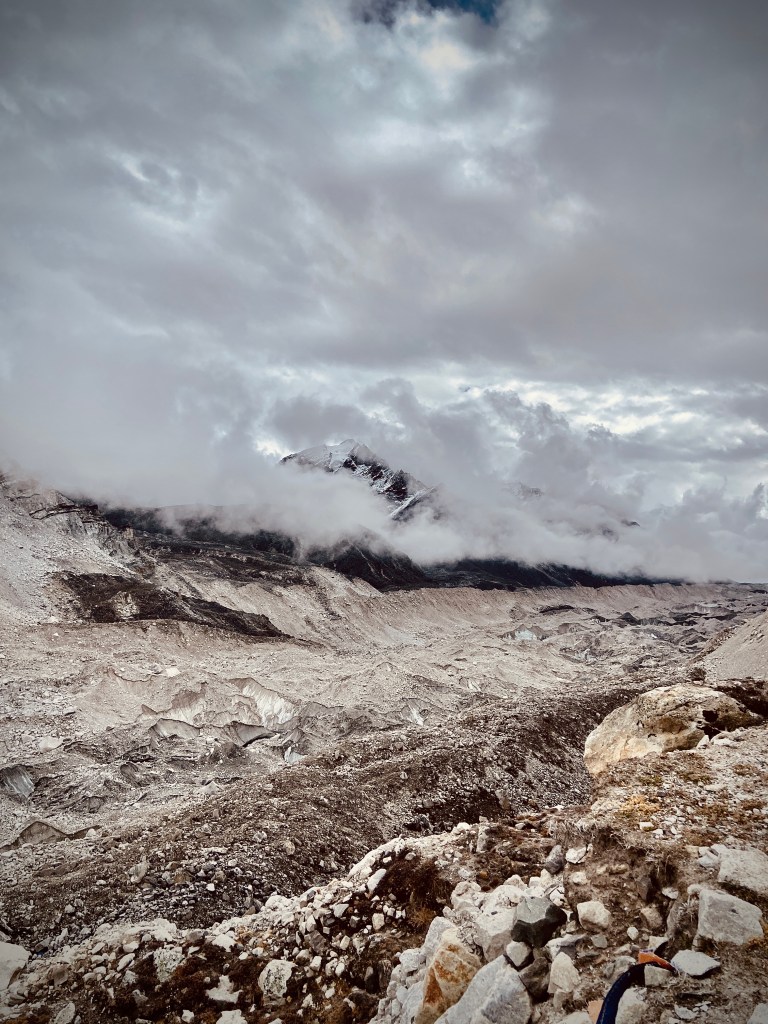
After that well deserved break, the trail followed the Khumbu Glacier’s moraine until we reached Lobuche, at about 4940 metres. Here, you realise that you’re about to pass 5000 and the following day is going to be the most difficult one. It’s freezing cold in the room, there’s no hot water to wash yourself with and you can hear everyone coughing at night through the thin wooden walls.
Day 8 • Lobuche to Gorak Shep
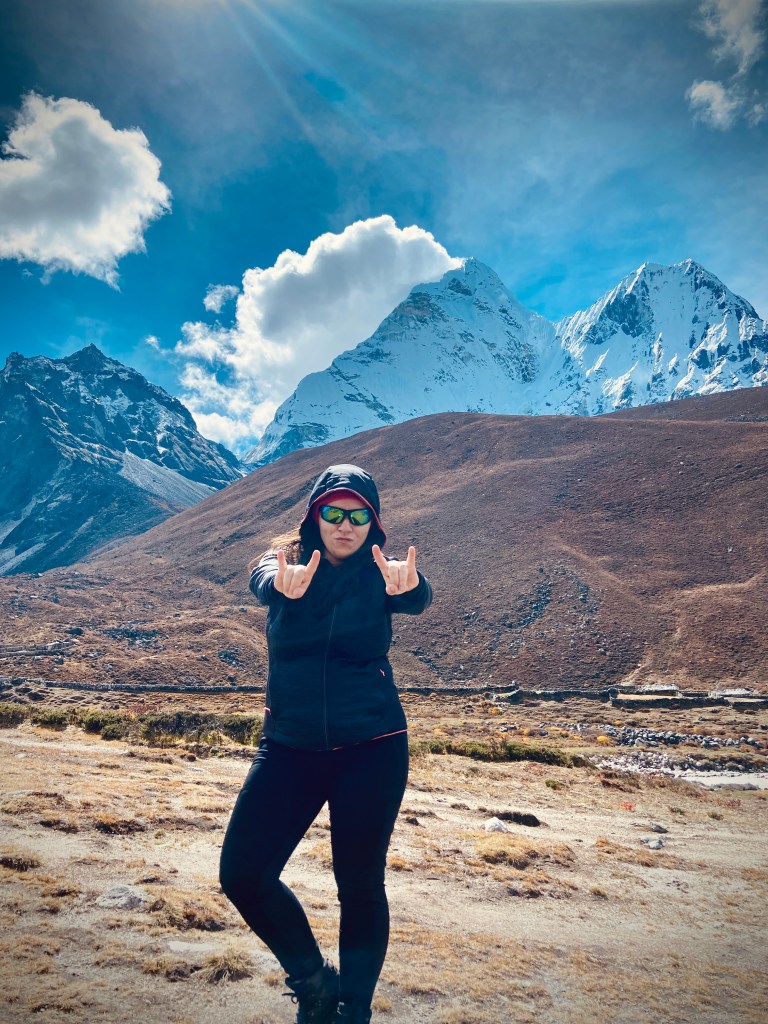
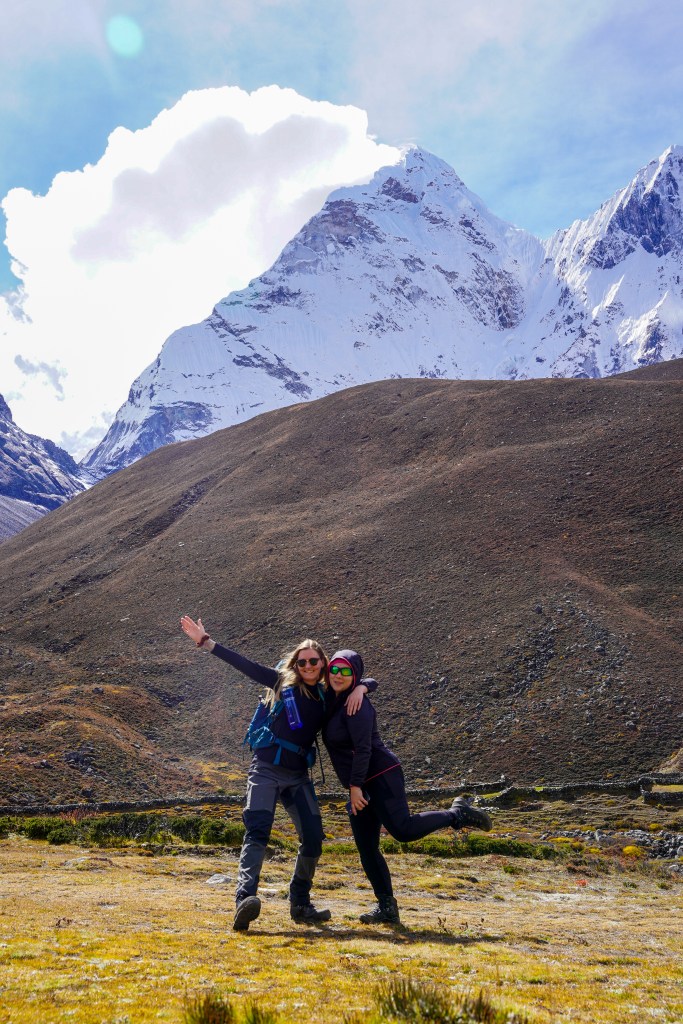
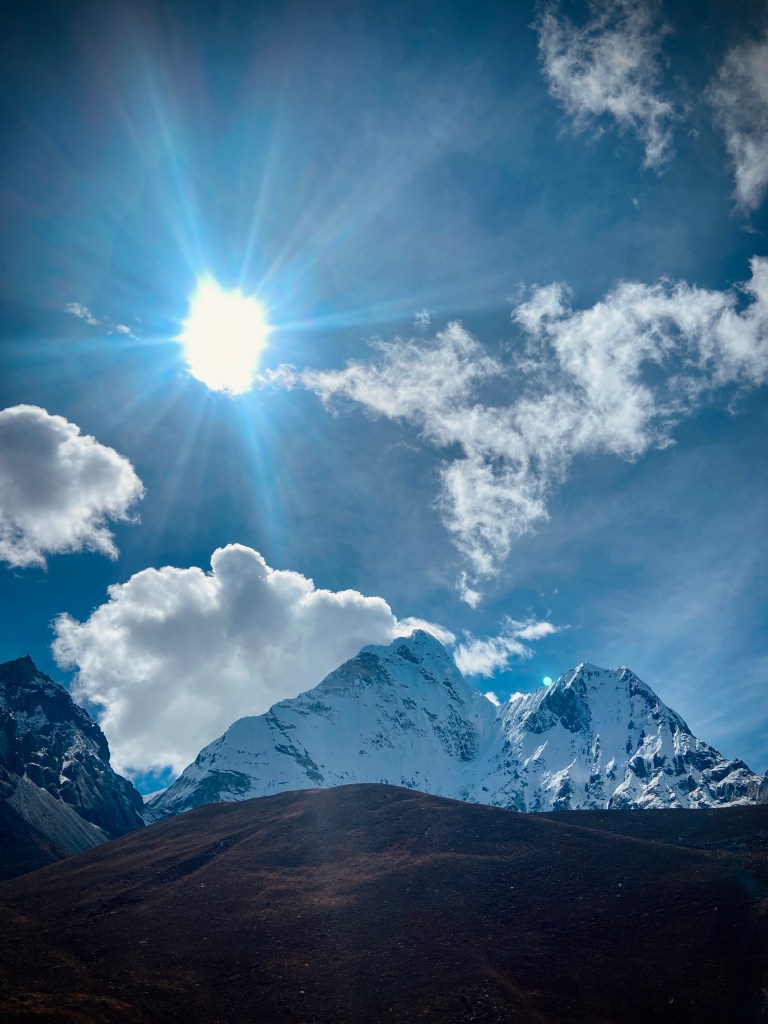
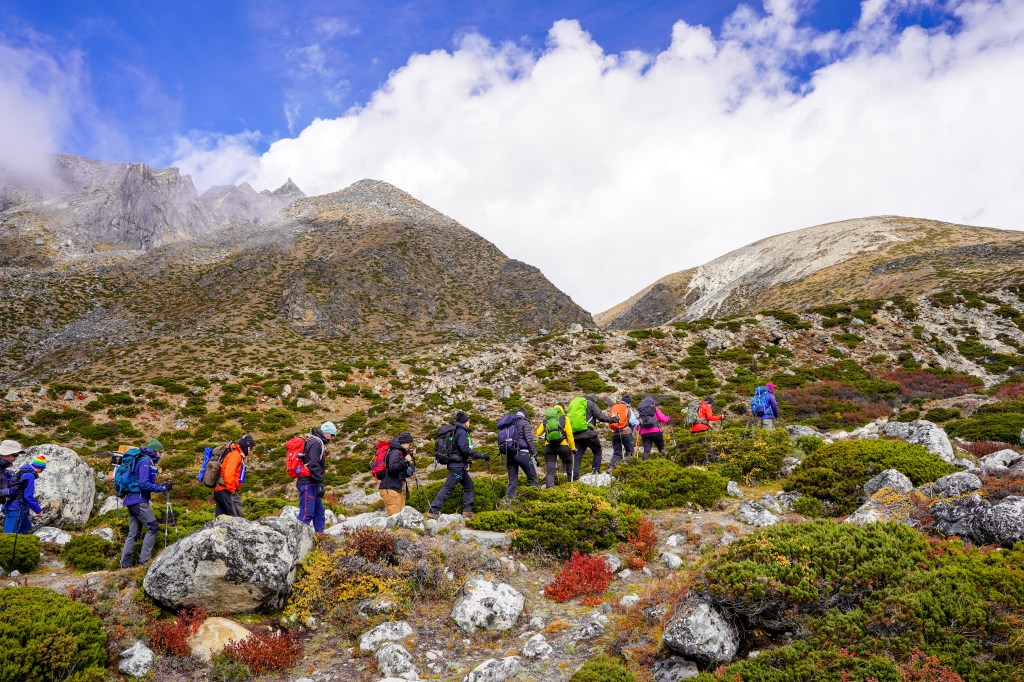
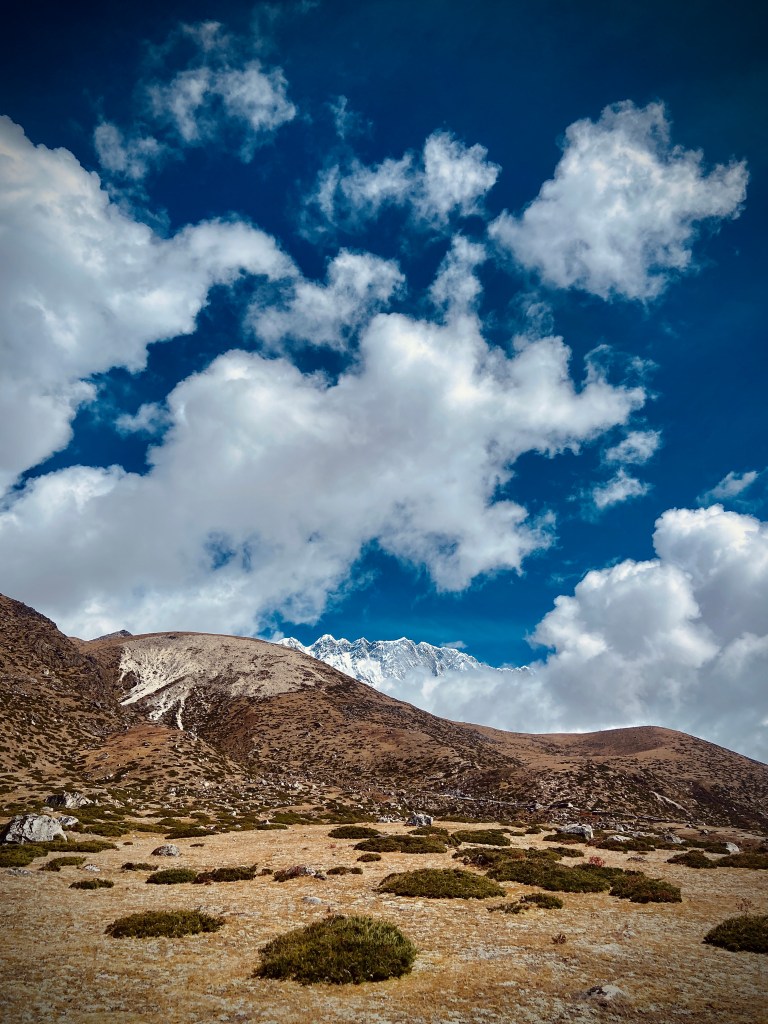
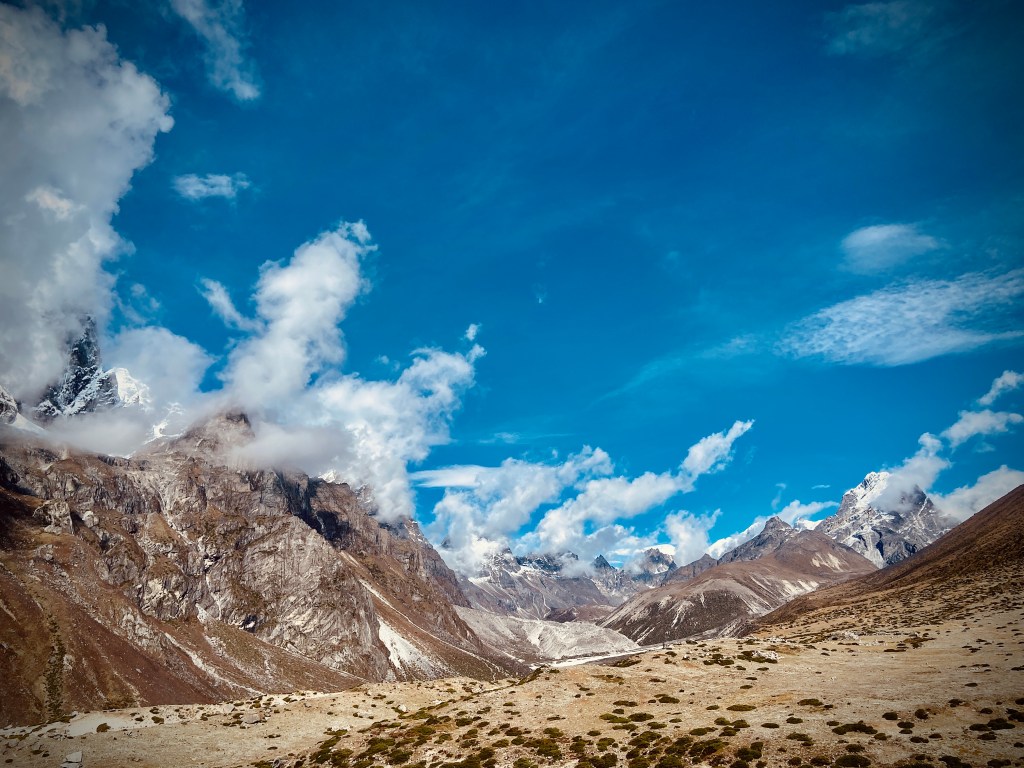
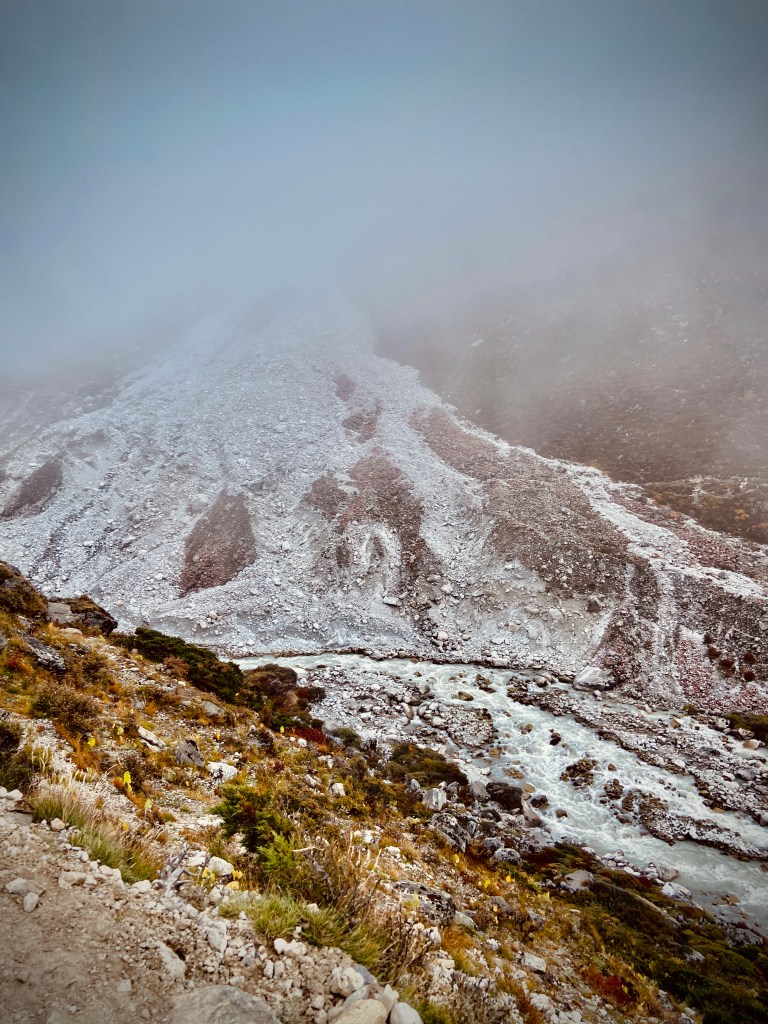
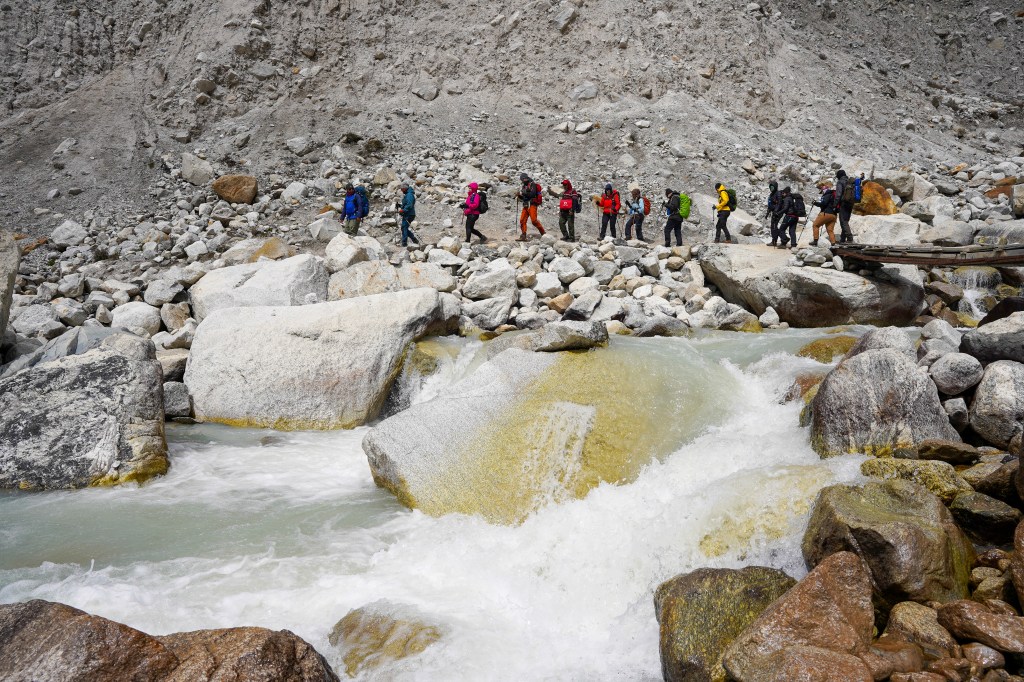
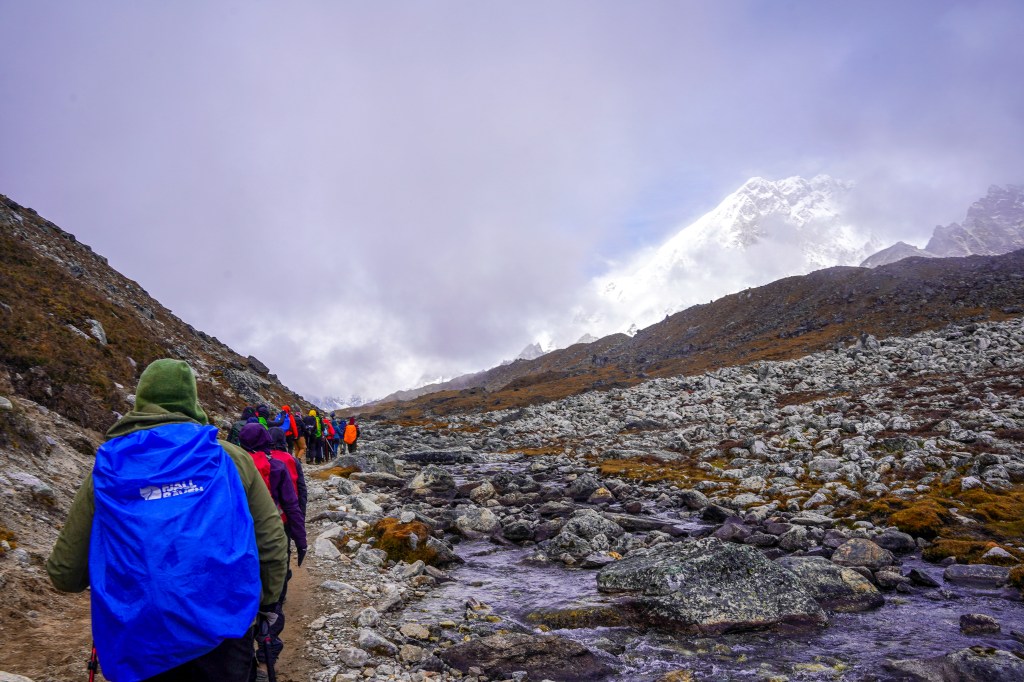
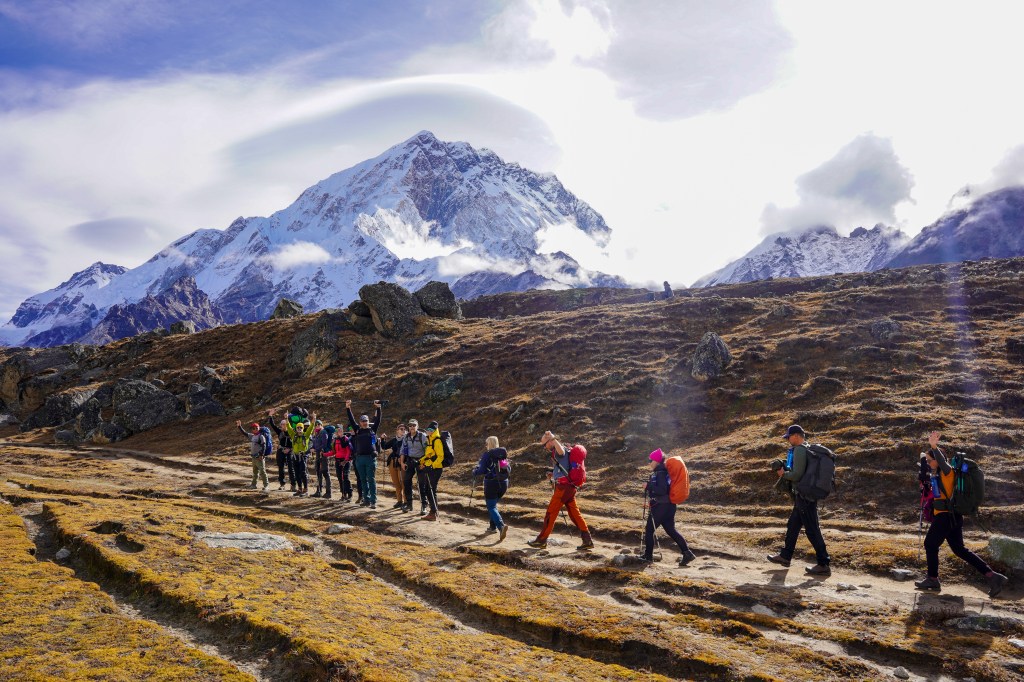
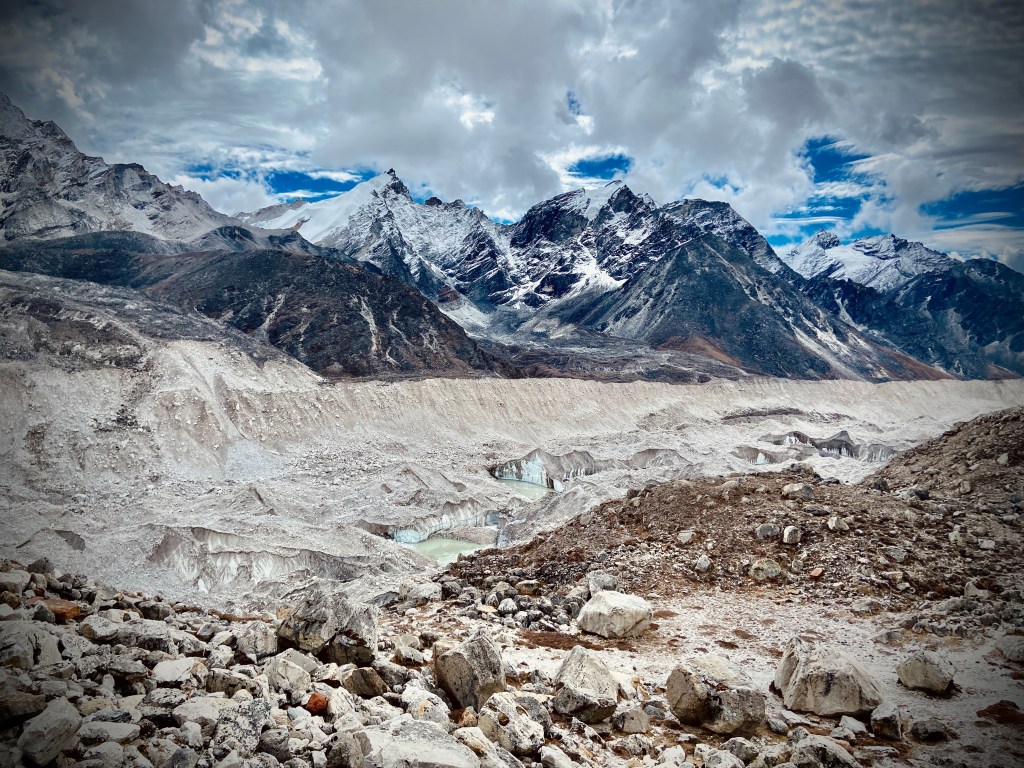
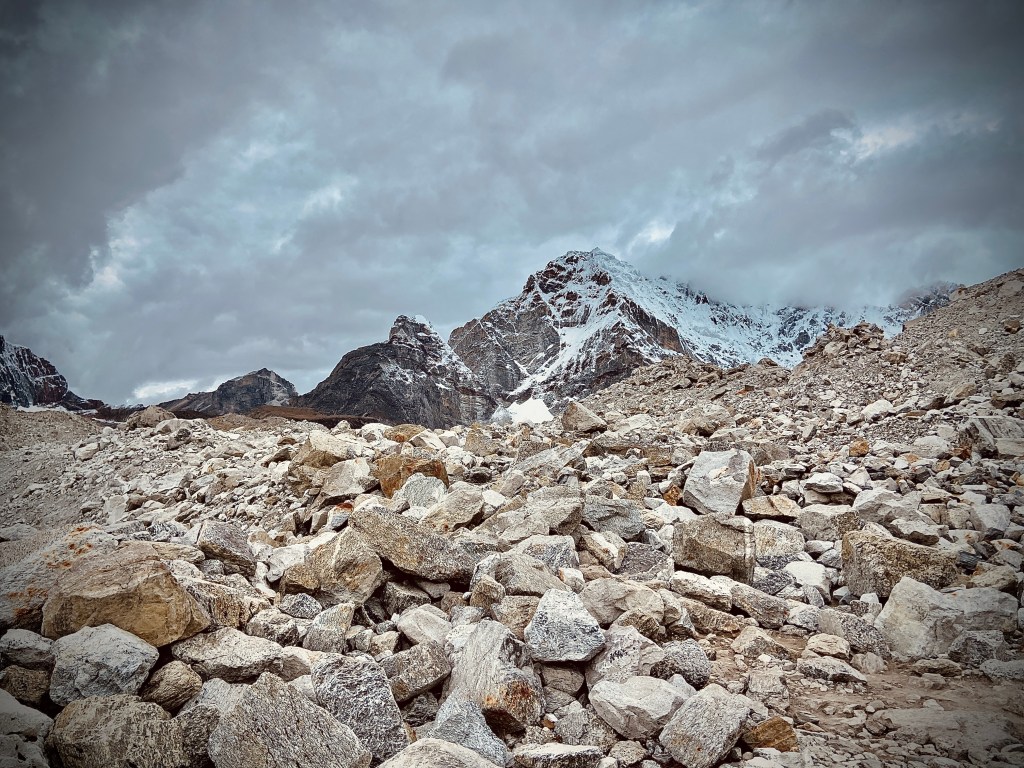
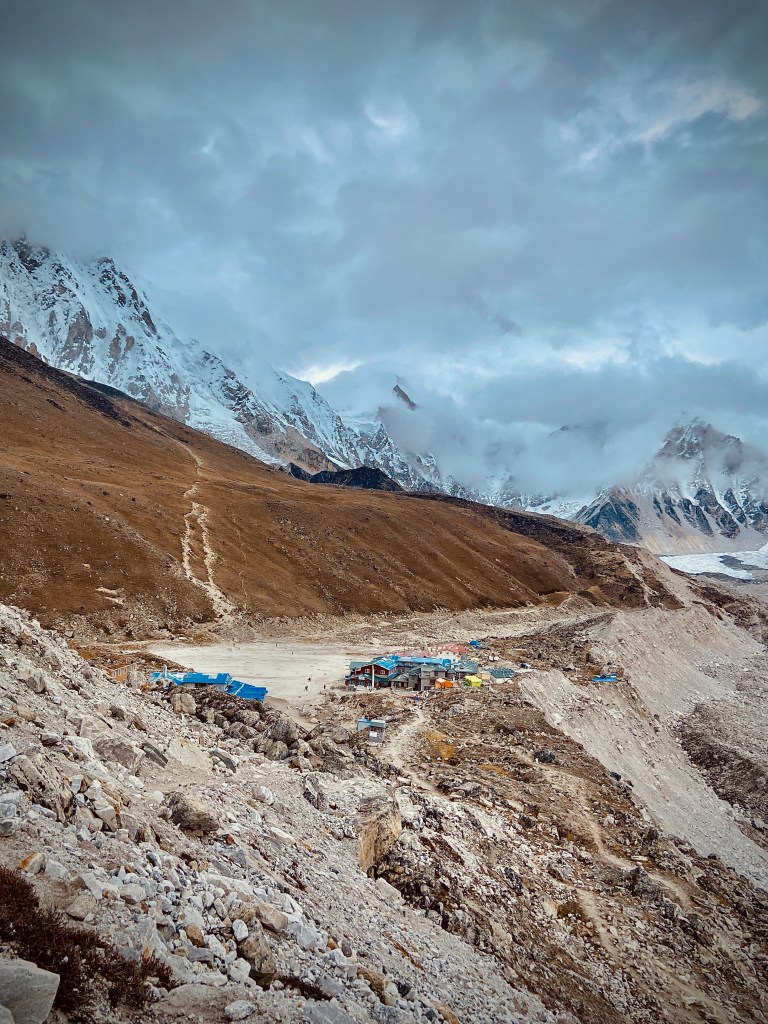
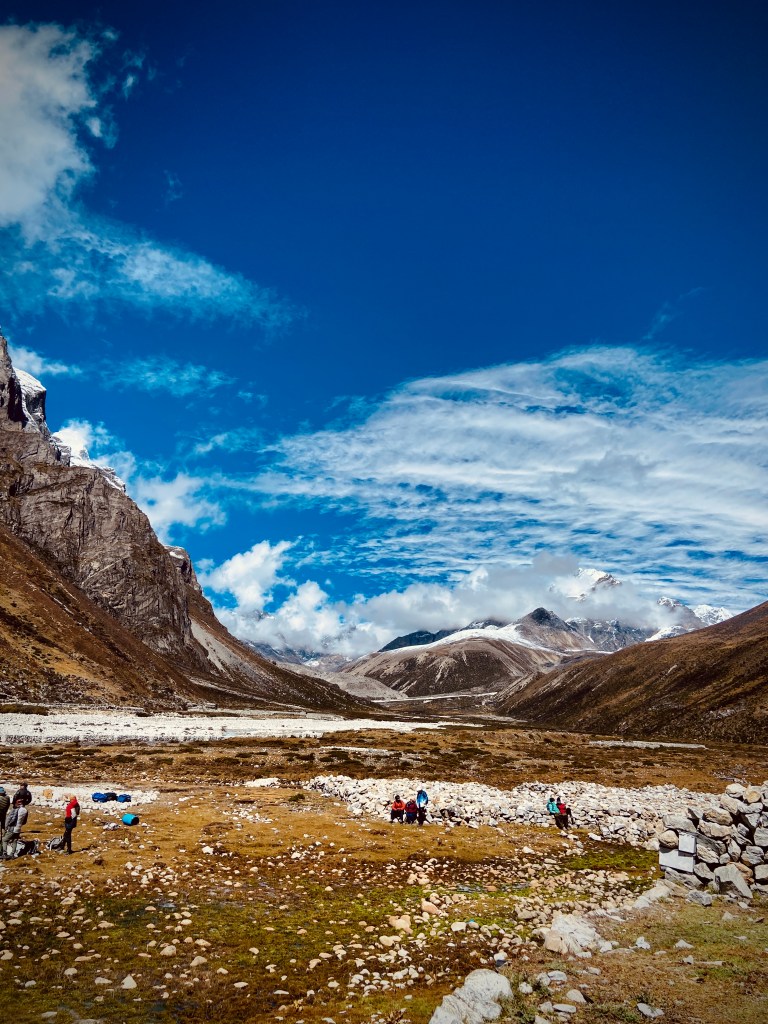
We navigated the rocky terrain of the Khumbu Glacier, as the route rose in short, uneven sections. With views of Nuptse and the surrounding peaks, we eventually reached the sandy flats of Gorak Shep at about 5160 metres, not without the scare of the glacier valley moving right behind us. We had crossed a point where signs warned about falling boulders. Suddenly, a great rumble was heard and a large portion of the valley literally collapsed. I can’t imagine what had happened if we’d crossed it only a few minutes after we did.
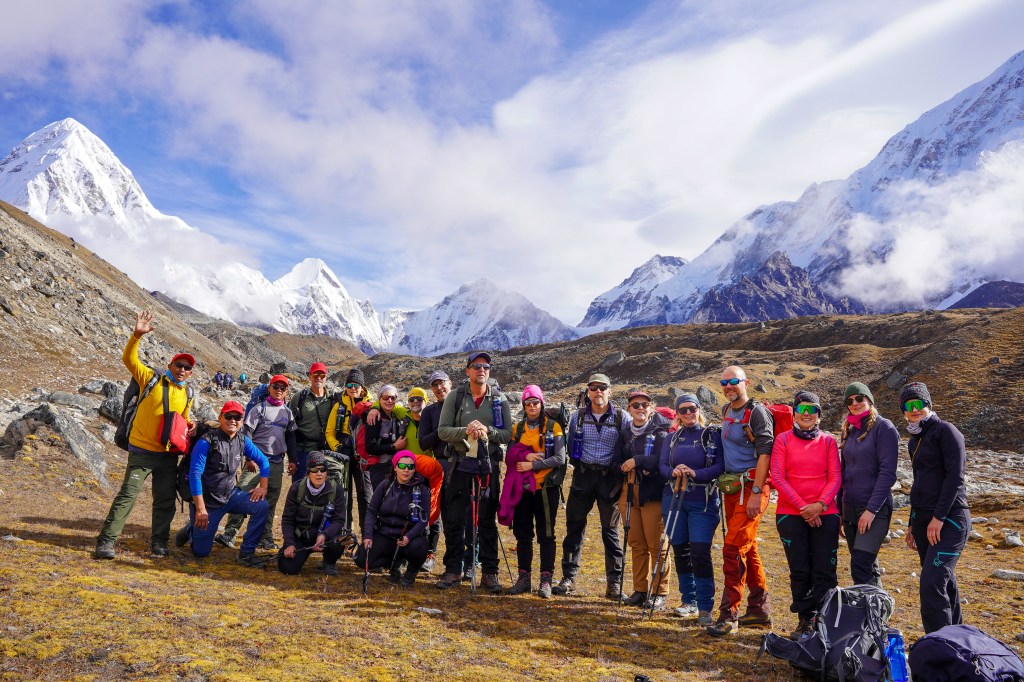
This bit was not easy, I’ll tell you that. For someone with short legs, stepping onto these rocks up and down at high altitude was a serious challenge. We had also been told in the morning that we would have to reach Gorak Shep before noon in order to make the last part of the trek up to Everest Base Camp. Those who couldn’t keep the pace would not be allowed to continue to Base Camp. So about halfway to Gorak Shep, I decided I was not going to push myself anymore. I felt okay, but I wasn’t enjoying the speed. I couldn’t take all the photos I wanted to, I couldn’t stop to have proper looks at the landscape surrounding me and I didn’t want to continue running out of breath at a pace I couldn’t handle. I would have needed one extra hour to make it and that was not allowed, apparently for safety reasons. Our group was also getting ill; one by one, people were coming down with colds, we had a lady who’d struggled with a stomach flu all the way and another lady who needed a bit of oxygen support during the last bit.
So half of the pack decided to go to Gorak Shep at a more humane pace and wait there for the other half, who would make the last leg in the afternoon and evening. A welcome break for me, especially a break from the Swedish female guide. Our interaction in Dingboche really left a bitter taste.
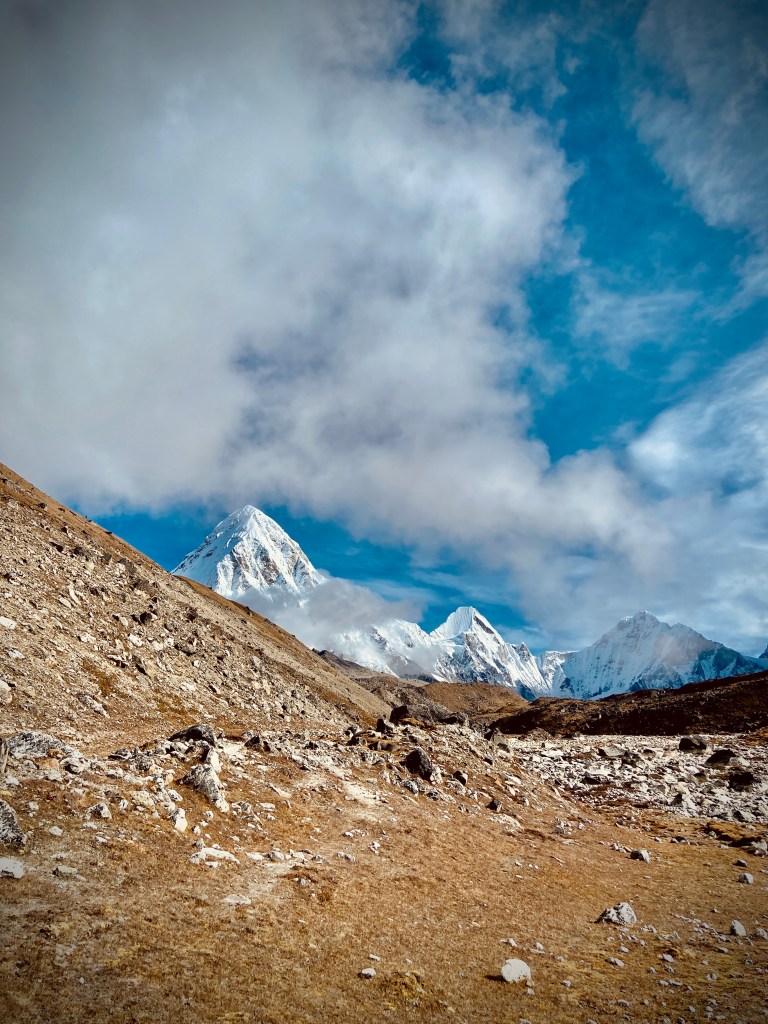
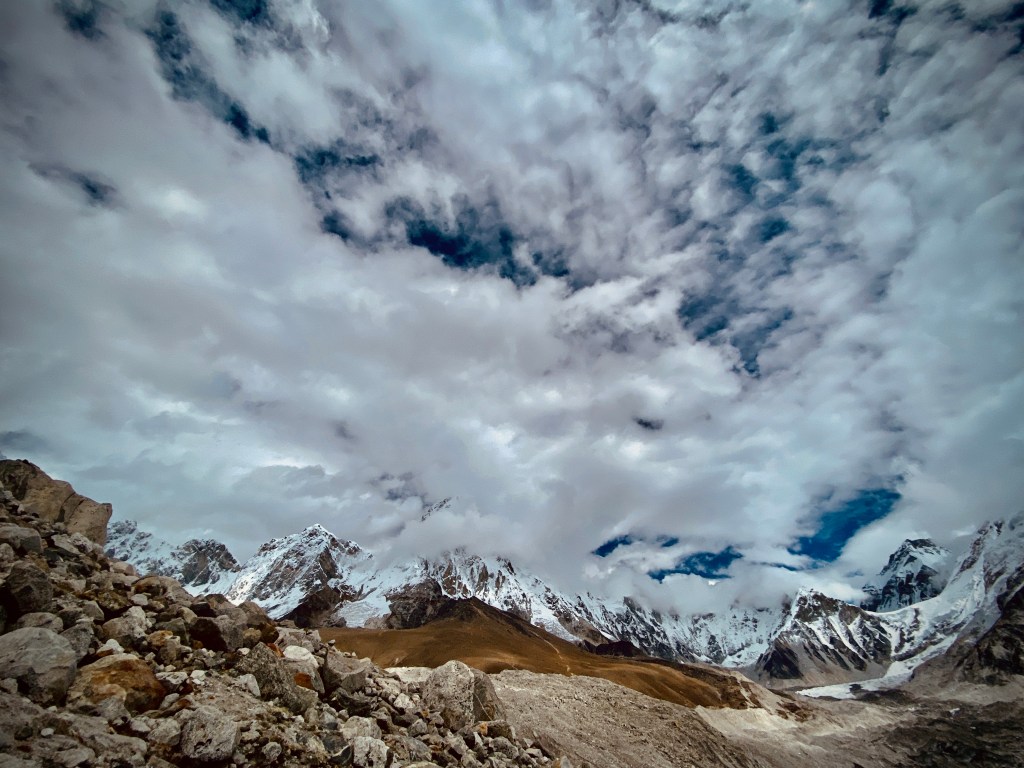
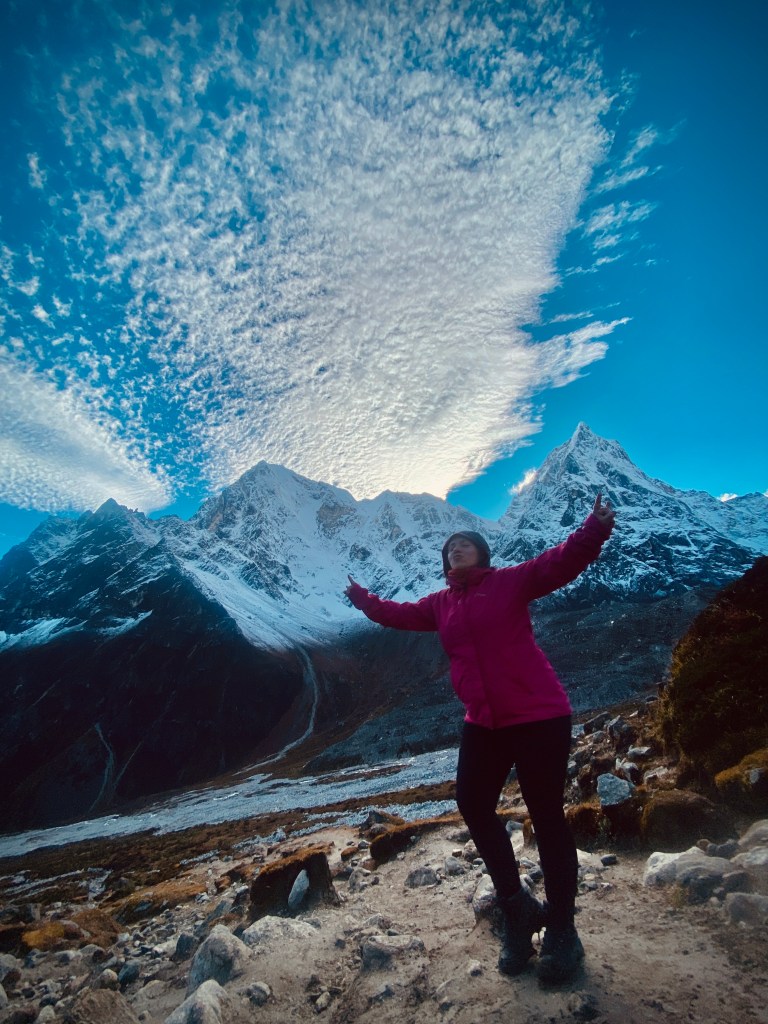
Gorak Shep is where you hear your blood flow, where every step is a workout and where you don’t know what day and time it is. Luckily, the views are better than from Base Camp, so I didn’t regret my decision. At Base Camp, you don’t really see Mount Everest, especially on a cloudy day.
Our afternoon at the lodge was quiet, they had Pringles – finally something salty that I had been longing for, and the people who went all the way up came back when it was pitch dark, completely knackered.
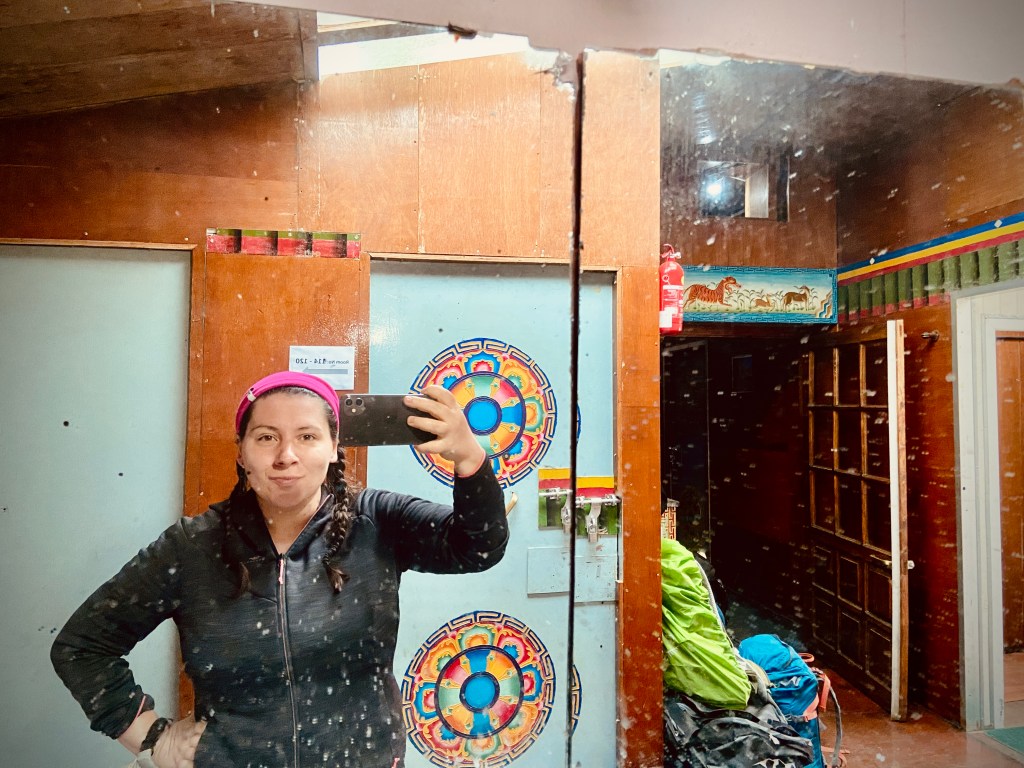
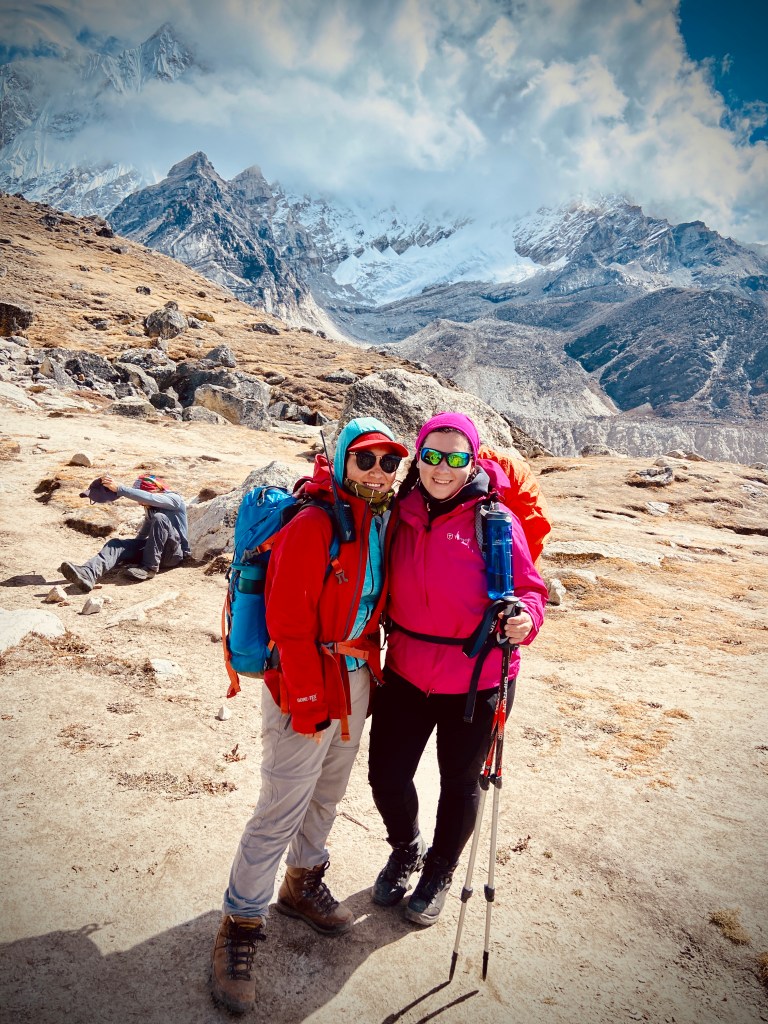
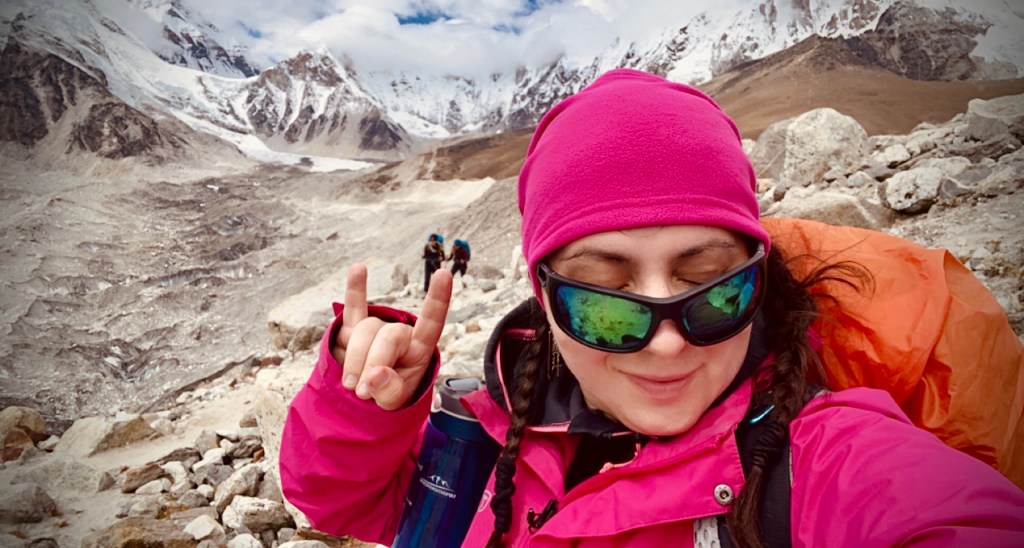
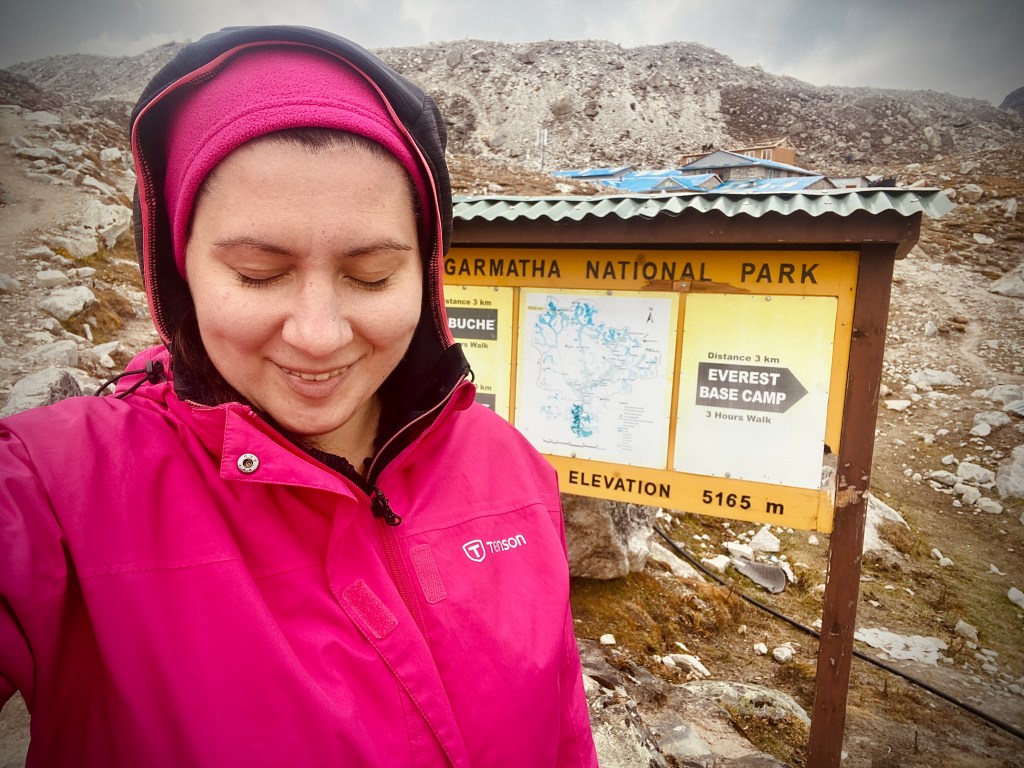
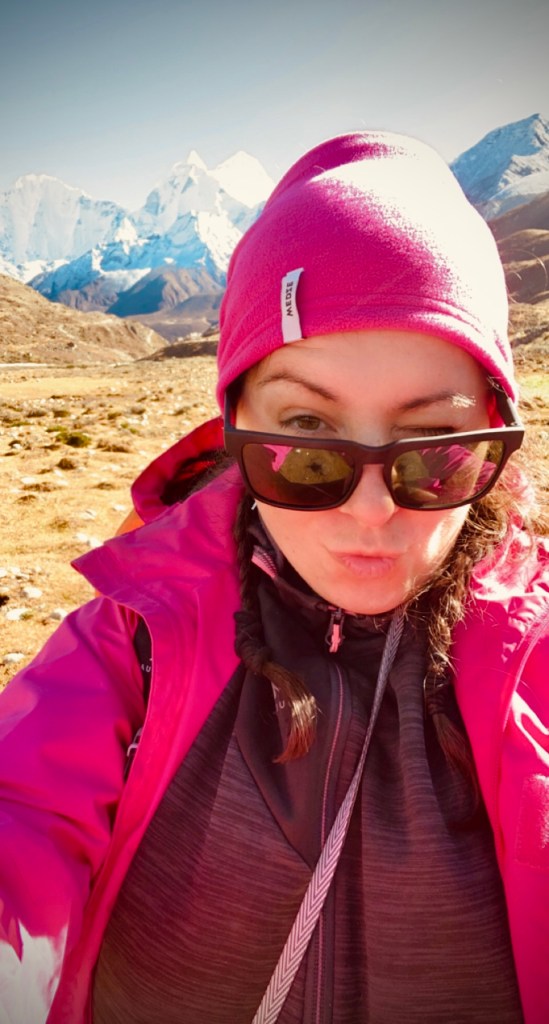
My proudest moment ever has to be the crappy selfie I took next to the village sign. At an altitude of 5165 metres, with frozen fingers and puffy face, after I don’t know how many days without a shower and wondering if the slow bleeding was my period thickening from the lack of oxygen, or if any internal organs had collapsed when I tripped over my own feet at Thukla. Was I slowly dying? Were the birds circling the wilderness that is Gorak Shep going to eat me? If I go for a walk, will I come back or will some hidden portal swallow me whole? Warped time and space?
Days 9–10 • Gorak Shep to Pheriche and Lukla
The night in Gorak Shep gave me the first slight headache. Luckily, that was easily taken care of with 10 minutes of deep breathing on the edge of the bed. After that, sleeping is no problem at all. Exhaustion is your middle name and at -6 degrees in the room, something would be wrong with you if you didn’t fall asleep.
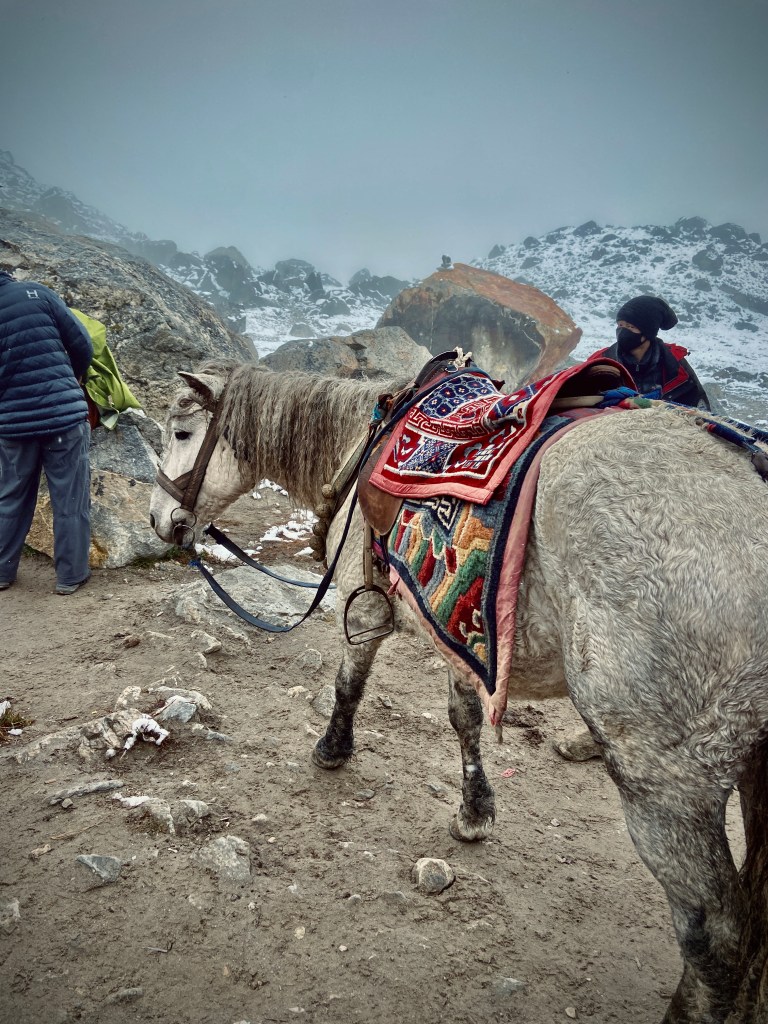
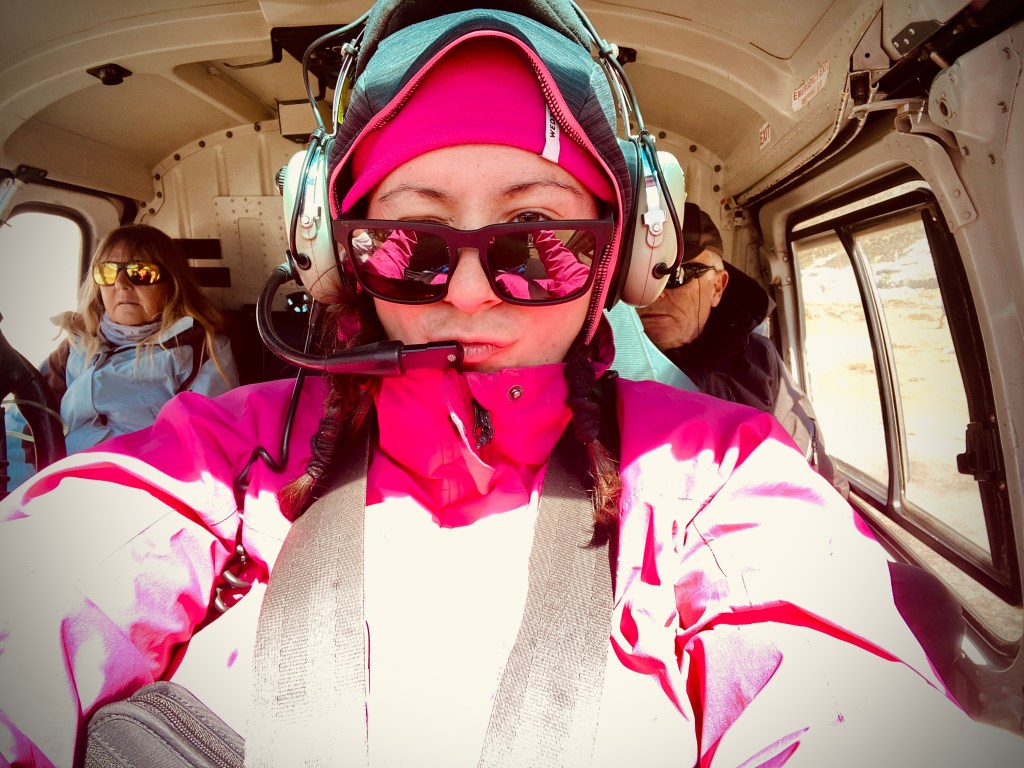
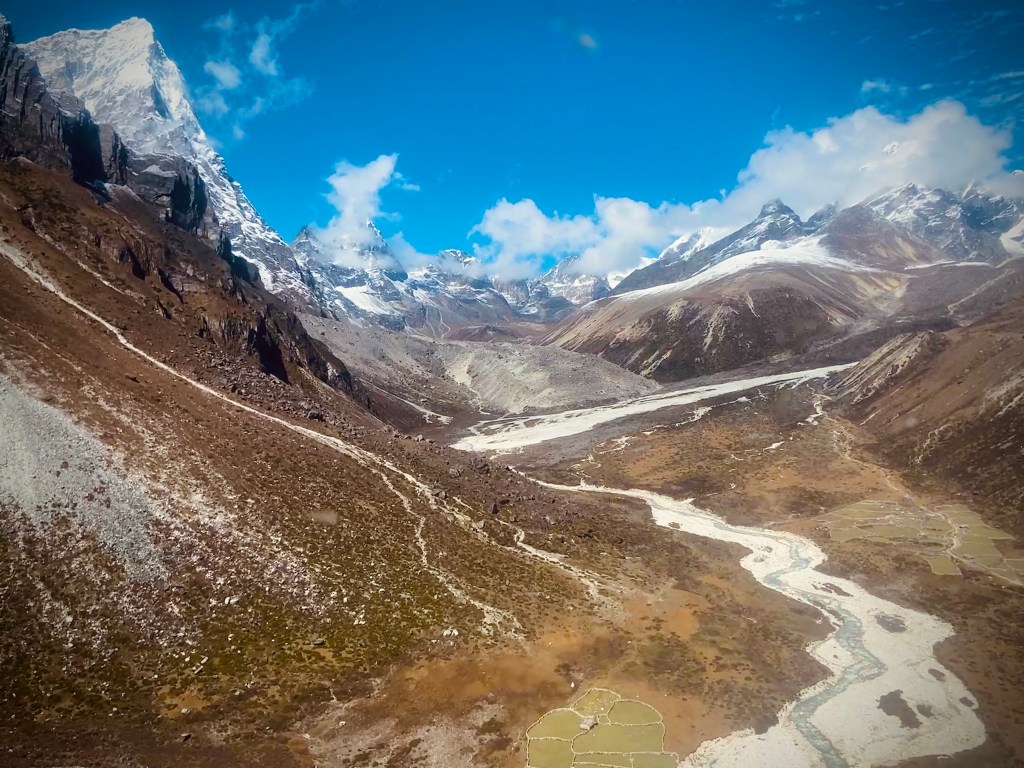
Berith, who had needed the oxygen, and her husband Bo had decided they’d try to get back to Lukla sooner in a helicopter, so that she could see a doctor and make sure she’d be okay. I asked if I could join them so that we’d split the cost. I borrowed money from my friend to cover the extra costs. We woke up to a snow covered landscape and the news that nothing was flying in the area, because of the snow and poor visibility. At that altitude, when air traffic is stopped, the ambulance is a horse. So if you’re really poorly, your fate will be a bumpy ride downhill. We had to start walking and get as far as we could on the descent to Namche. We passed Thukla again and made it to Pheriche. That’s when the group split again. I stayed behind with Berith, Bo and some of the guides and crew. We finally got a helicopter, through the magic touch of Pemba who did everything in his power to solve things.
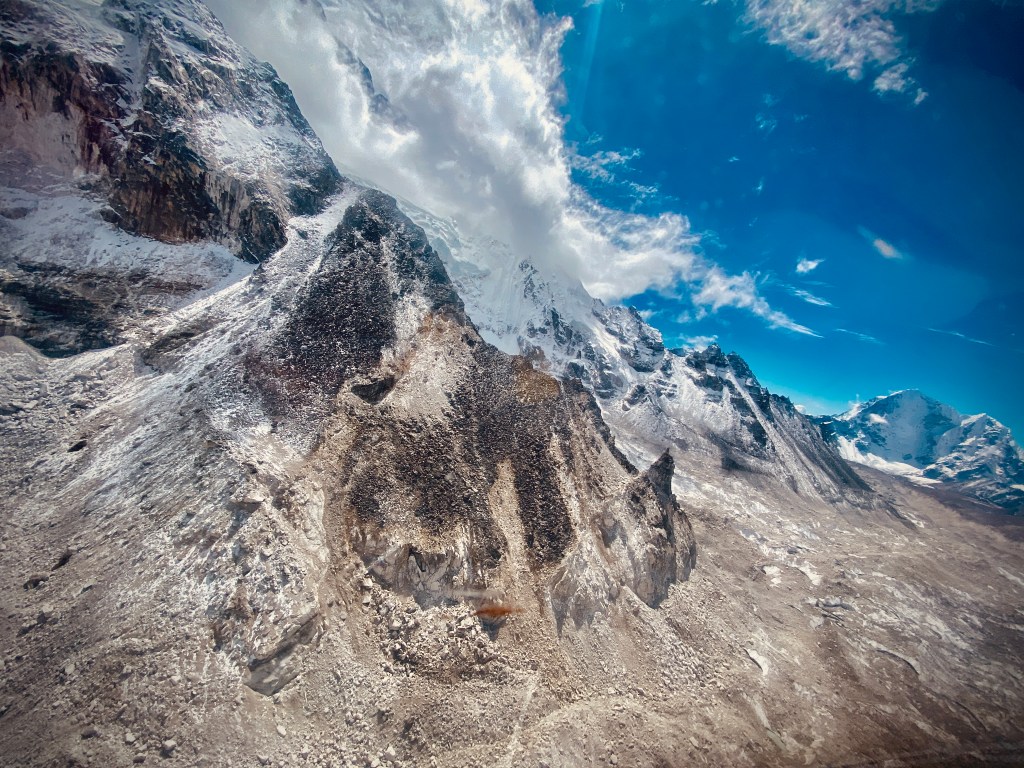
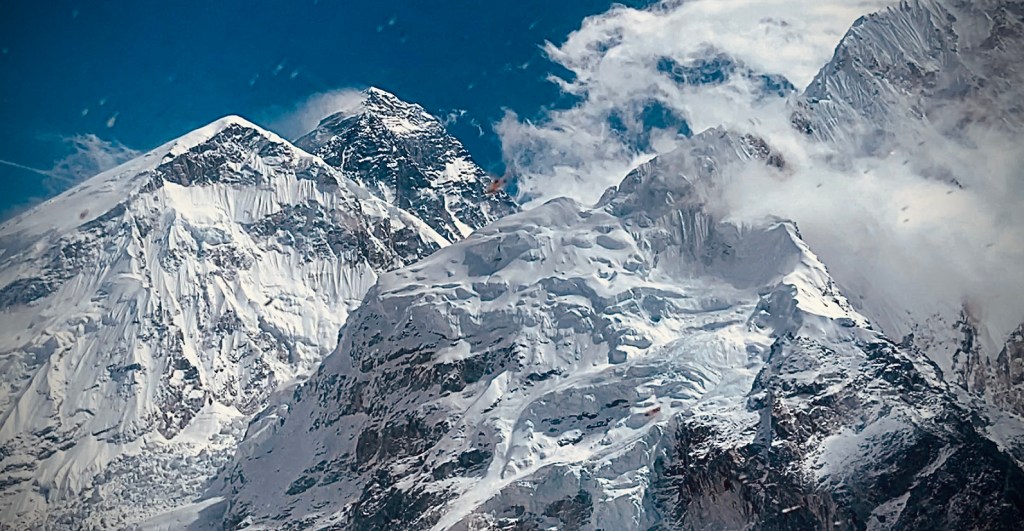
We first flew North again, to see Mount Everest. That was a moment I will never forget and every time I watch my videos, I cry. I also cried in the heli, not knowing that the headset I was wearing was the connection to control centre, where every single message was heard by everyone. So as our pilot was showing me the mountain right in front of us, I wept from all the emotion. And suddenly in my ear, I could hear “Miss, are you okay?” from someone who was not in my helicopter. Eh, what the hell, open the floodgates! I lived to look straight at the tallest mountain on the face of this planet. There’s nothing like it. It’s my party and I cry if I want to!
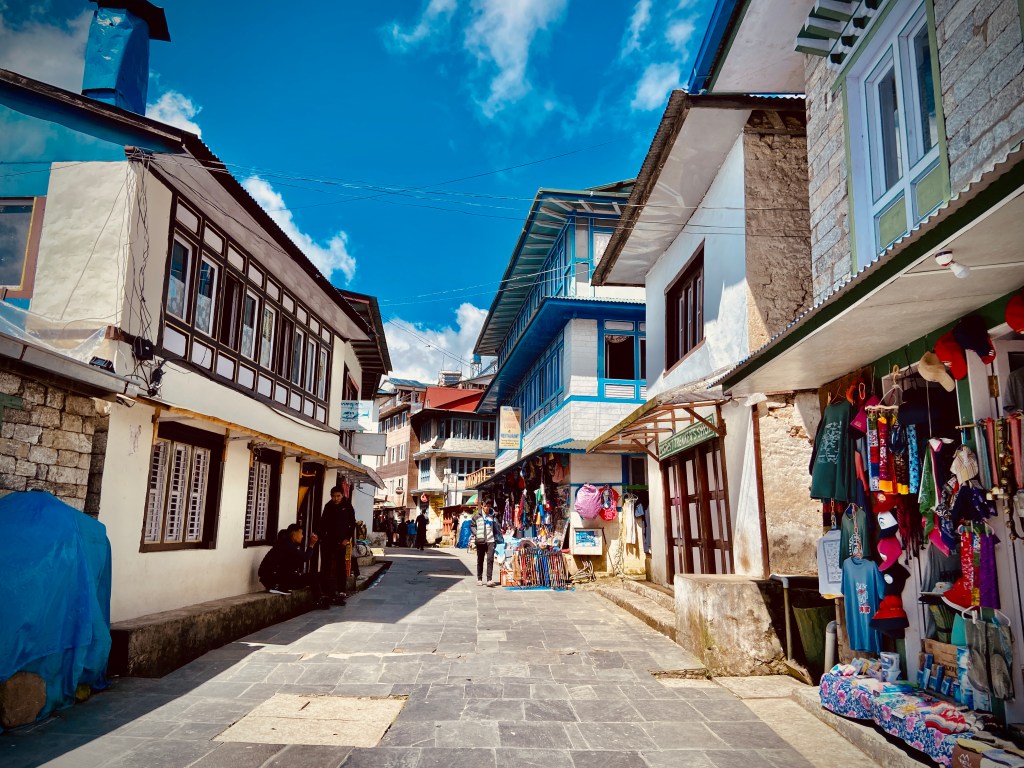
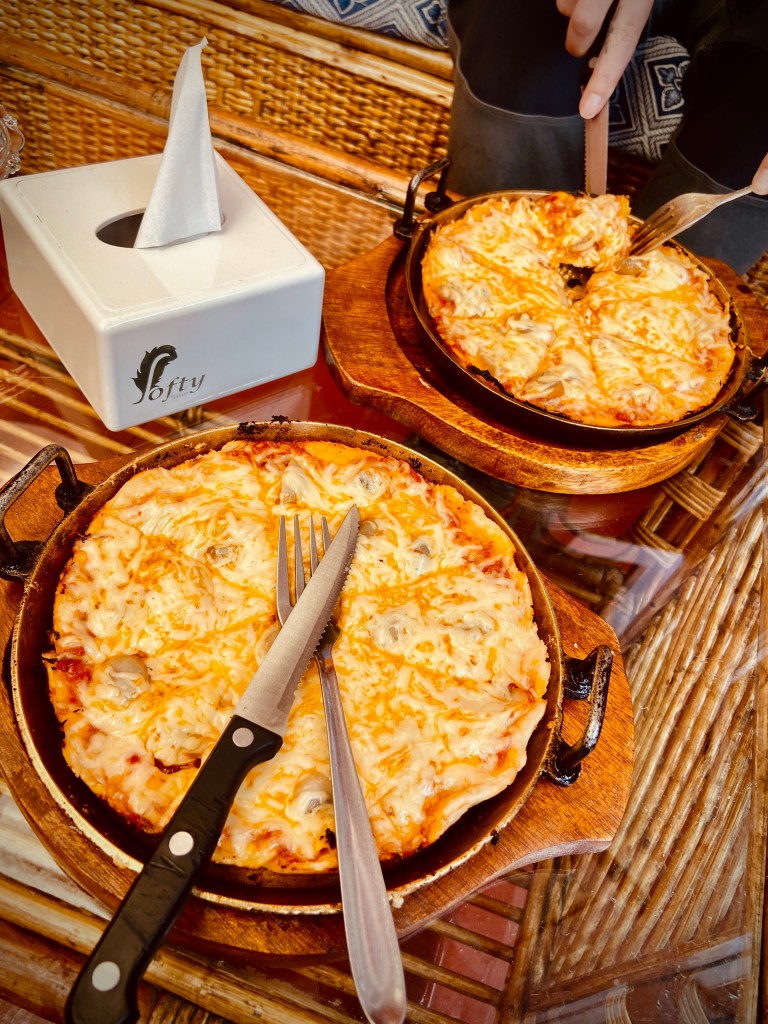
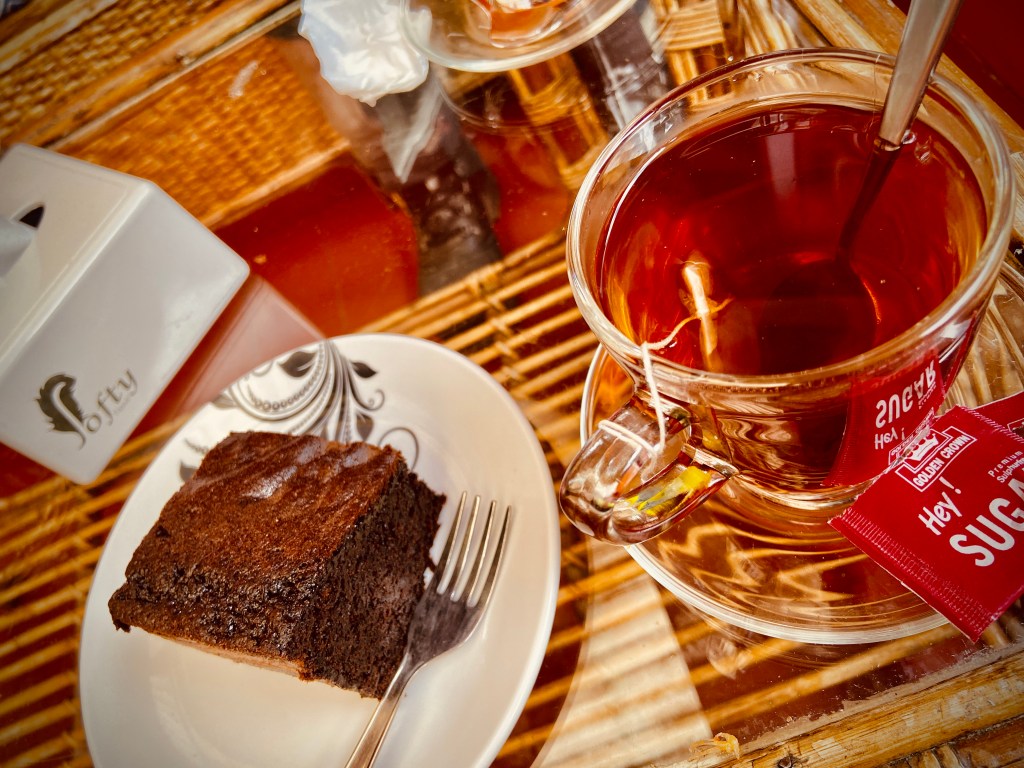
We then turned back and arrived in Lukla one day earlier than the rest of the group, who were now in Namche. The en suite bathroom with hot shower at our lodge in Lukla was a sight for sore eyes. Sunshine, a bit of shopping and delicious food, followed by a good night’s sleep in warm blankets.
Days 11–12 • Goodbye mountains, hello again city!
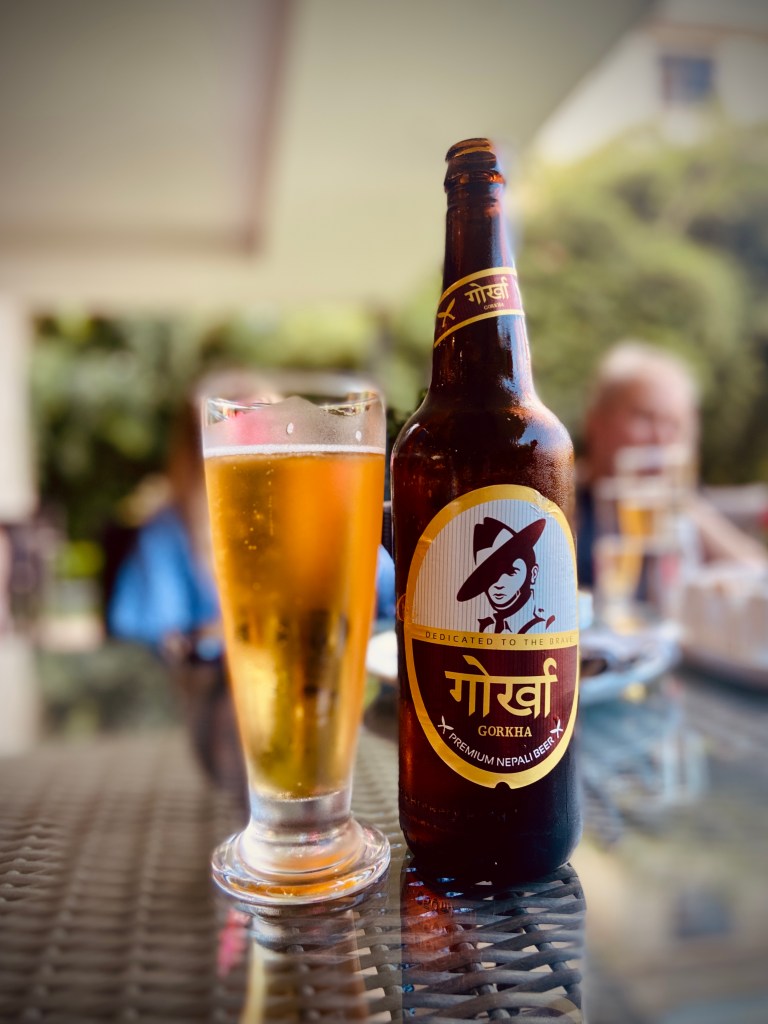
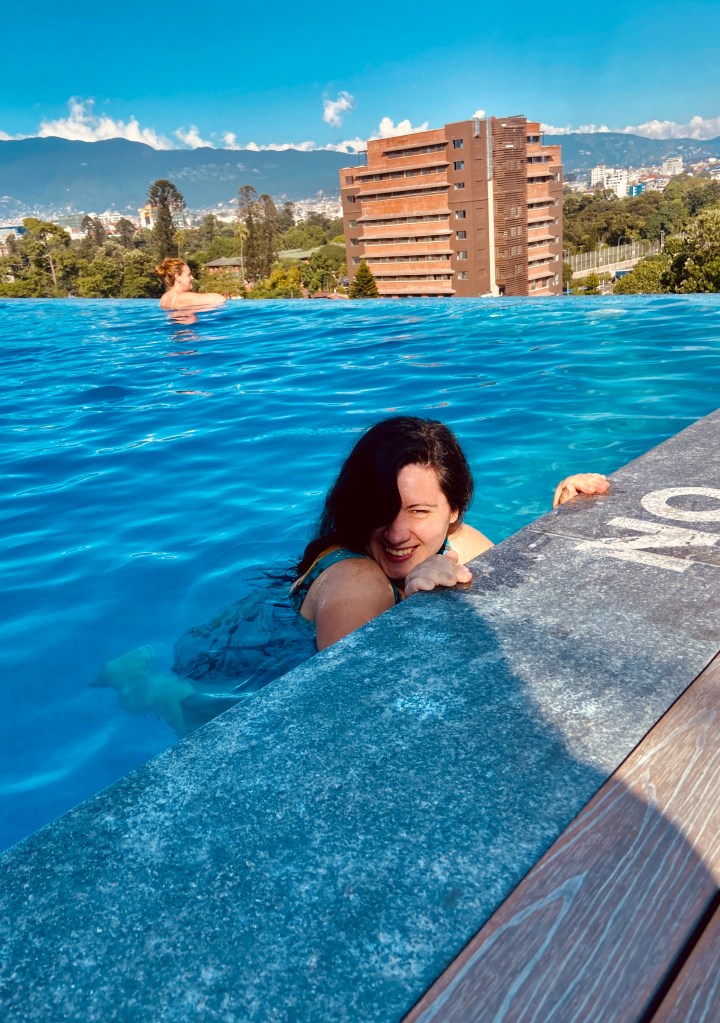
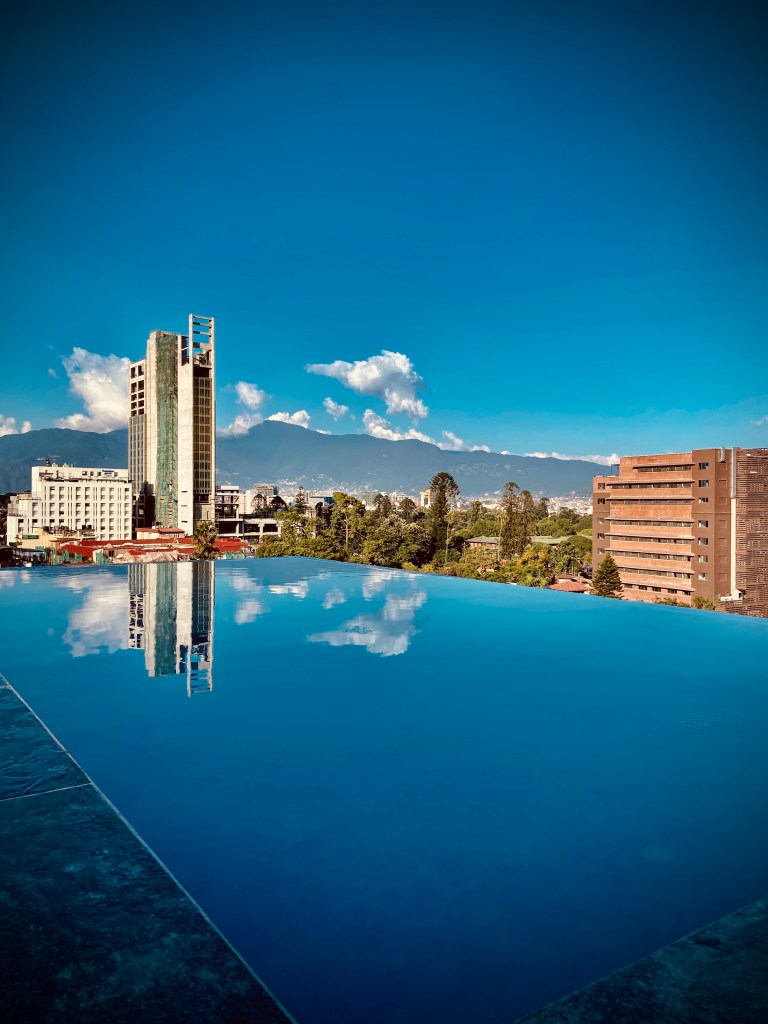
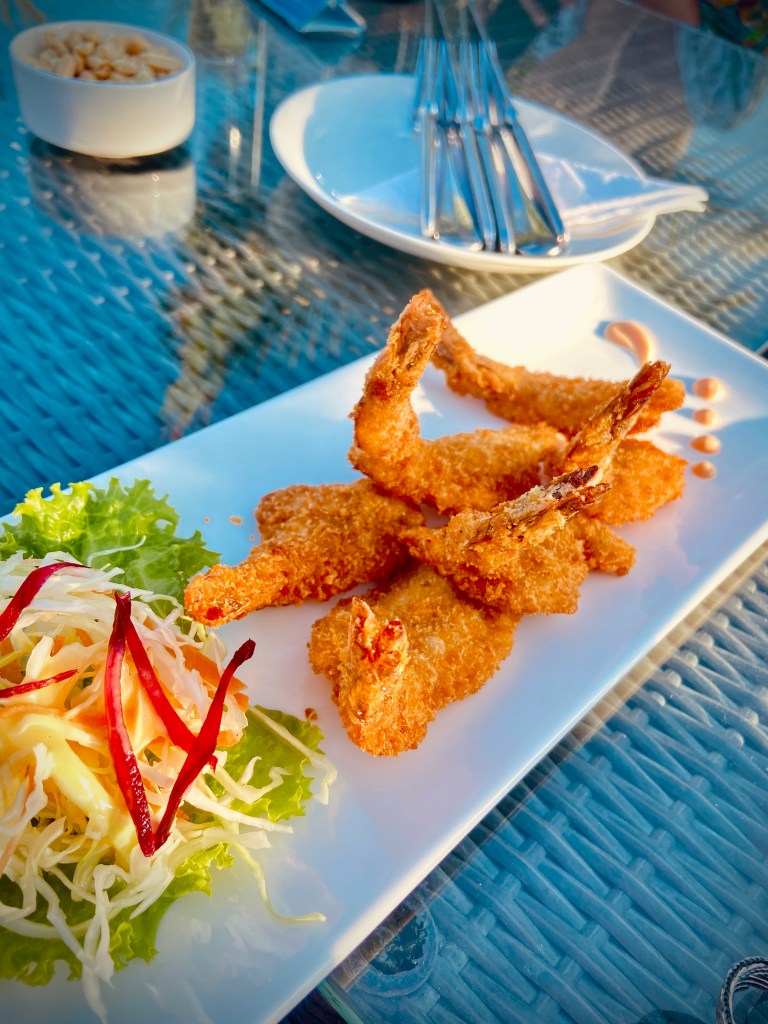
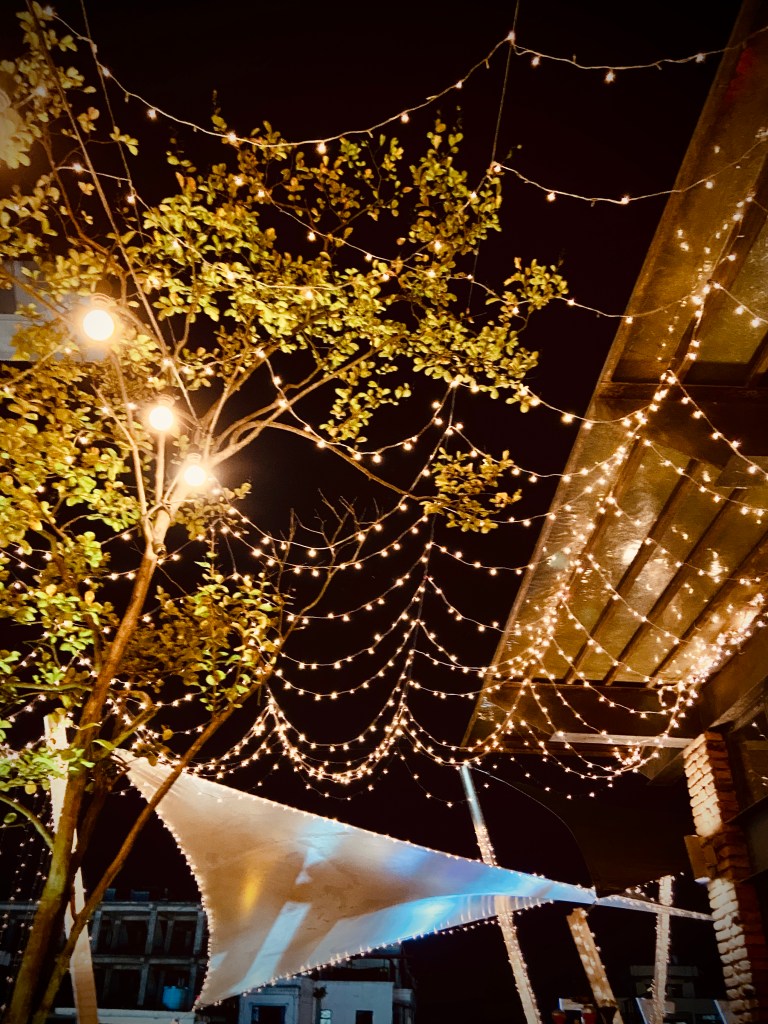
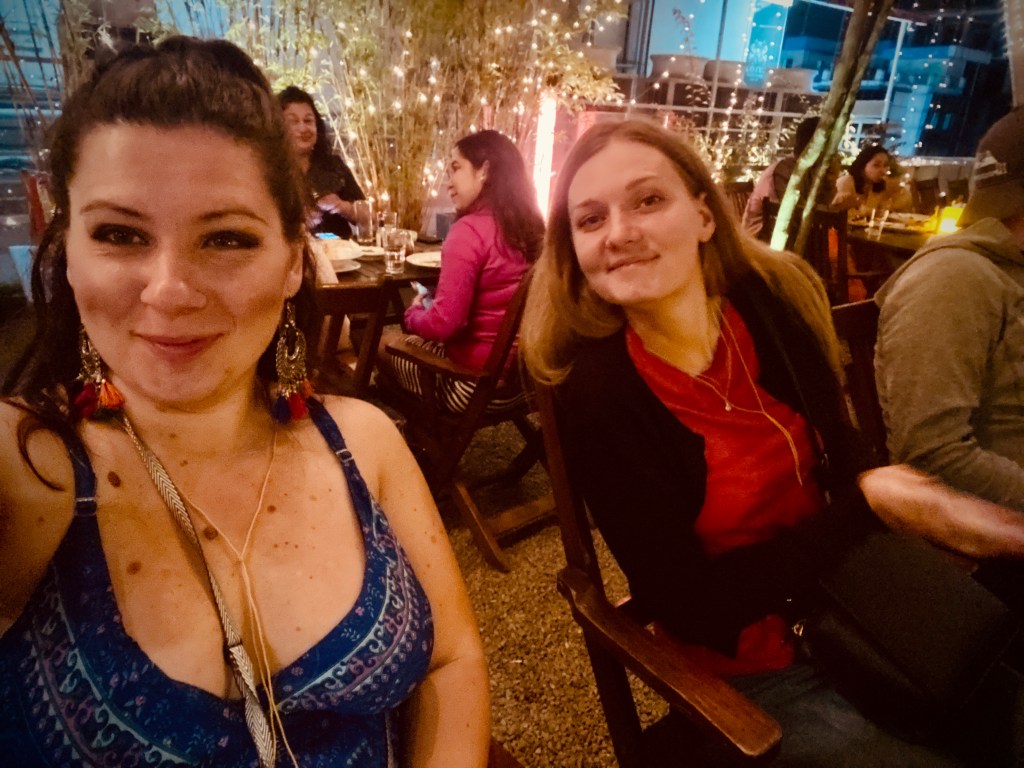
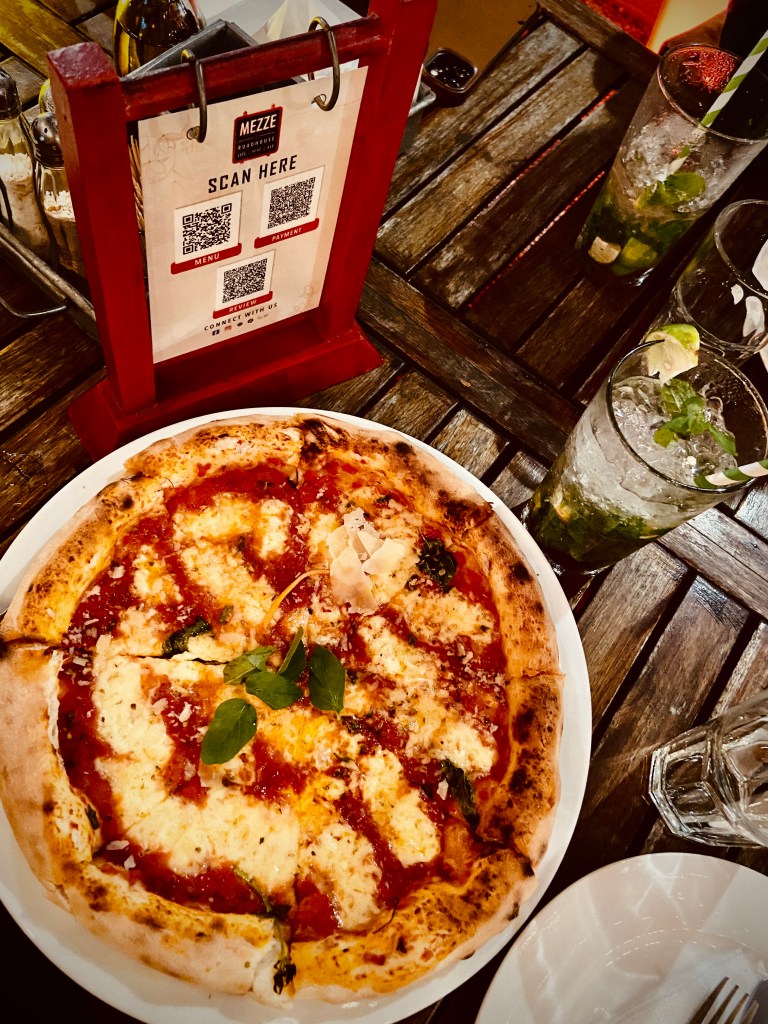
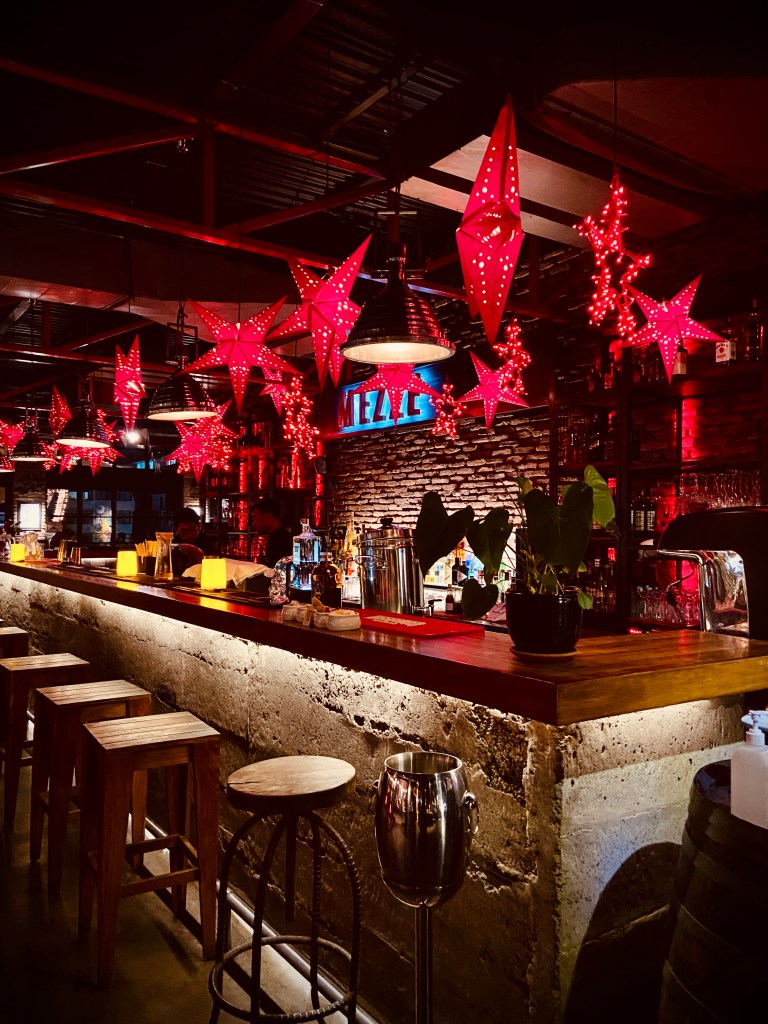
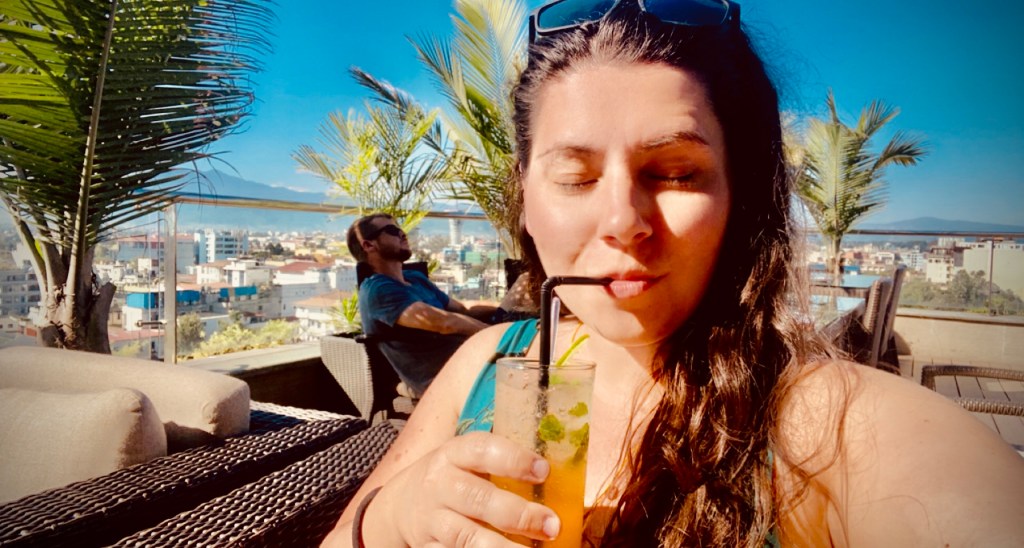
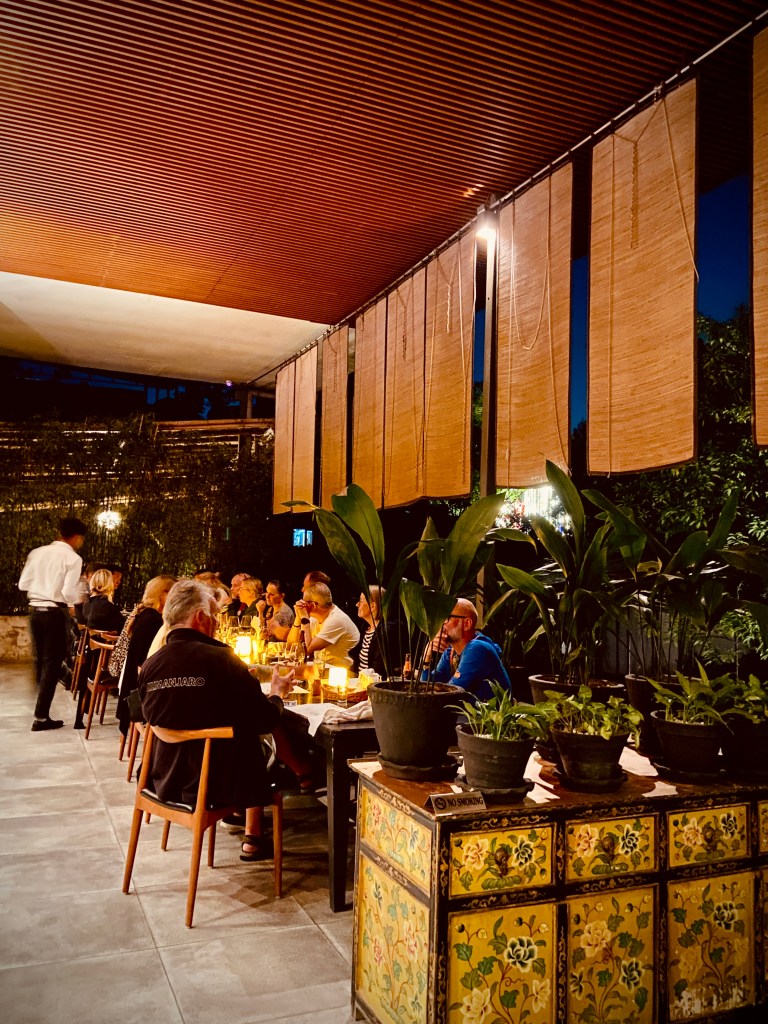
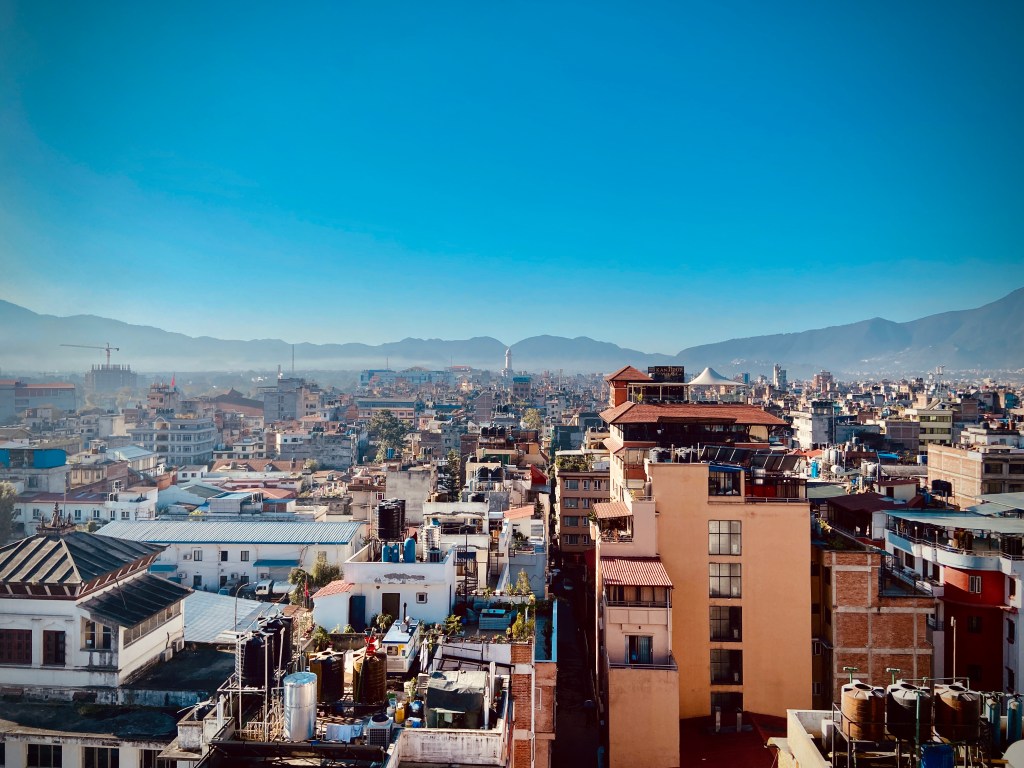
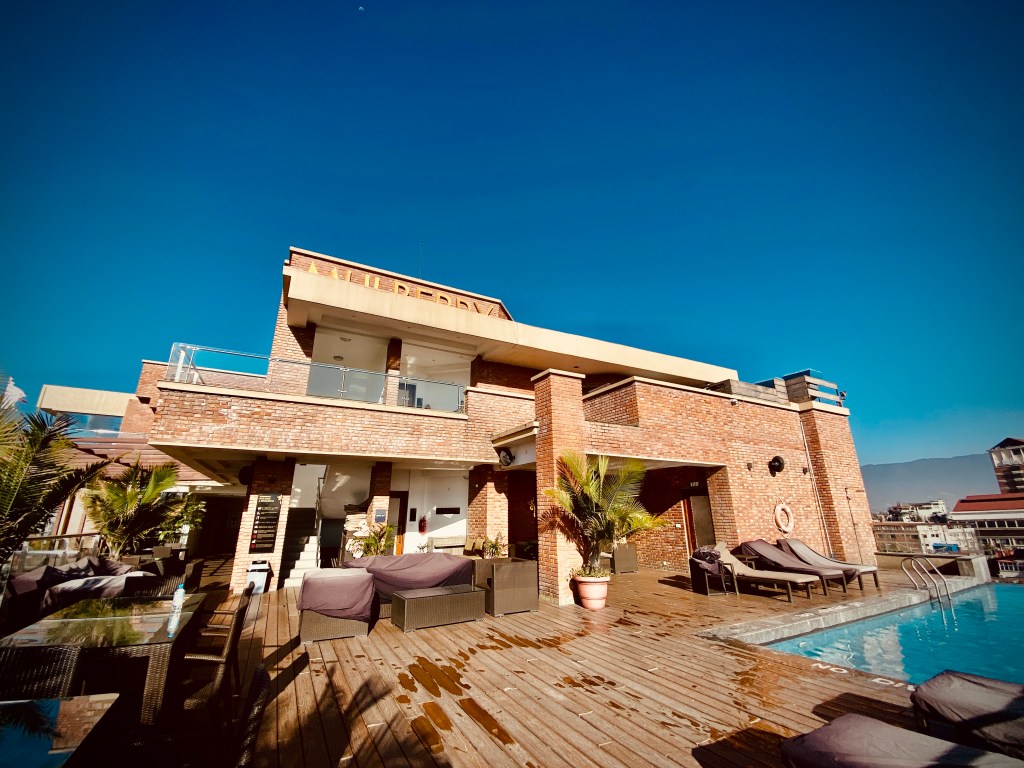
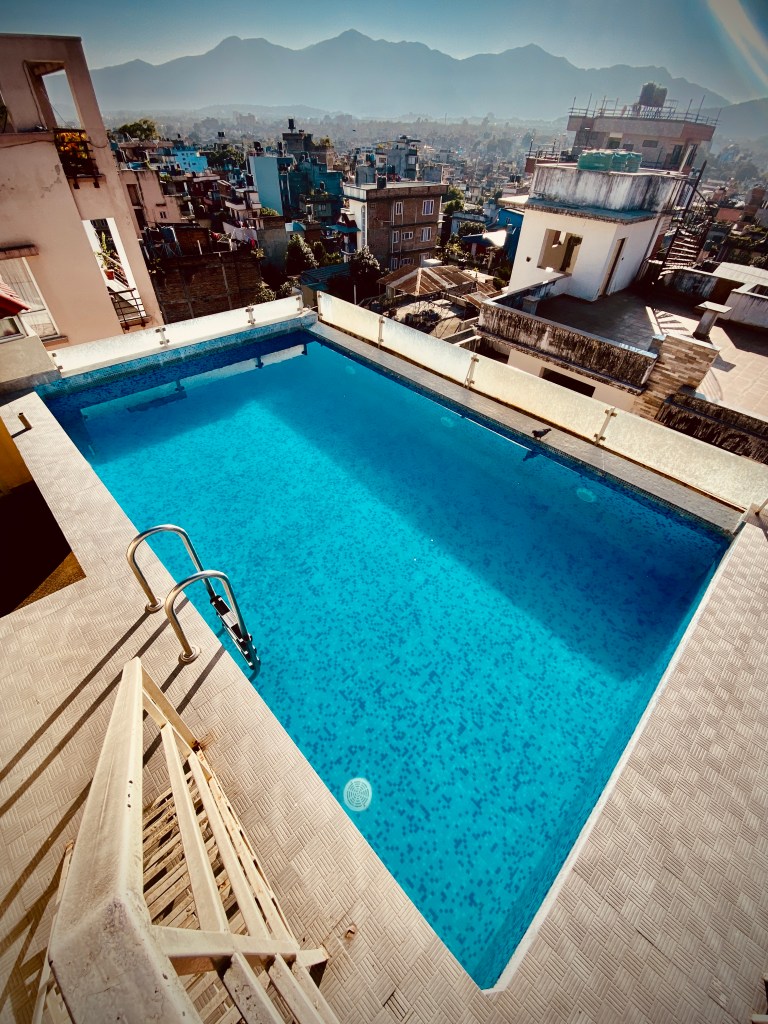
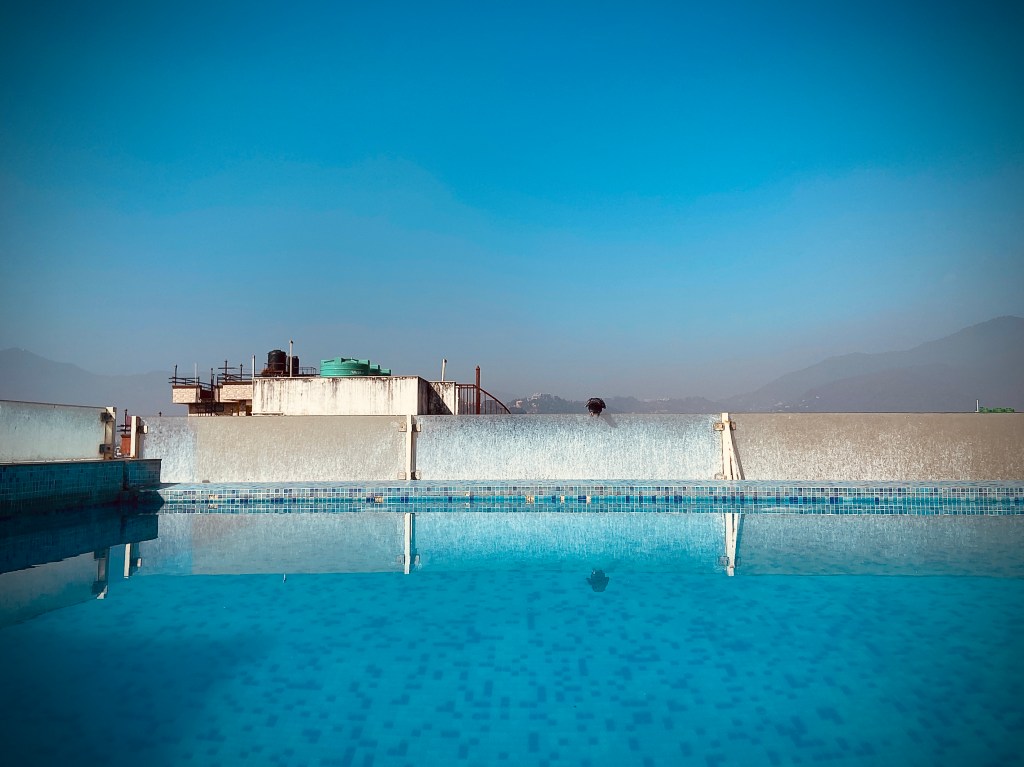
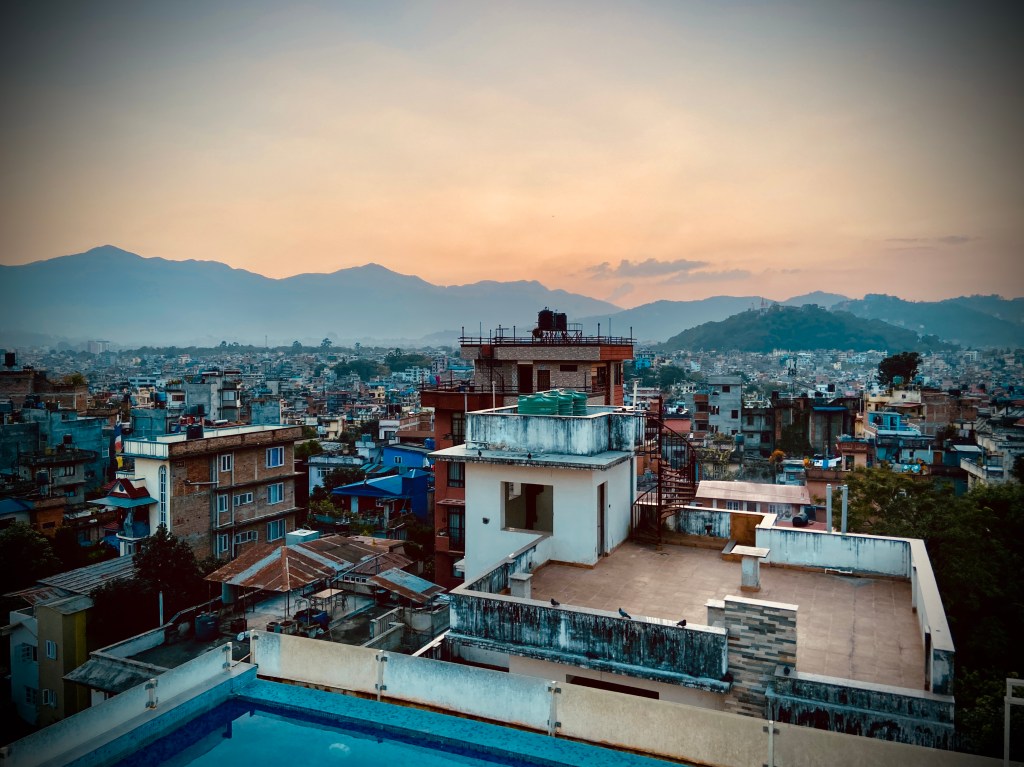
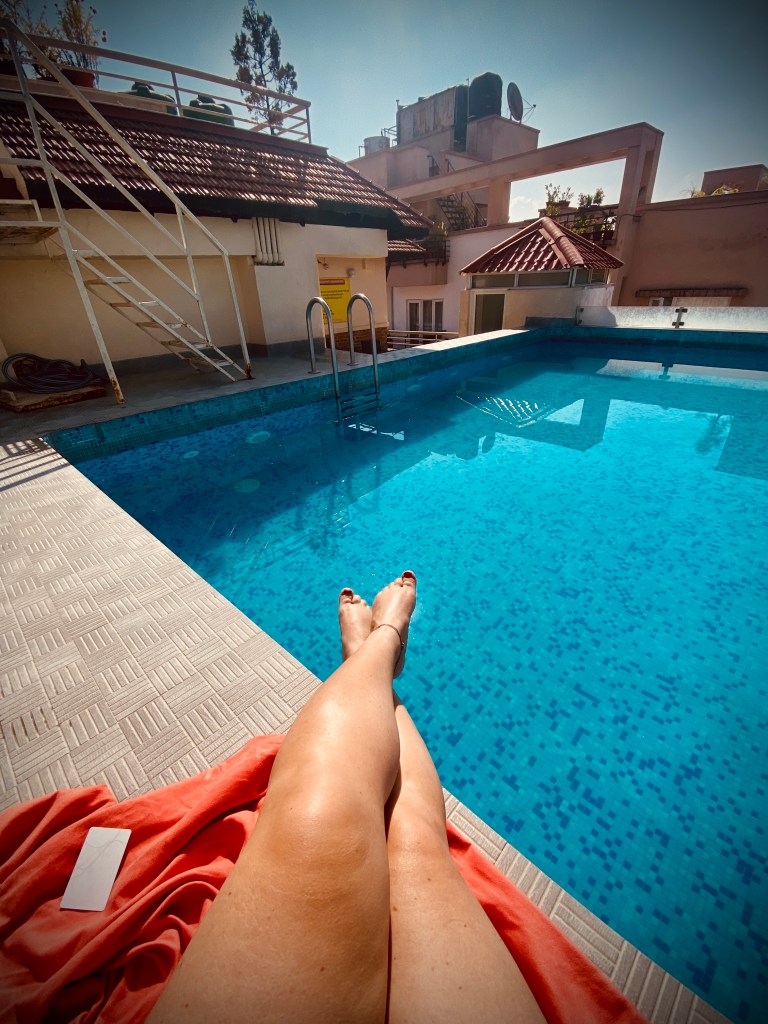
The rest of our group arrived in Lukla and we left the mountains and Sherpas the following day. Back in Kathmandu, chilling at the rooftop pool, having a massage, enjoying nice dinners out on the town and a bit of sightseeing in the Thamel area with my roomie.
Day 13 • Goodbye friends, hello time to recharge on my own for a few days!
When booking the trip, I asked to stay a few days longer in Kathmandu after the trek. That’s why my flight ticket was a bit more expensive and I had to find a new hotel within my budget. Not to brag or anything (ok, lots of bragging), but I’m a master at that.
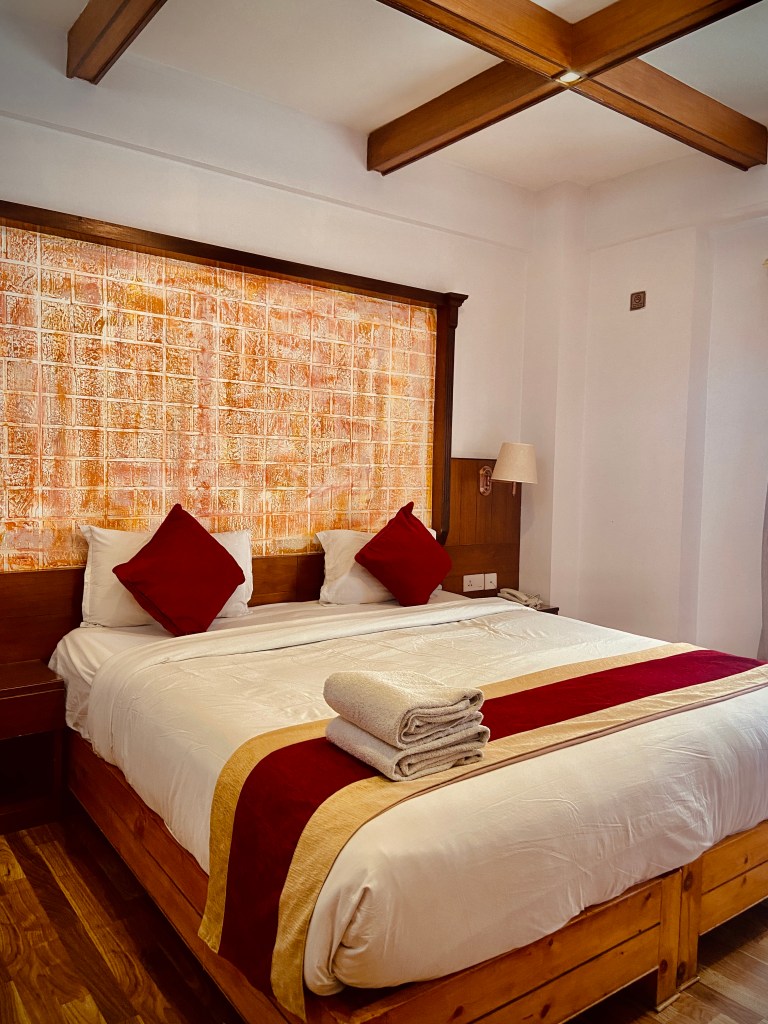
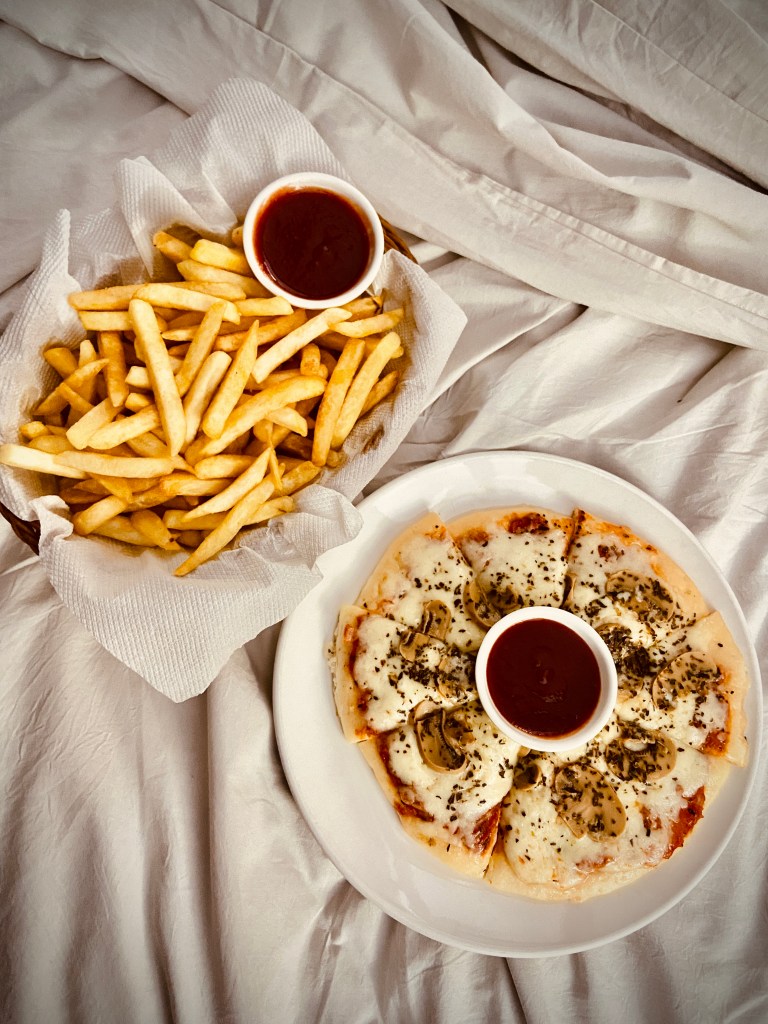
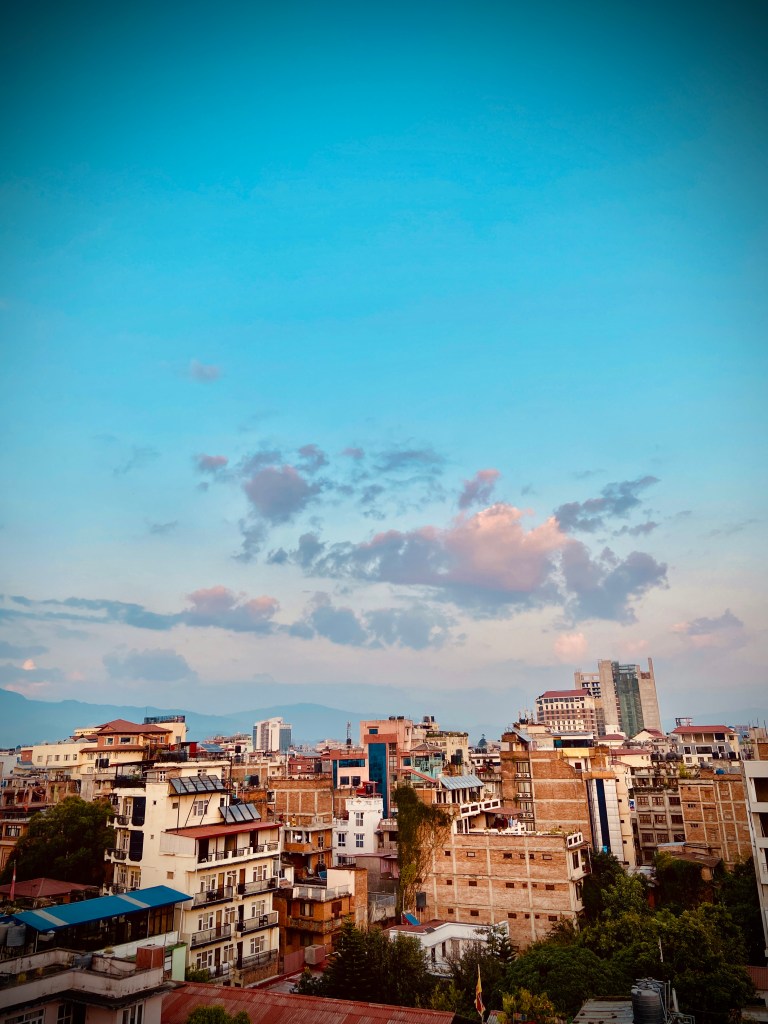
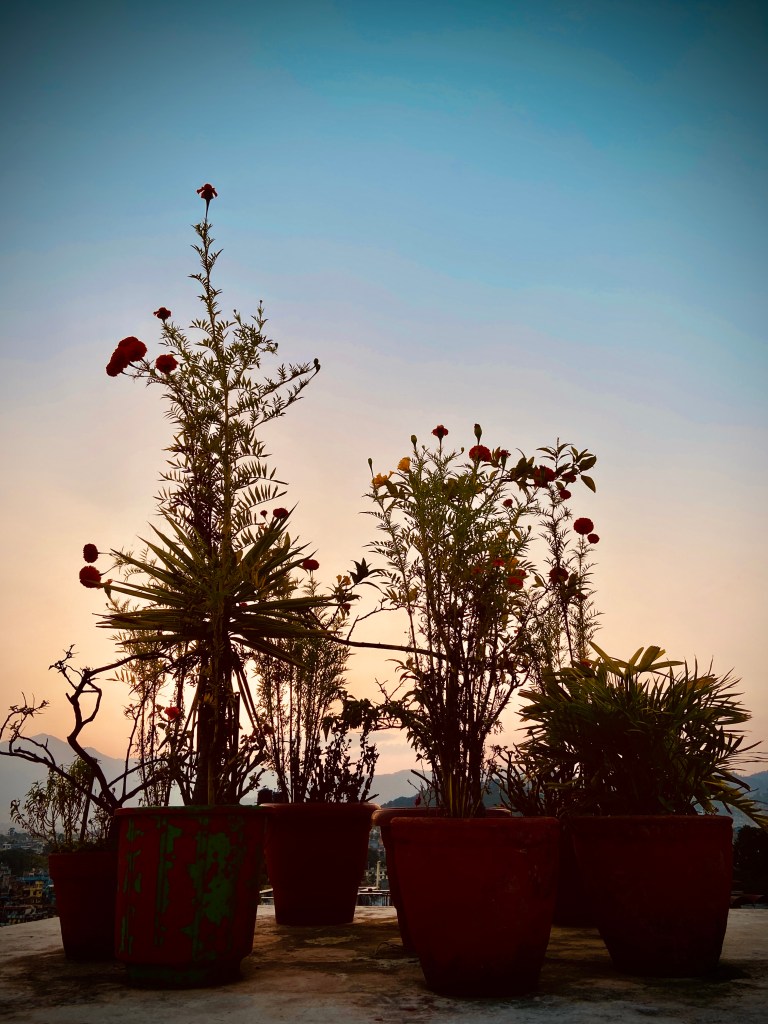
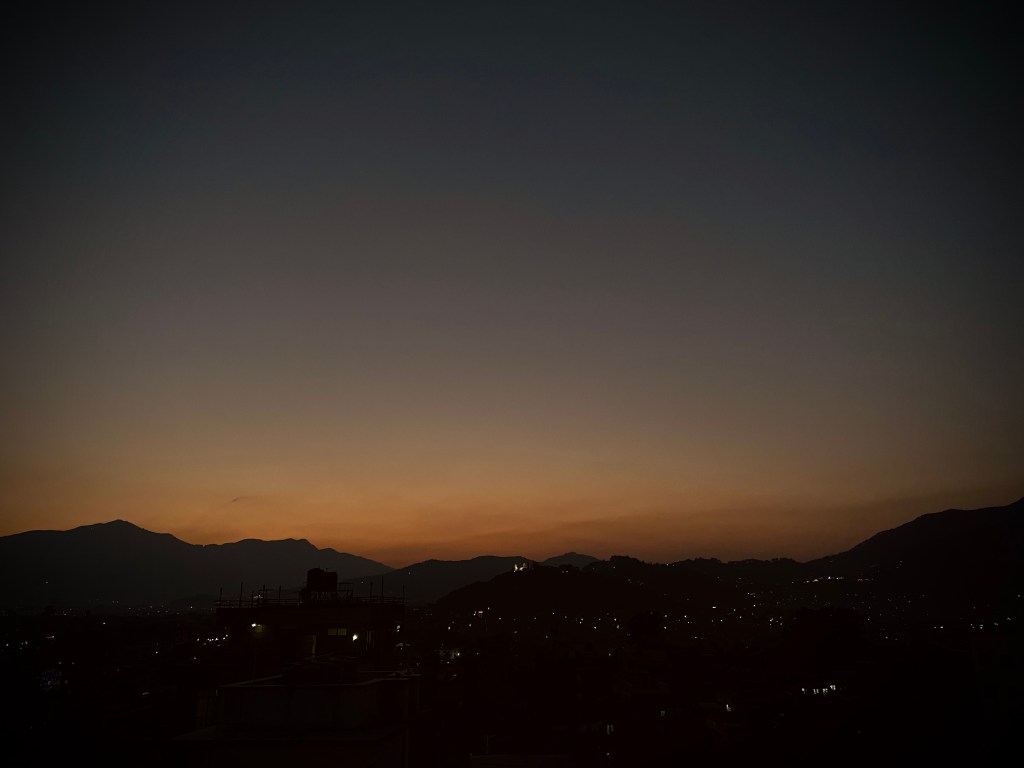
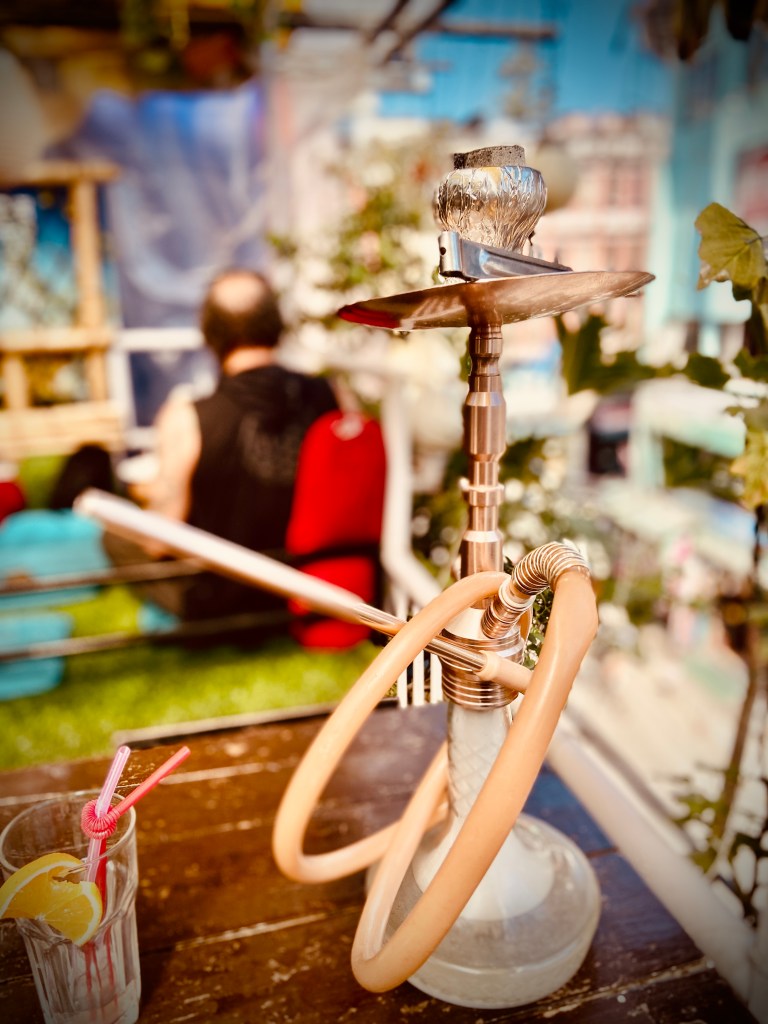
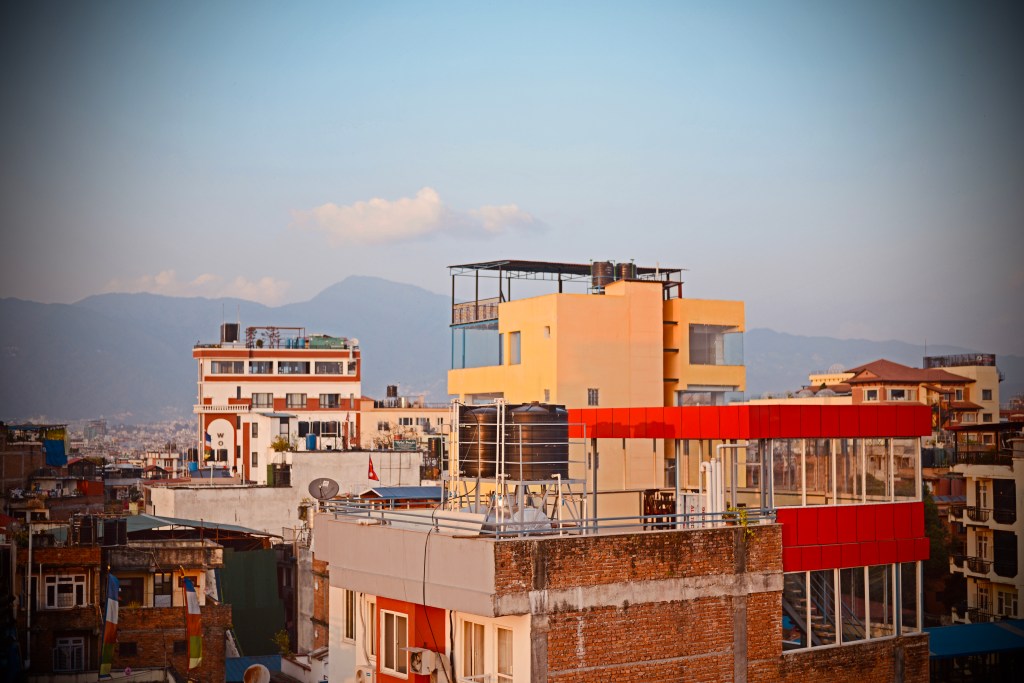
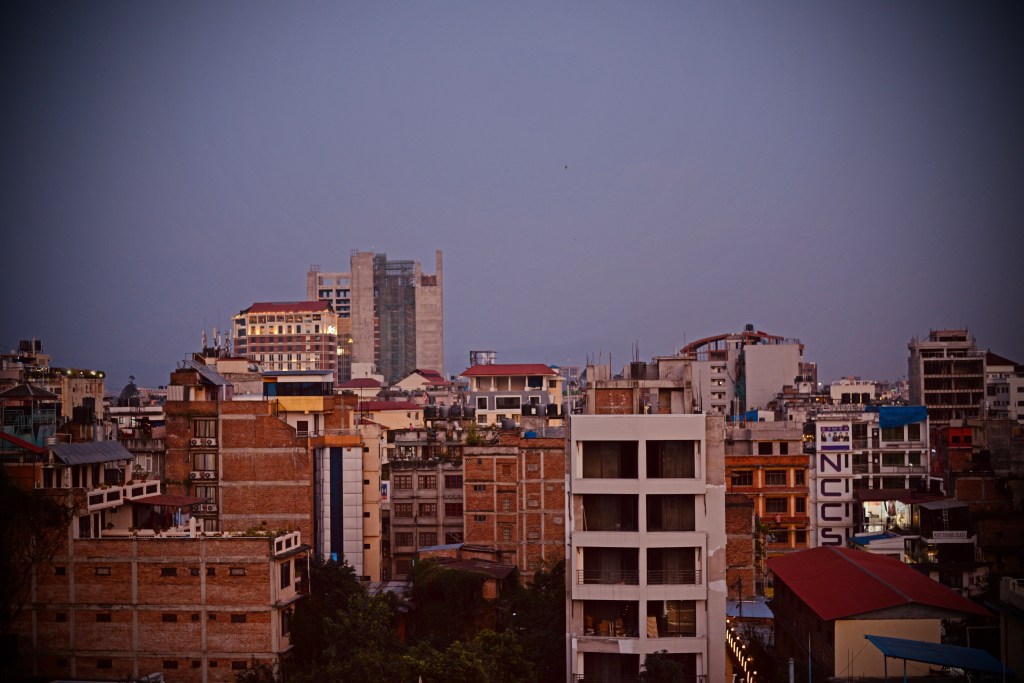
We said our goodbyes and I moved to my new place, a sweet hotel right at the edge of Thamel, with super friendly staff, great food, beautiful views from the terrace and very comfortable beds.
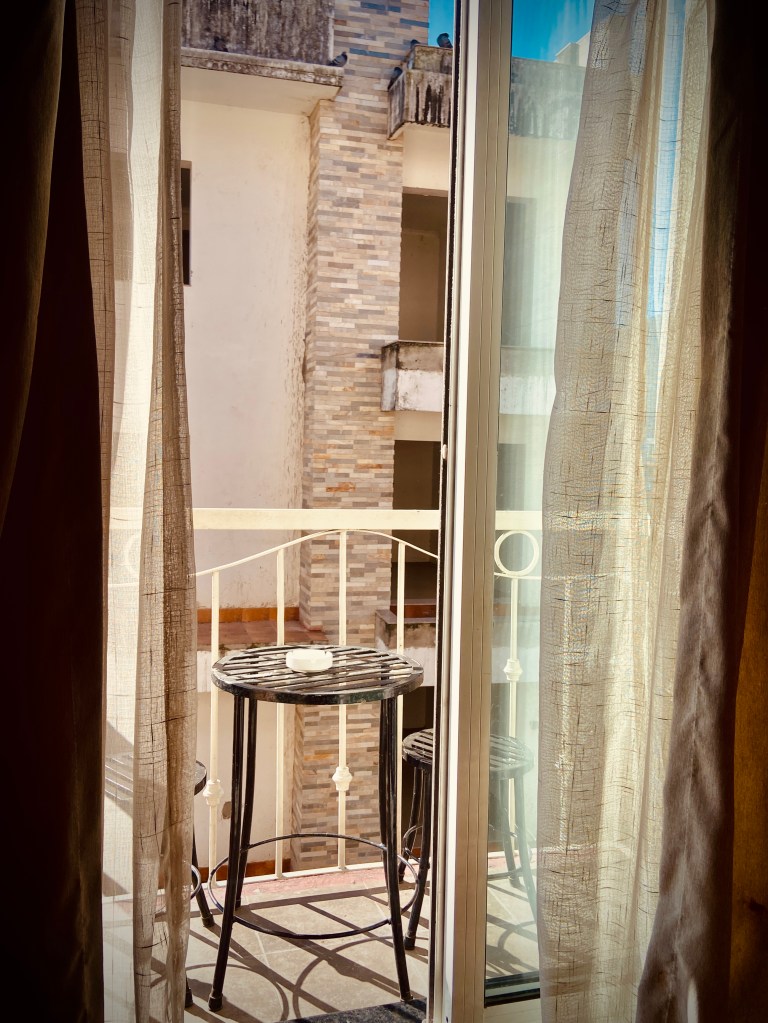
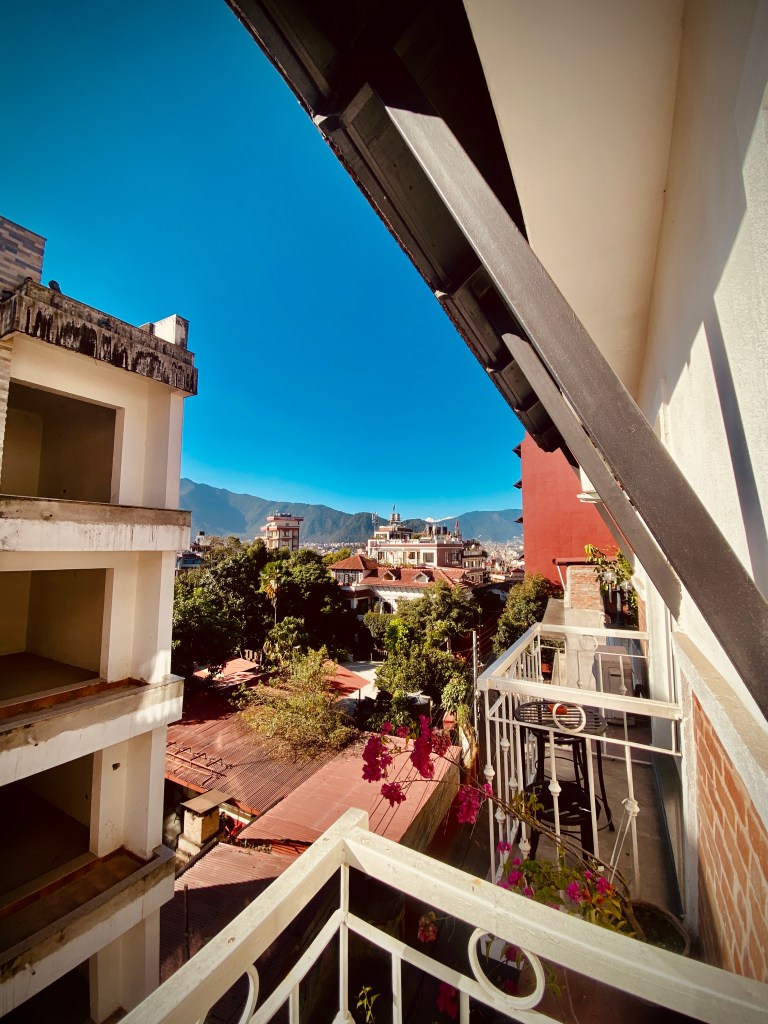

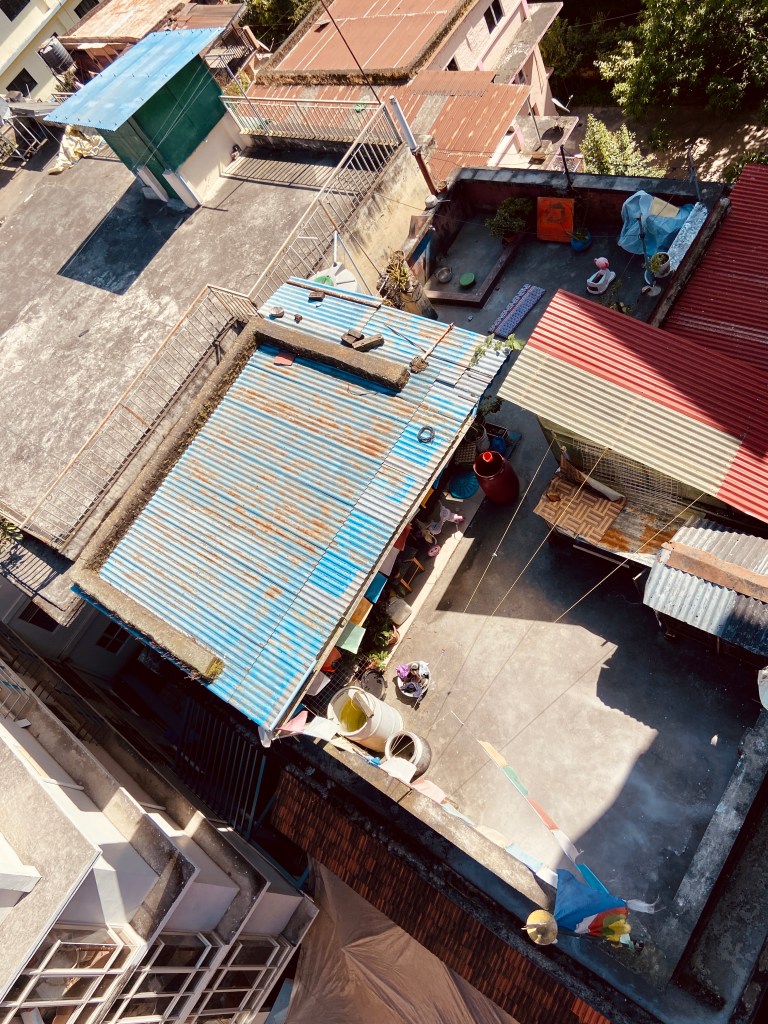
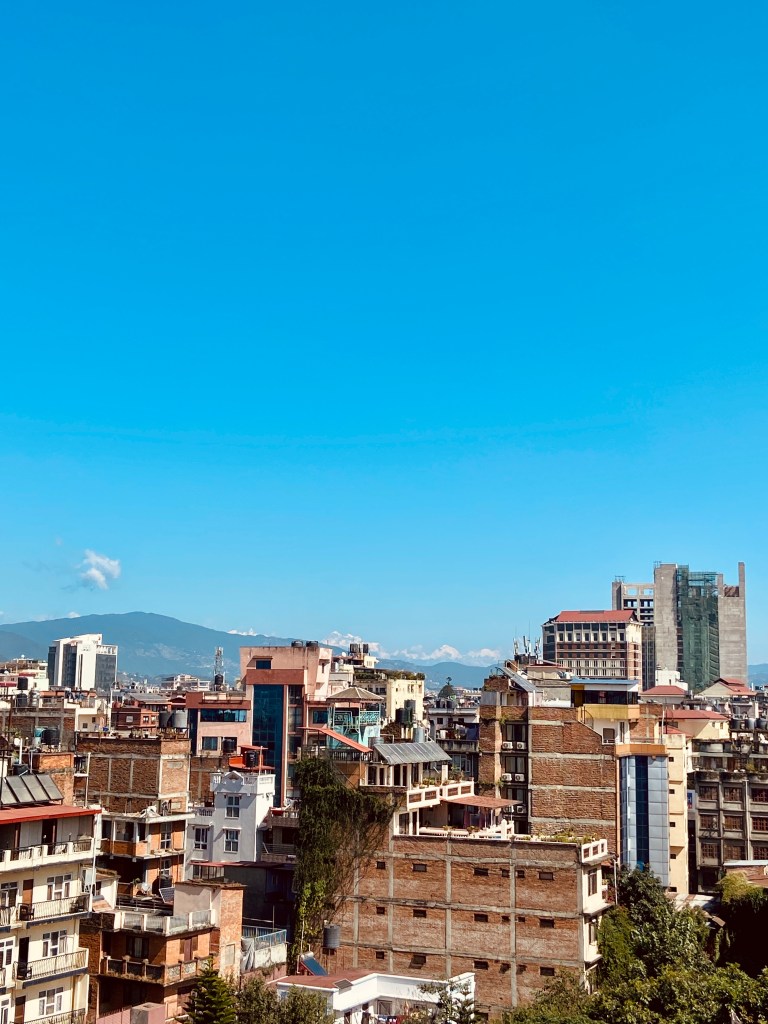
By that time, however, even I had caught the famous Khumbu Cough. I was the last one to get sick. The stuff that was coming out of me deserved to be studied for scientific reasons and I feel sorry for everyone on my floor at the hotel who had to hear me cough for five nights. But hey, that wasn’t going to stop me. Lots to do and see in Kathmandu!
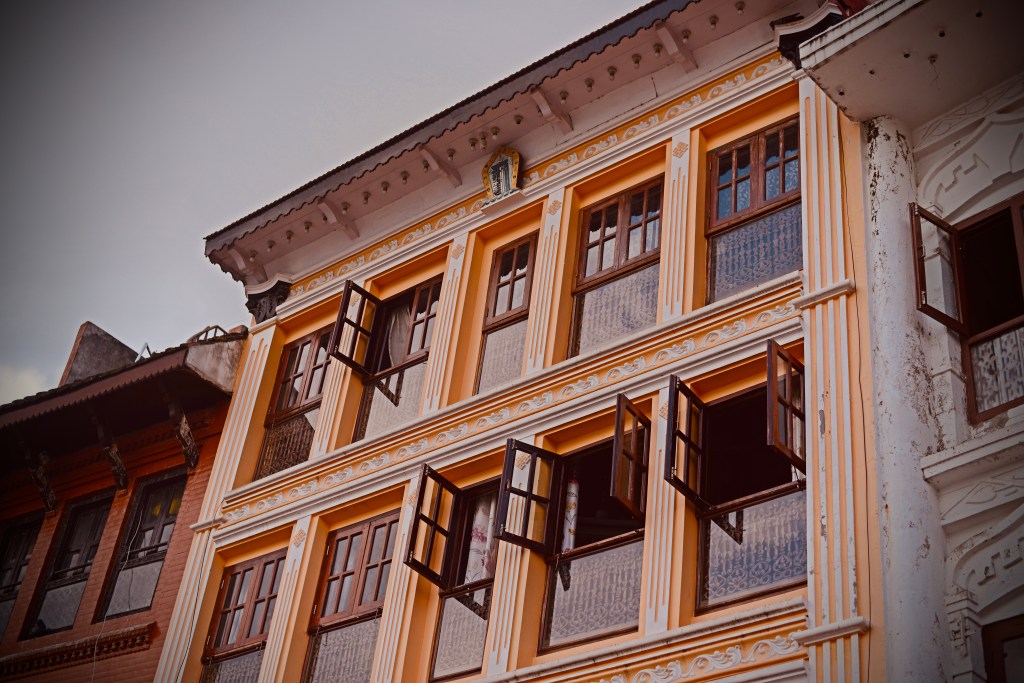
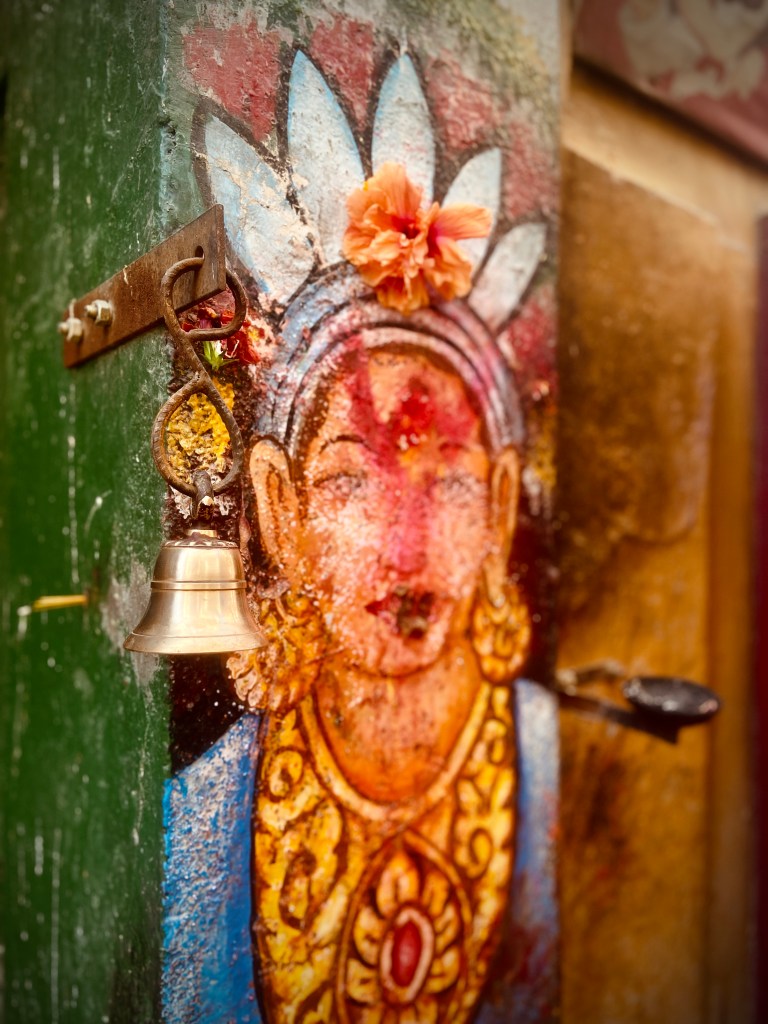
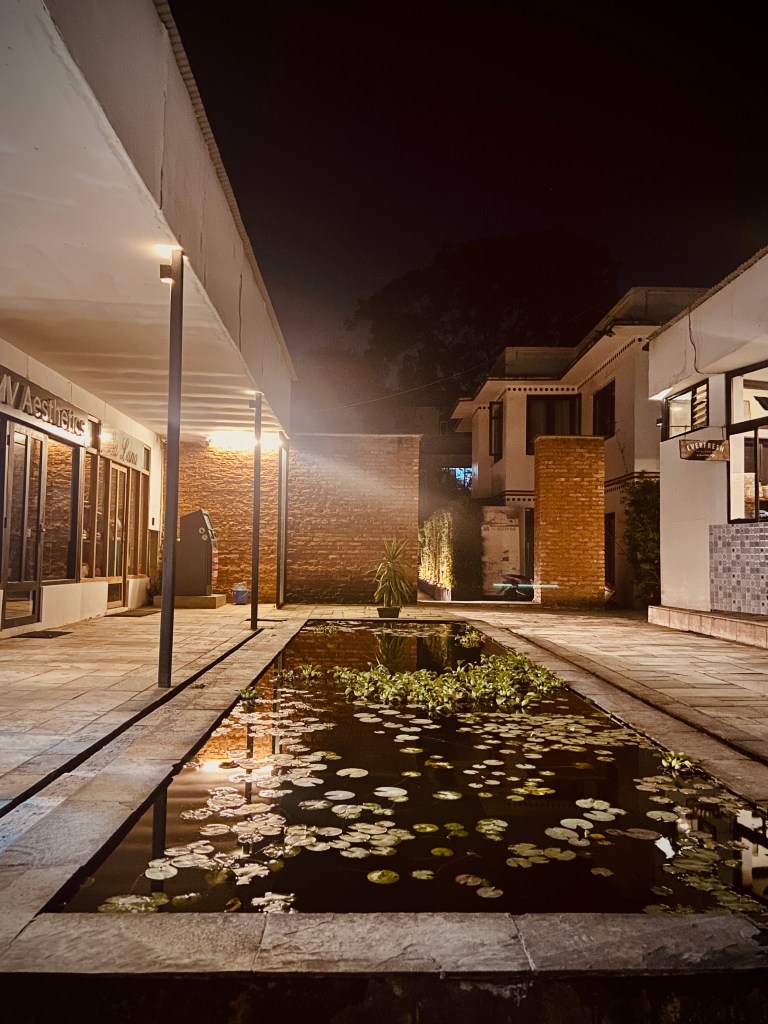
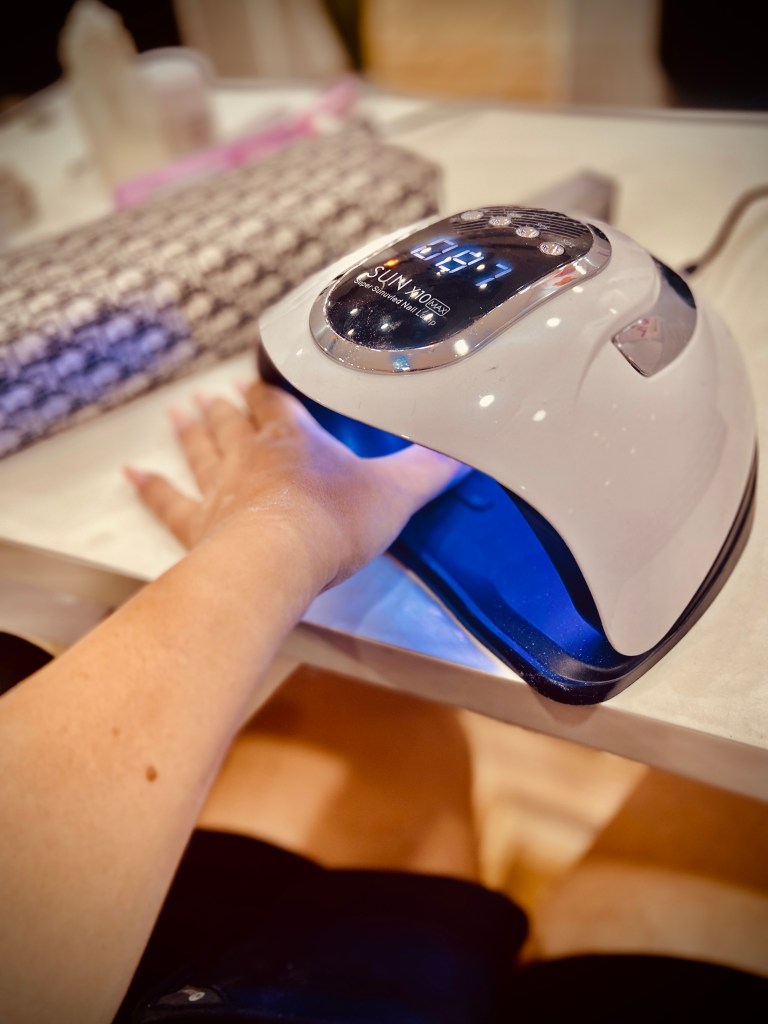
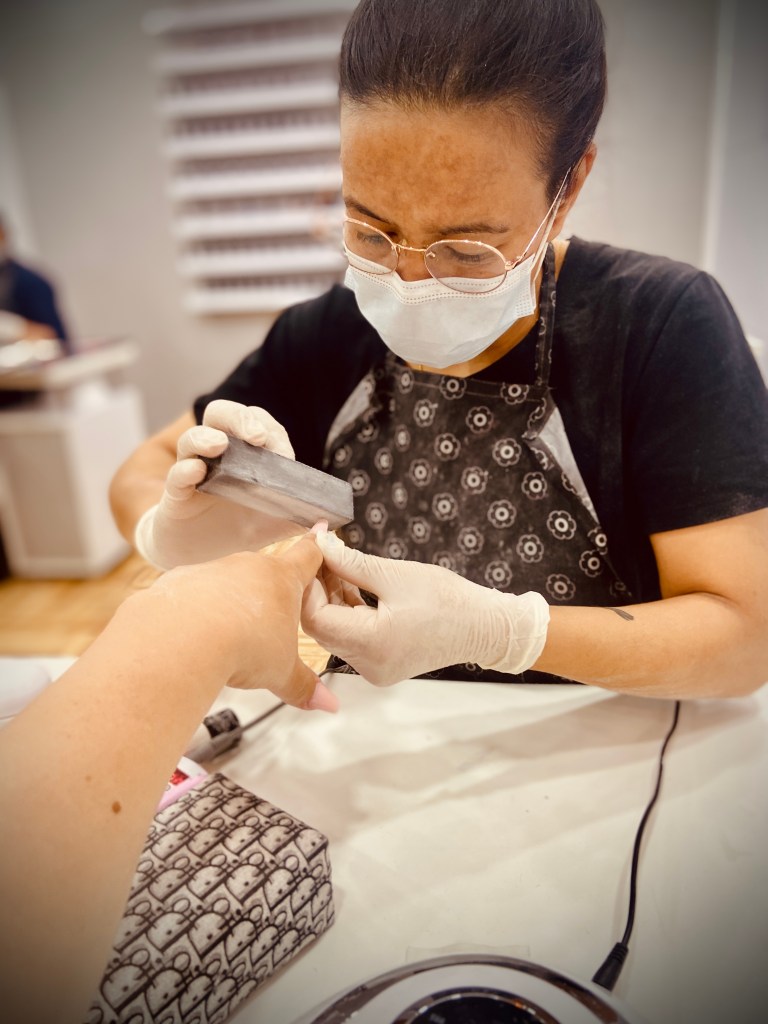
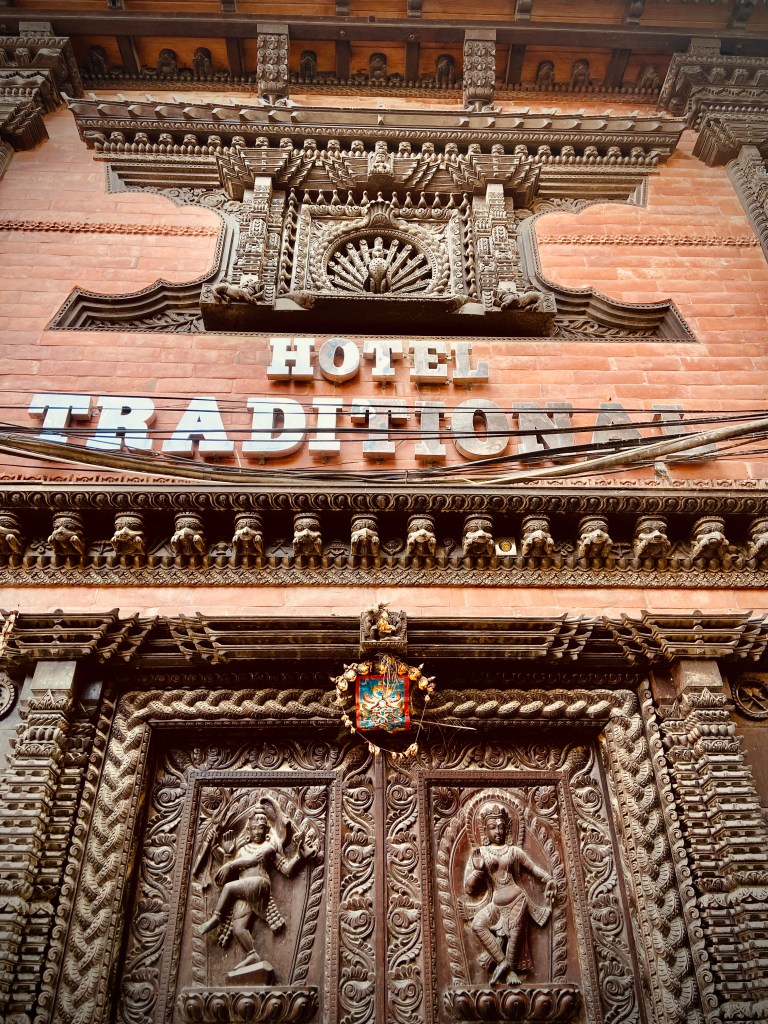
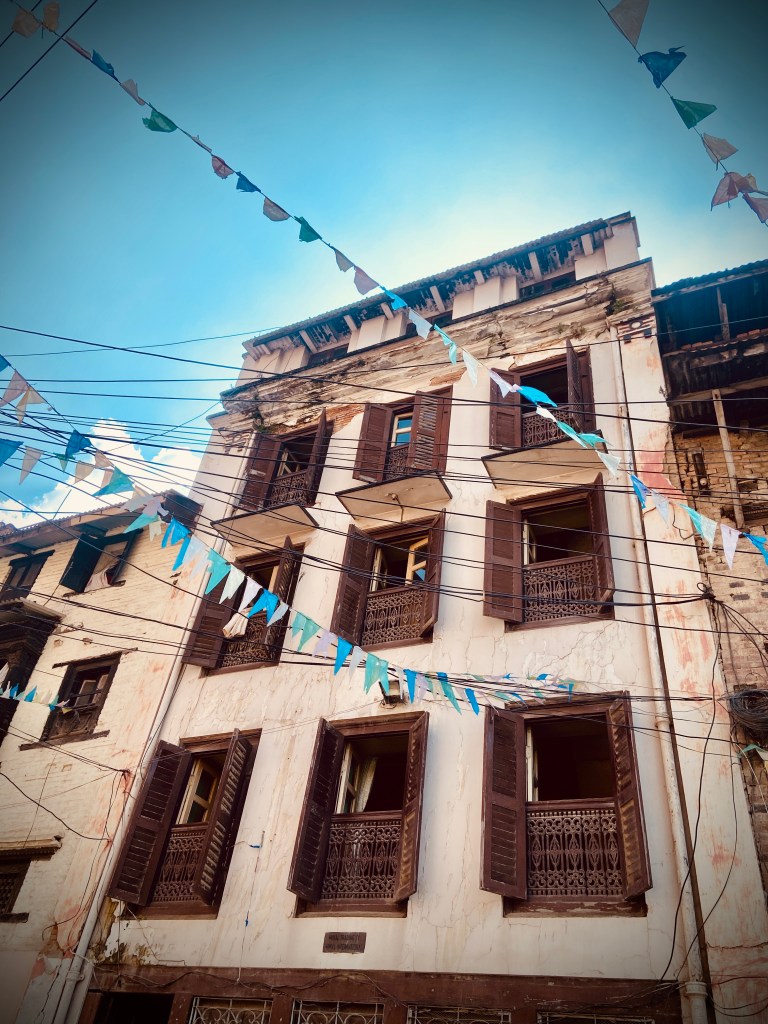
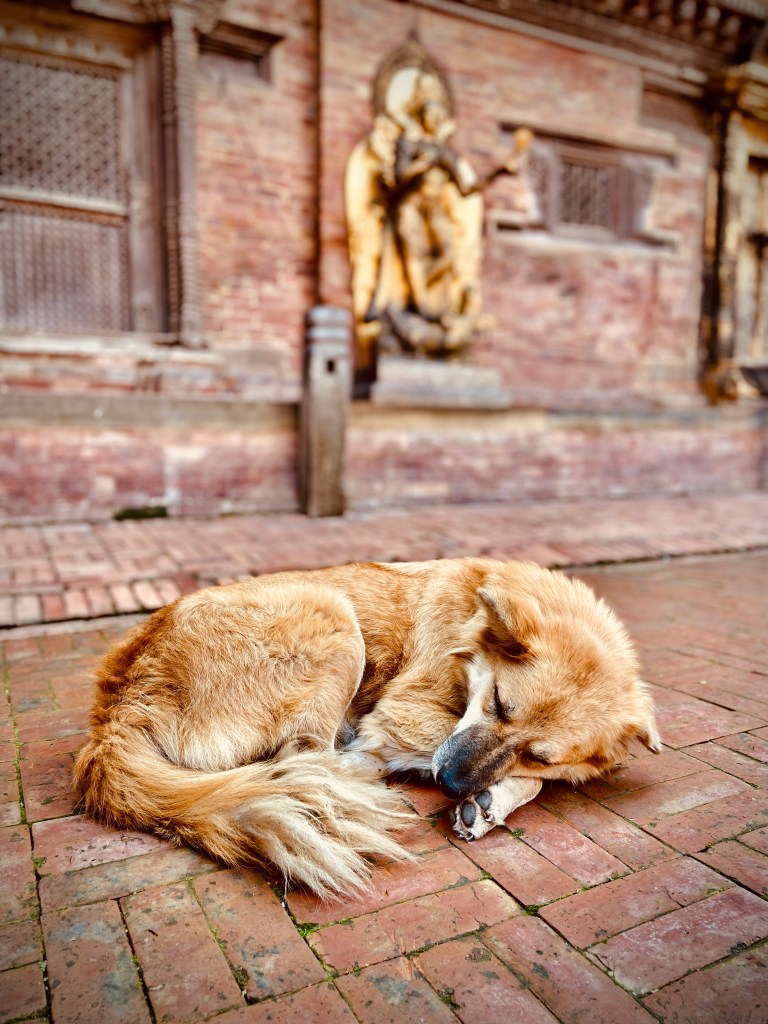
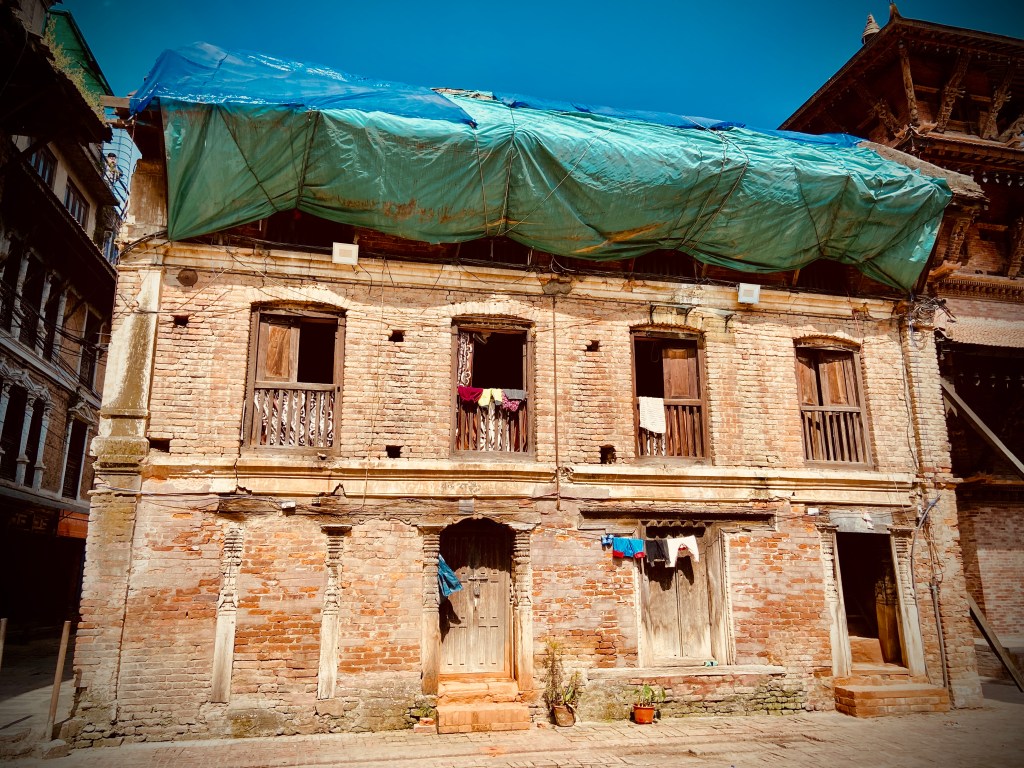
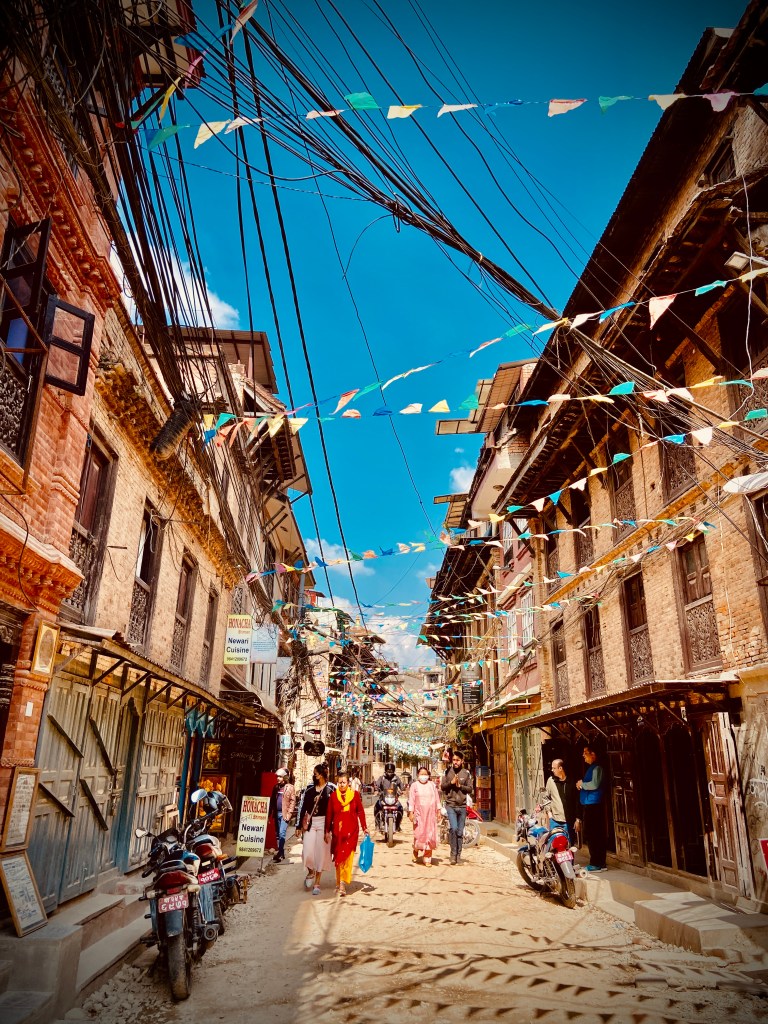
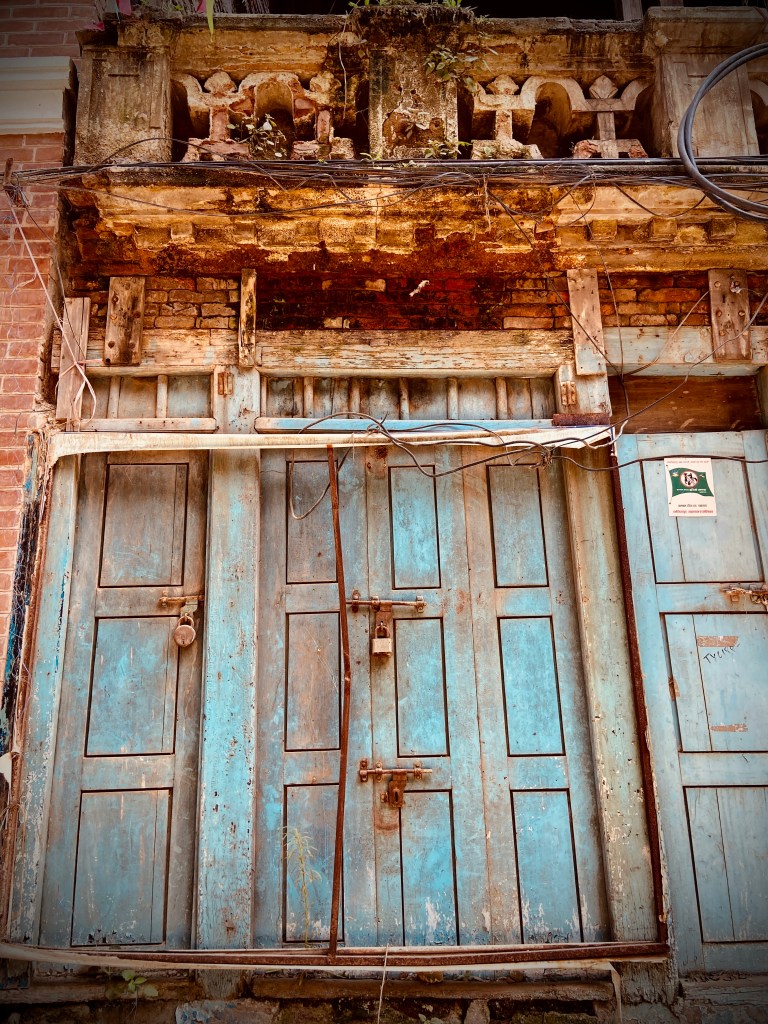
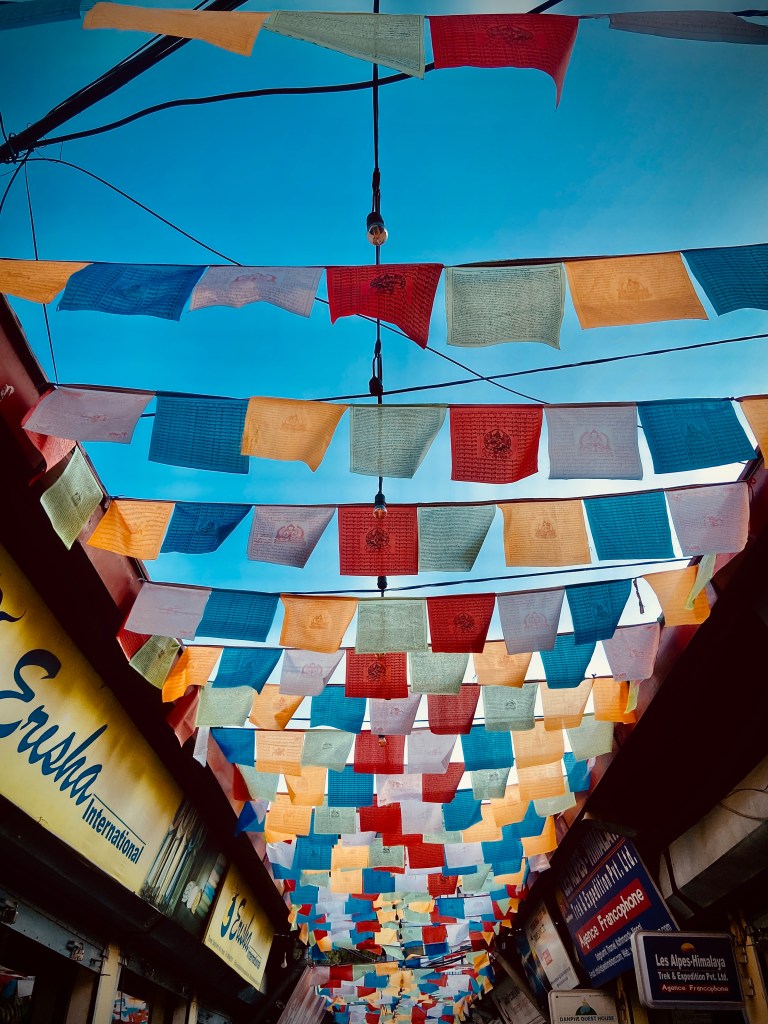
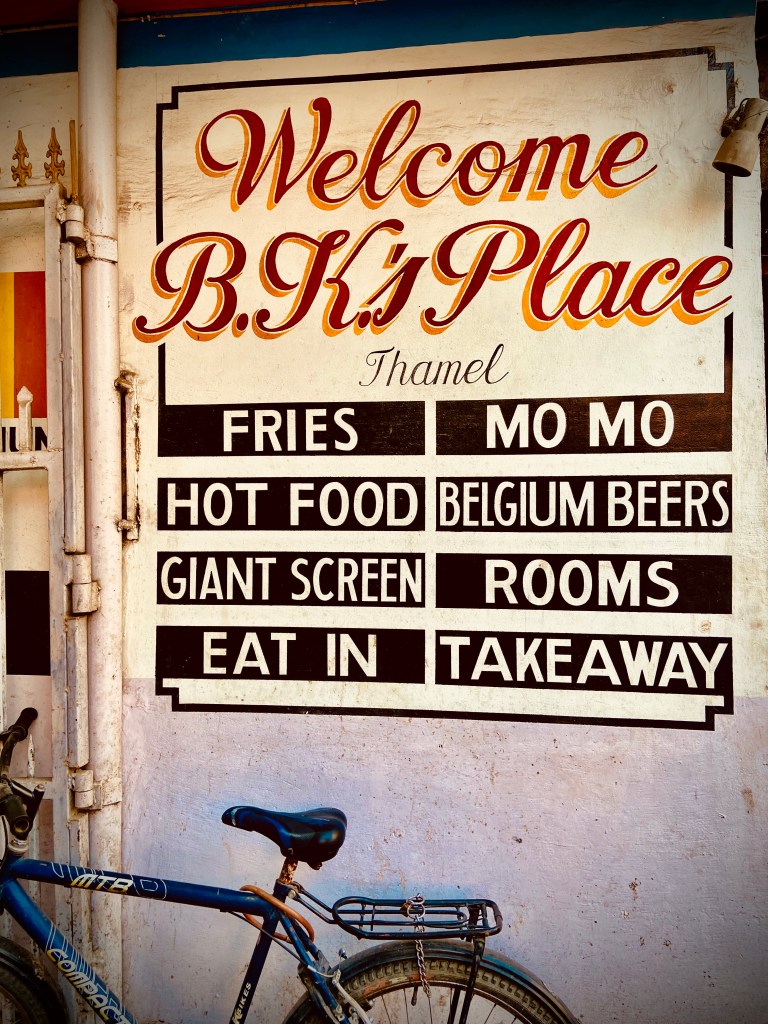
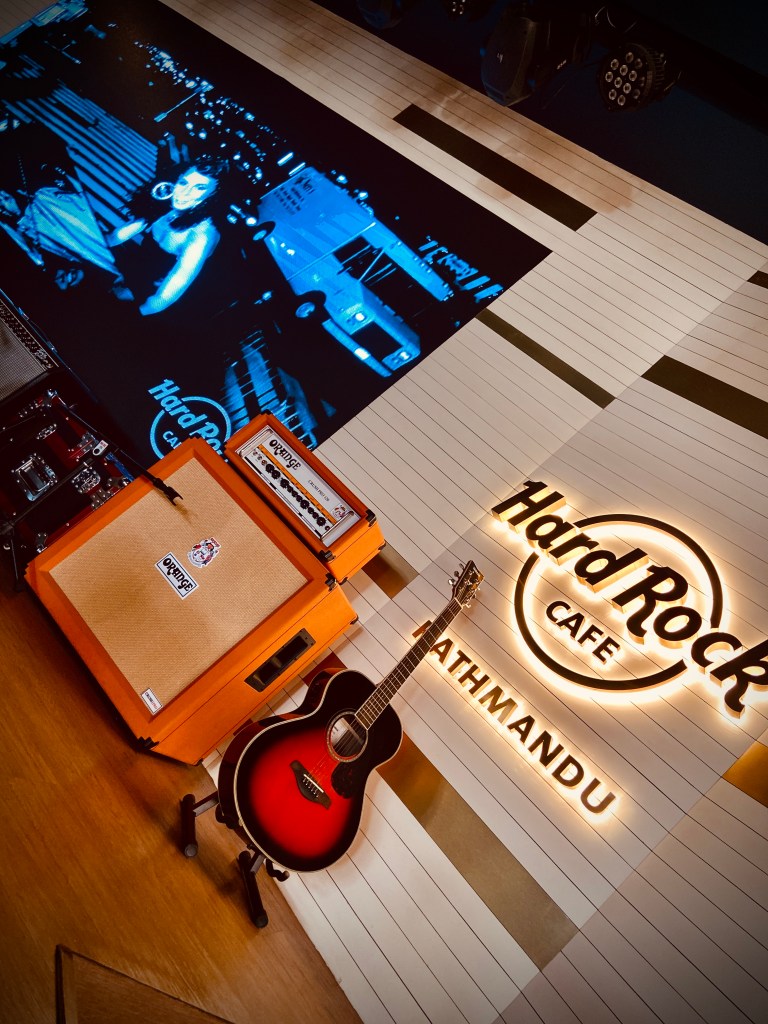
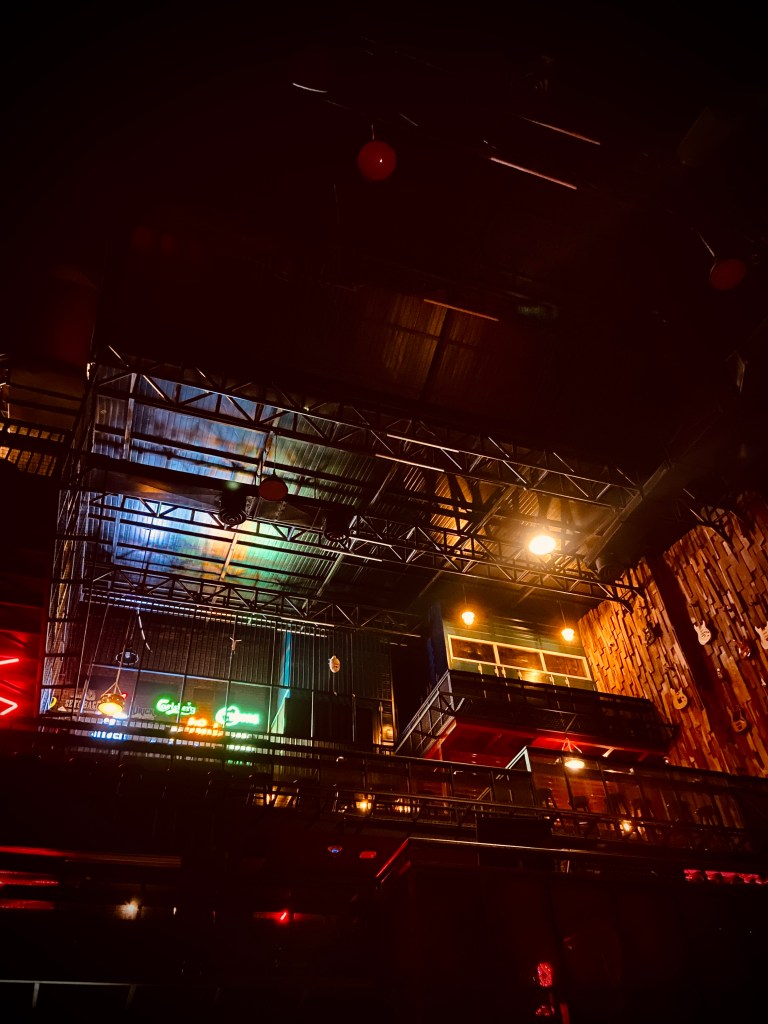
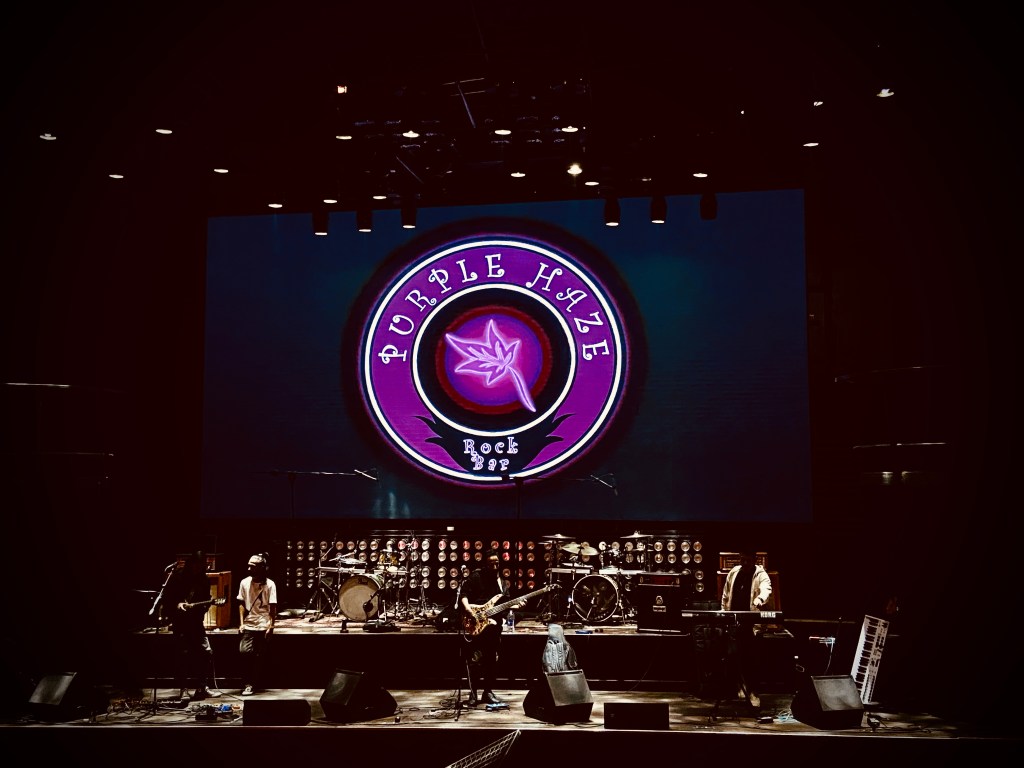
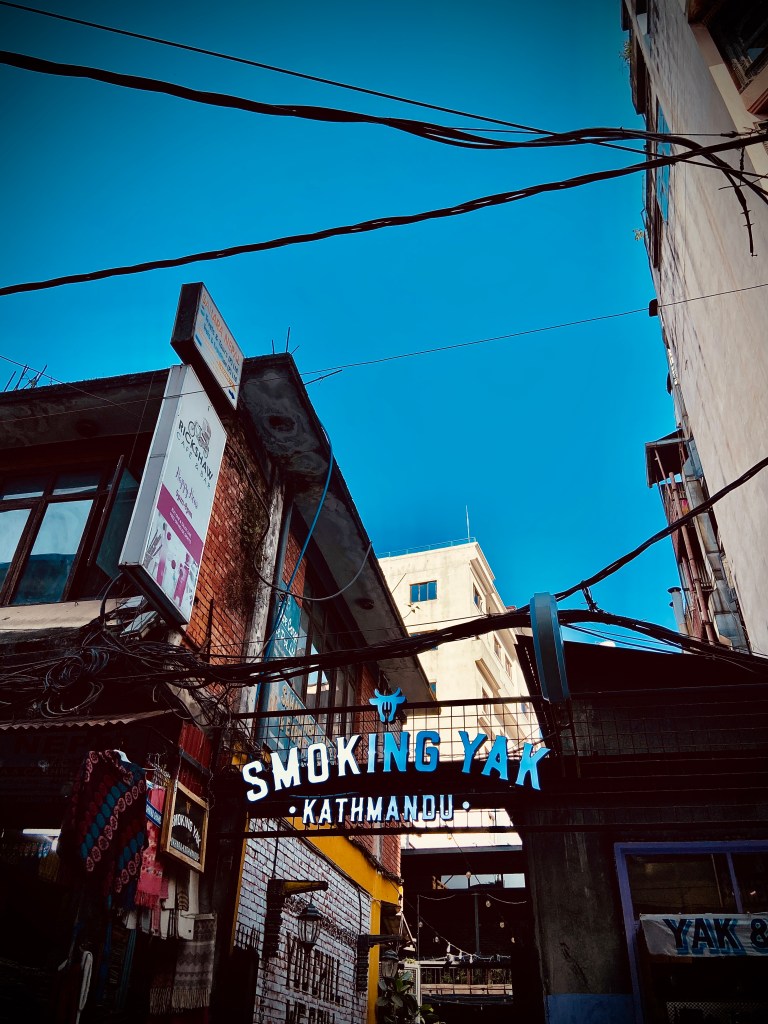
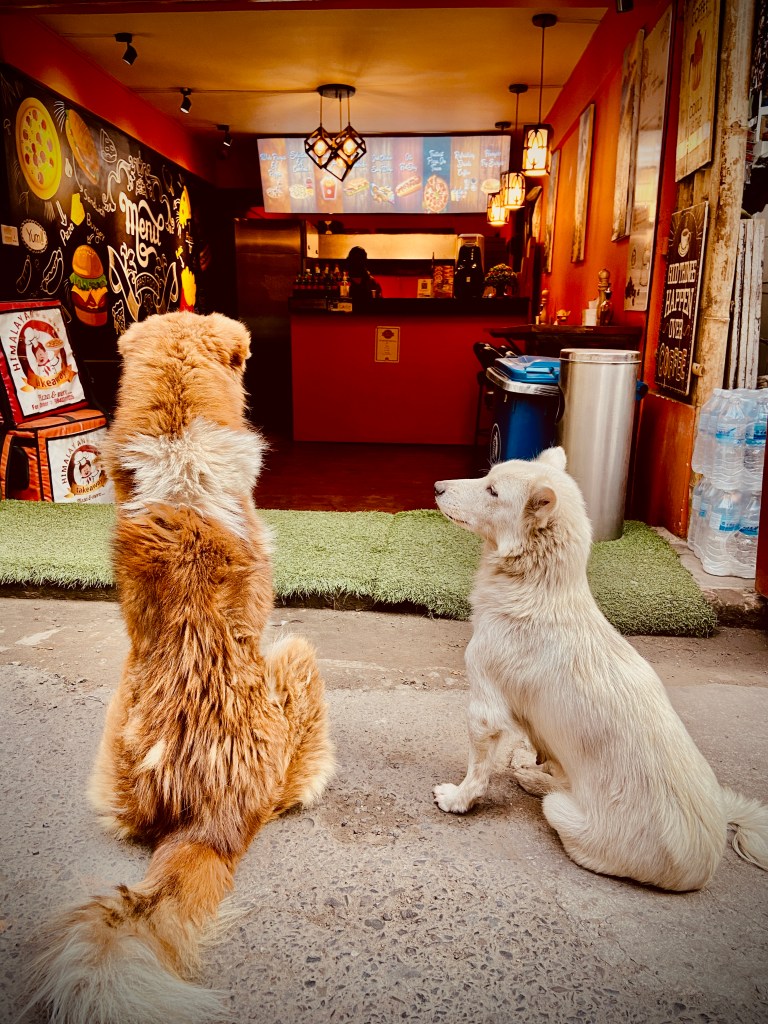
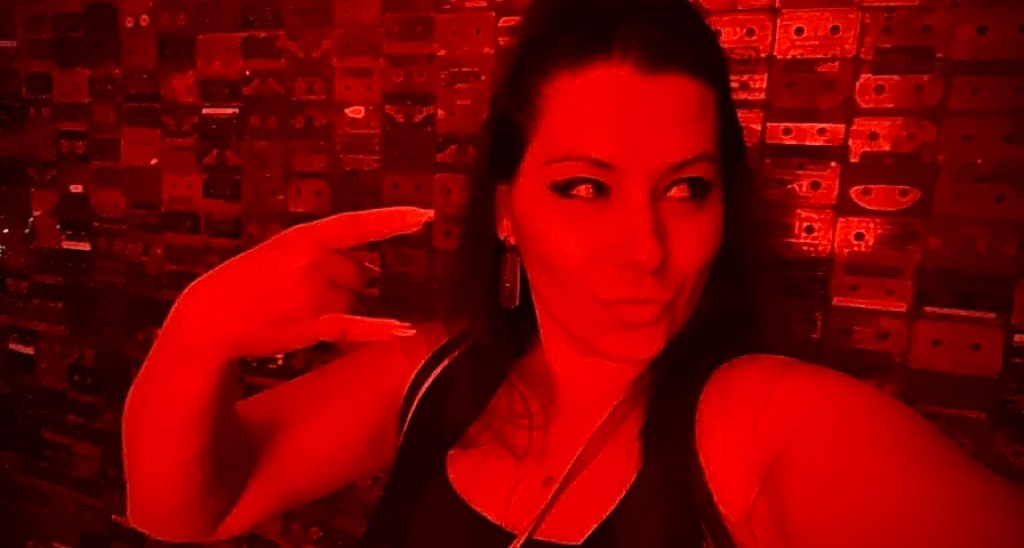
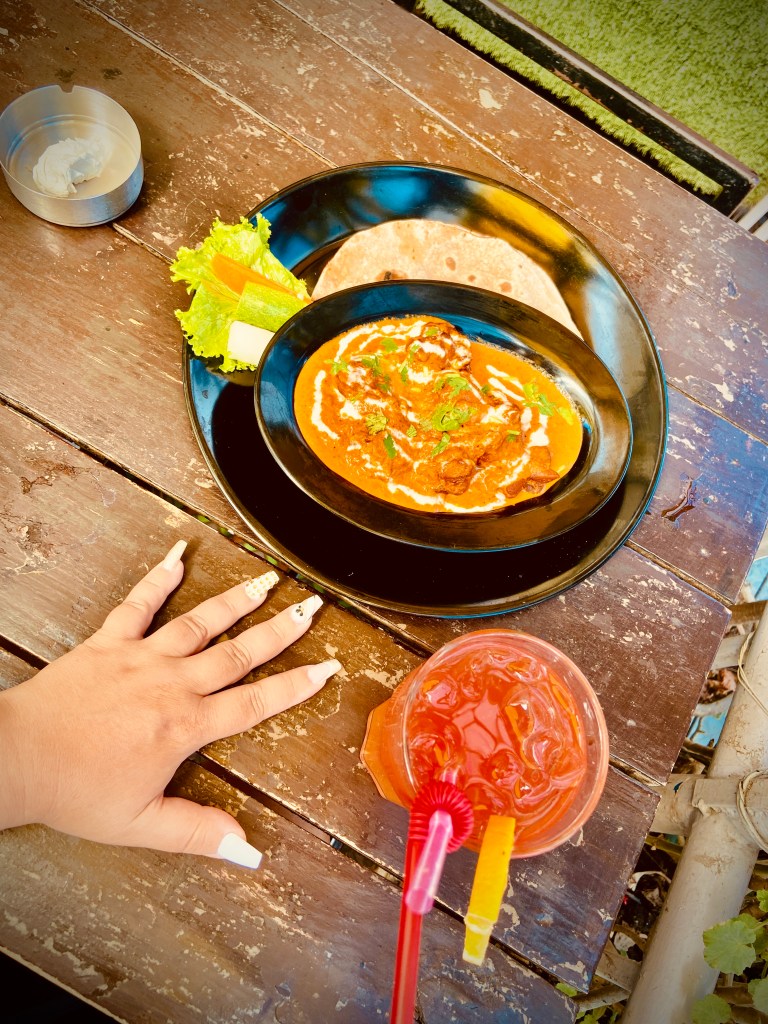
From the maze of streets to Kathmandu Durbar Square, to Patan, to Bhaktapur, to the Garden of Dreams, to Rani Pokhari, to the cozy cafés and terraces with nice views, to the quirky shops and incense coming from all temples, to the modern art galleries and bustling nightlife with live music, rock bands and cheap pizza – Kathmandu is known for its mix of ancient neighbourhoods and busy markets. It’s Nepal’s cultural and economic center as well as the main gateway for people heading into the Himalayas. Thamel in particular. Here, you’re walking the streets together with hippies and serious trekkers, with sadhus and the outcasts of society. You think the buildings are falling apart but you discover an oasis inside. You go sightseeing and come back with sparkly fake nails.
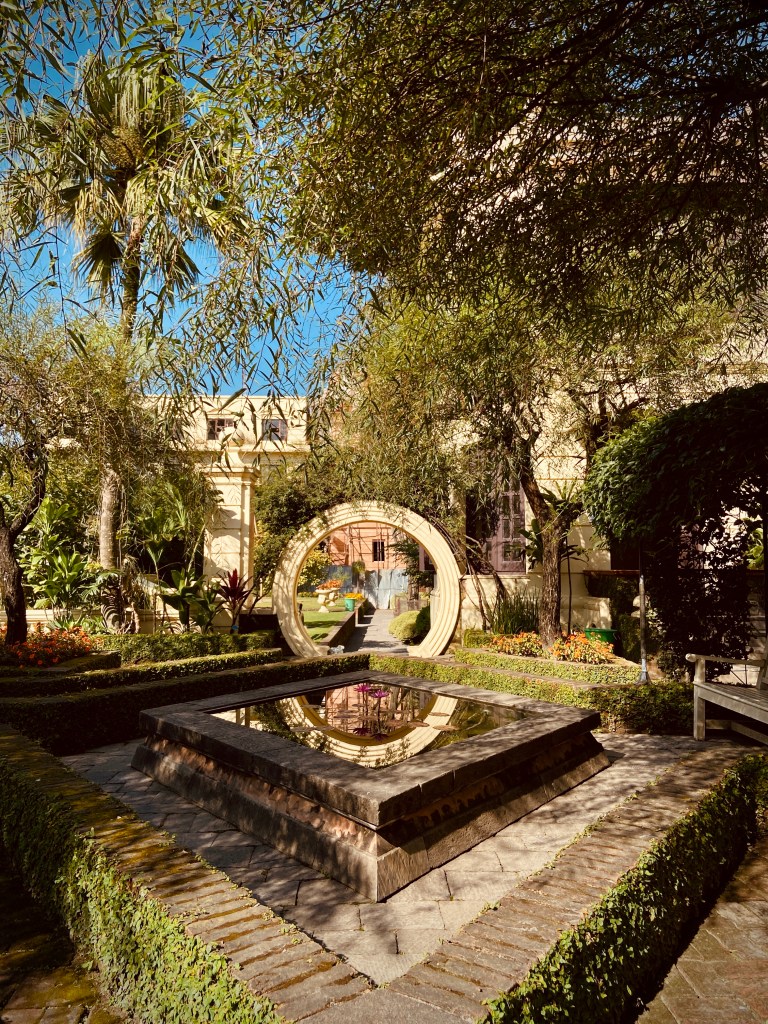
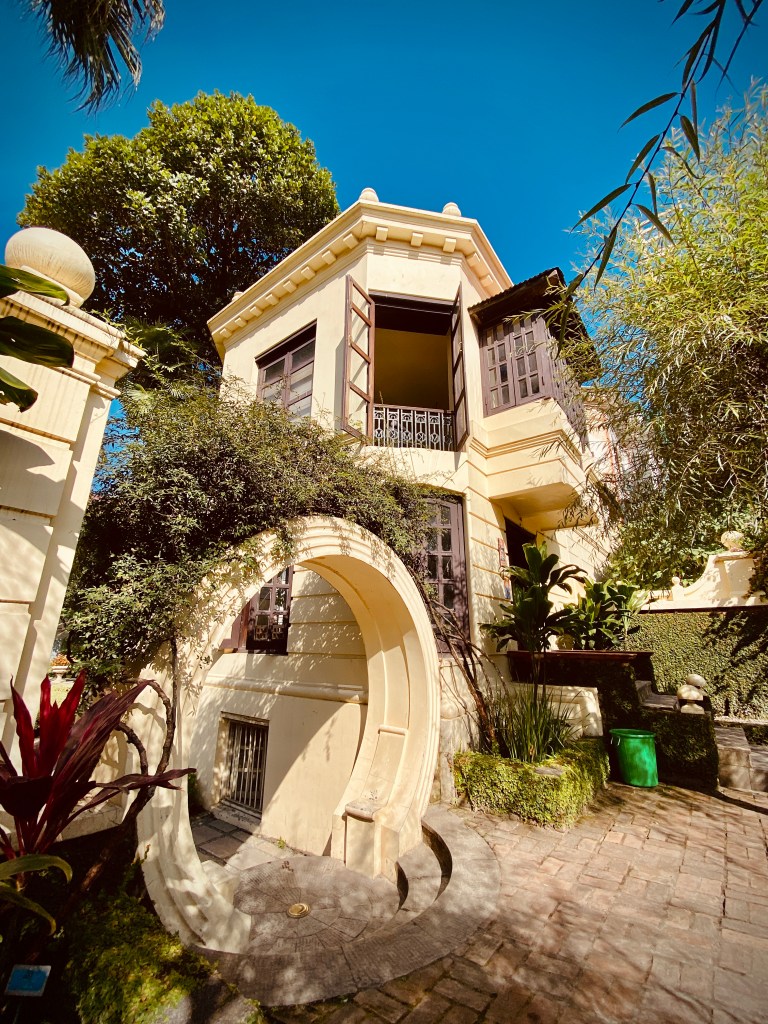
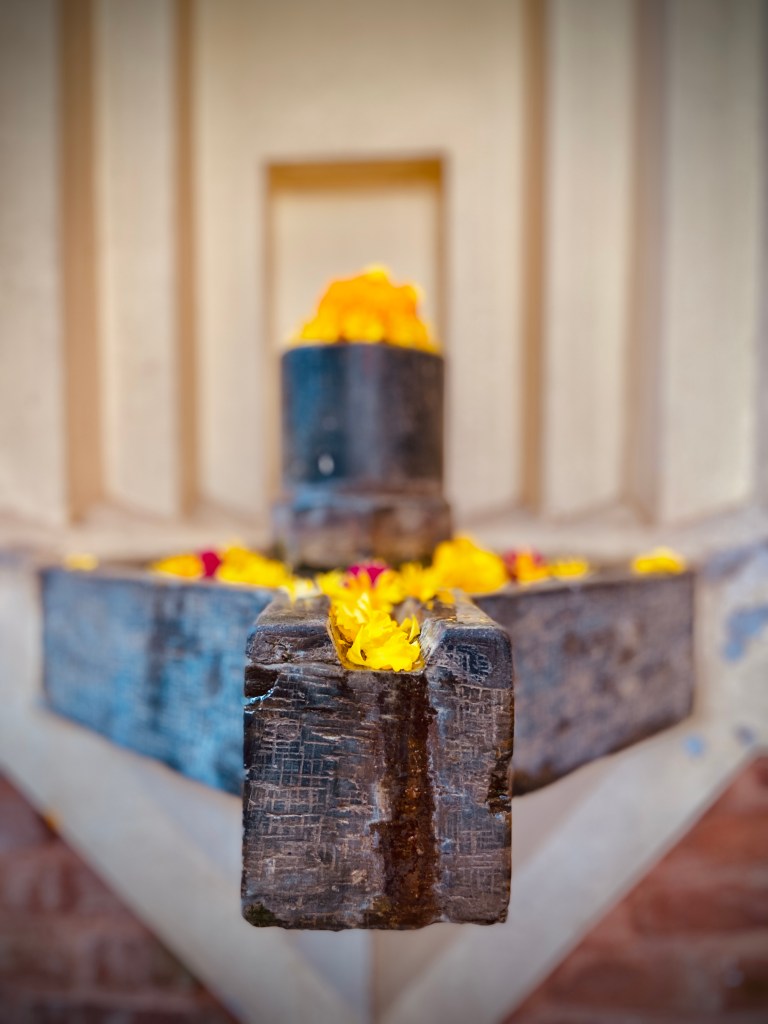
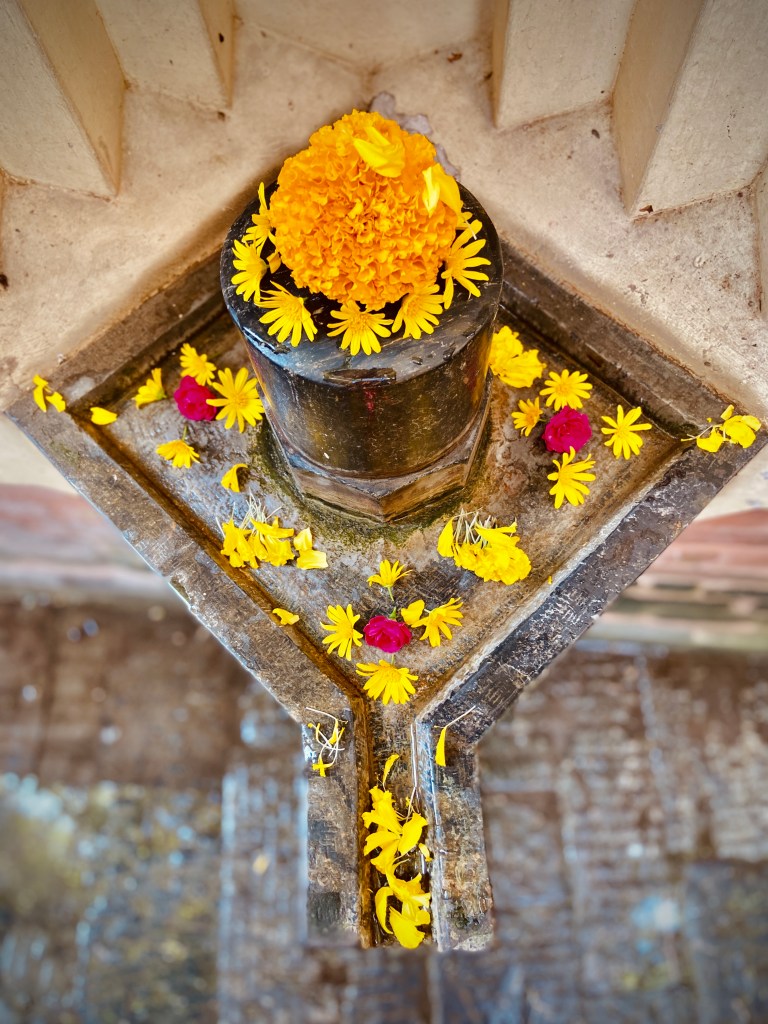
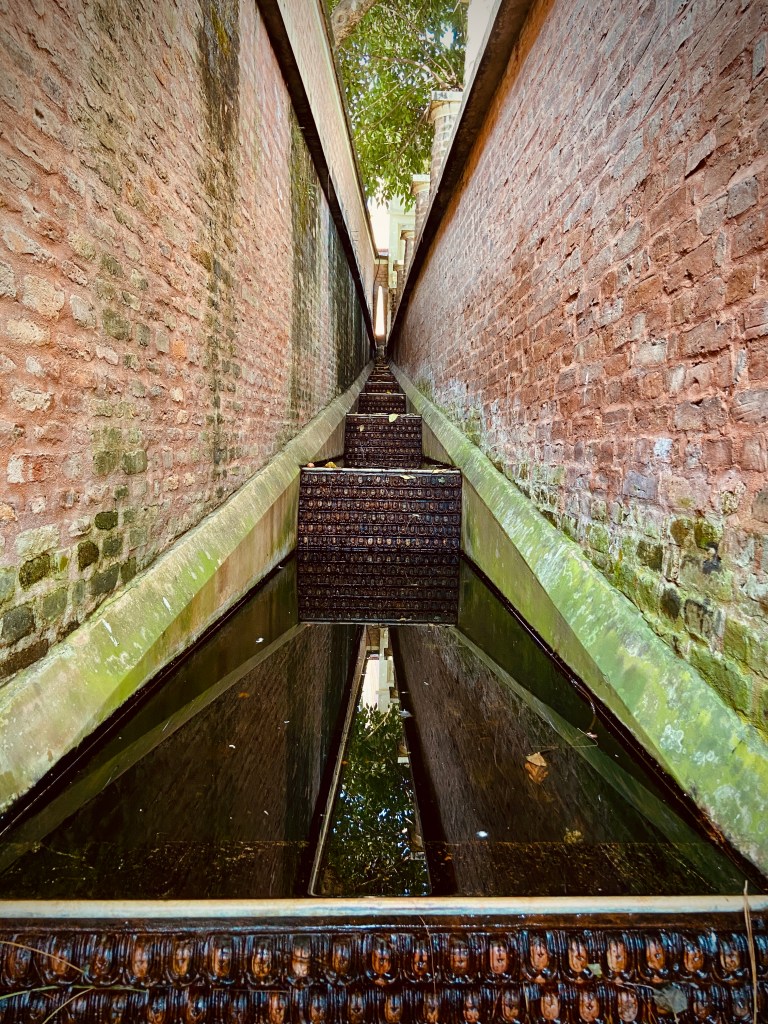
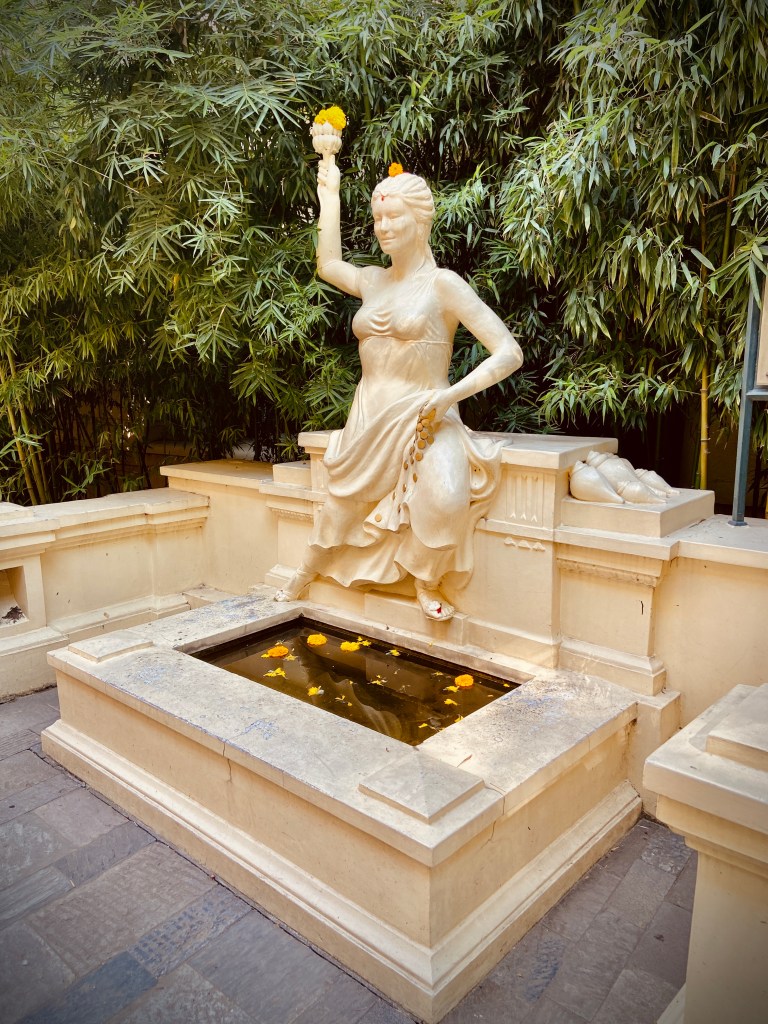
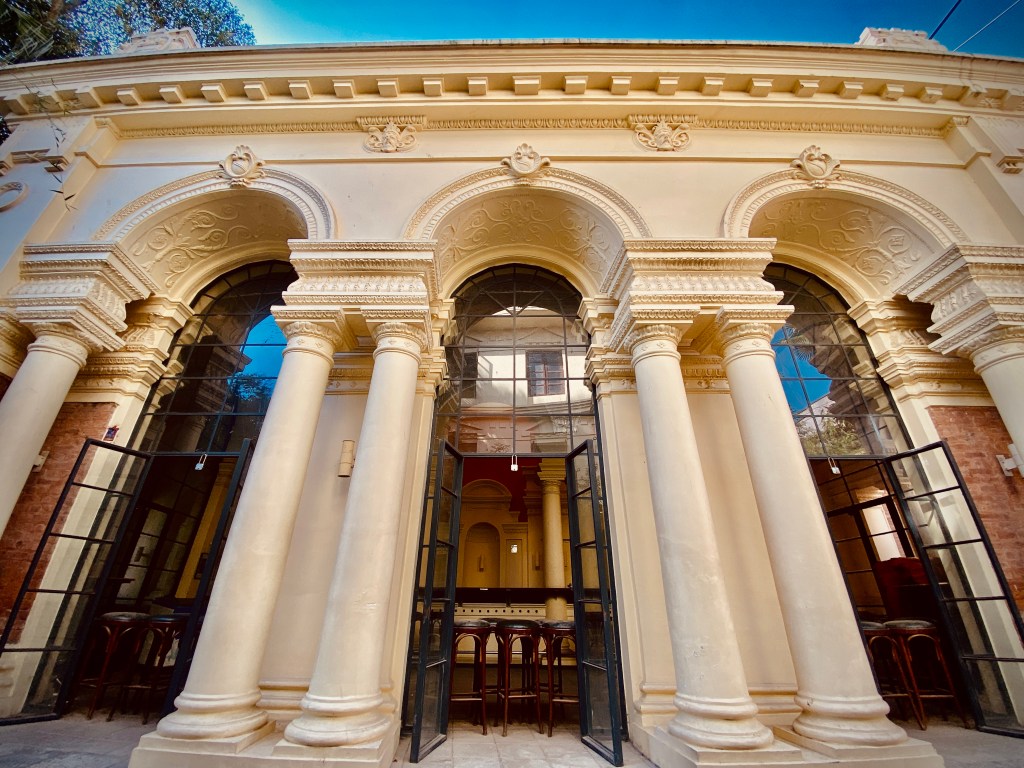
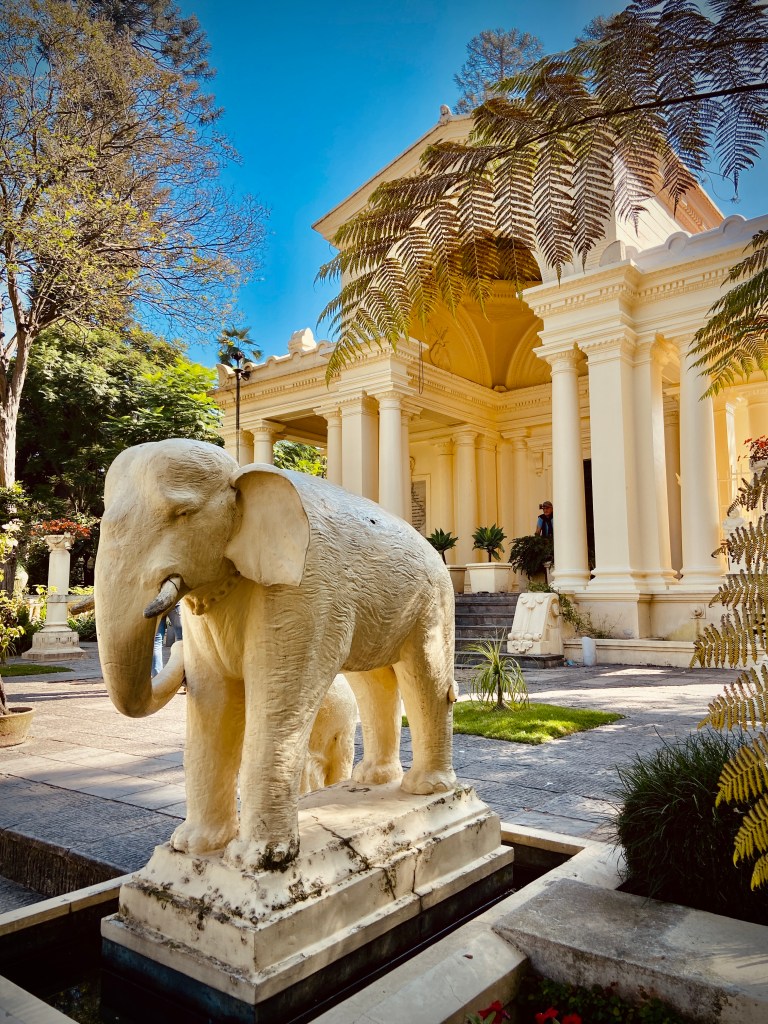
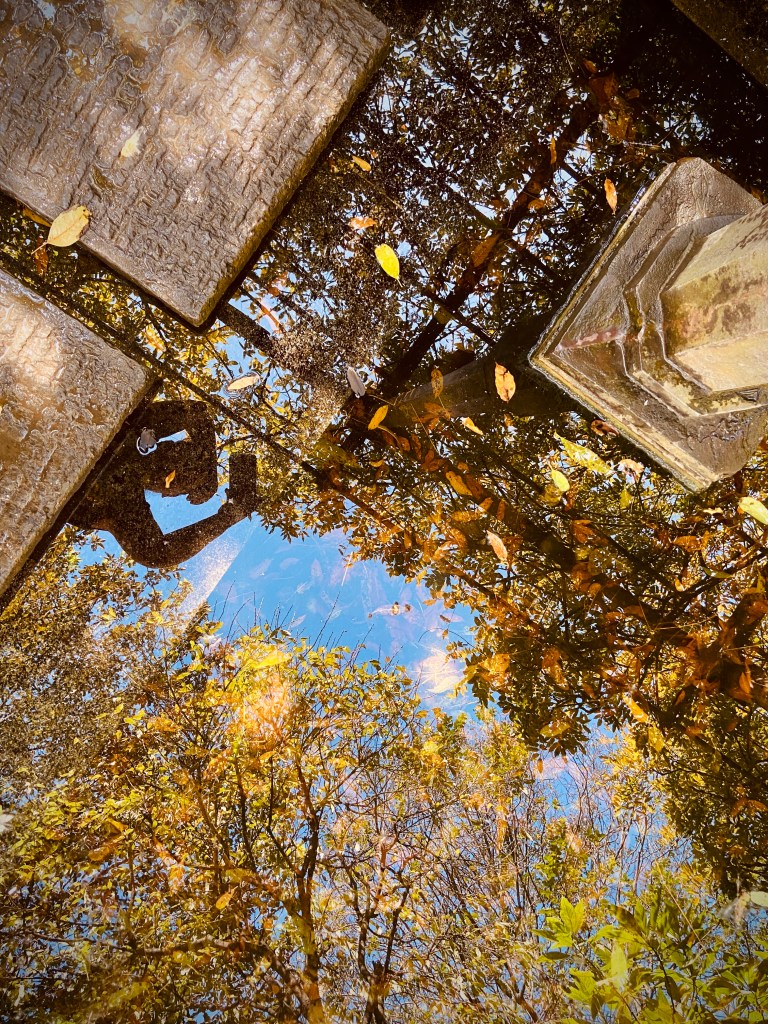
The Garden of Dreams is a restored neoclassical garden built in 1920 by Kaiser Sumsher Rana, designed with European-inspired pavilions, ponds, fountains, and formal landscaping that create an elegant retreat in the middle of the busy city. Later neglected for decades, it was revitalised through a major restoration, and today features shaded lawns, lotus ponds, symmetrical pathways, an amphitheater, and the Kaiser Café.
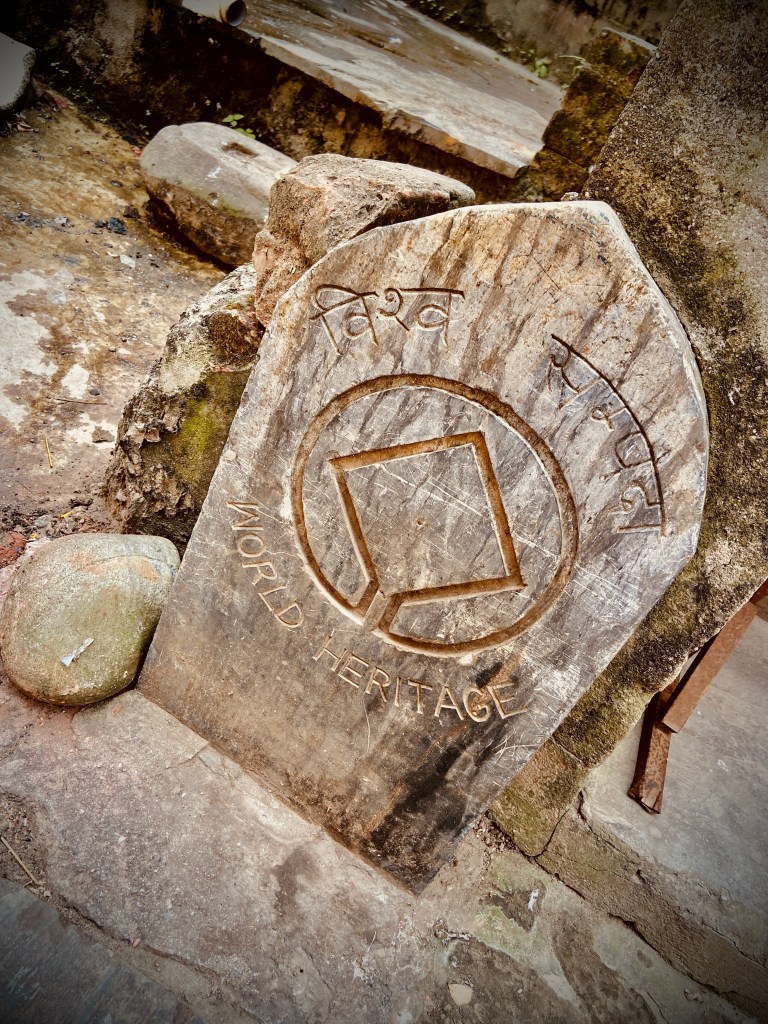
A UNESCO World Heritage Site, Kathmandu Durbar Square is the historic heart of the capital. Once the royal palace complex of the Malla and Shah kings, it features elegant courtyards with intricately carved temples, and the famous Kumari Ghar, the residence of the Living Goddess.
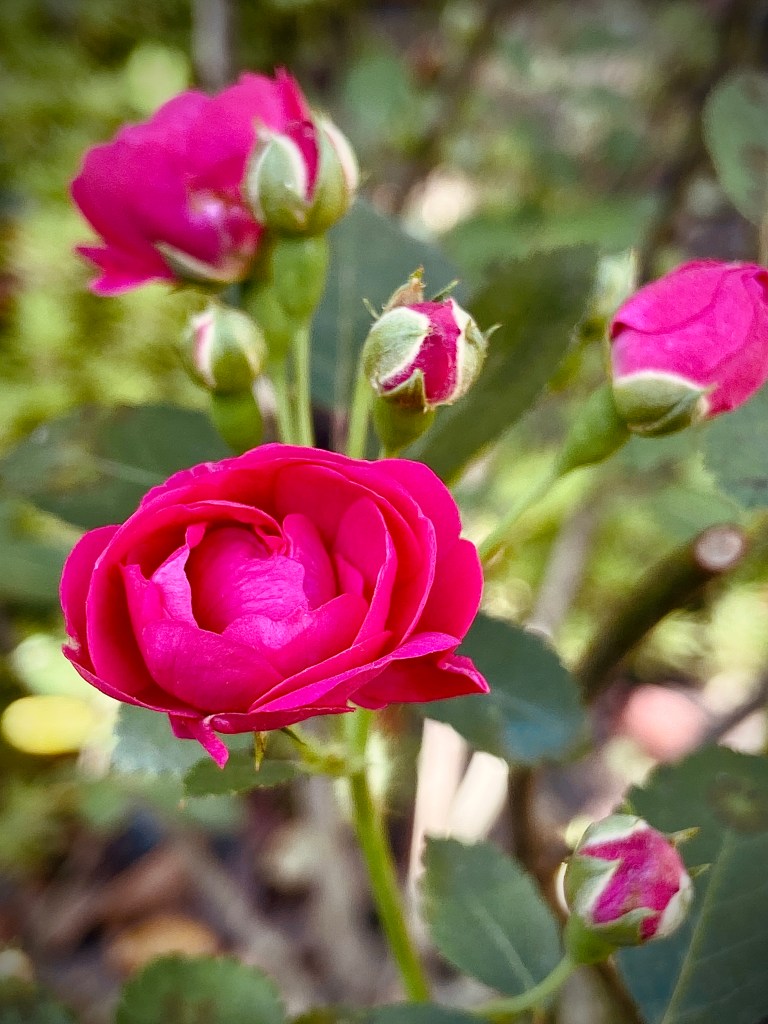
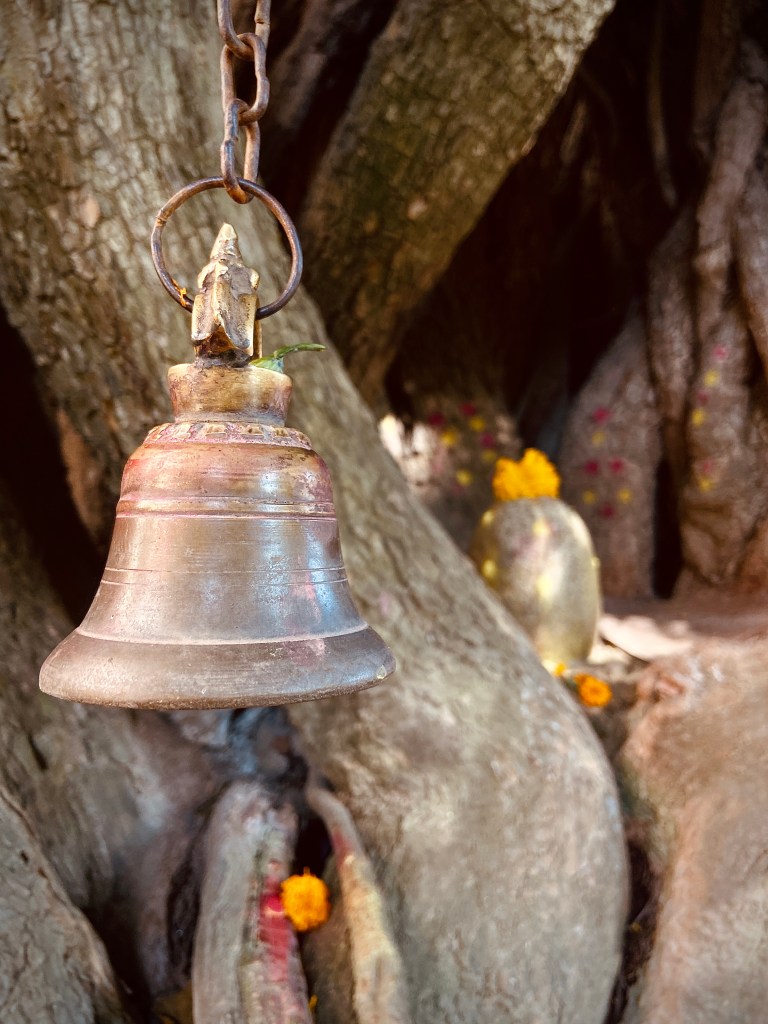
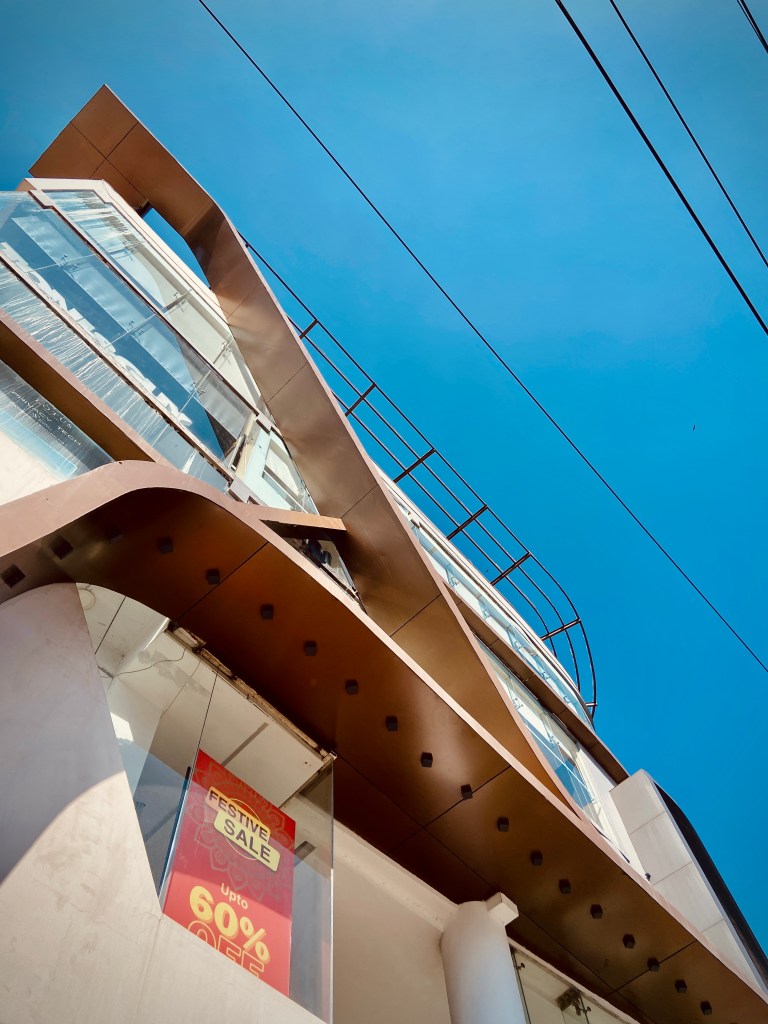
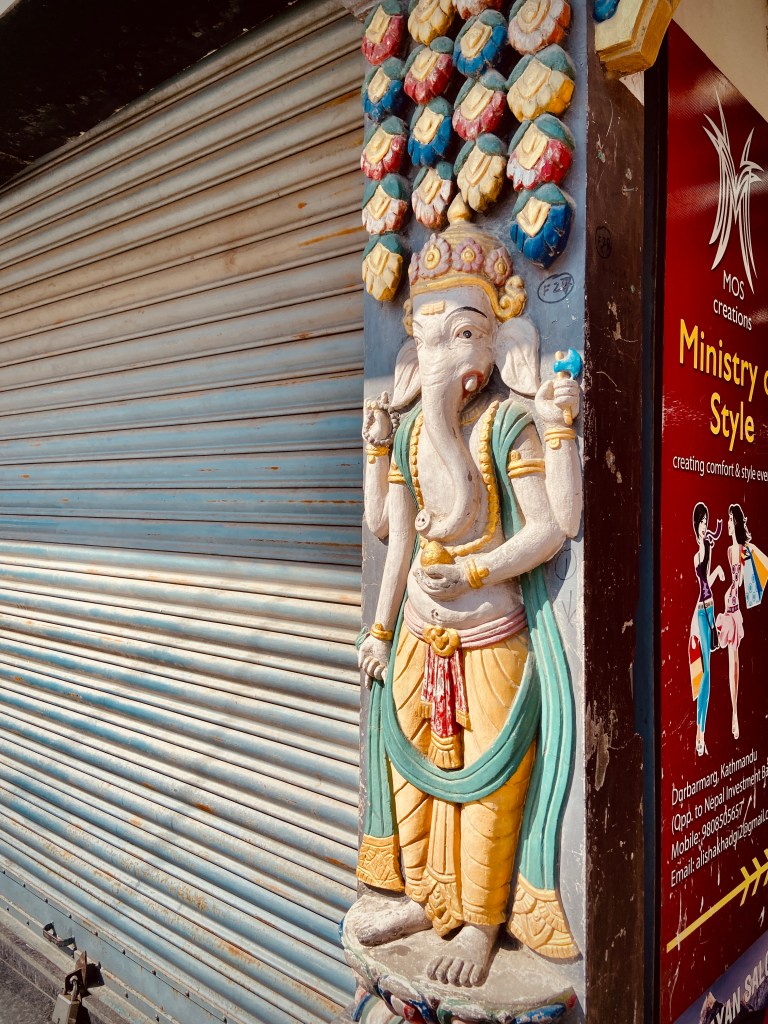
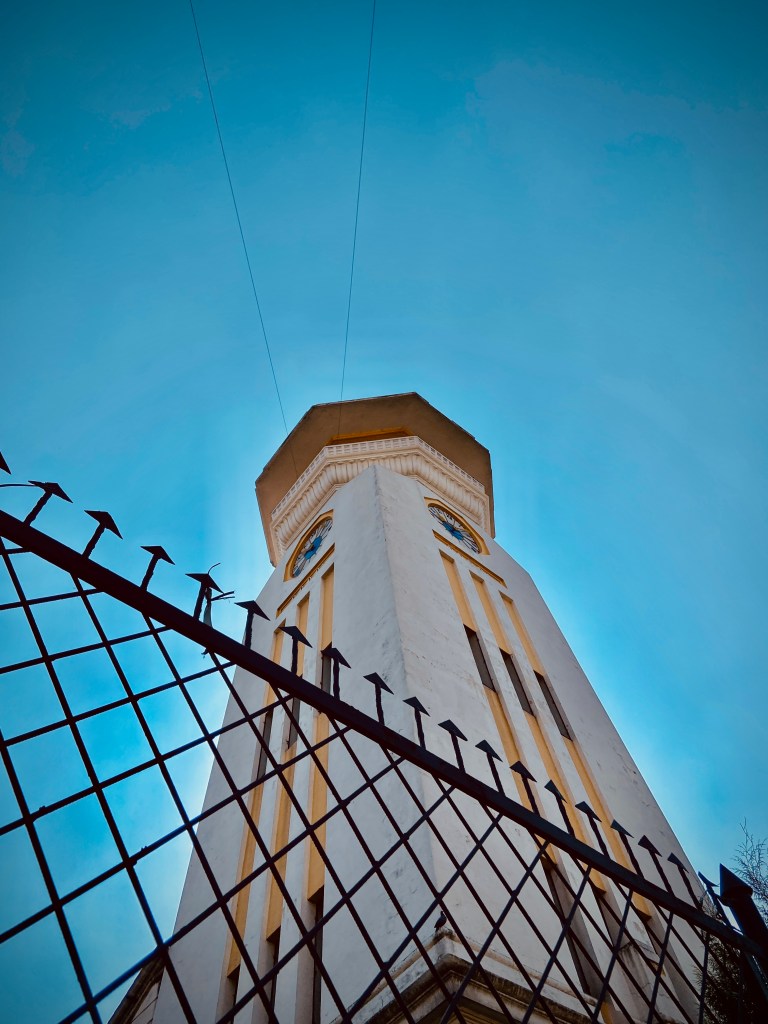
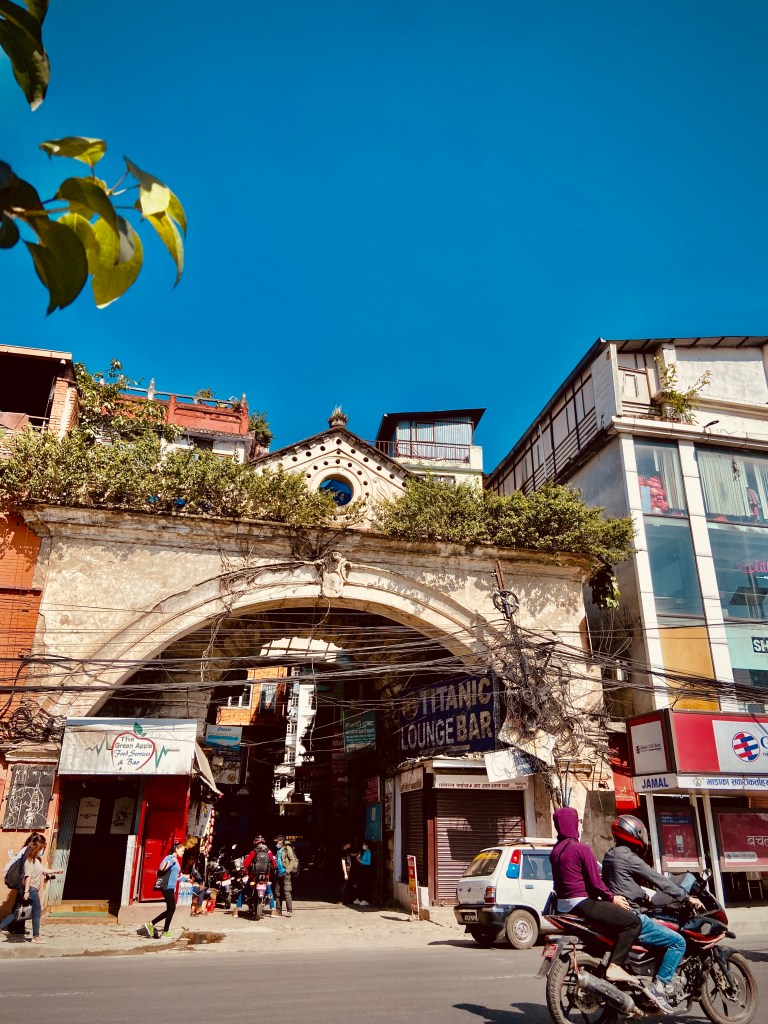
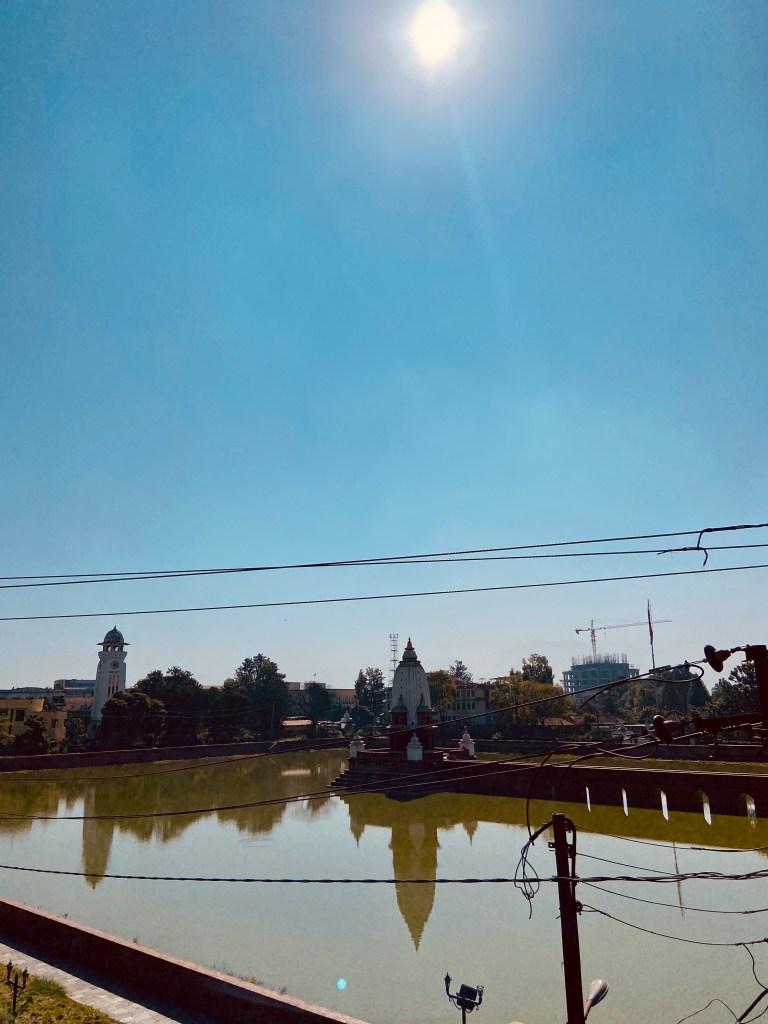
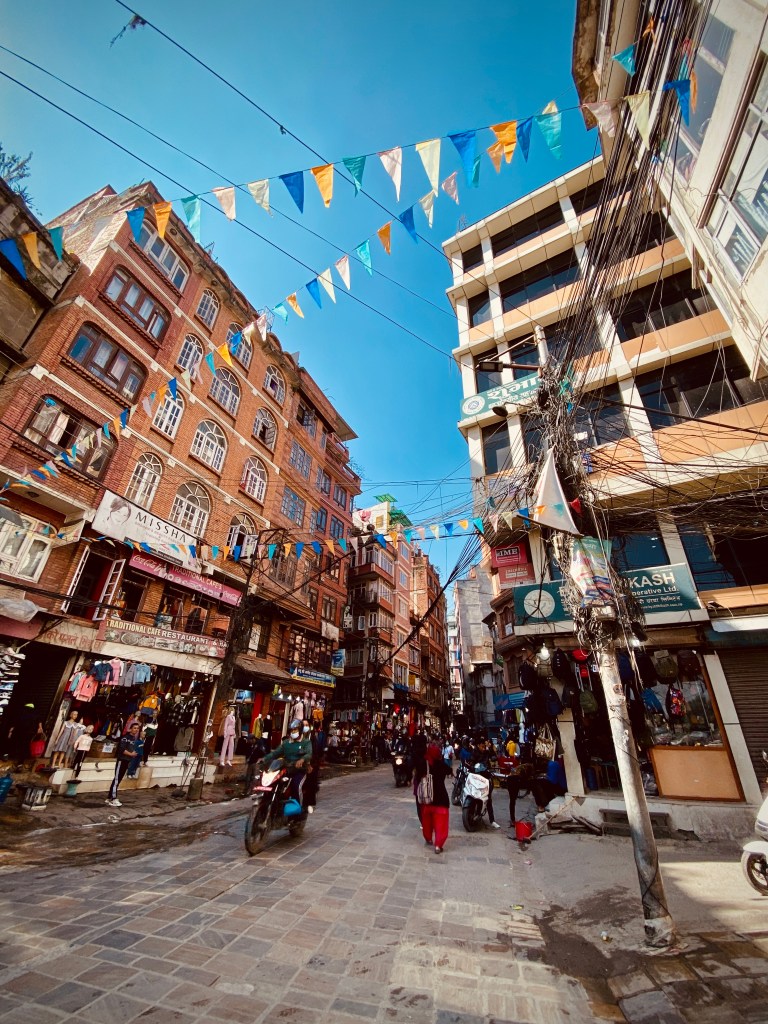
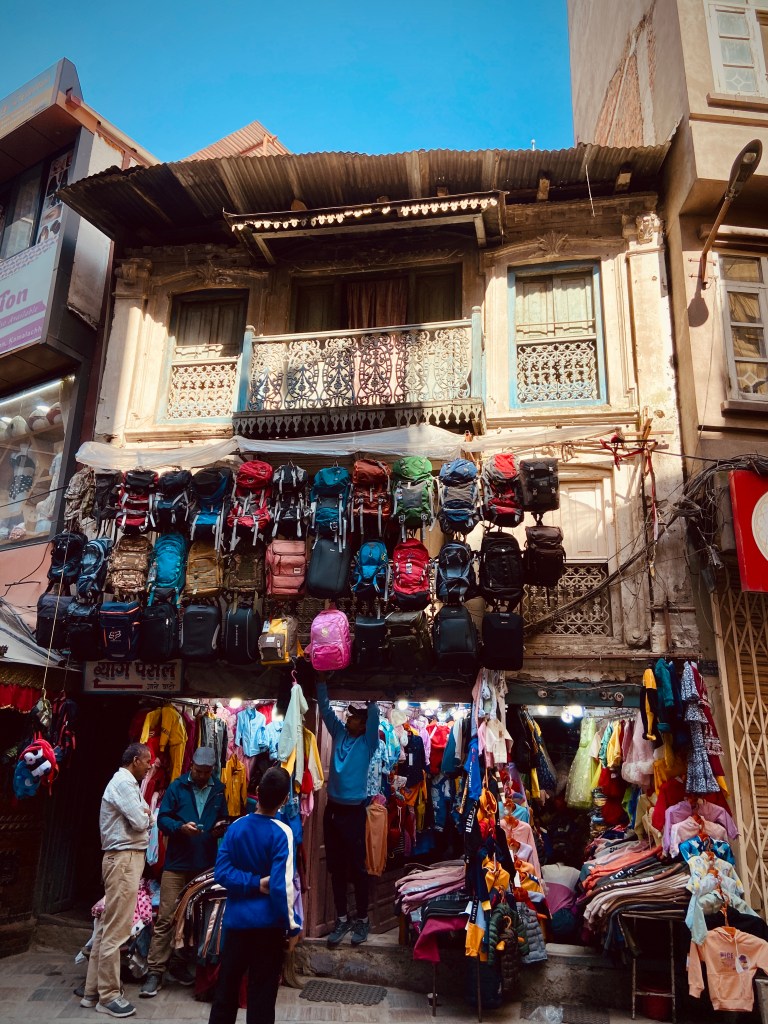
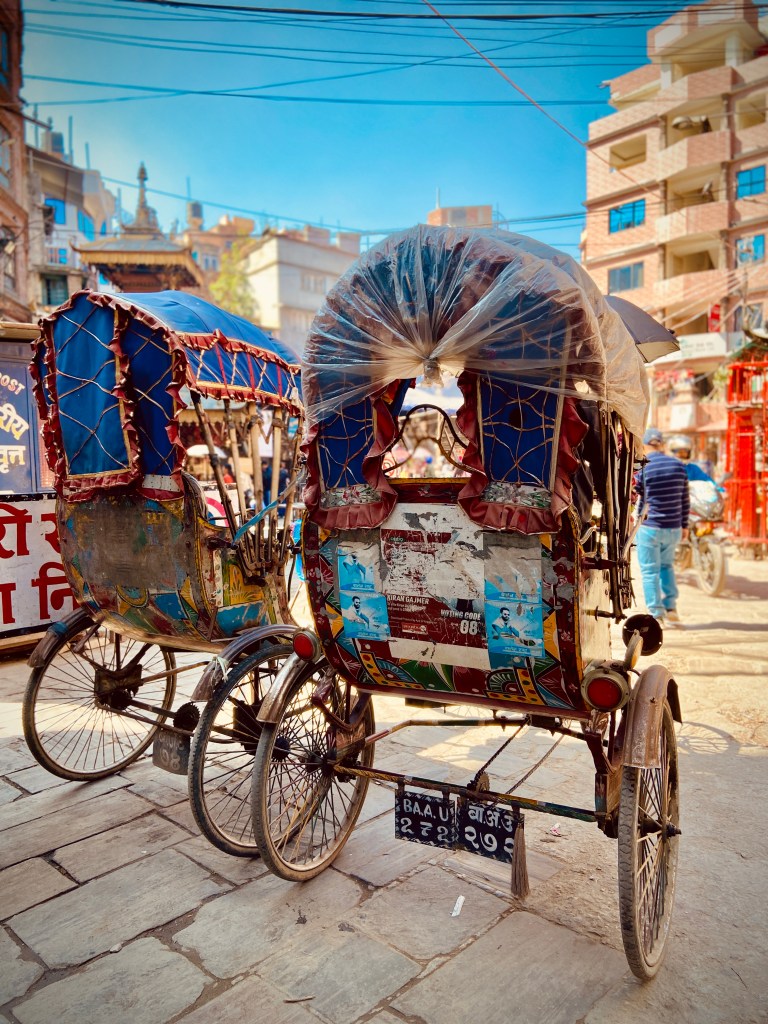
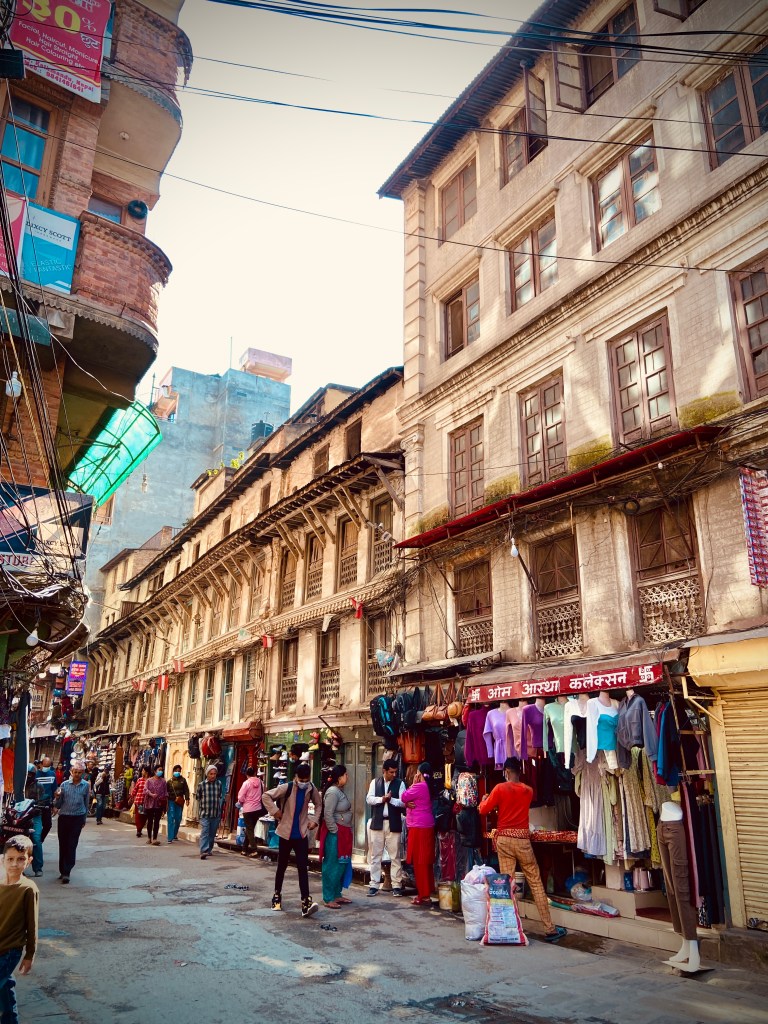
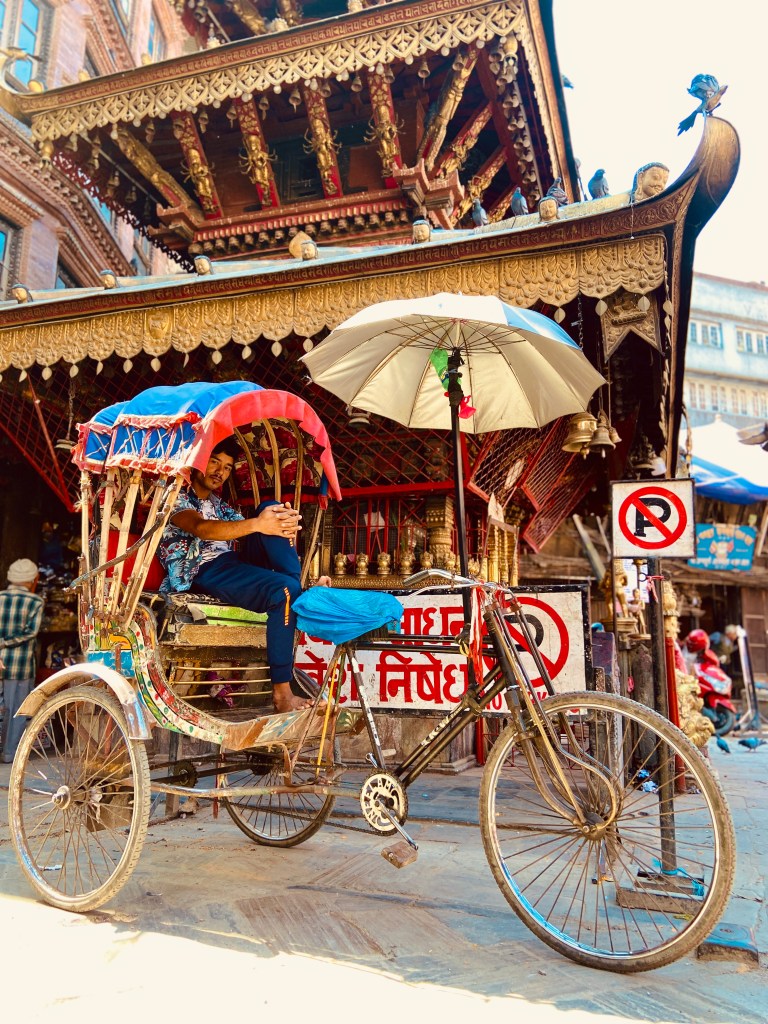
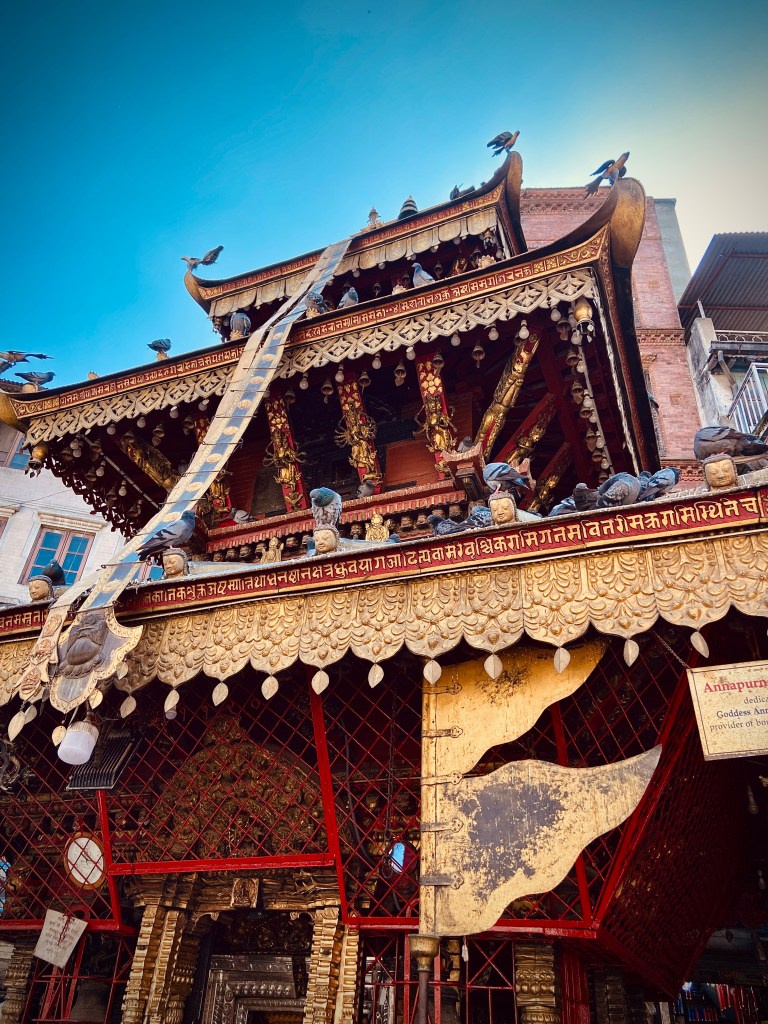
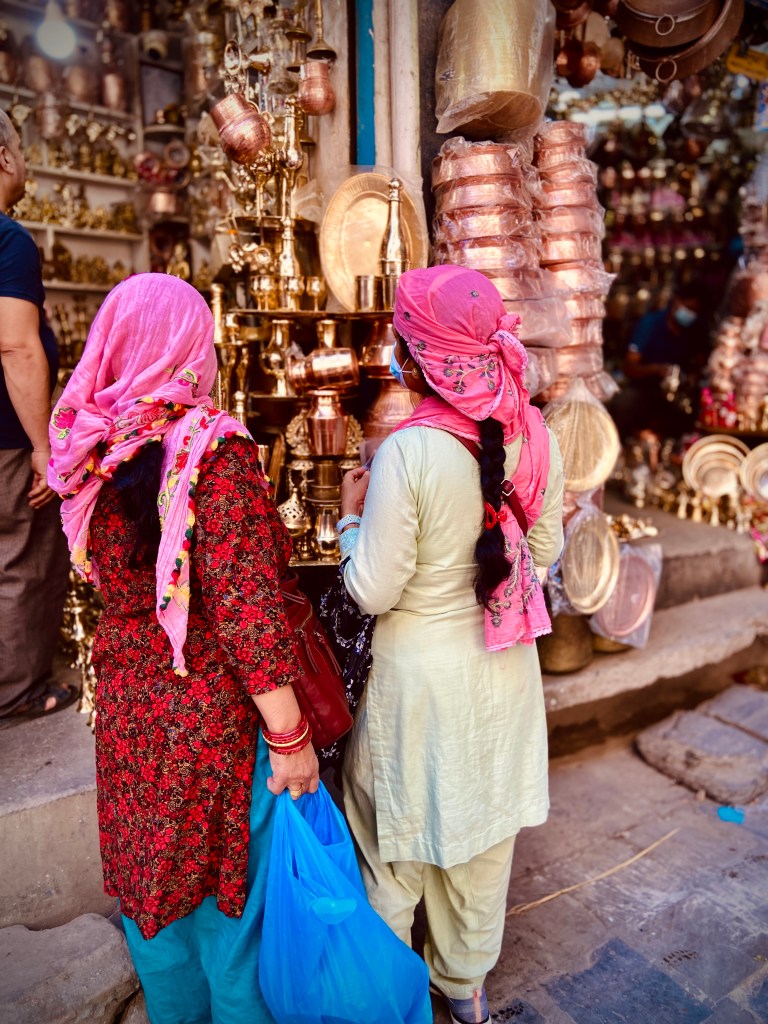
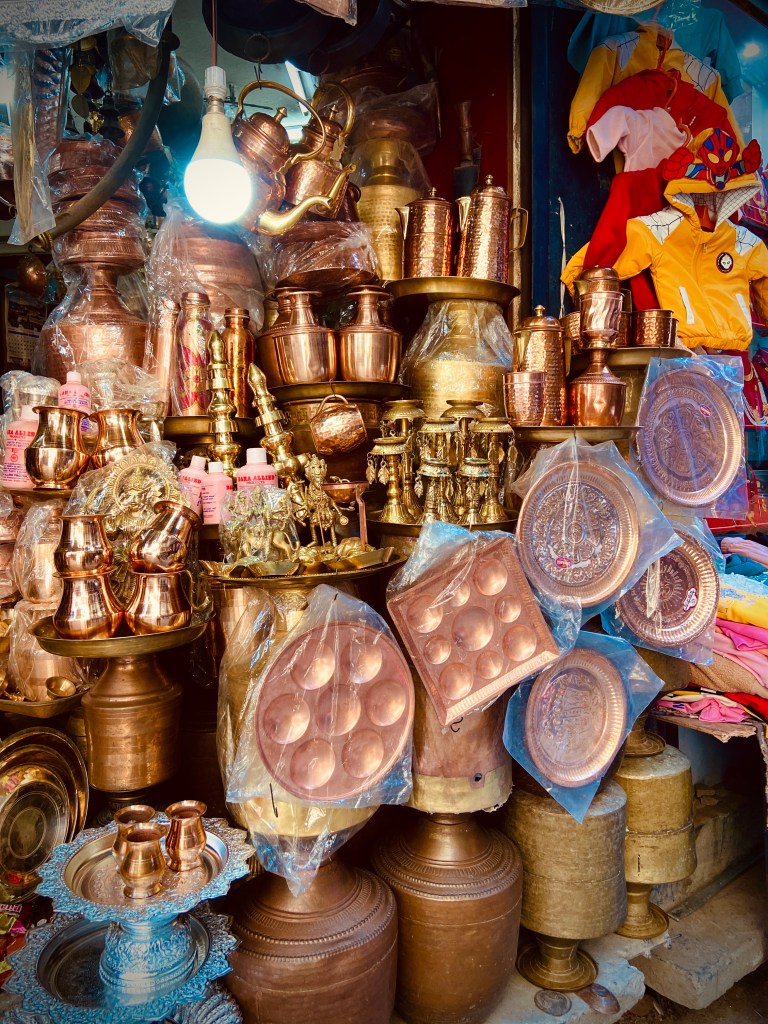
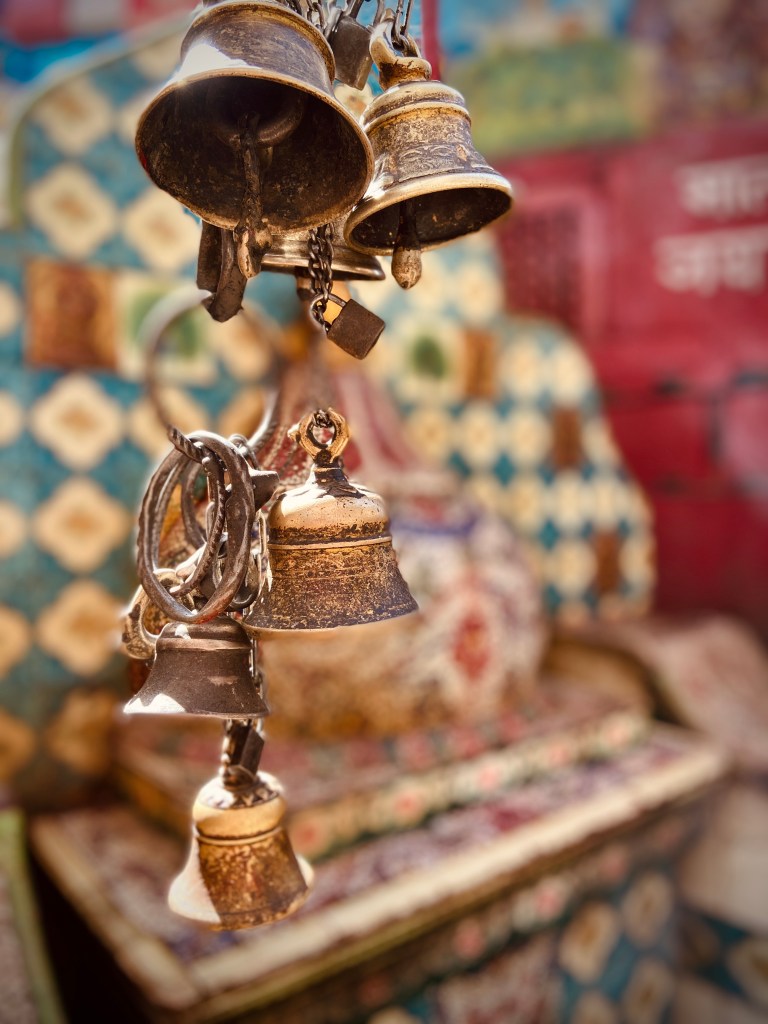
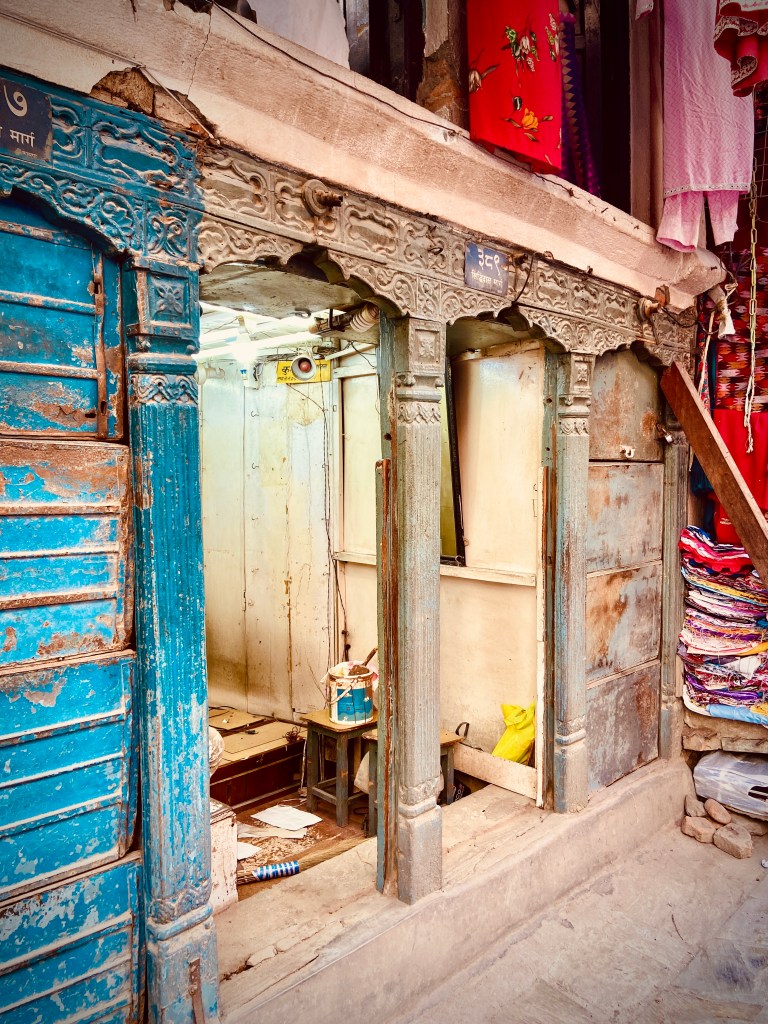
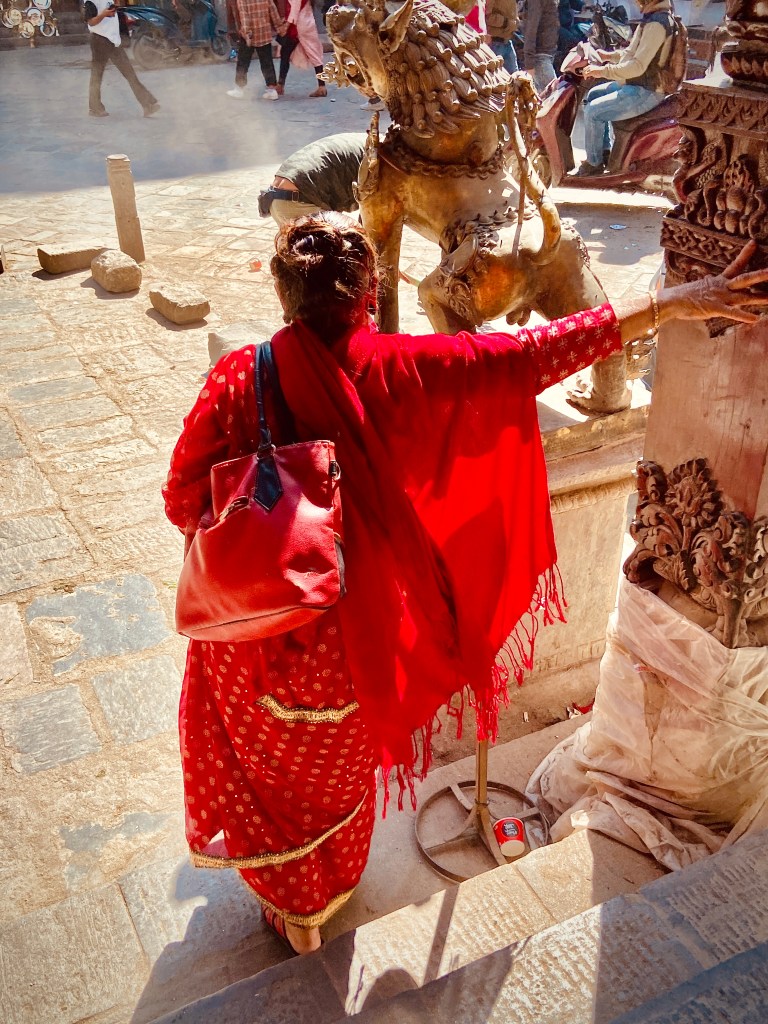
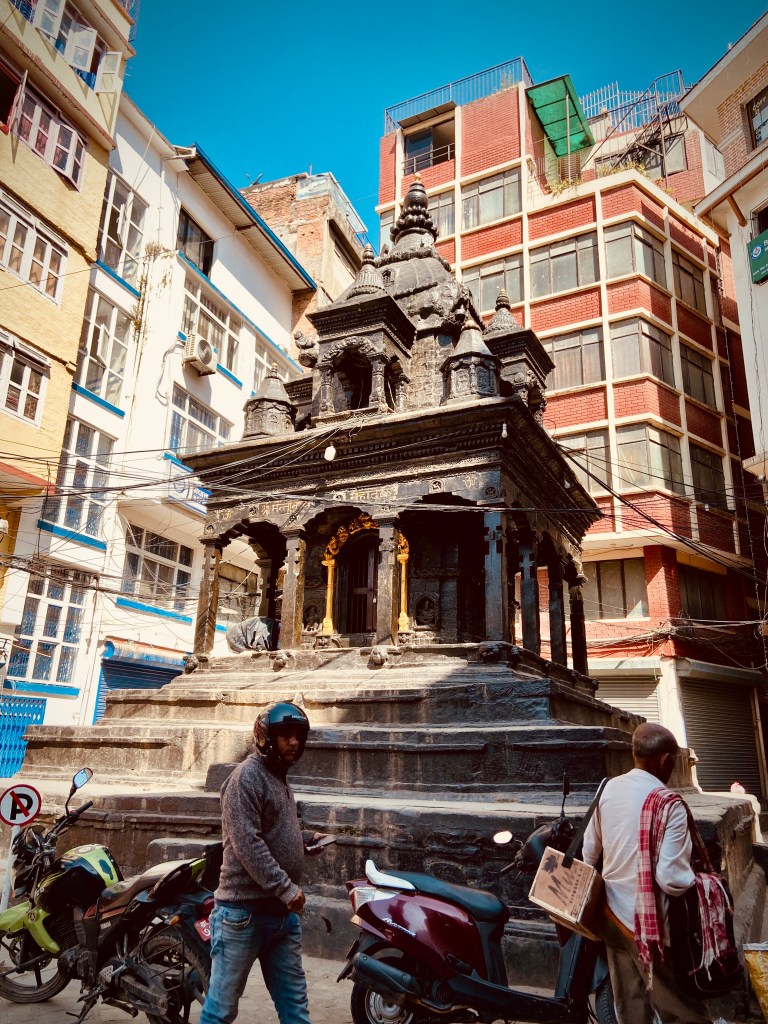
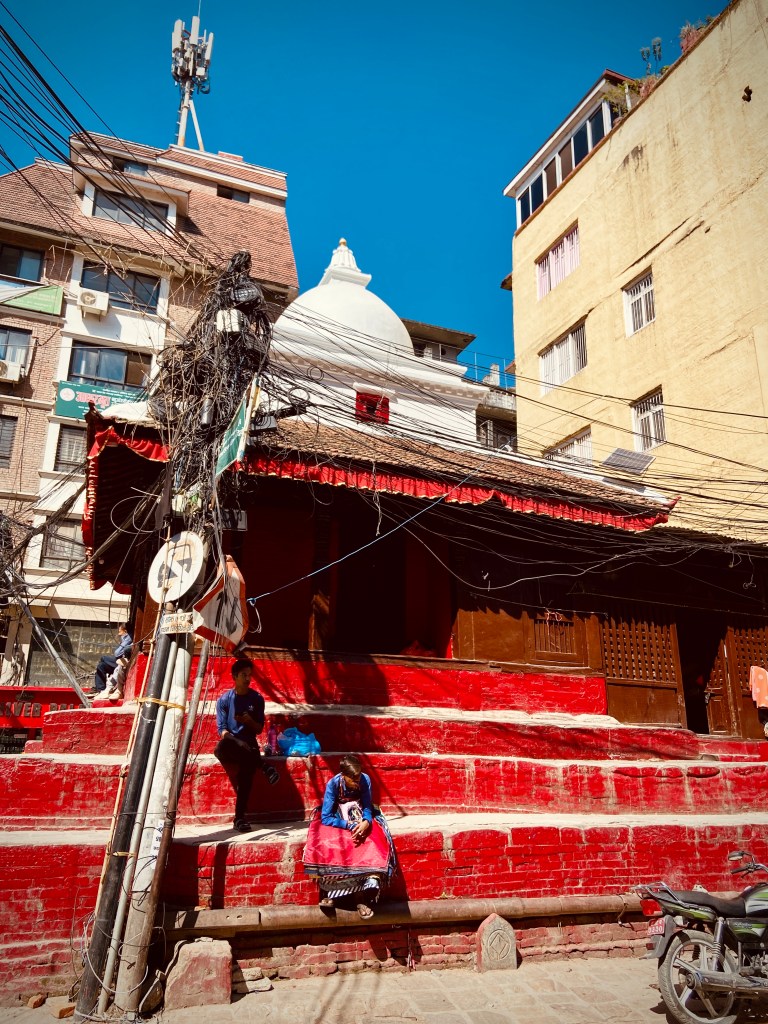
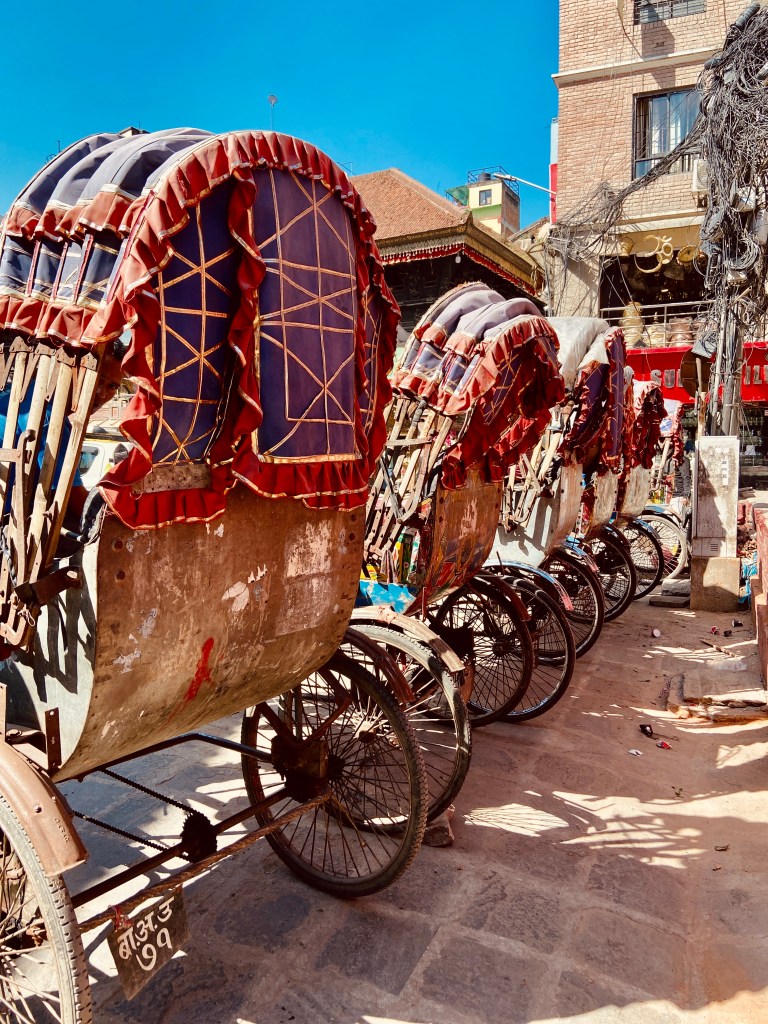
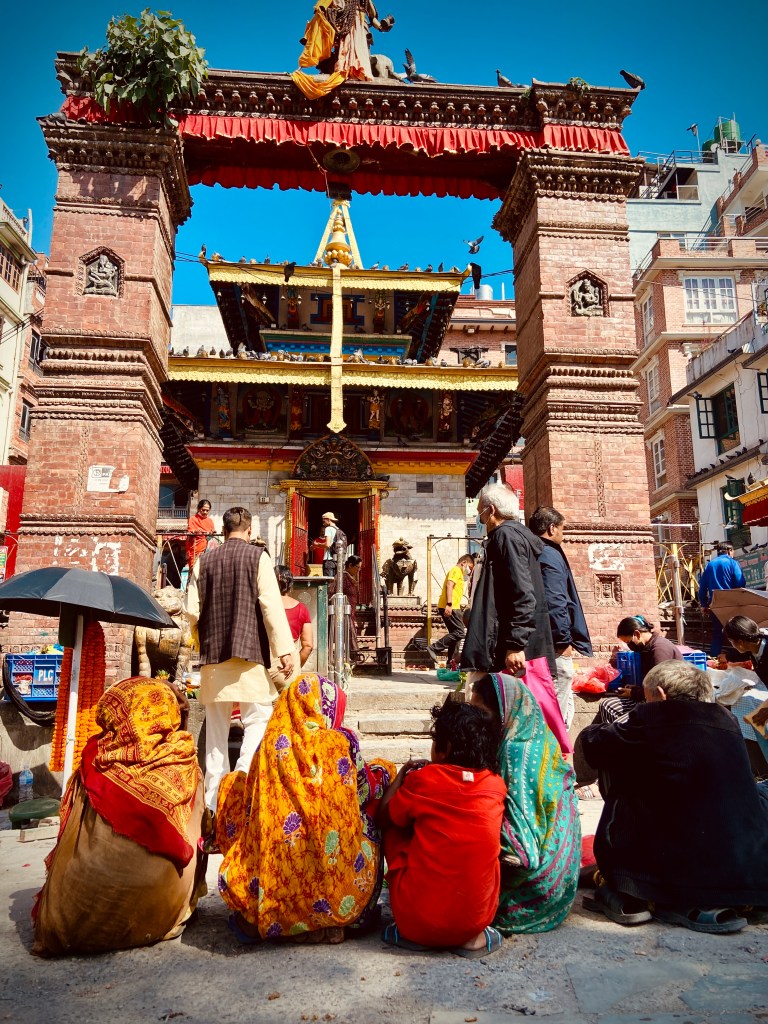
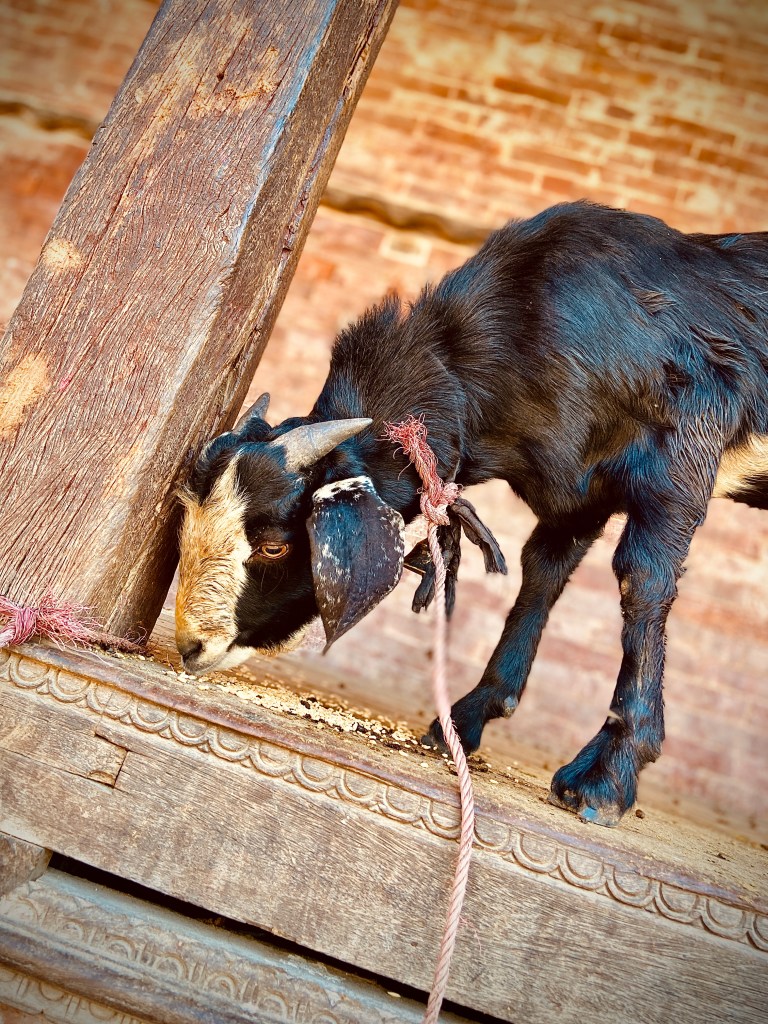
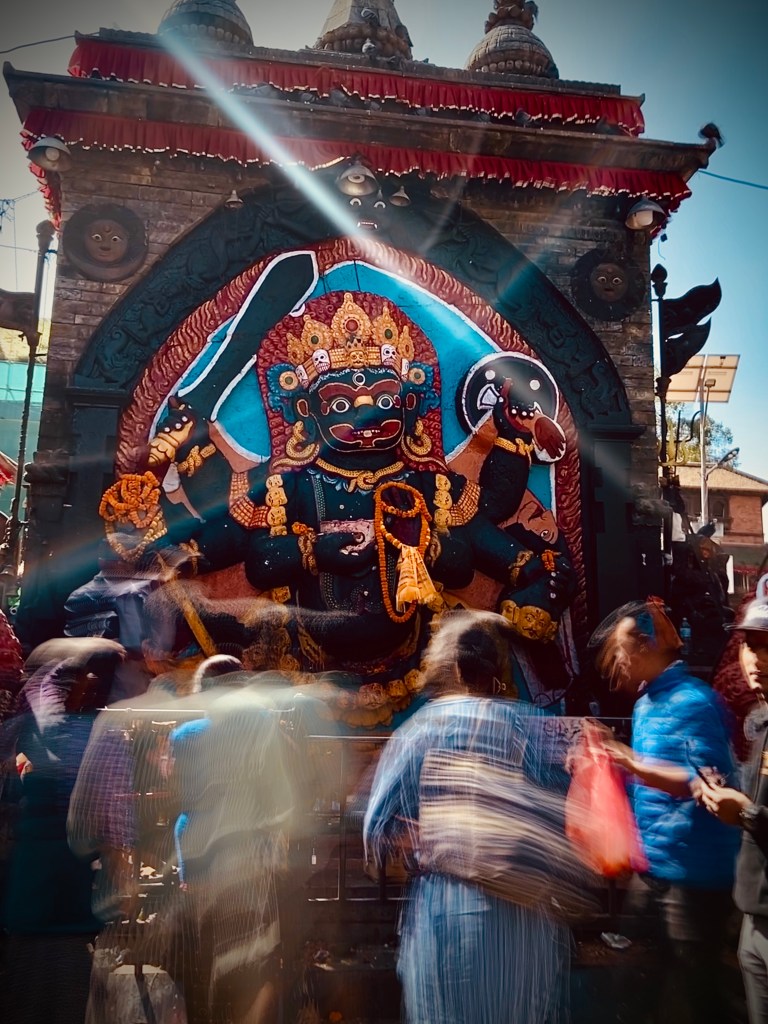
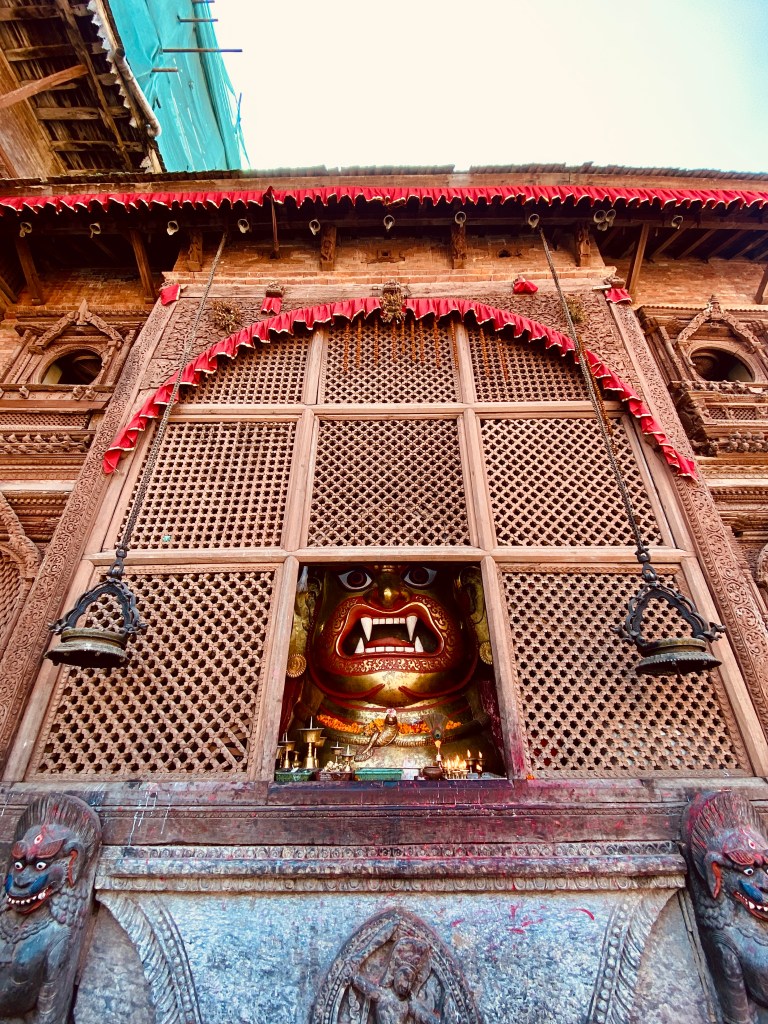
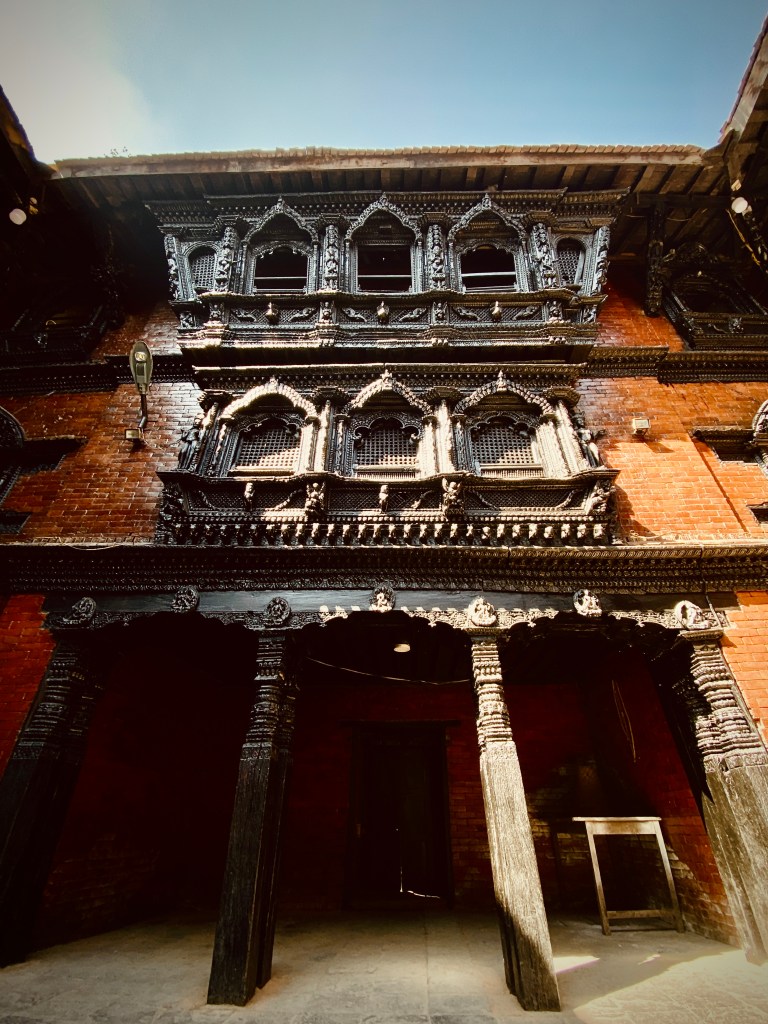
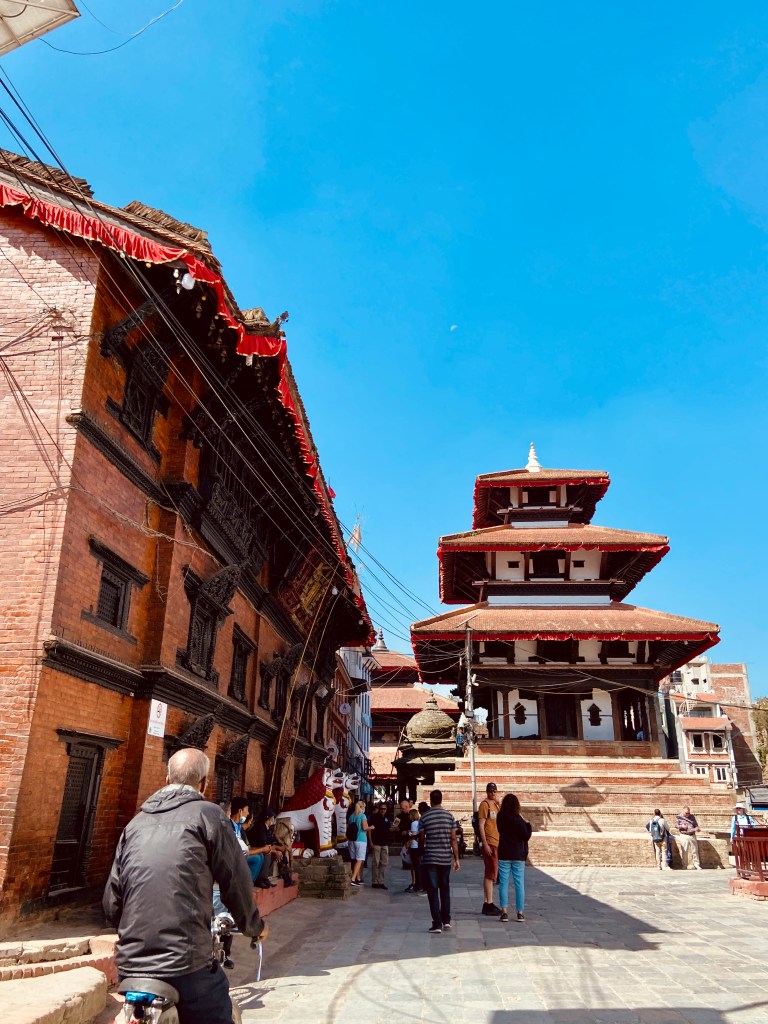
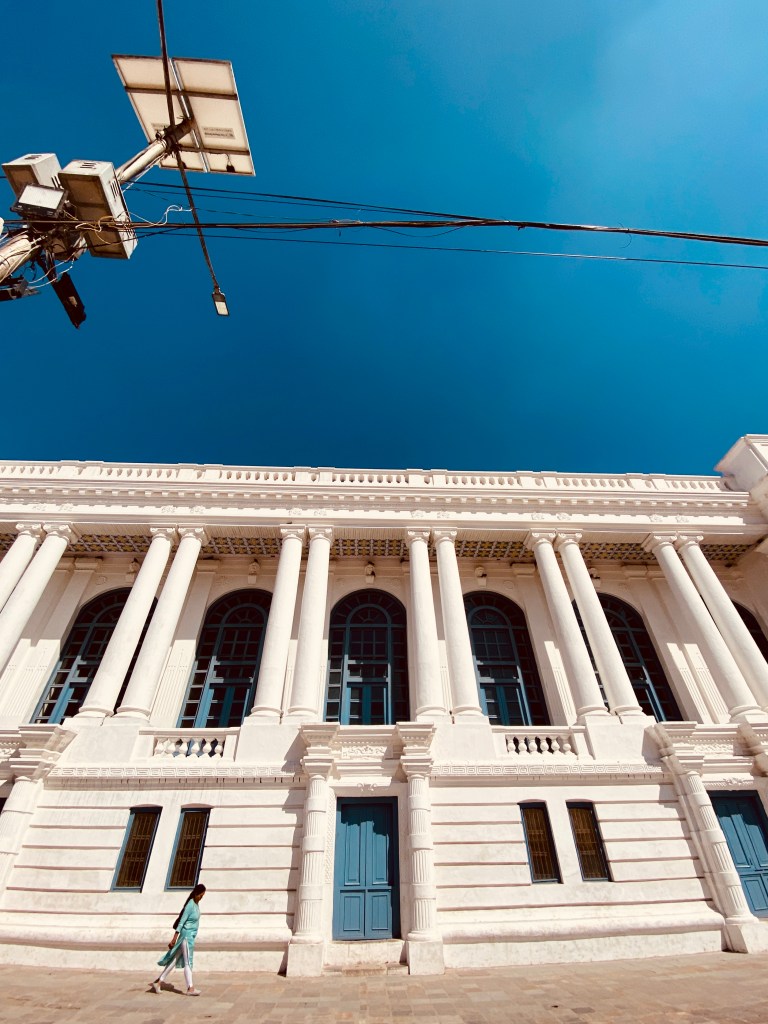
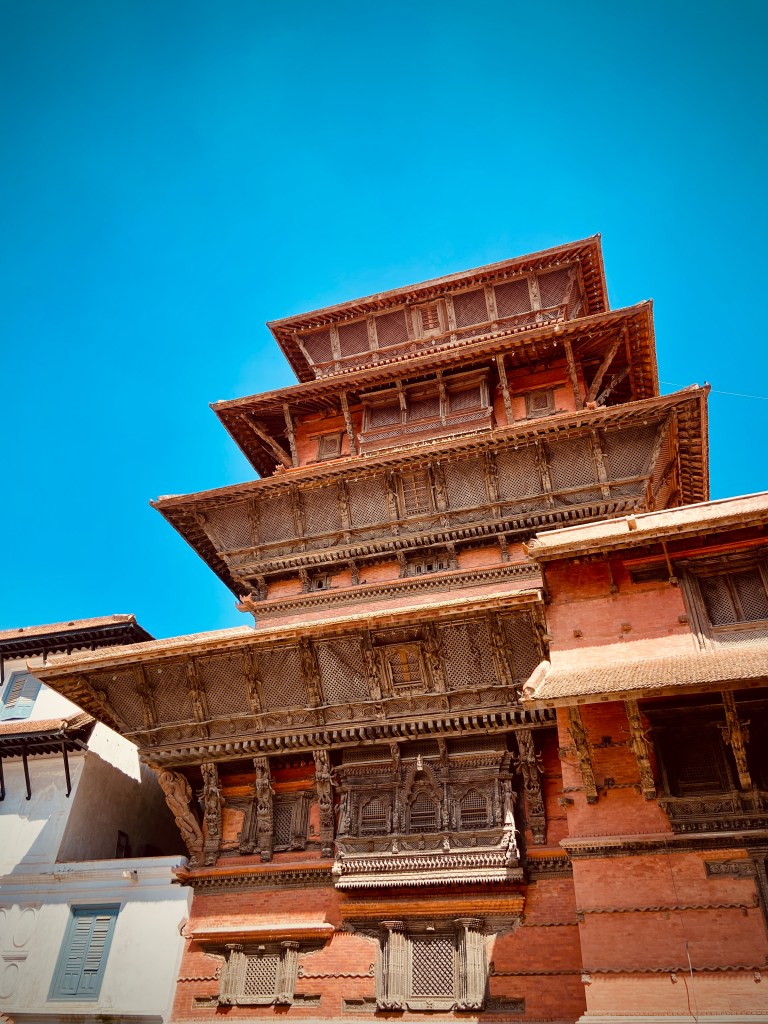
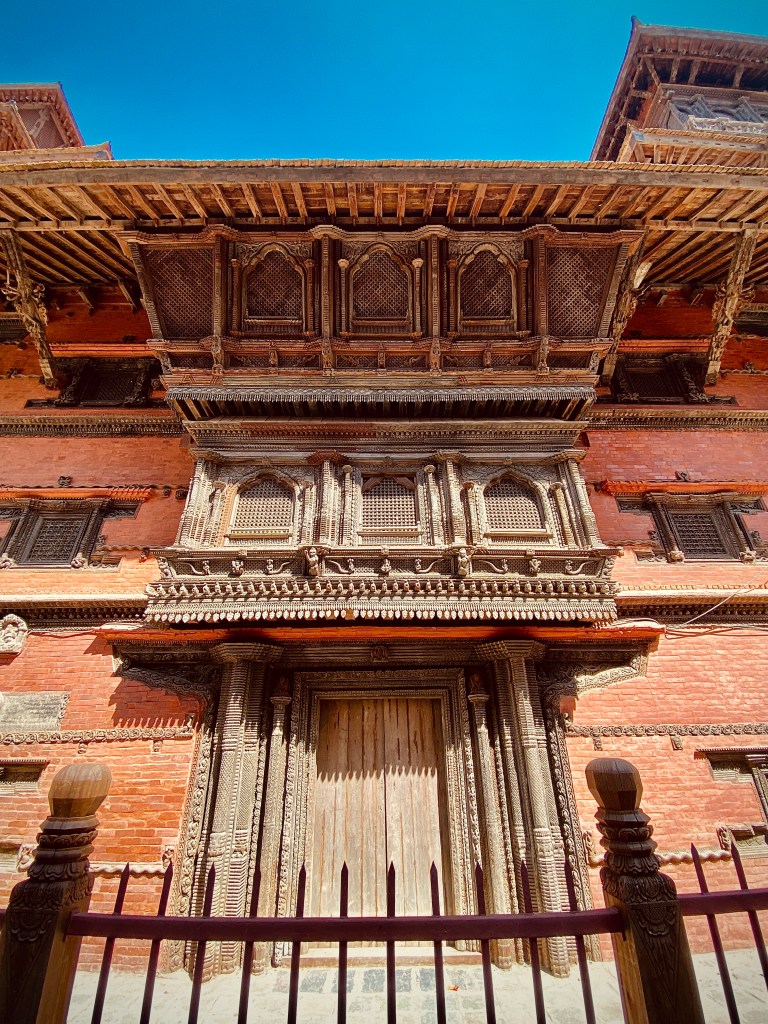
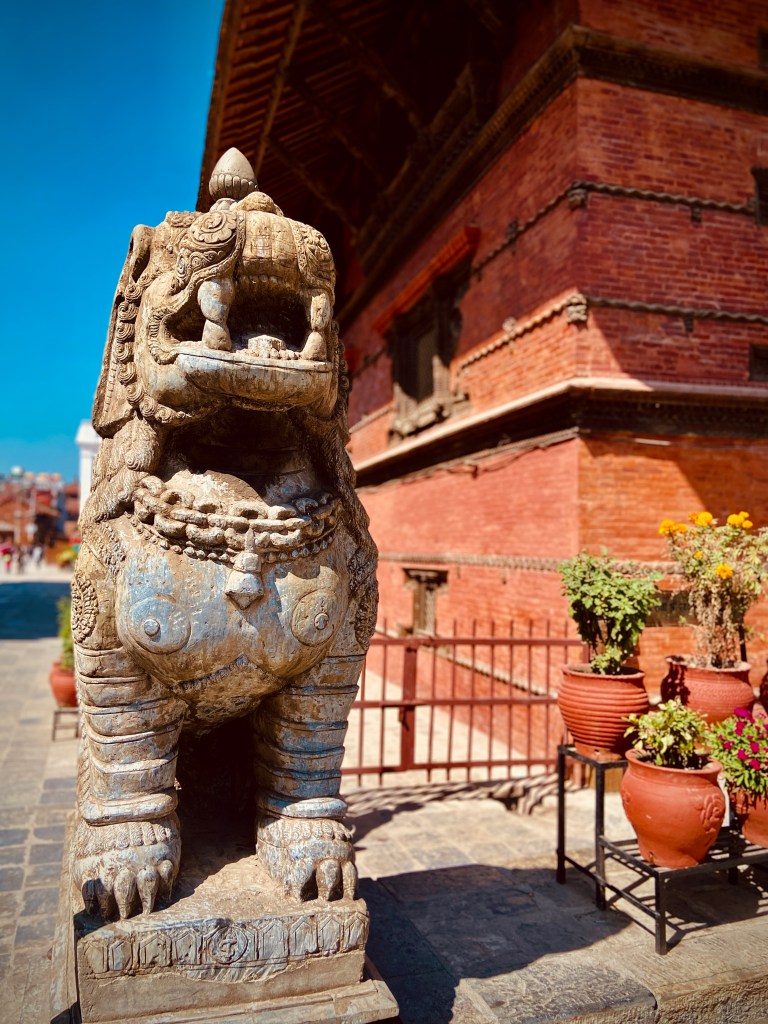
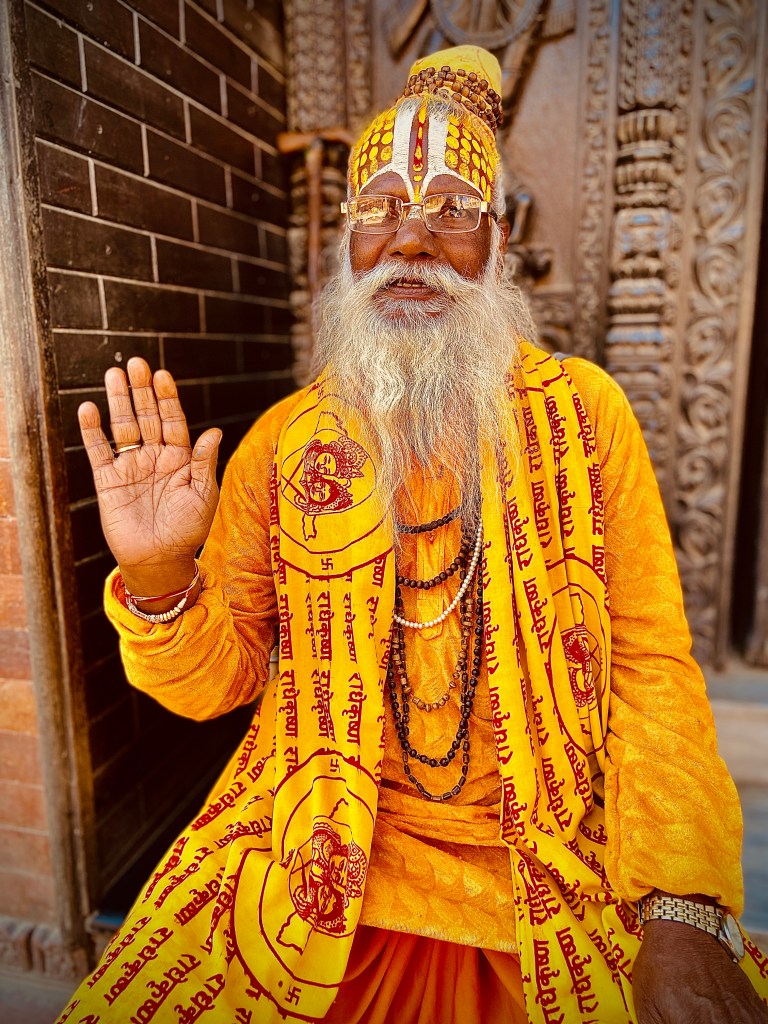
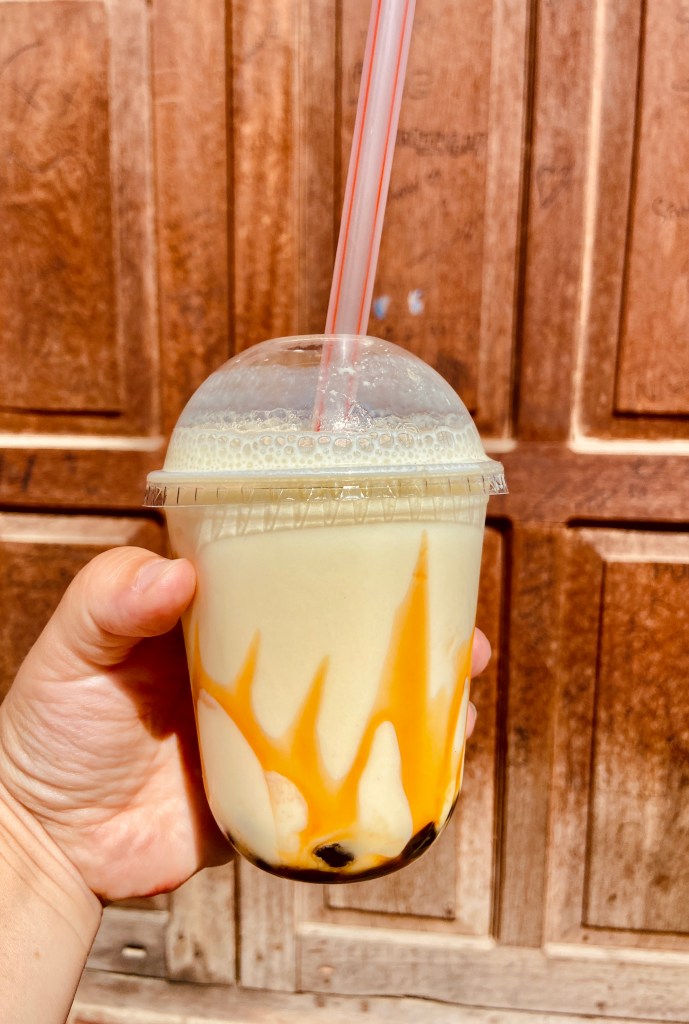
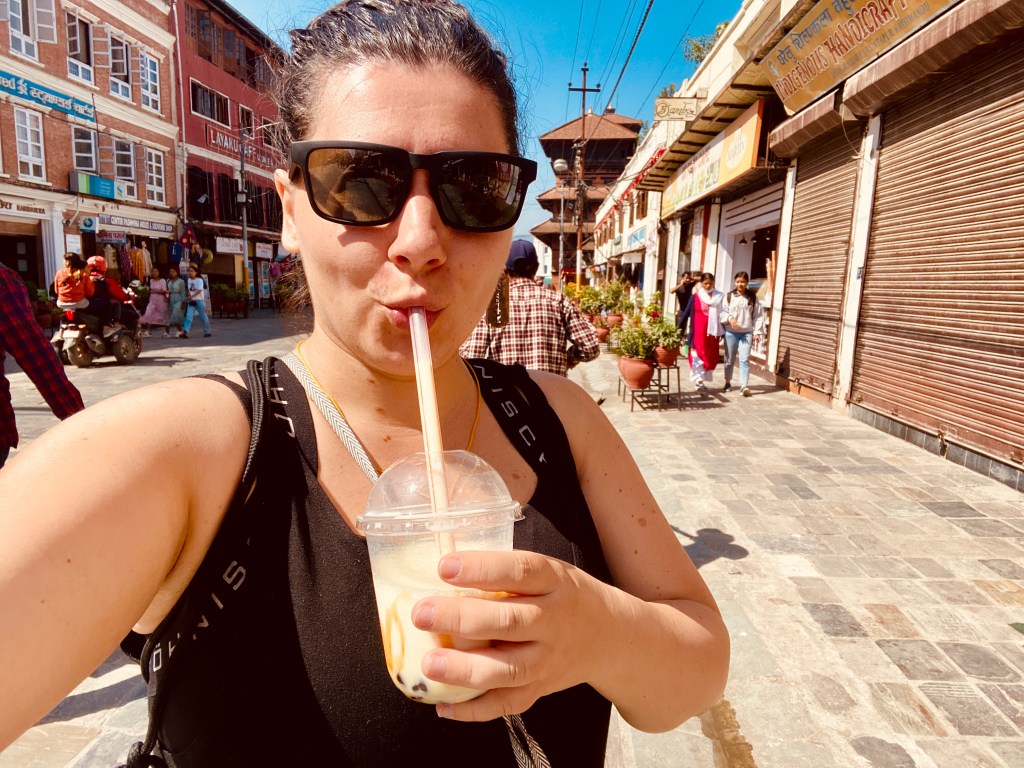
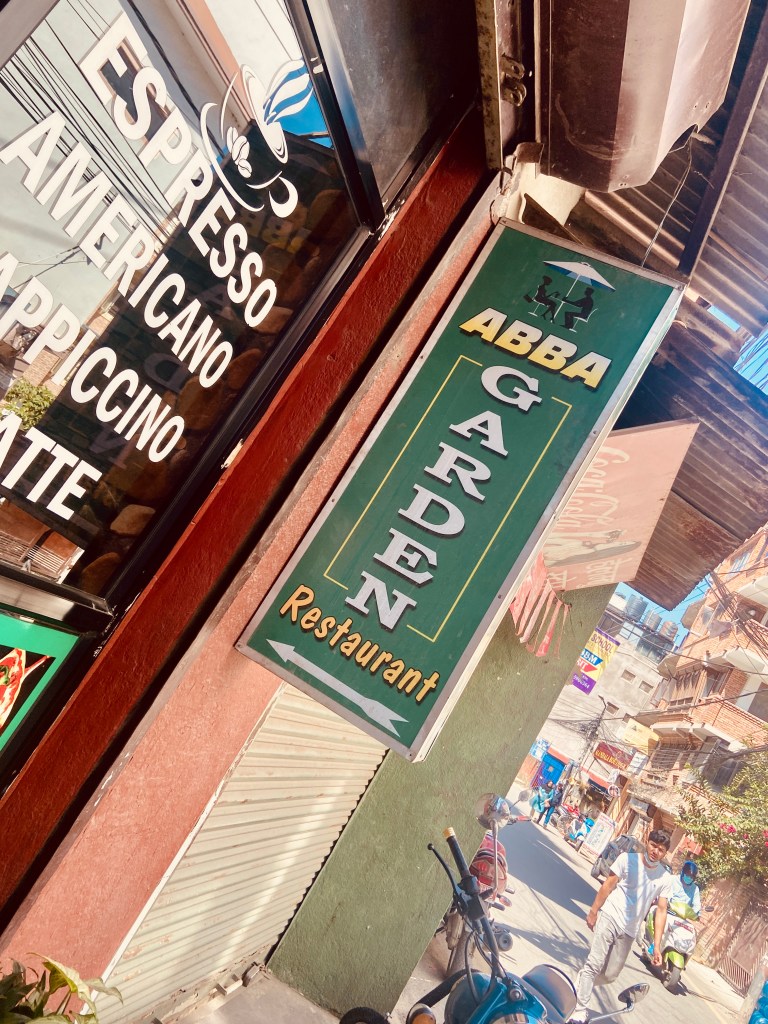
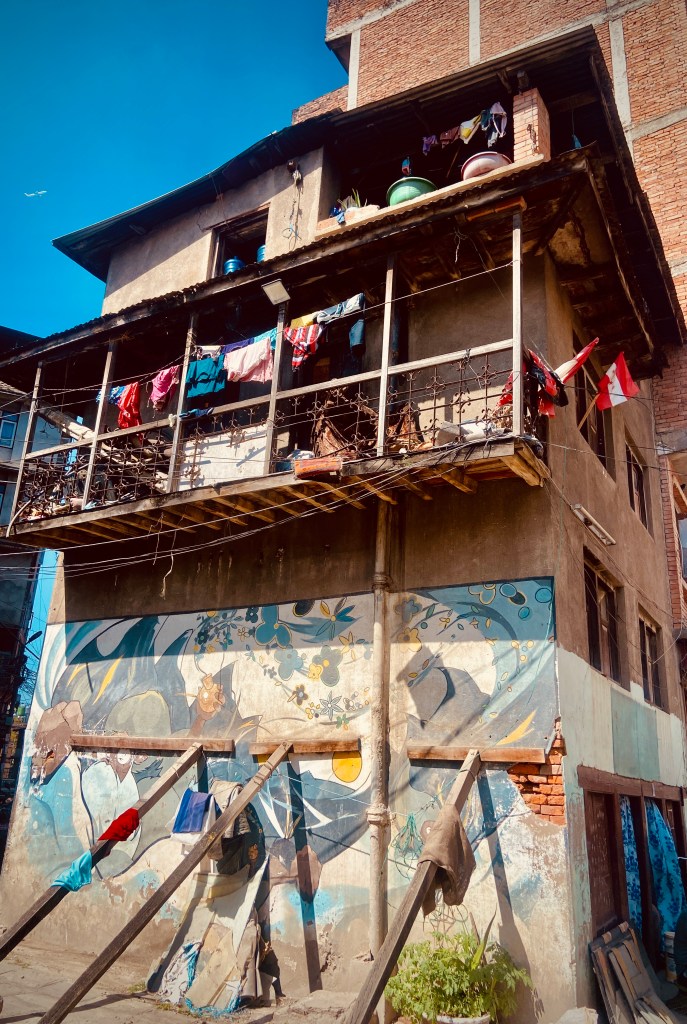
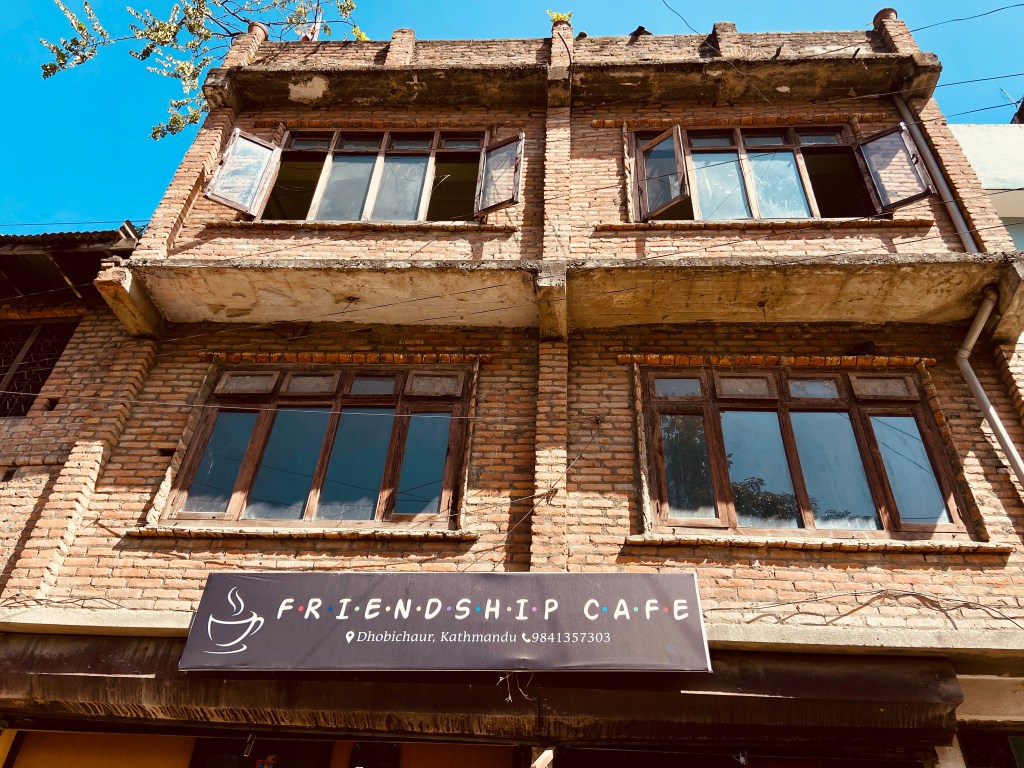
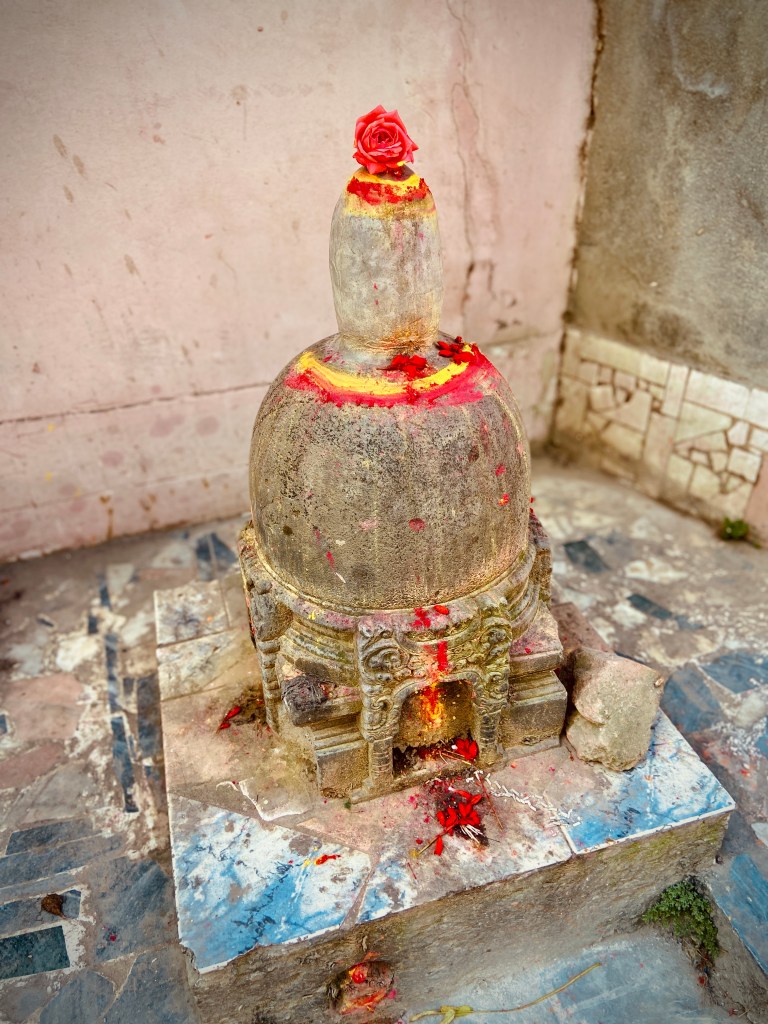
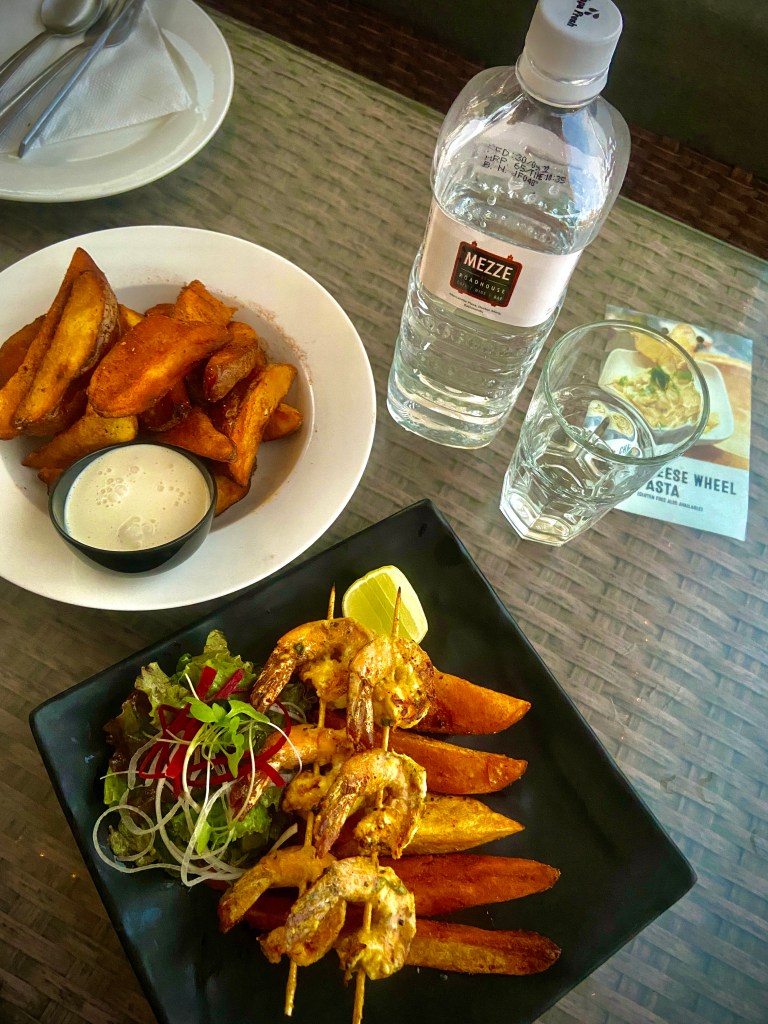
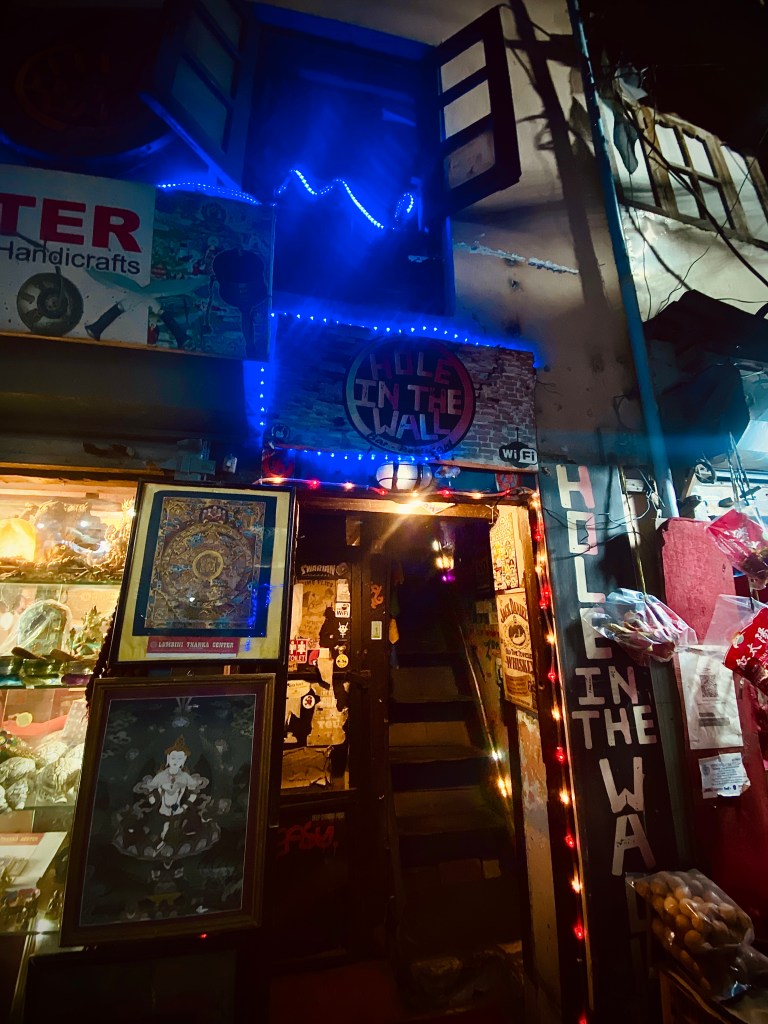
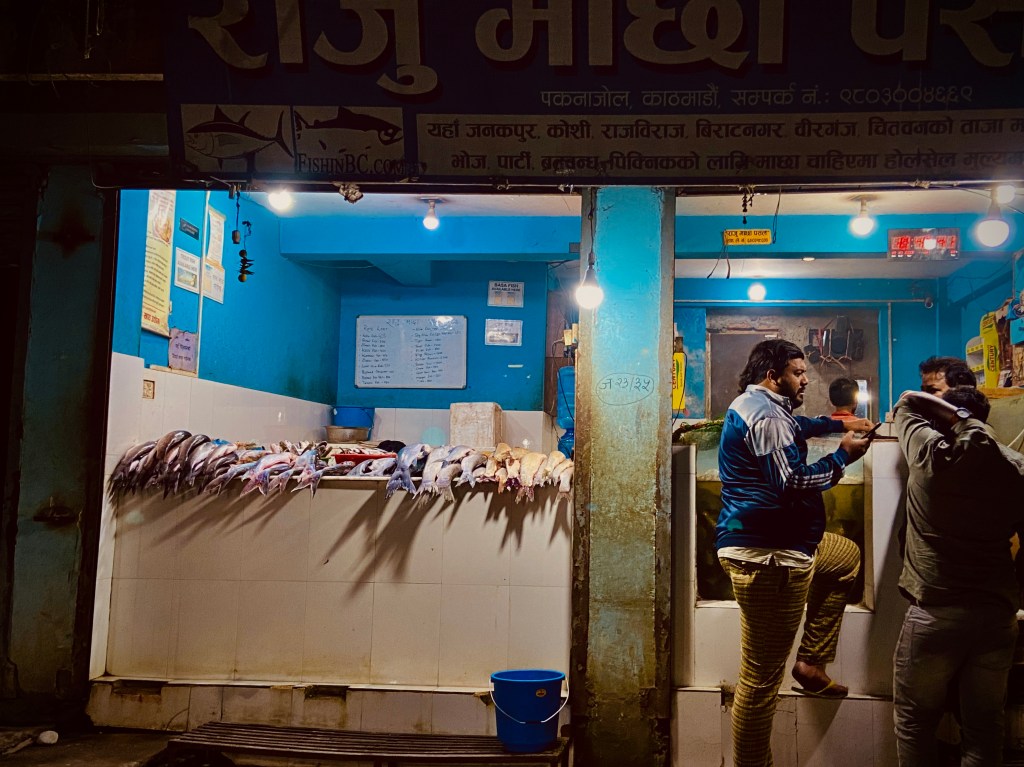
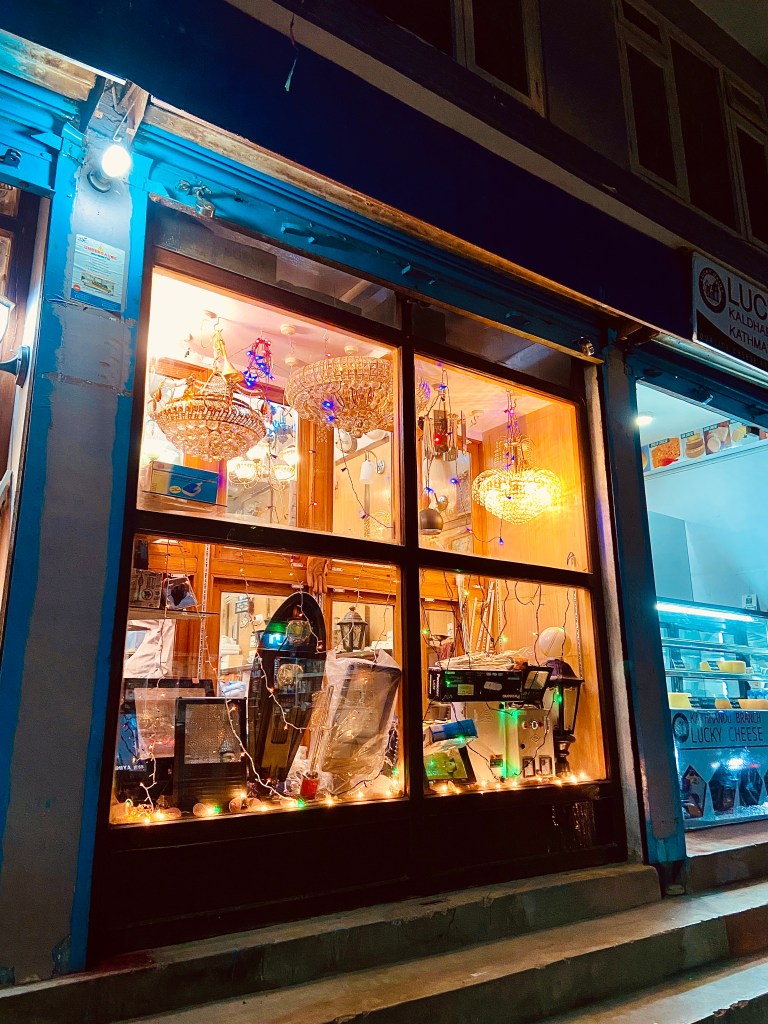
Despite rapid urban growth, traditional craftsmanship, religious festivals, and centuries-old architecture remain central to daily life. Kathmandu is full of history and colours, and its people are warm and polite, regardless of their social situation. You’re invited inside, but they don’t insist you buy anything. You’re offered help, but they’re not offended when you decline.
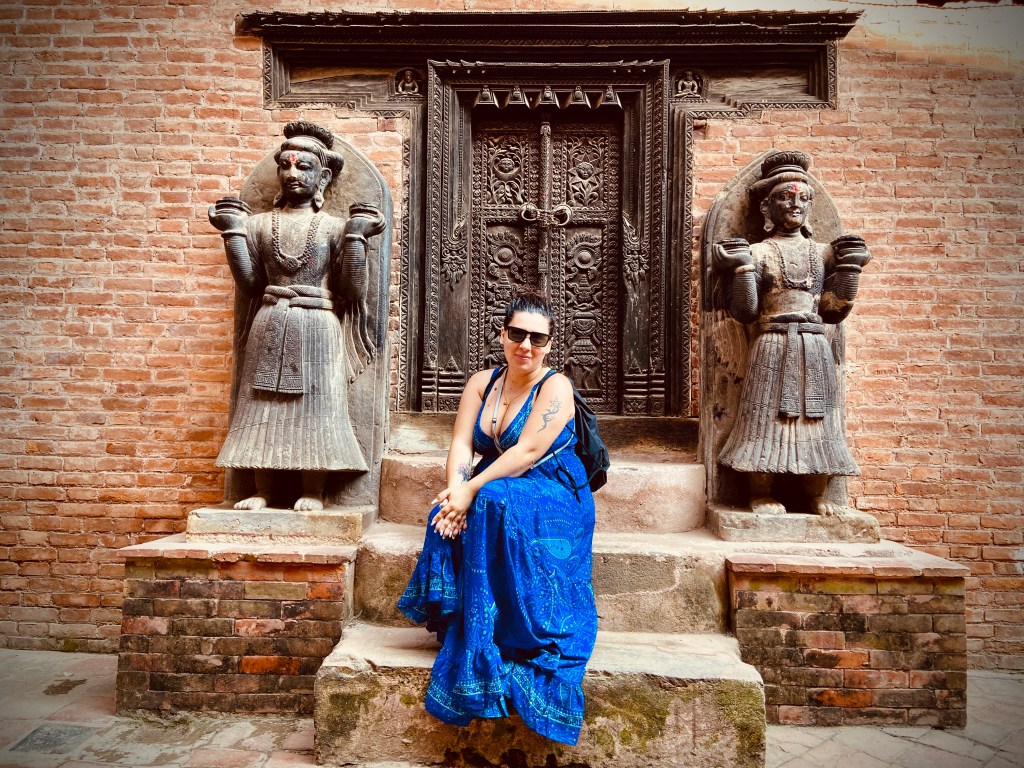
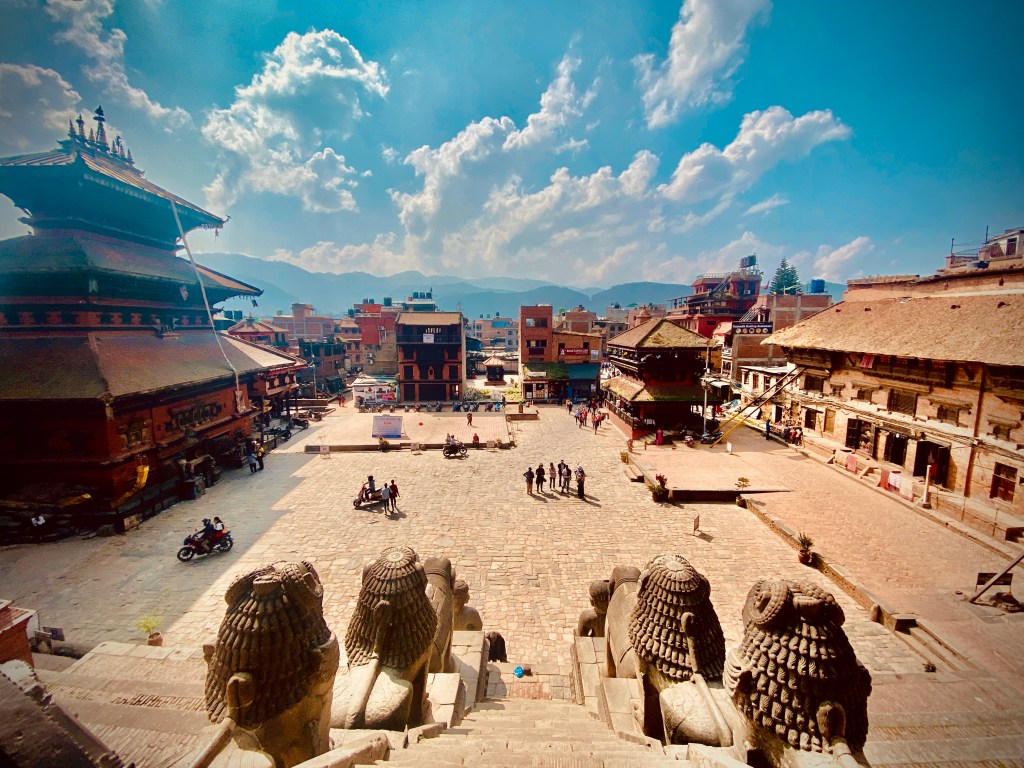
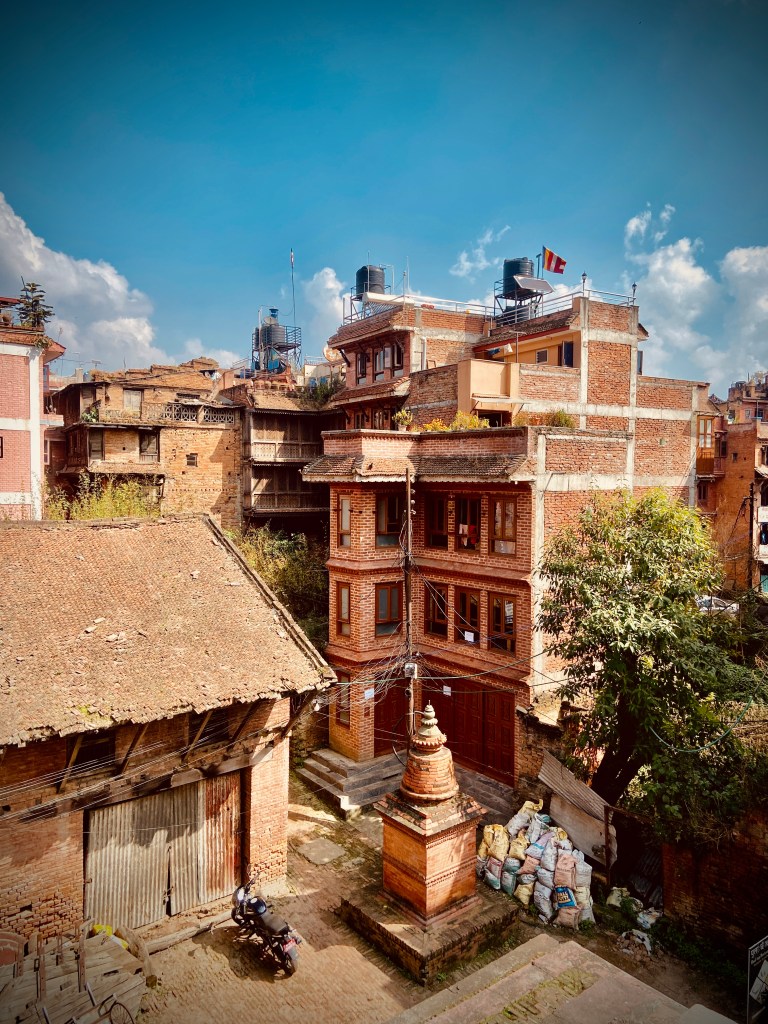
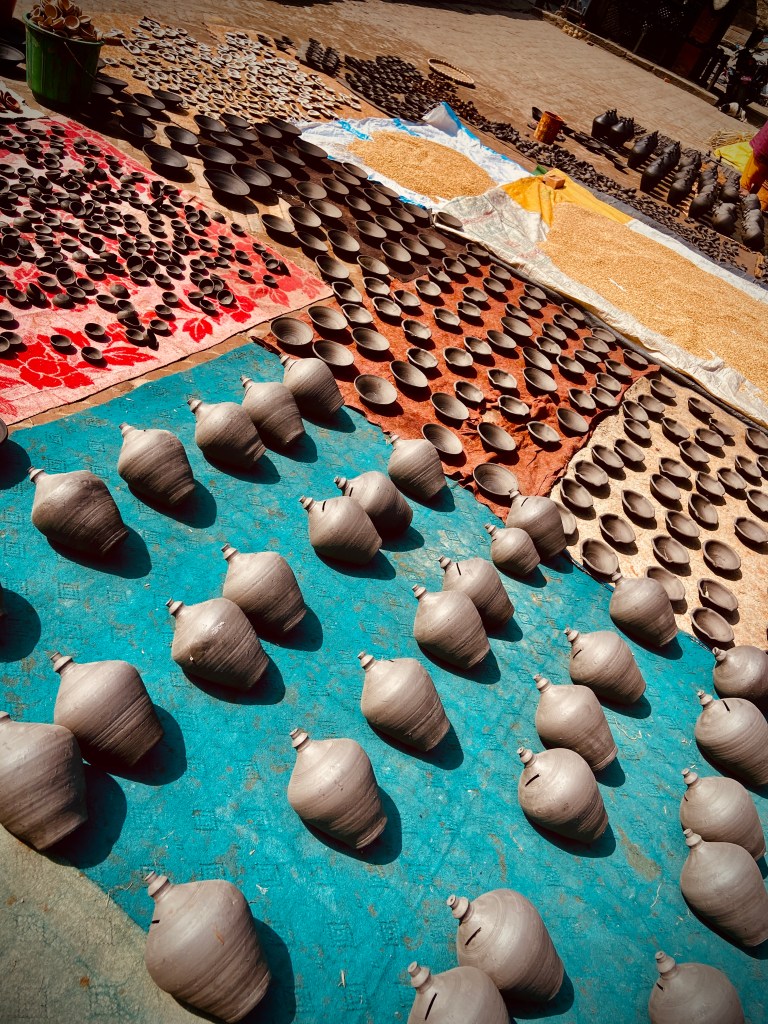
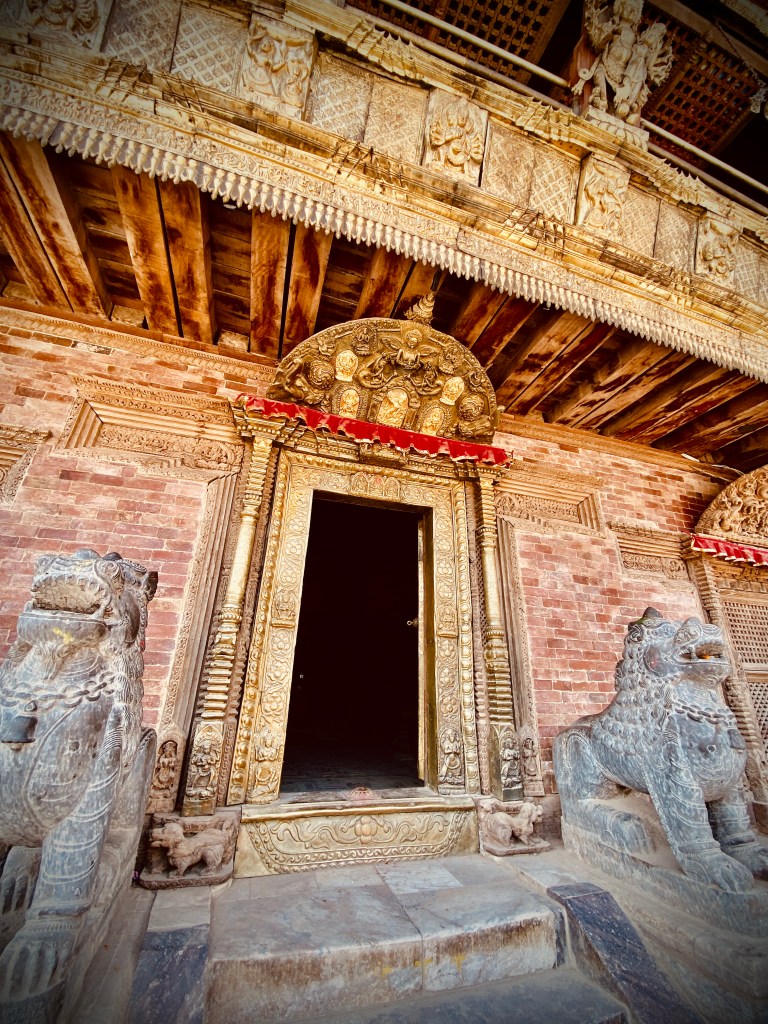
The hotel booked me a driver for Patan and Bhaktapur, a very patient man who waited in the parking lots for my nerdy self to visit every single street and temple possible. This was a very convenient way to see both areas, as they are farther from Thamel. In Bhaktapur I even got a guide who took me through centuries of Nepalese history with great stories and explanations.
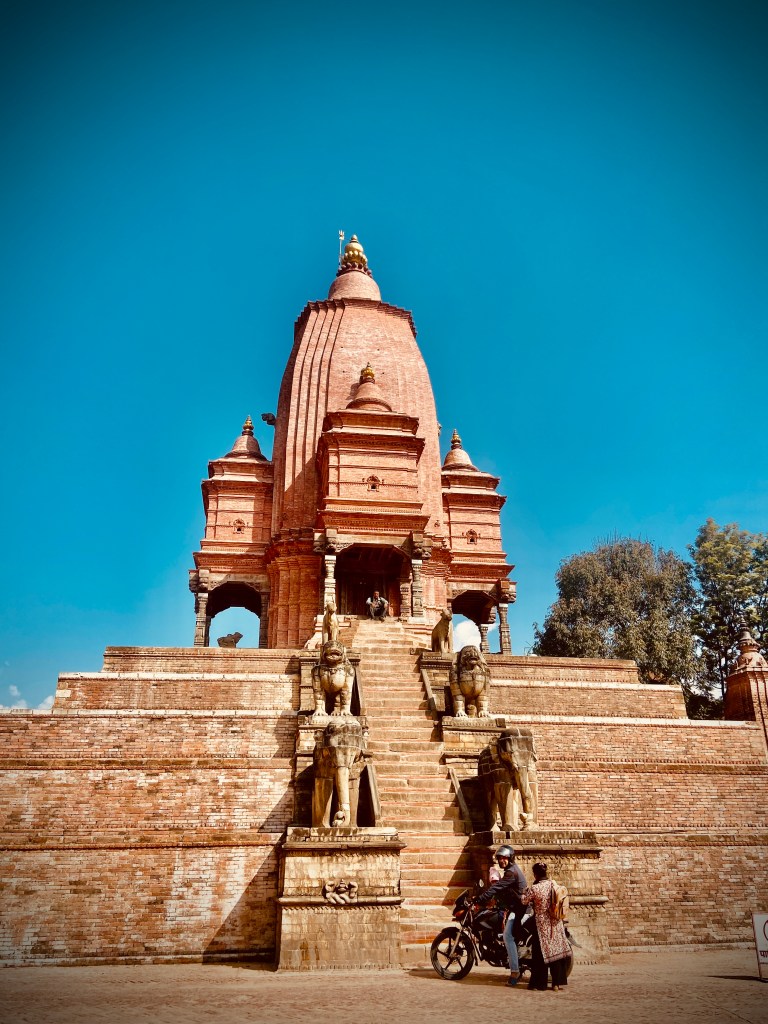
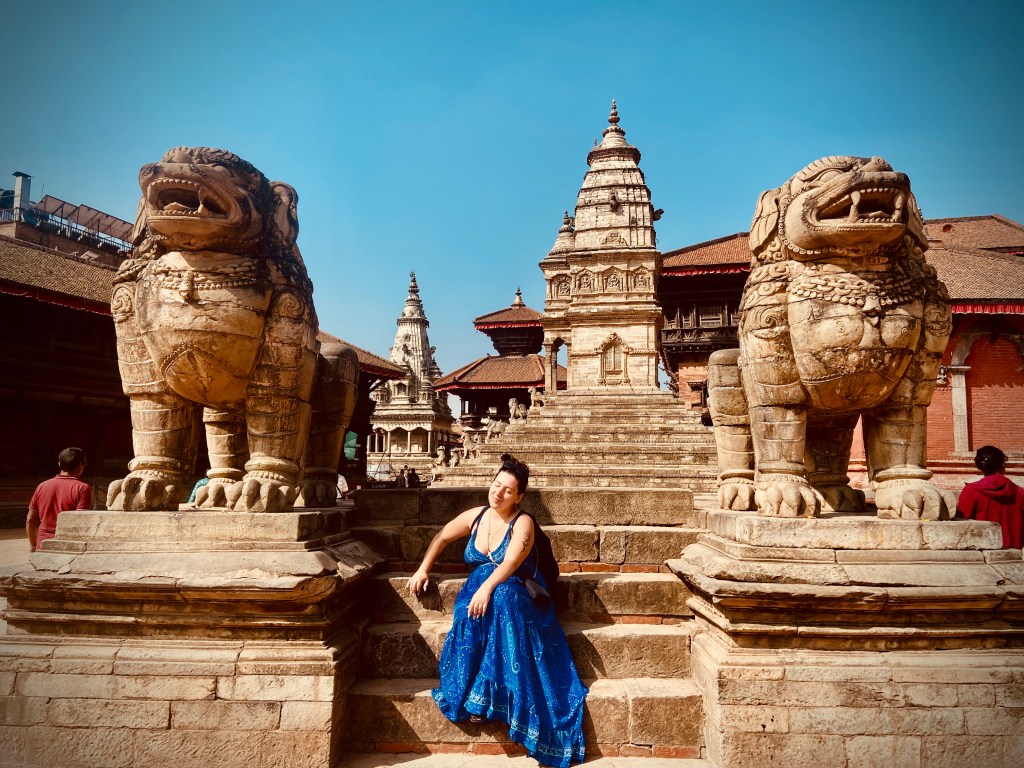
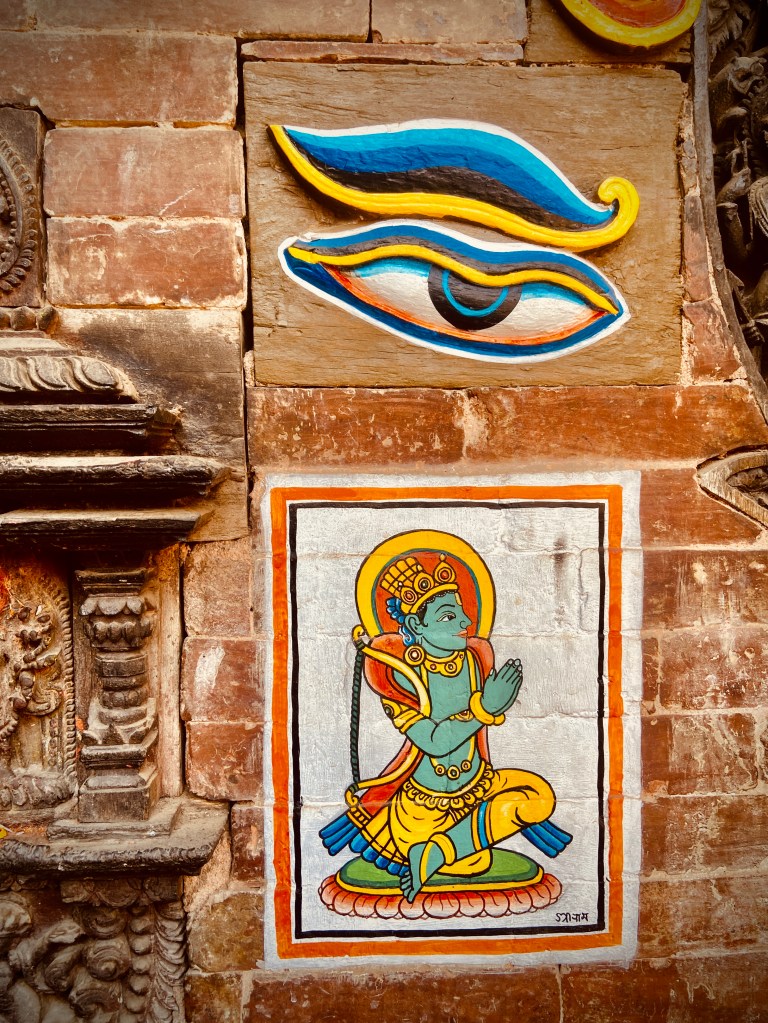
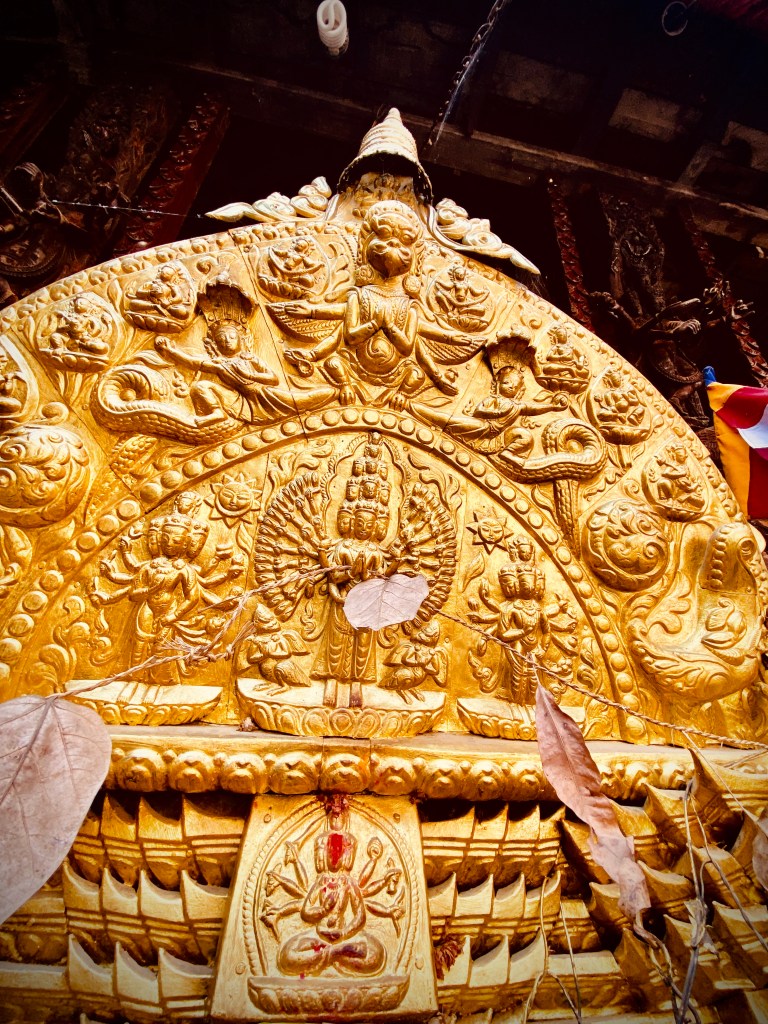
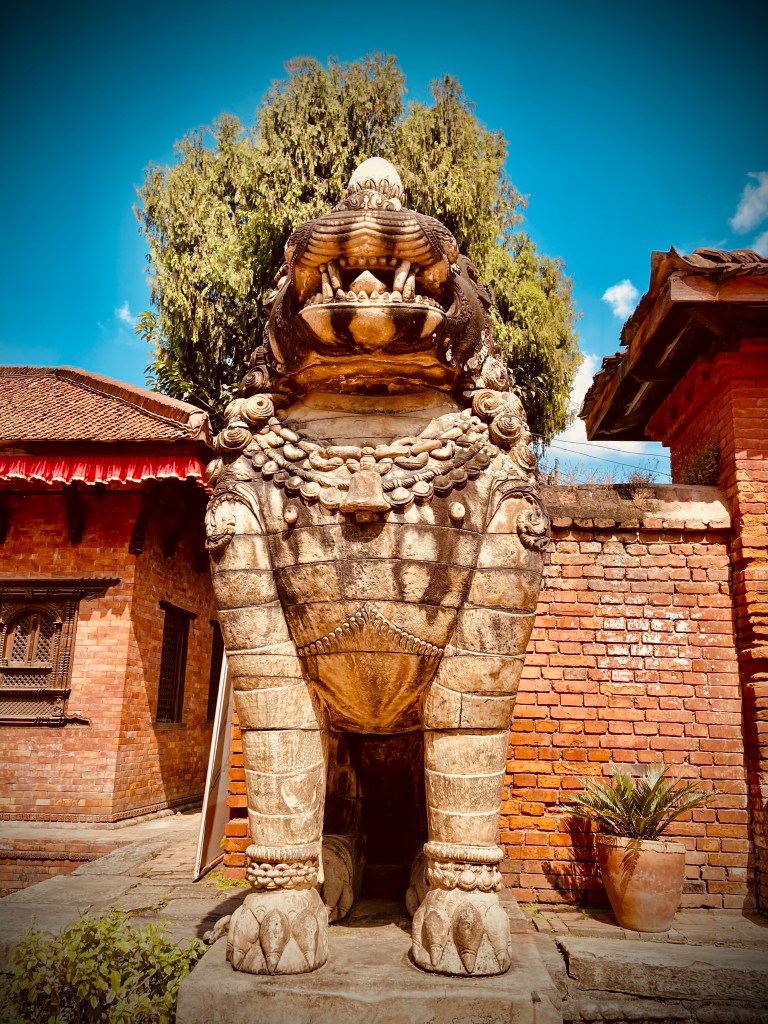
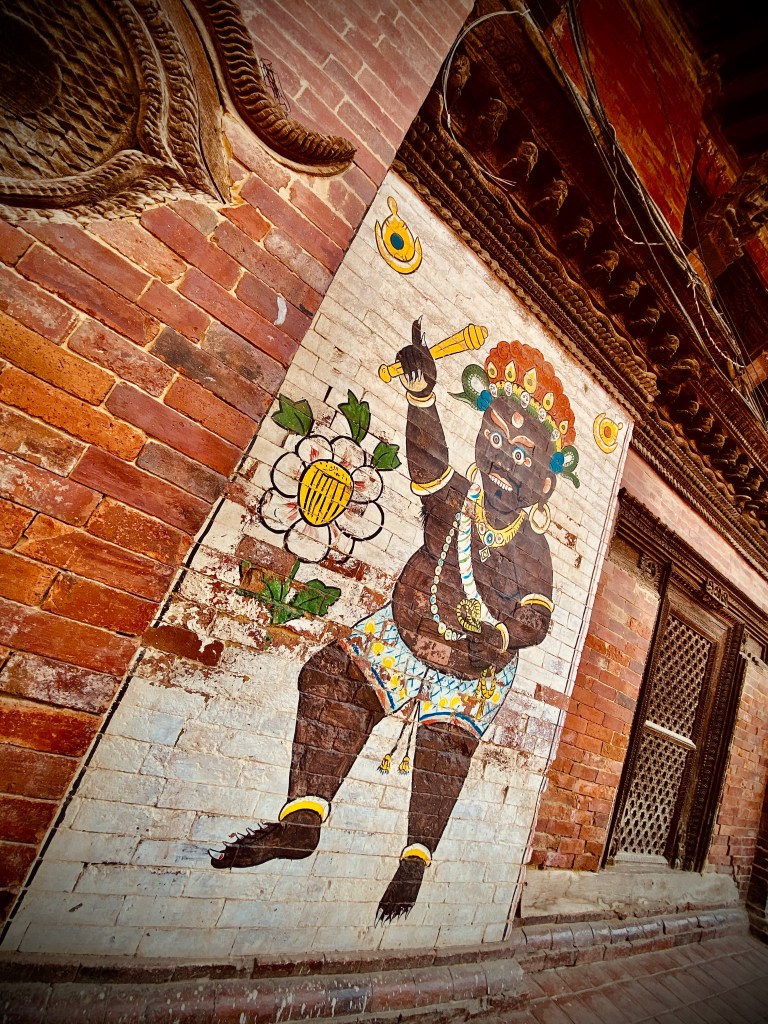
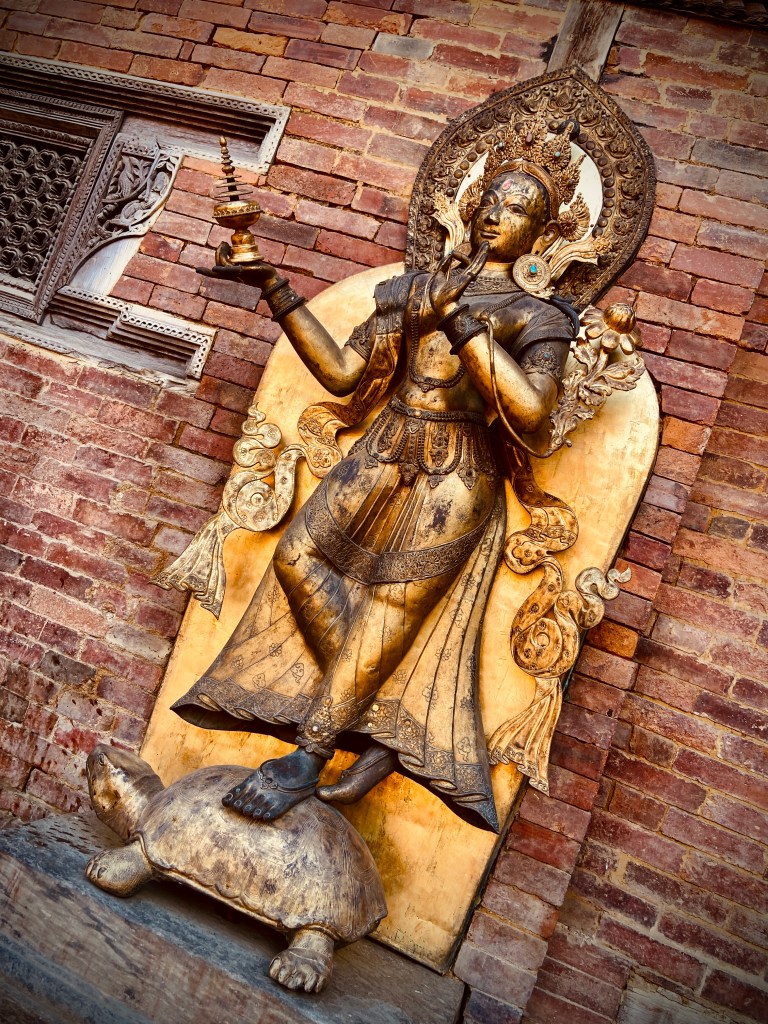
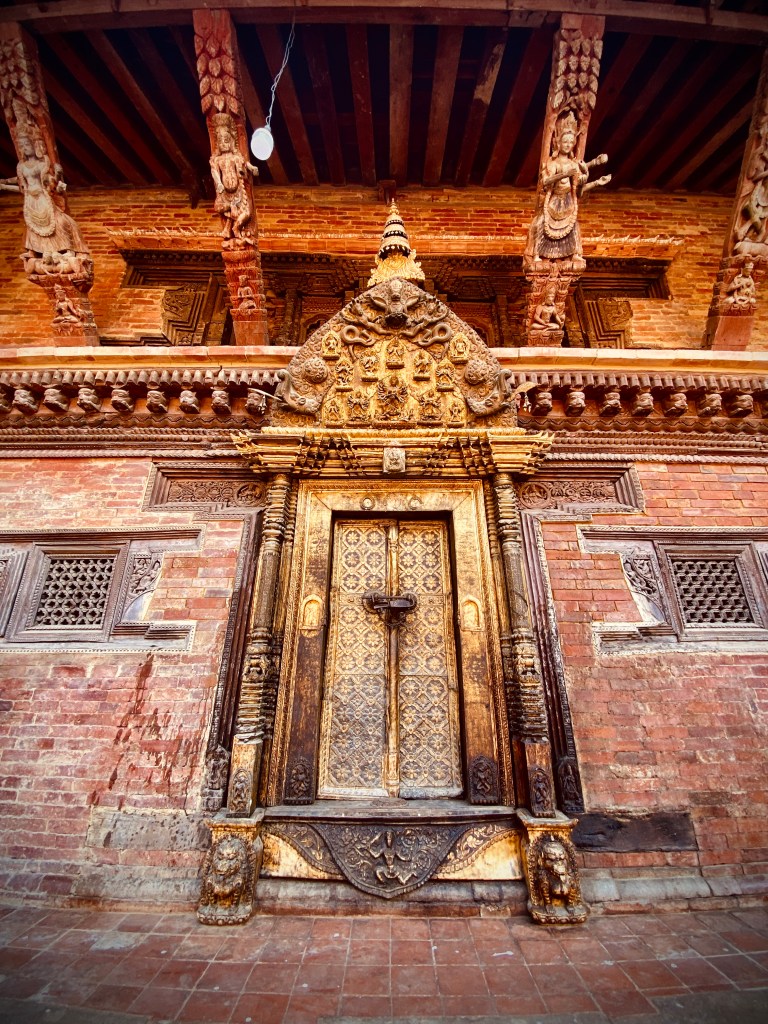
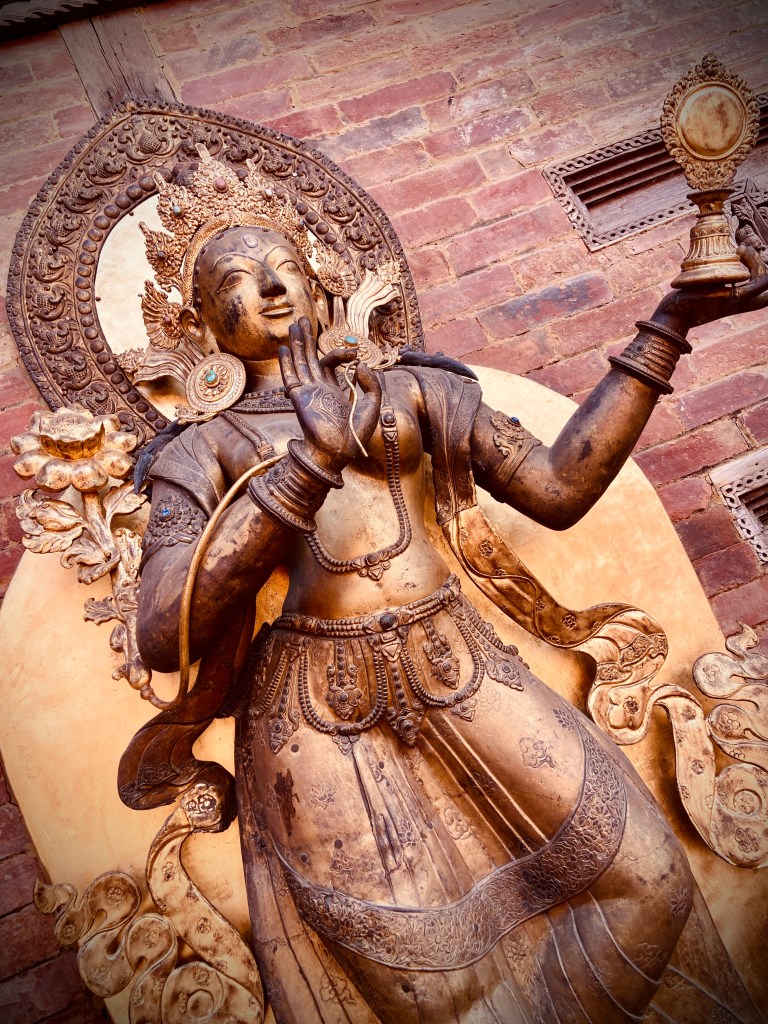
Bhaktapur Durbar Square is known for its golden gates and impressive temples. Also a UNESCO site, it radiates historic charm with its traditional brick lanes and rich Newar culture.
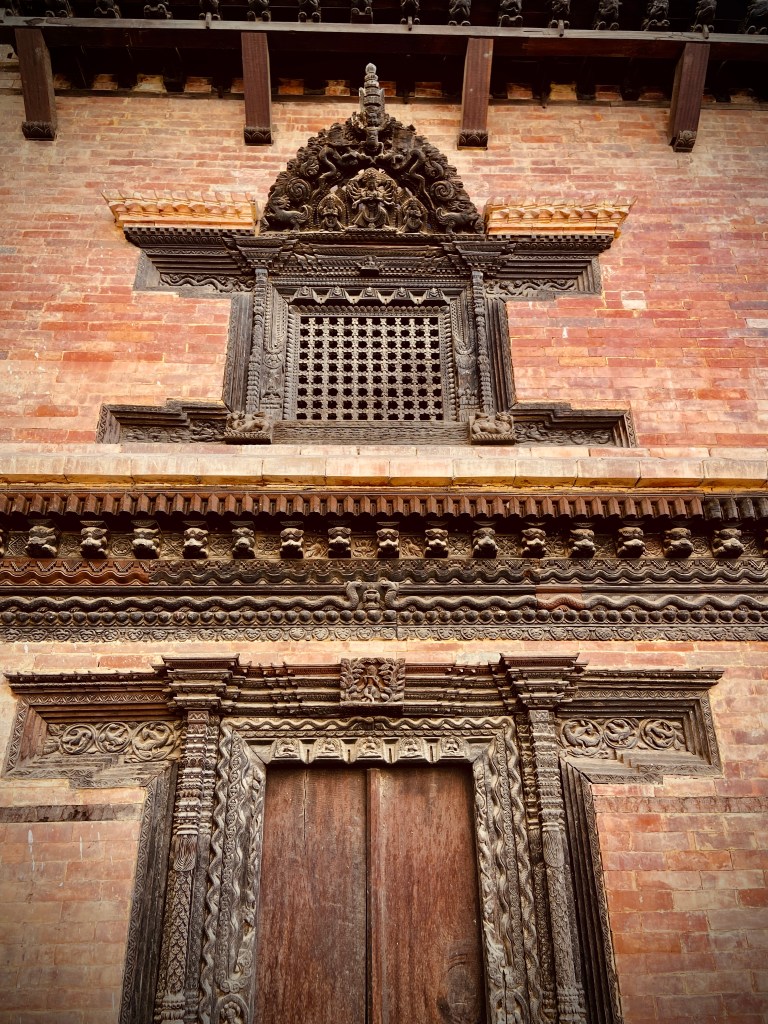
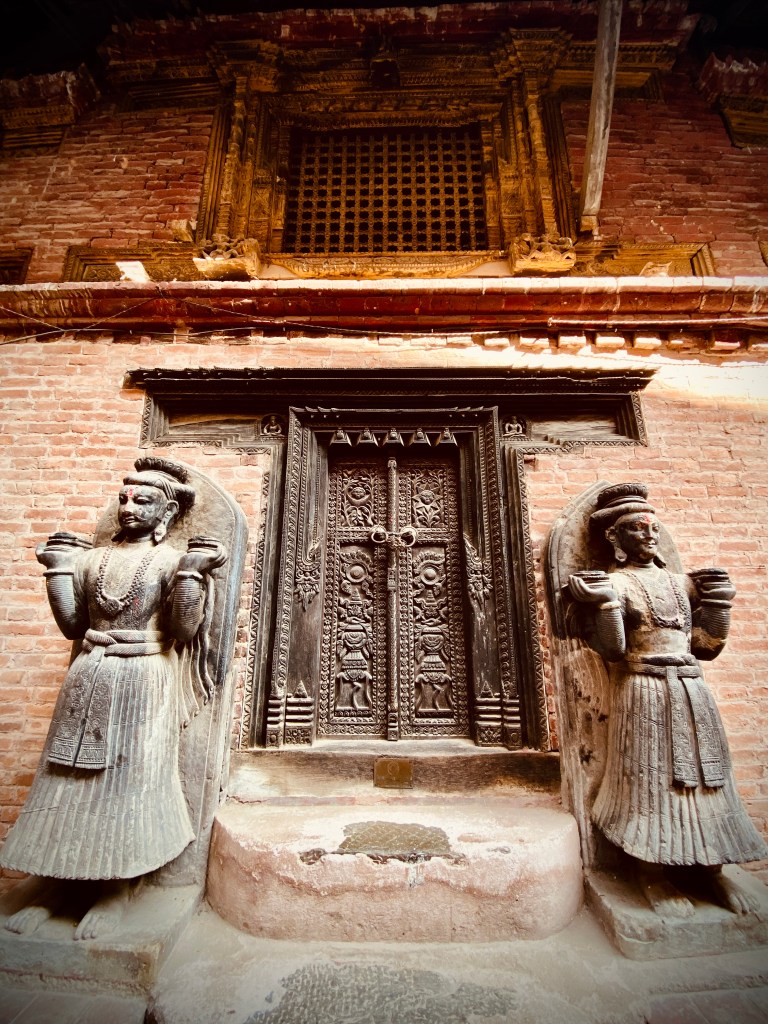
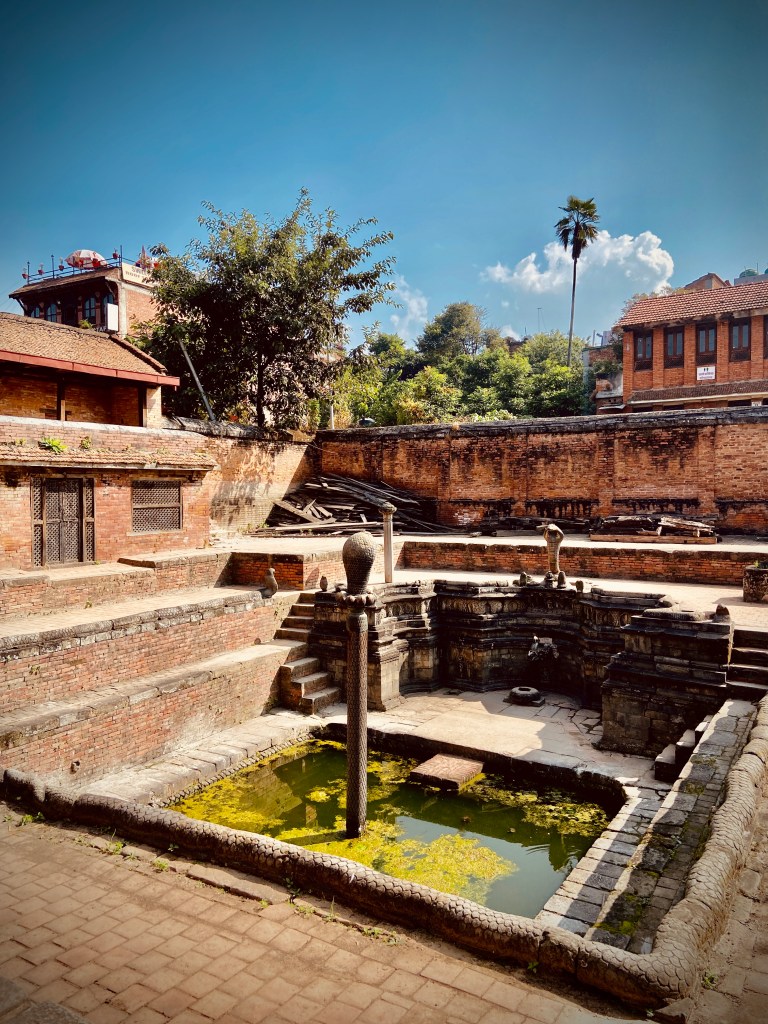
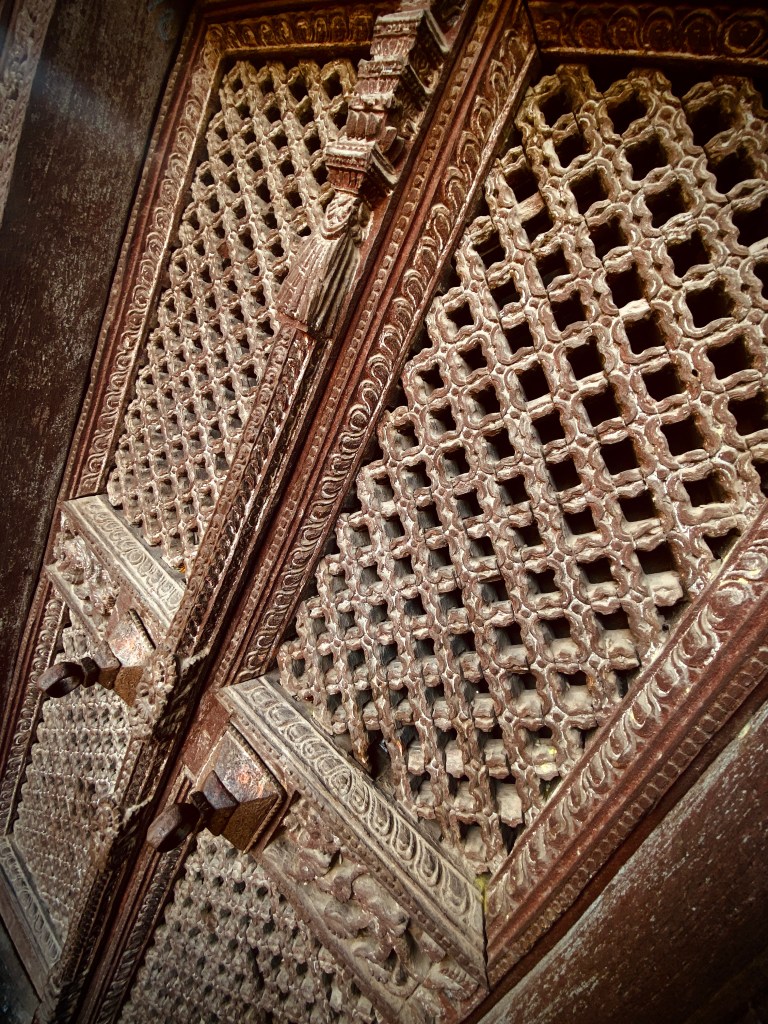
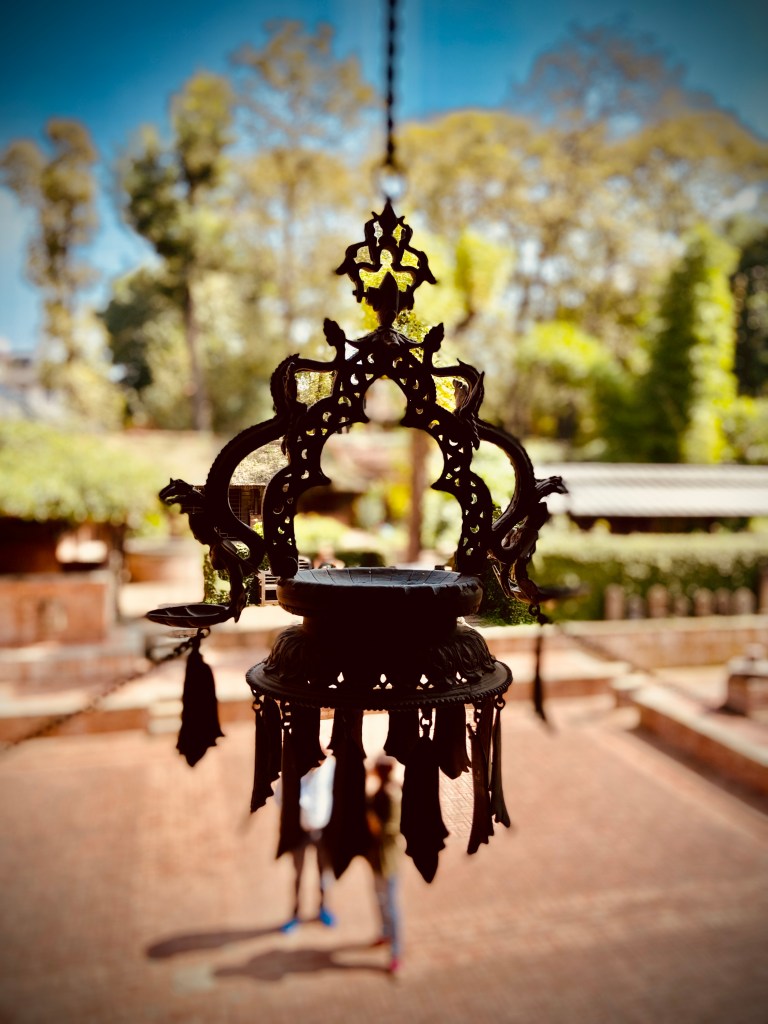
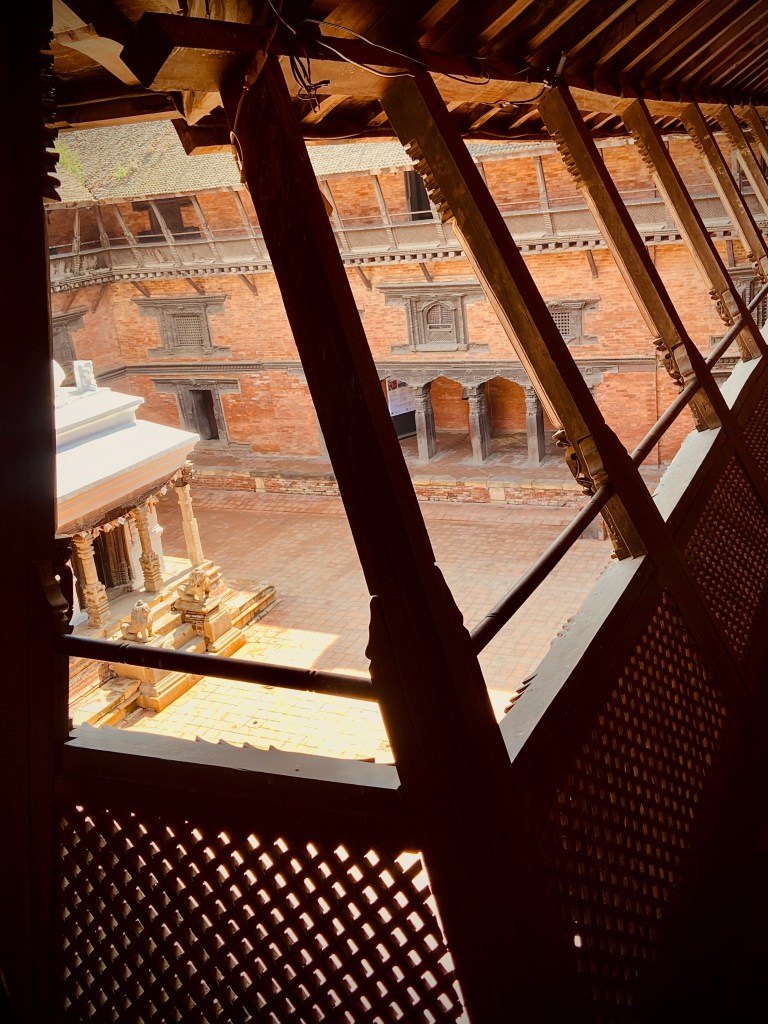
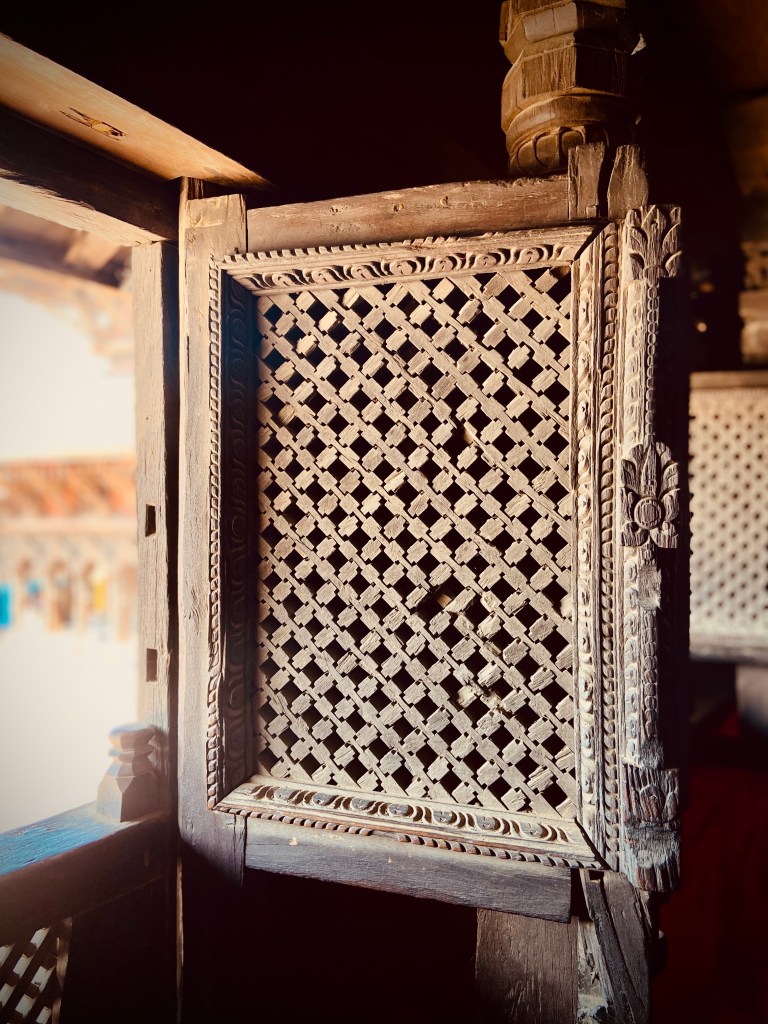
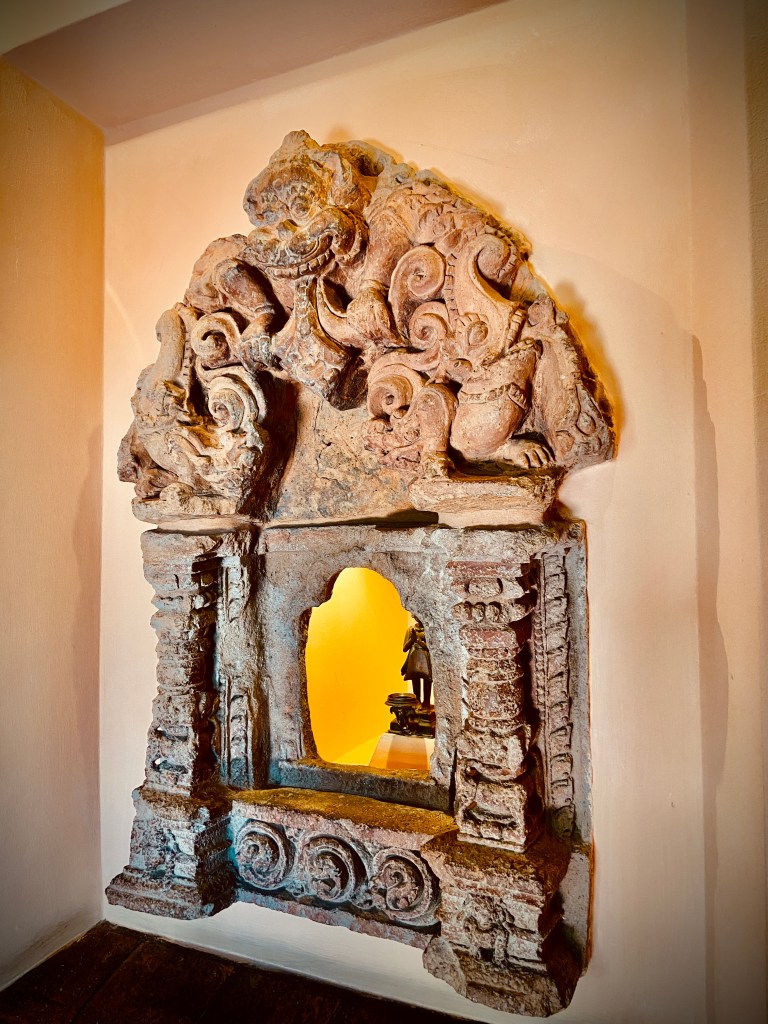
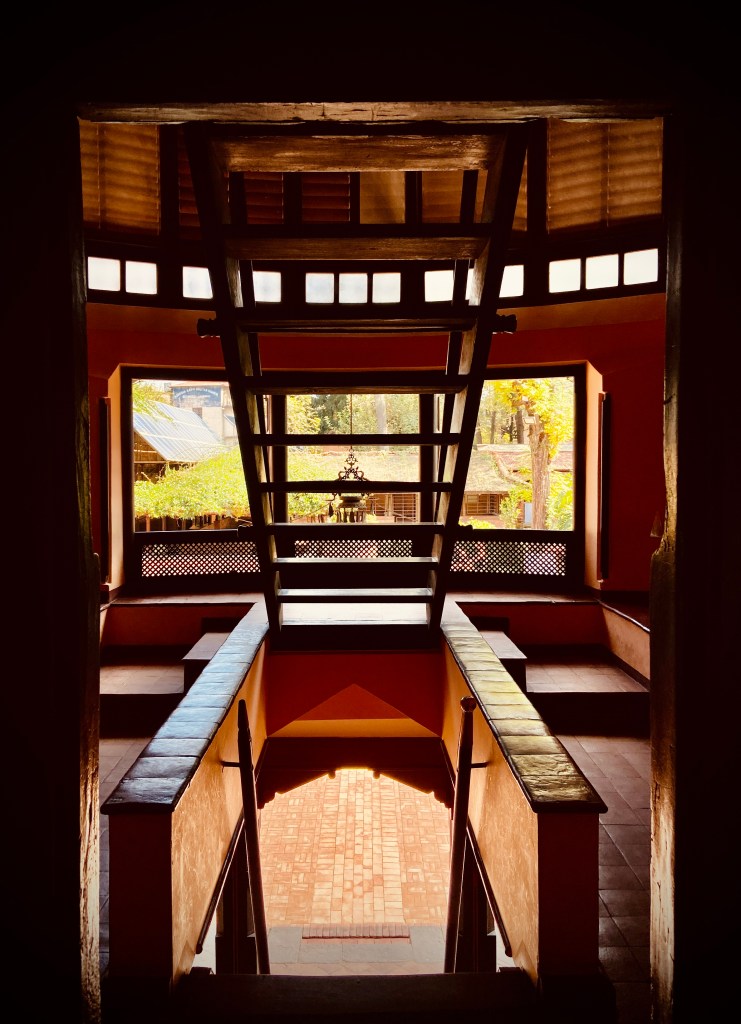
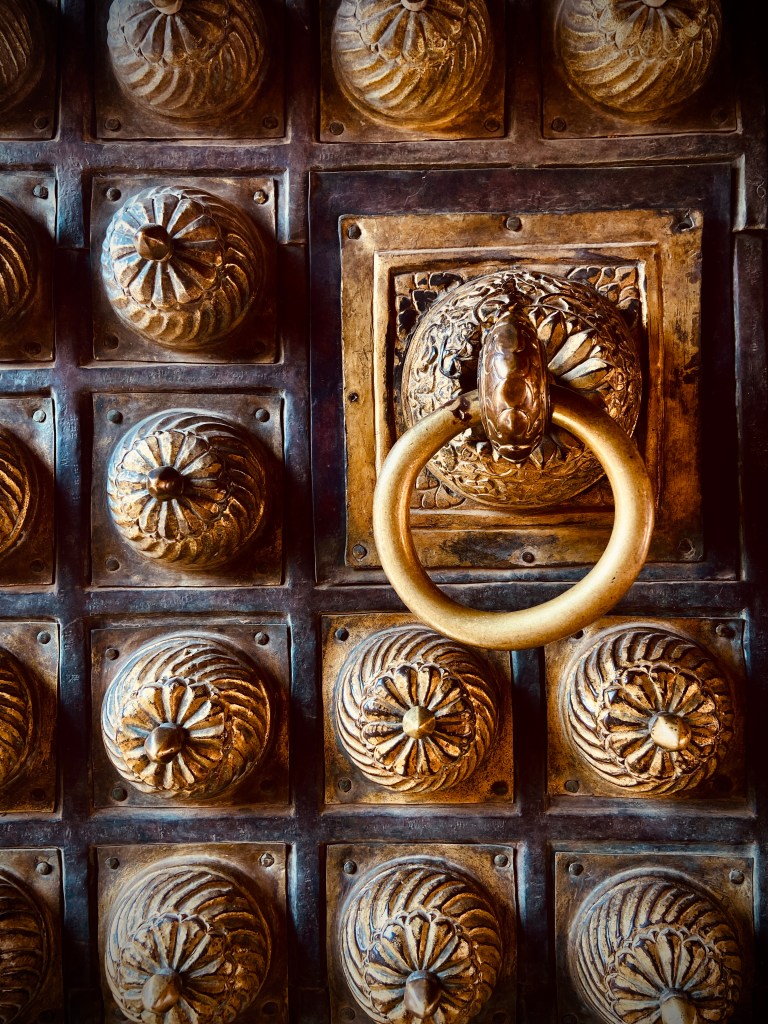
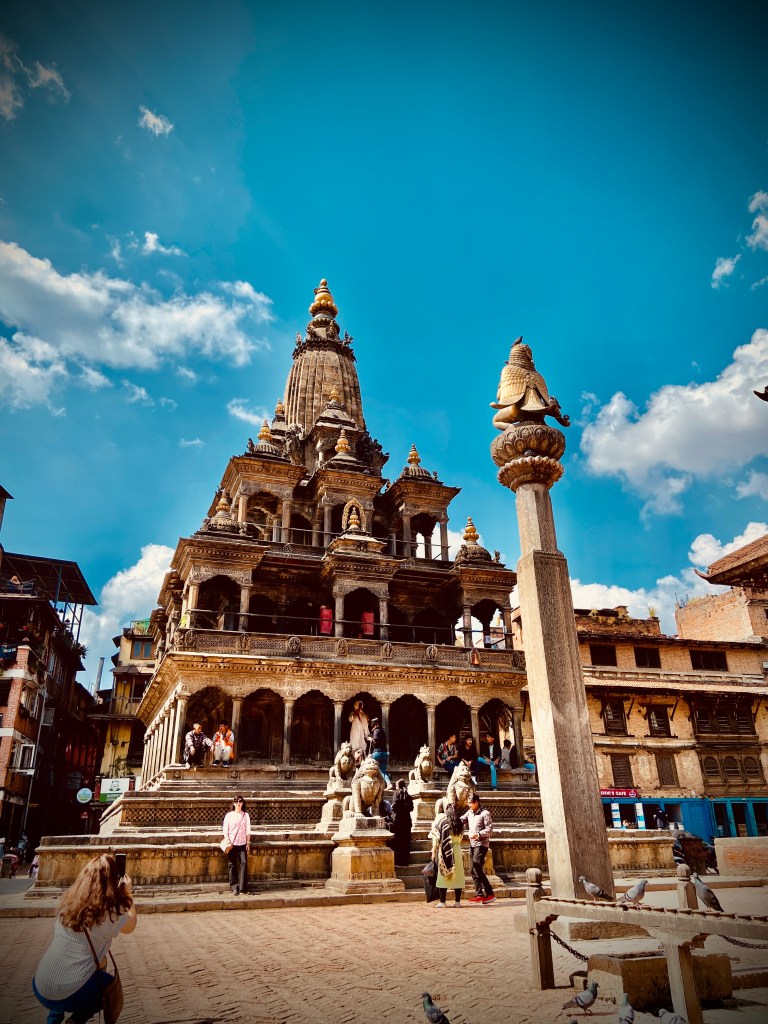
Another UNESCO World Heritage Site, Patan Durbar Square is famous for its exquisite Newar architecture, red-brick palaces, and beautifully carved wooden windows. The square is home to the royal palace complex, the Krishna Mandir built from stone, and numerous courtyards.
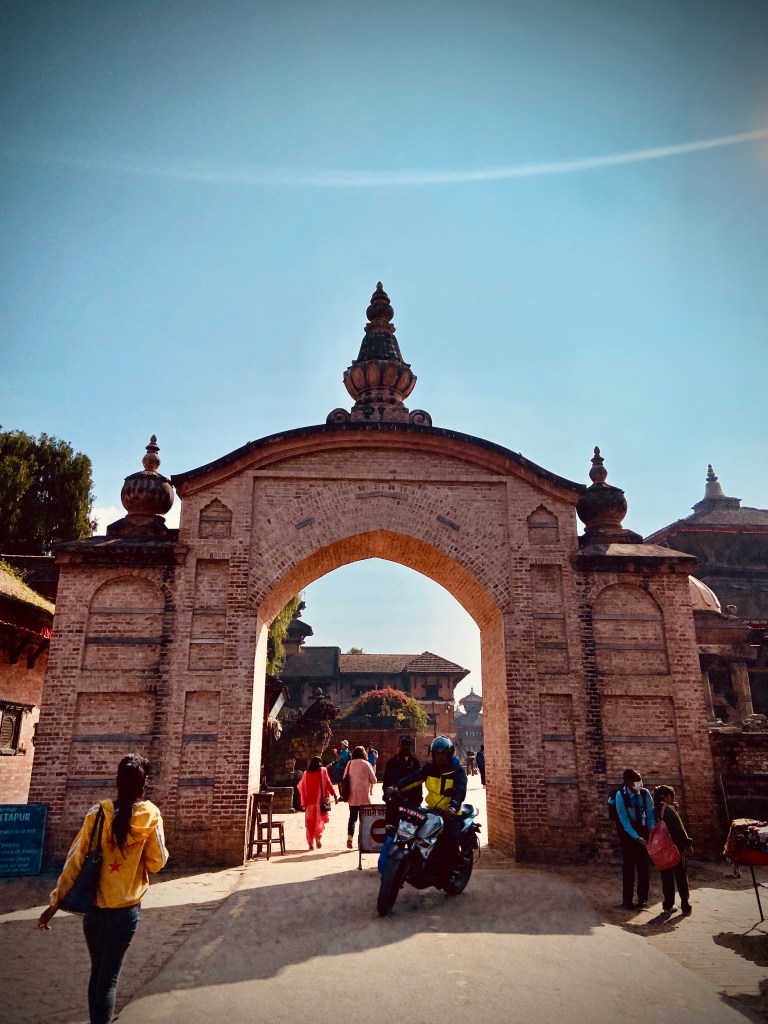
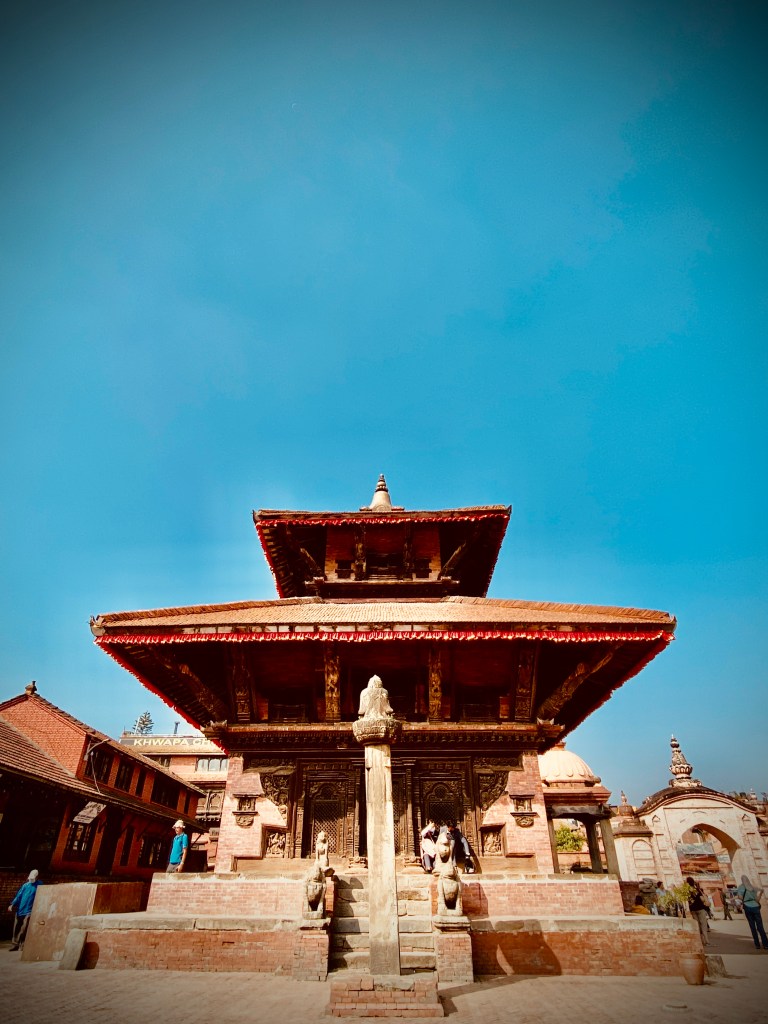
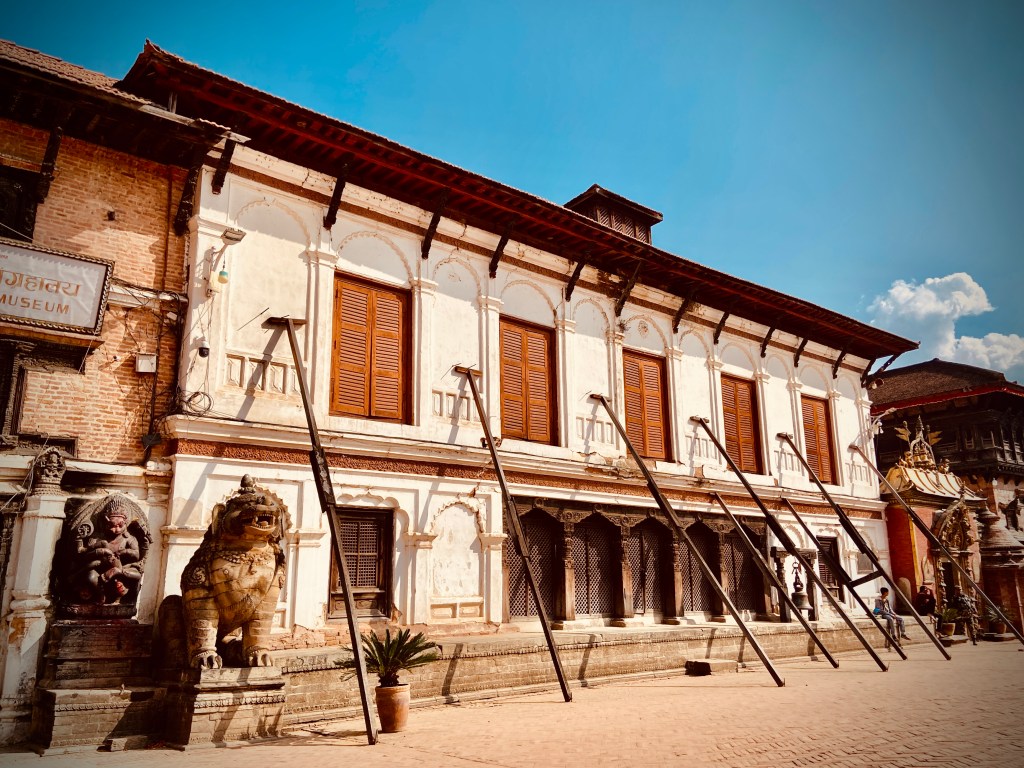
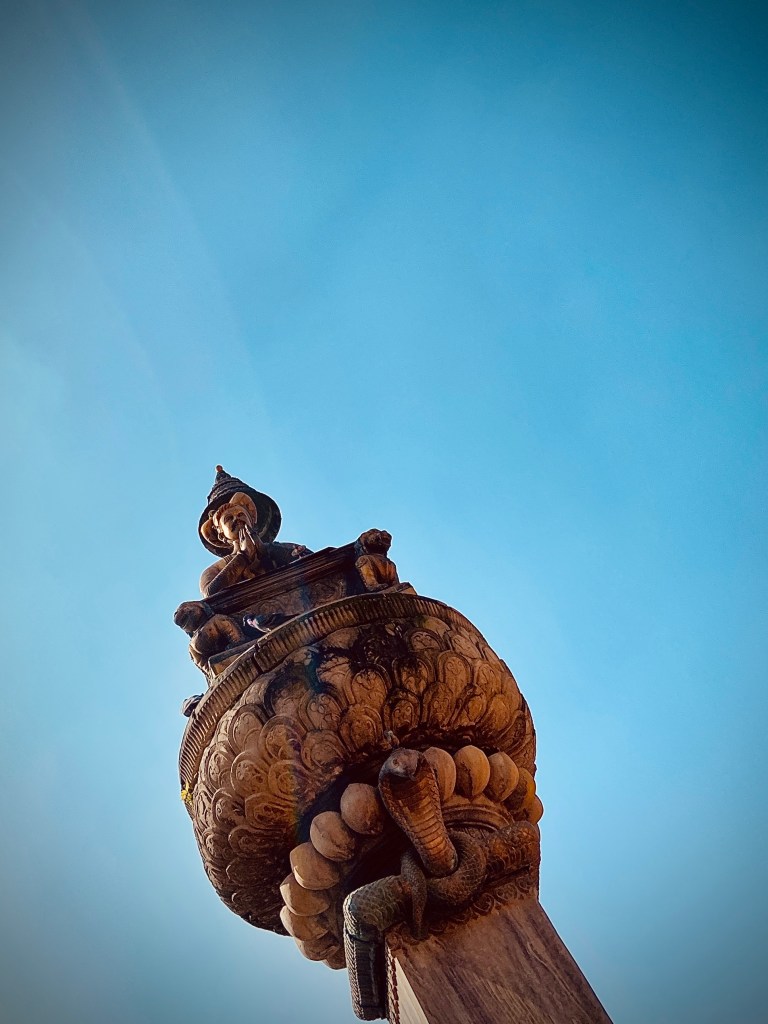
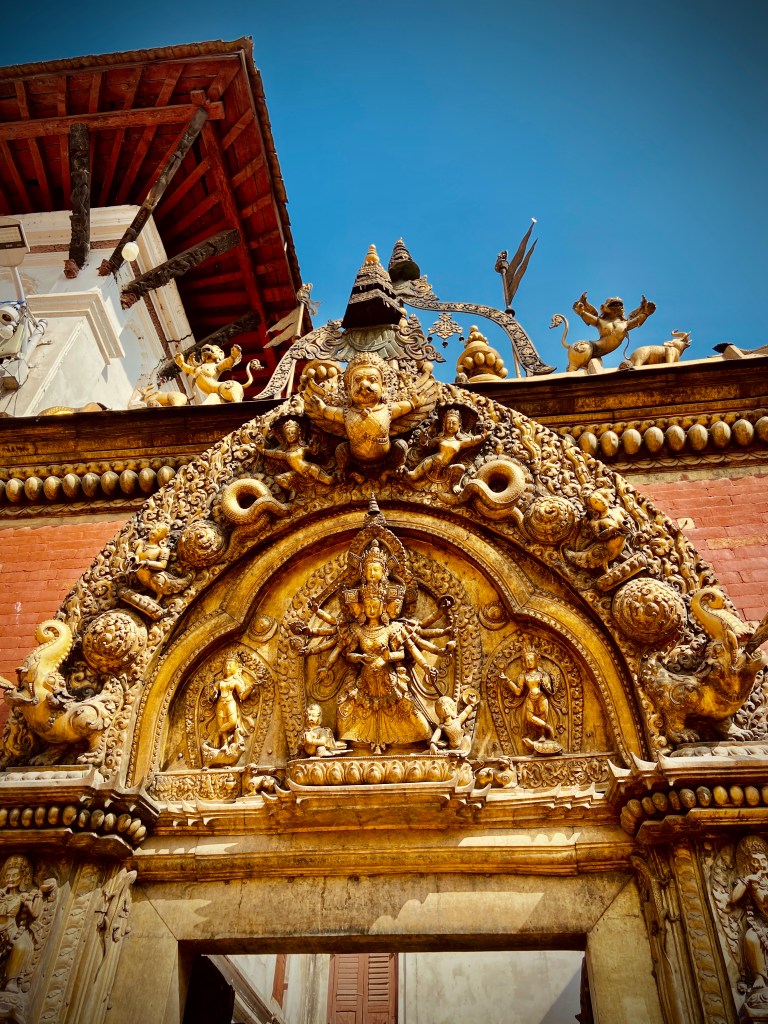
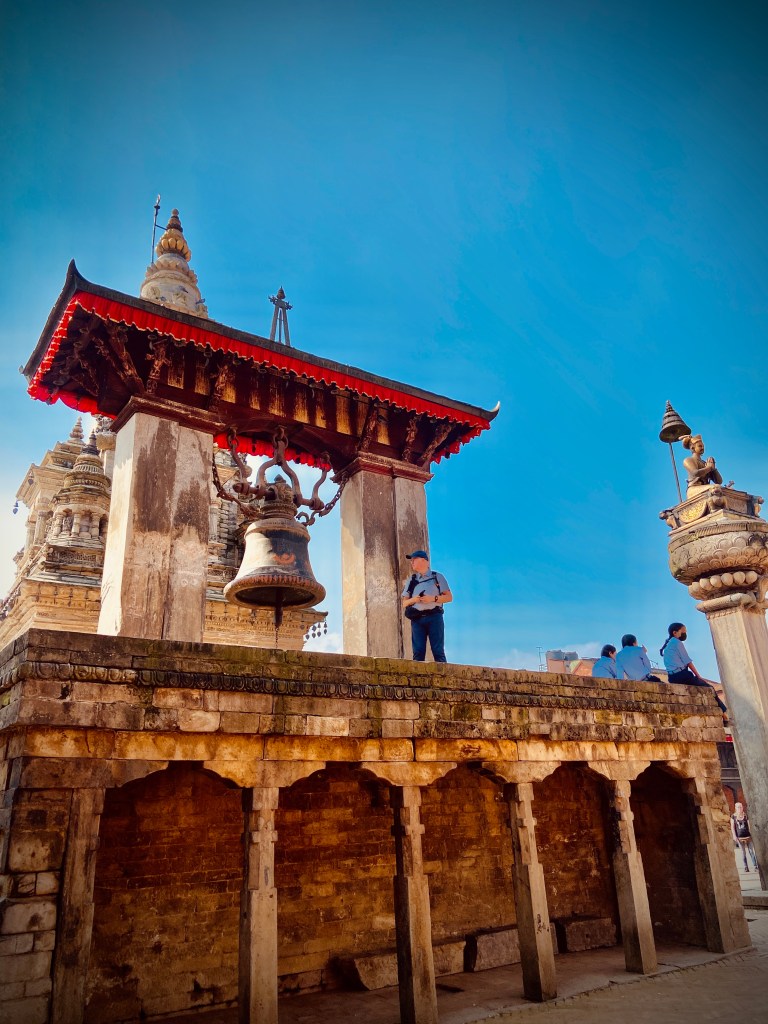
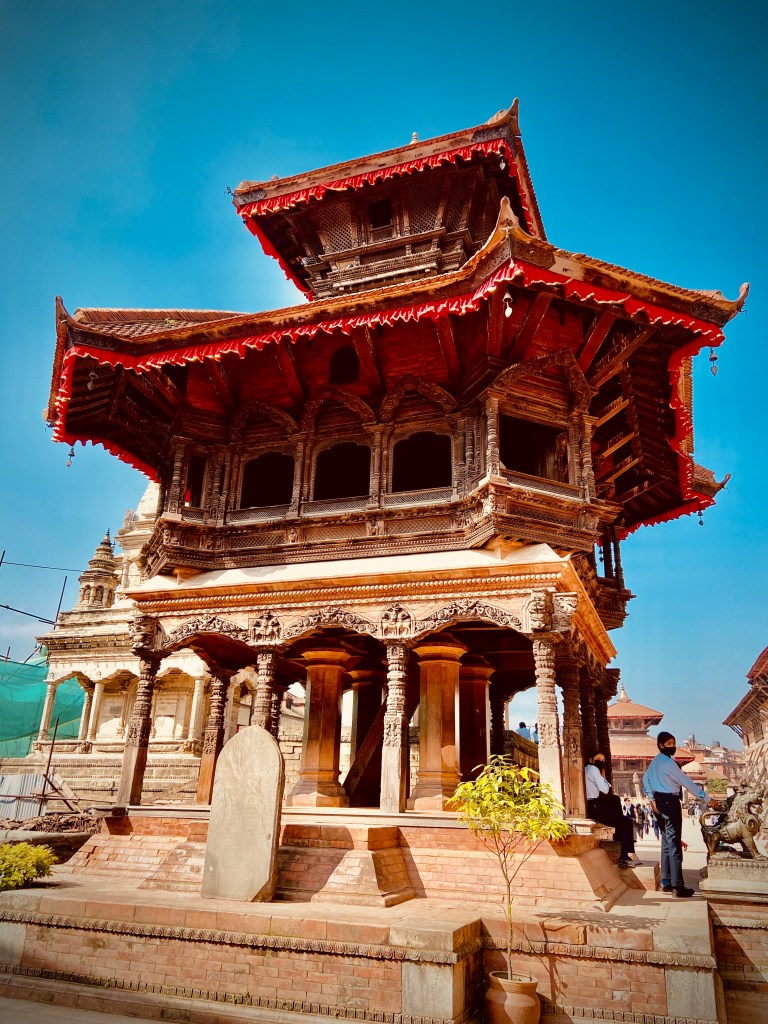
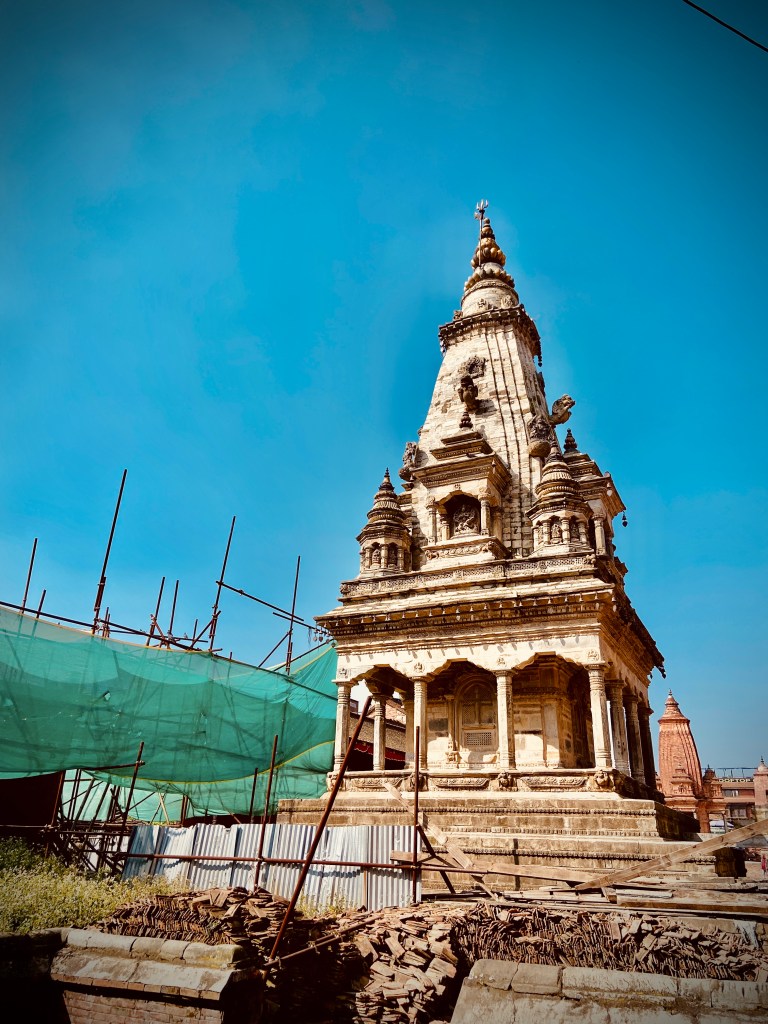
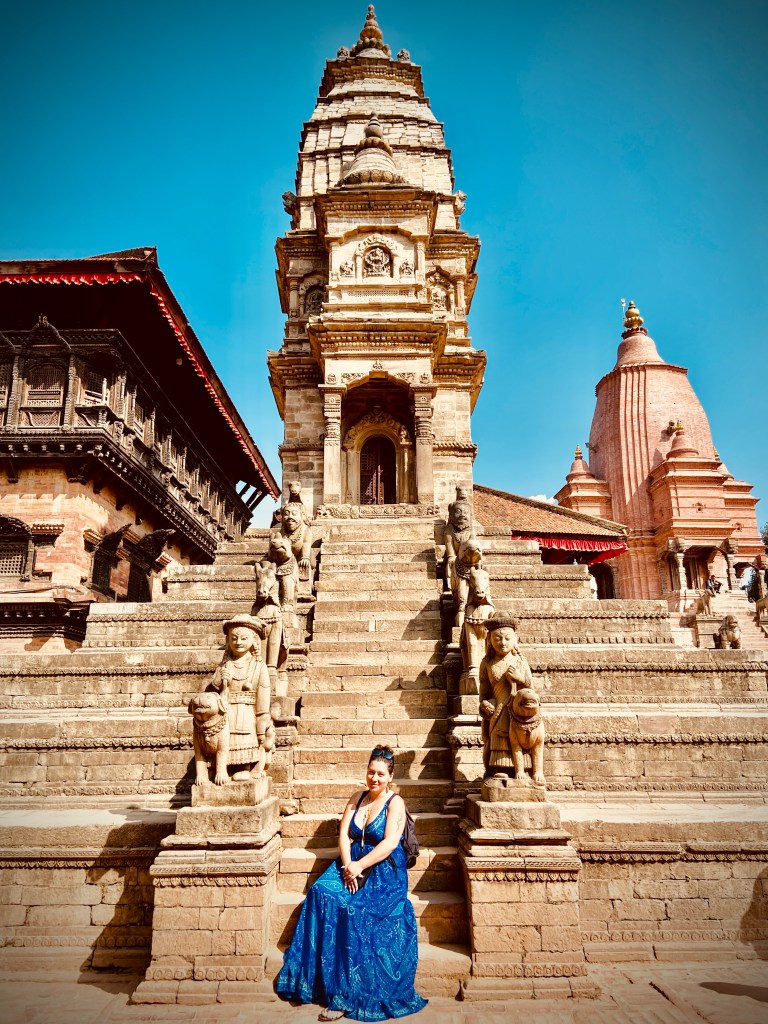
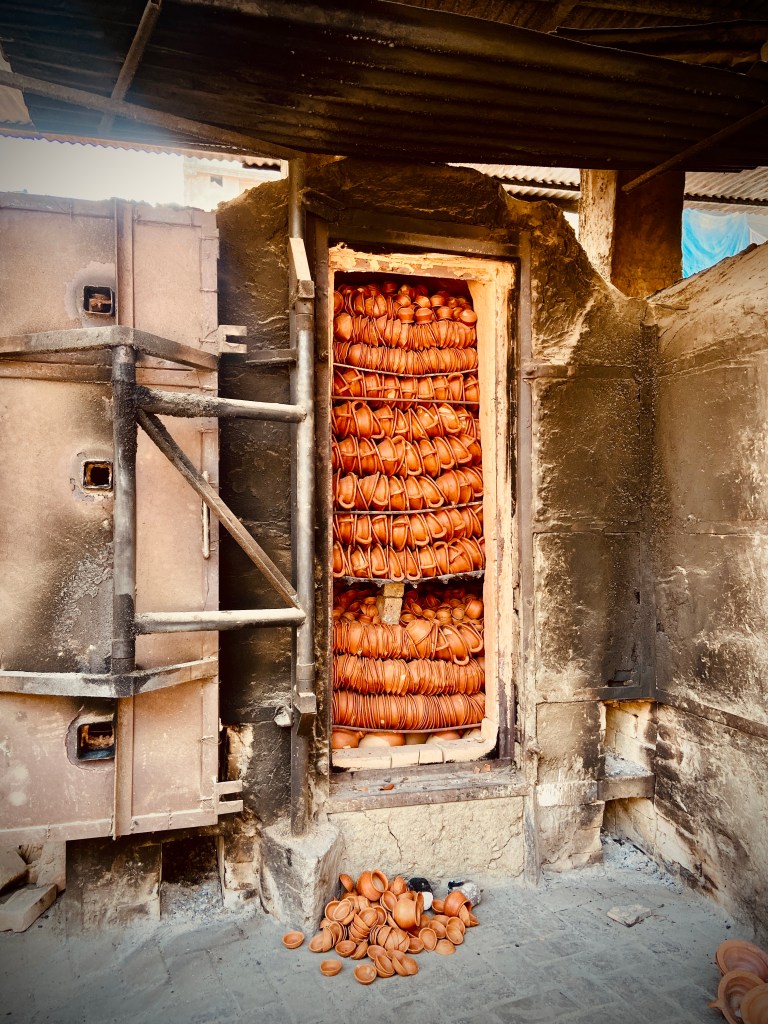
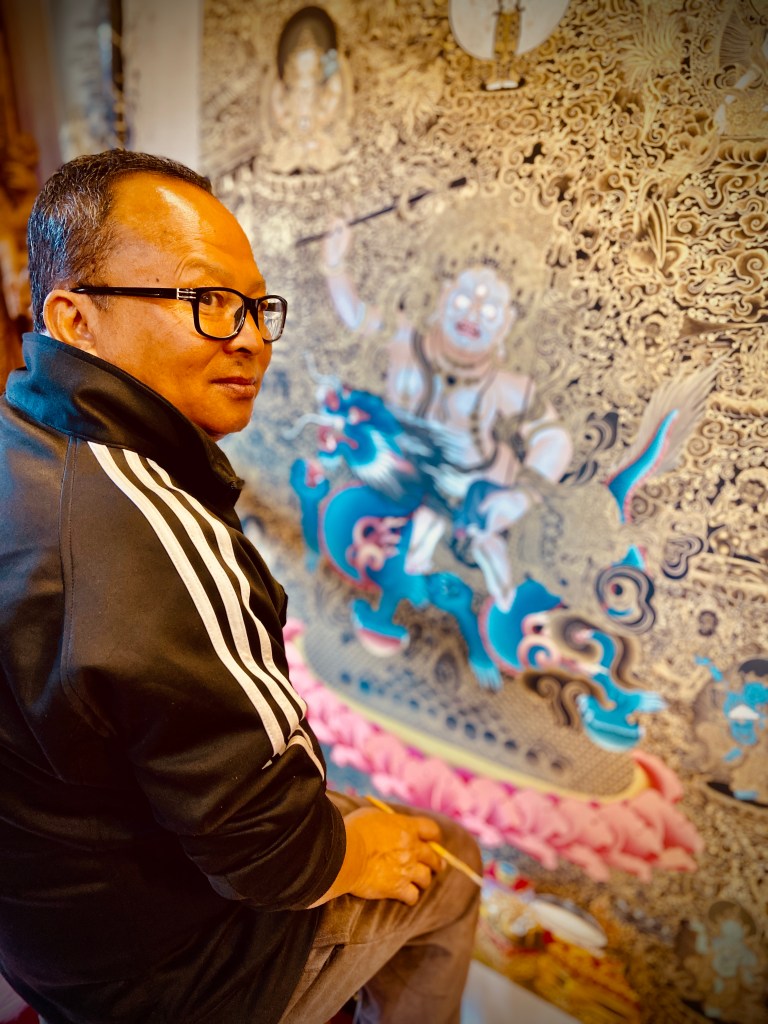
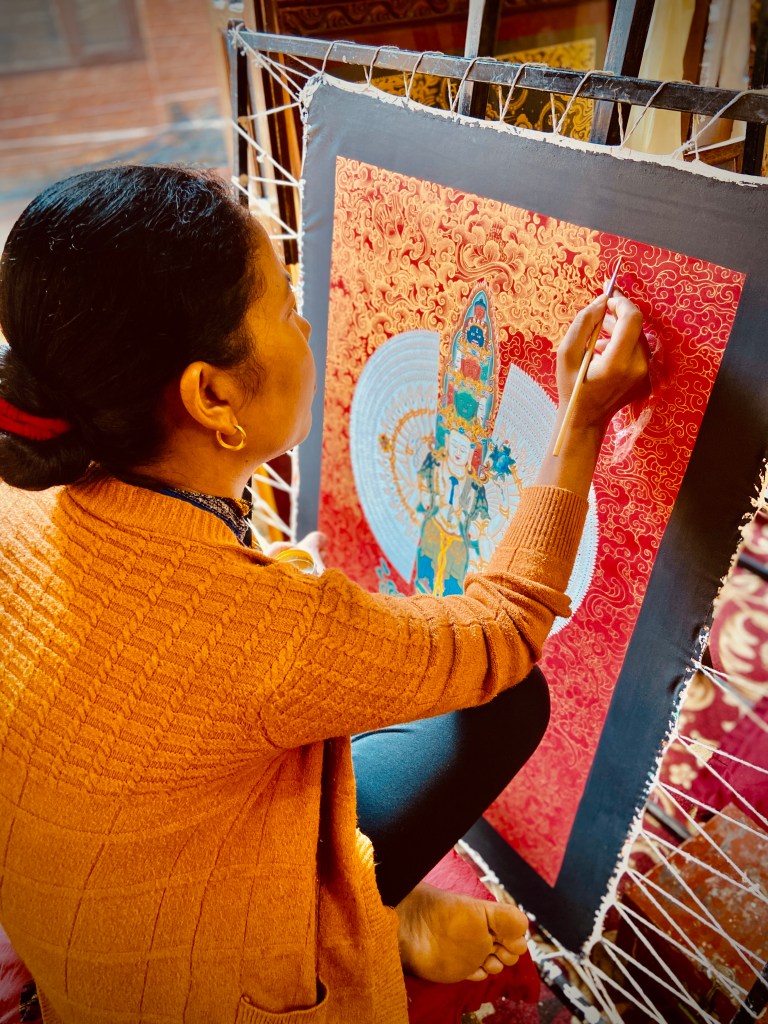
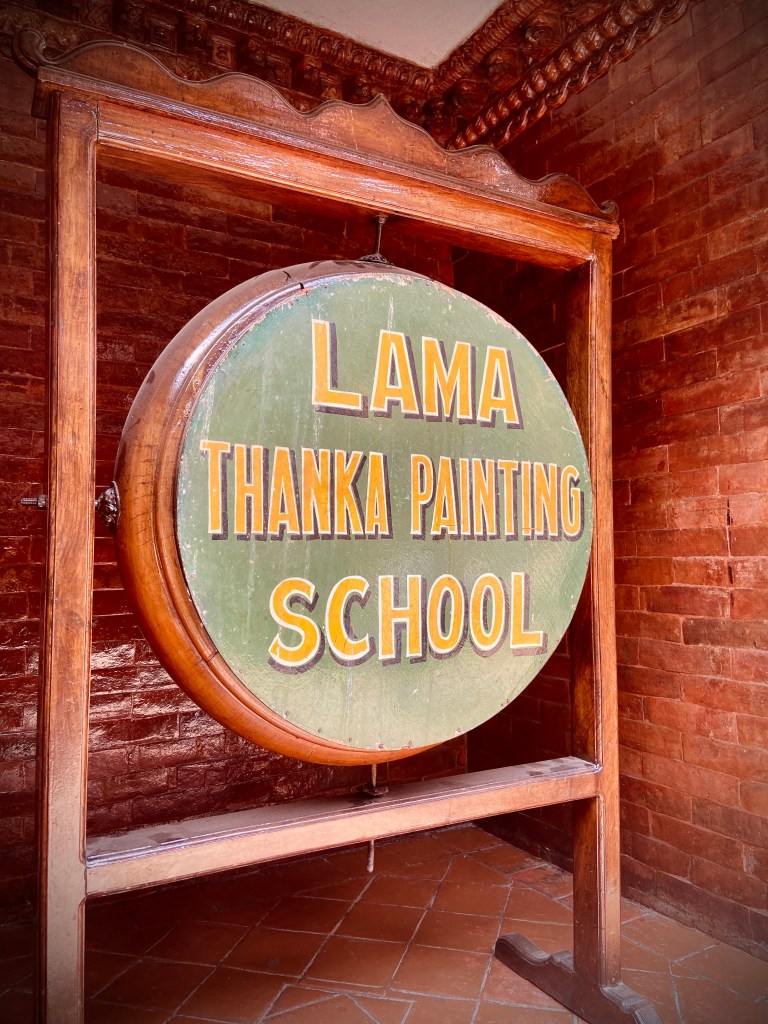
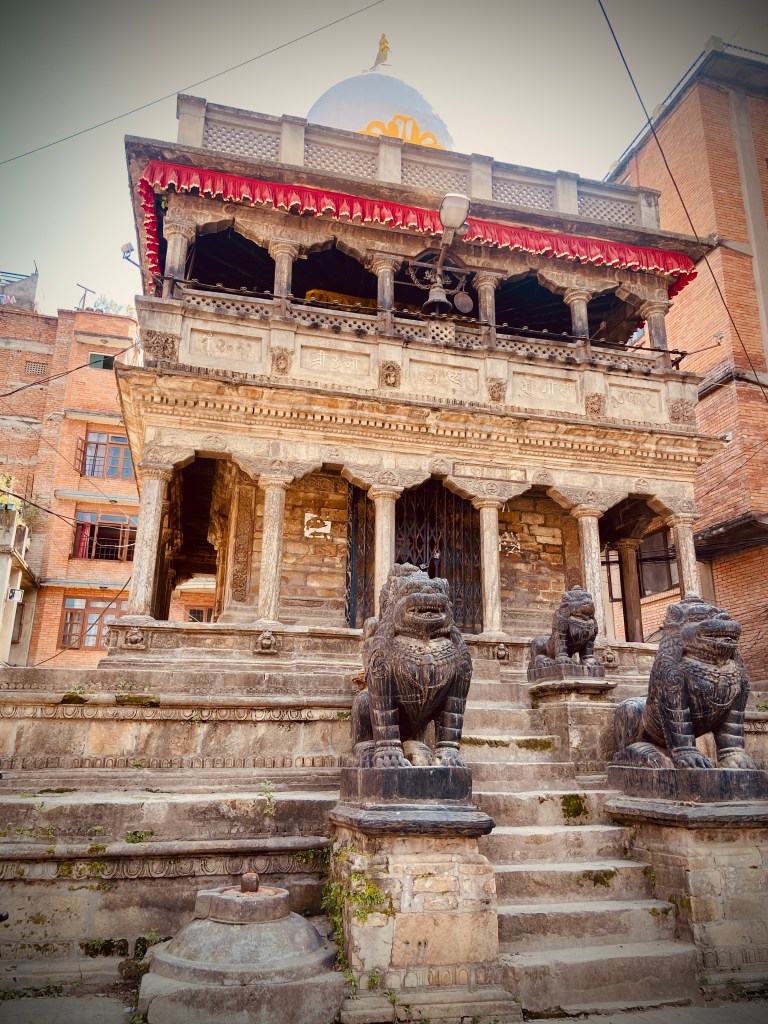
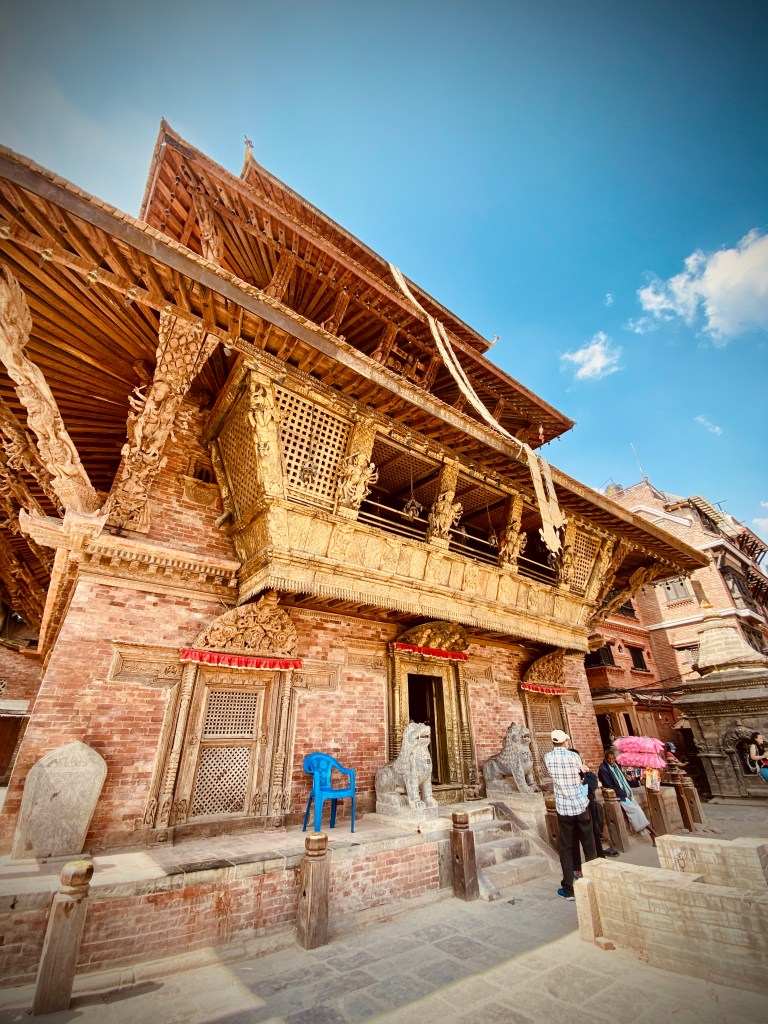
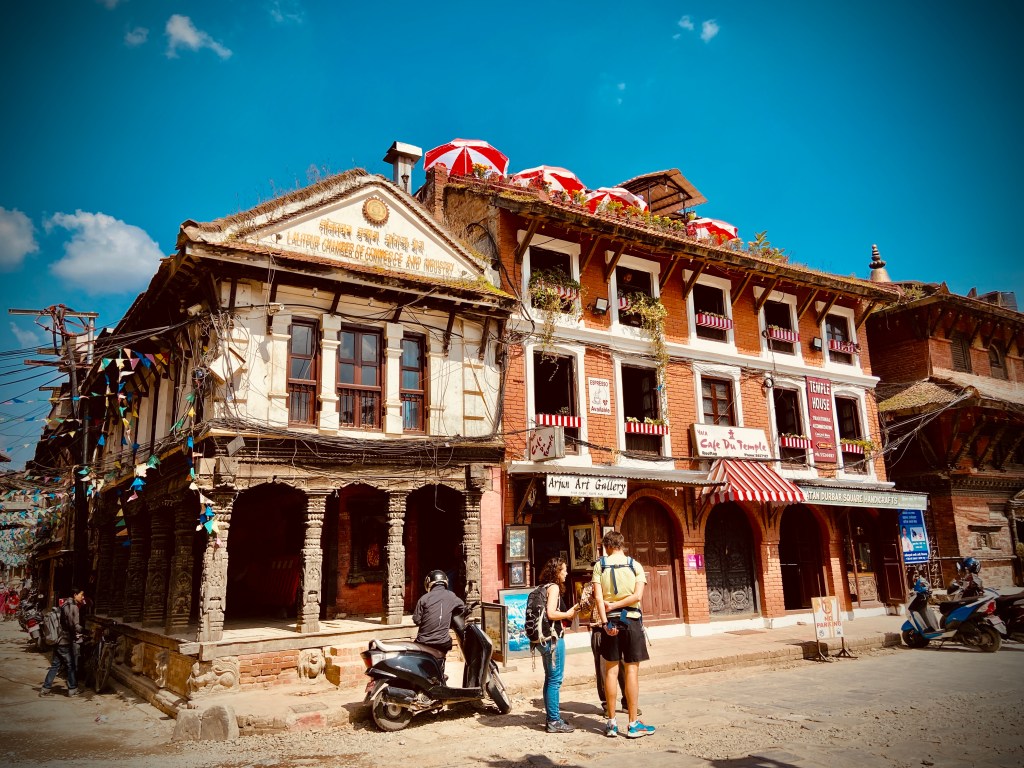
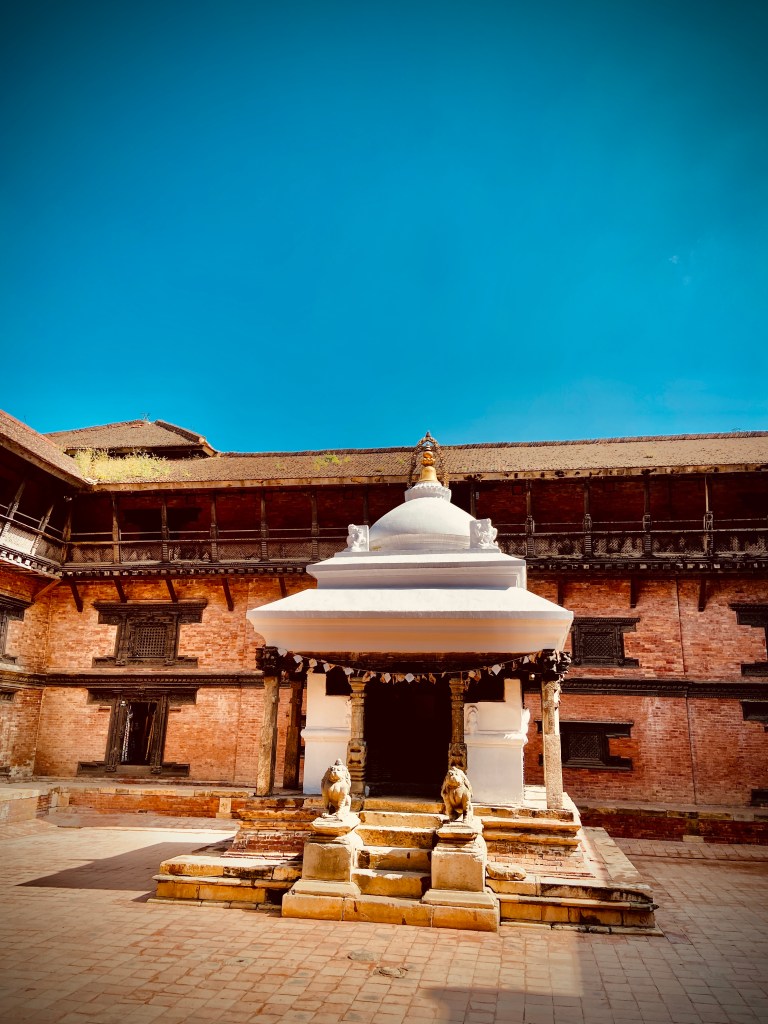
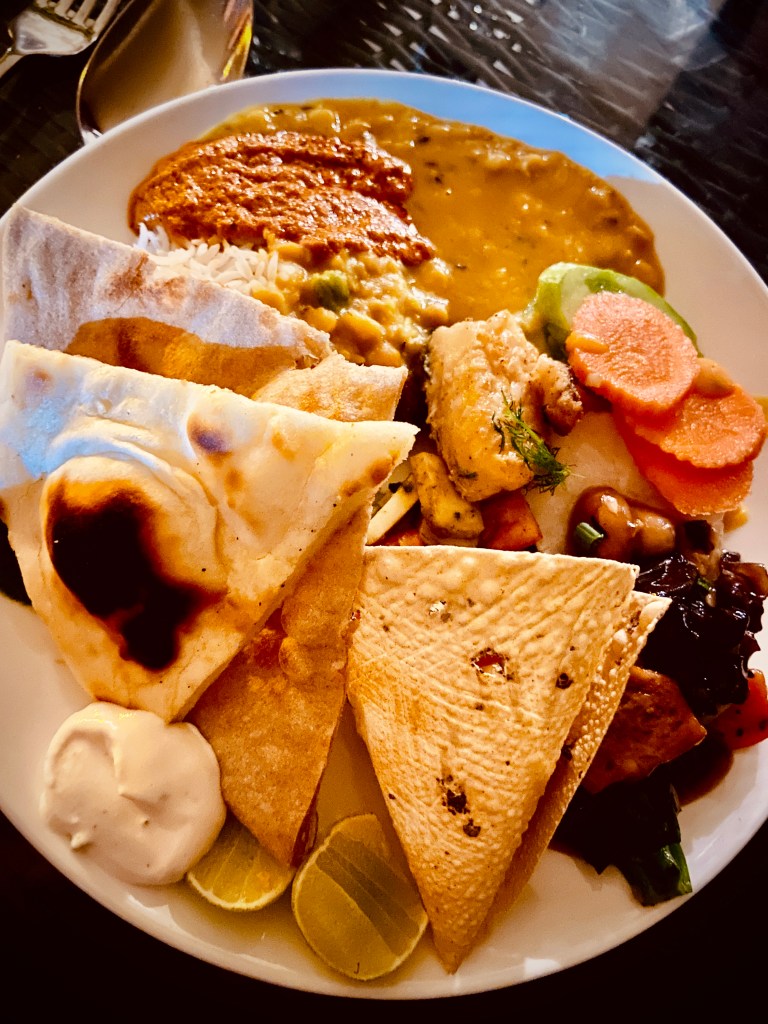
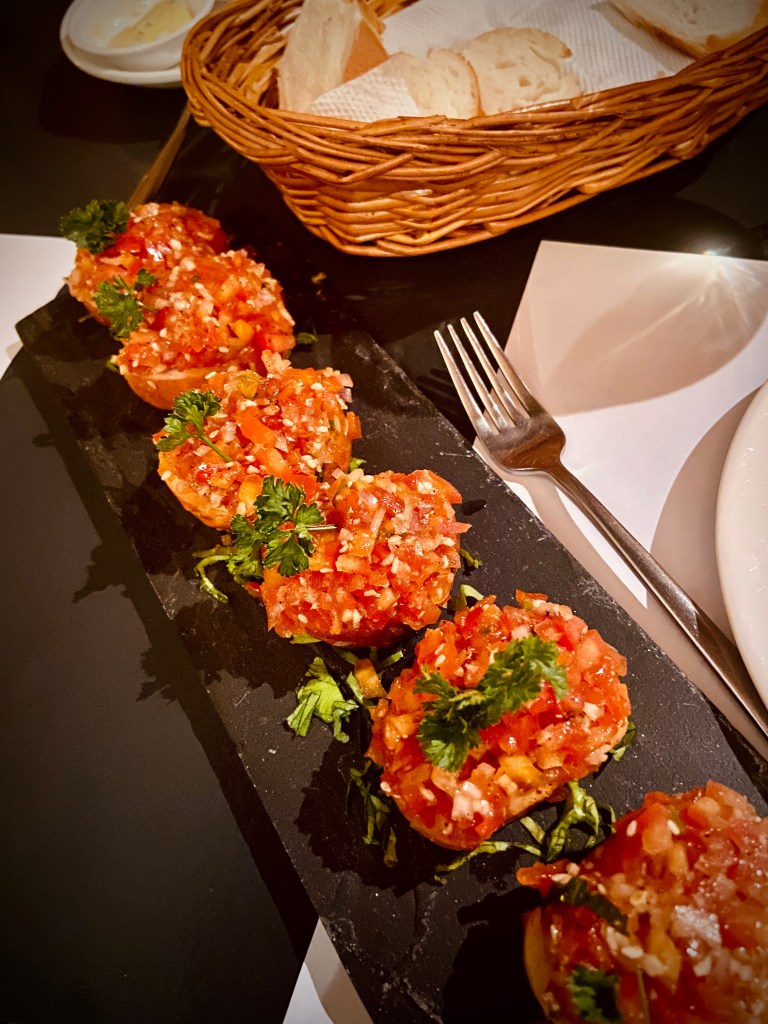
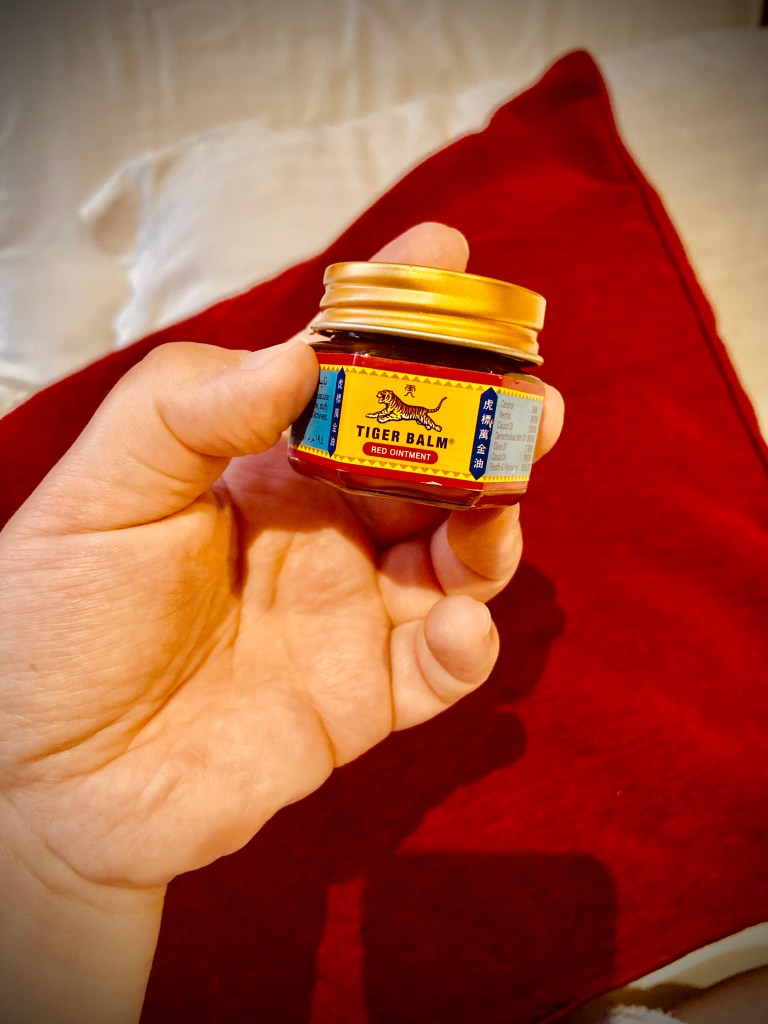
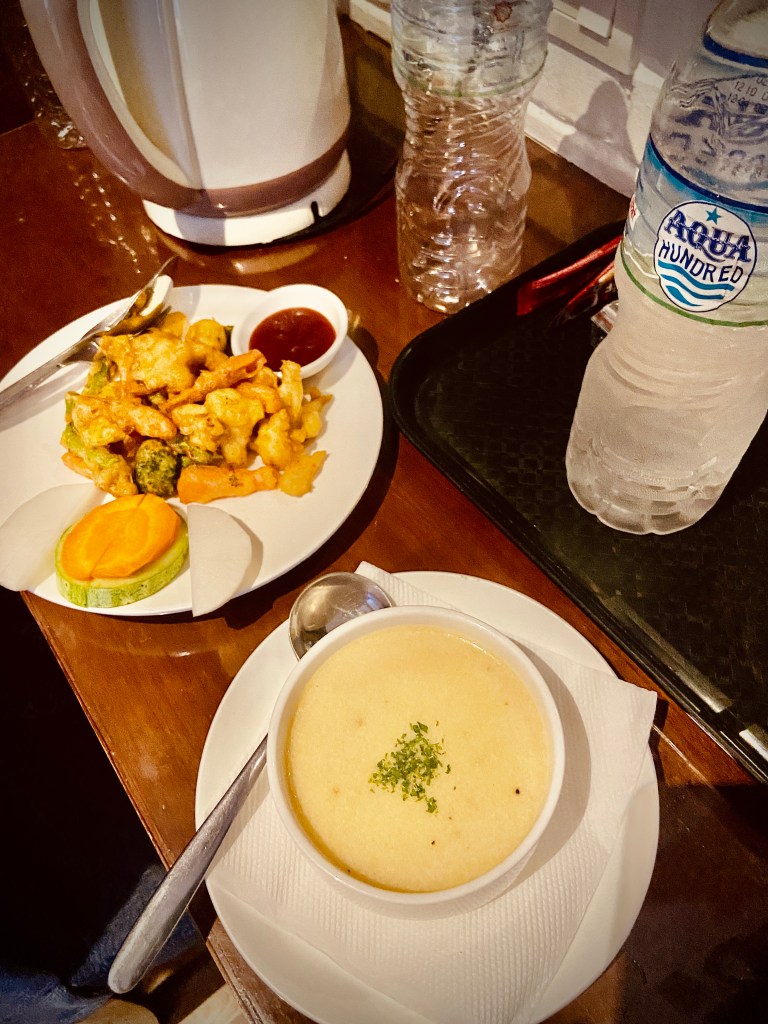
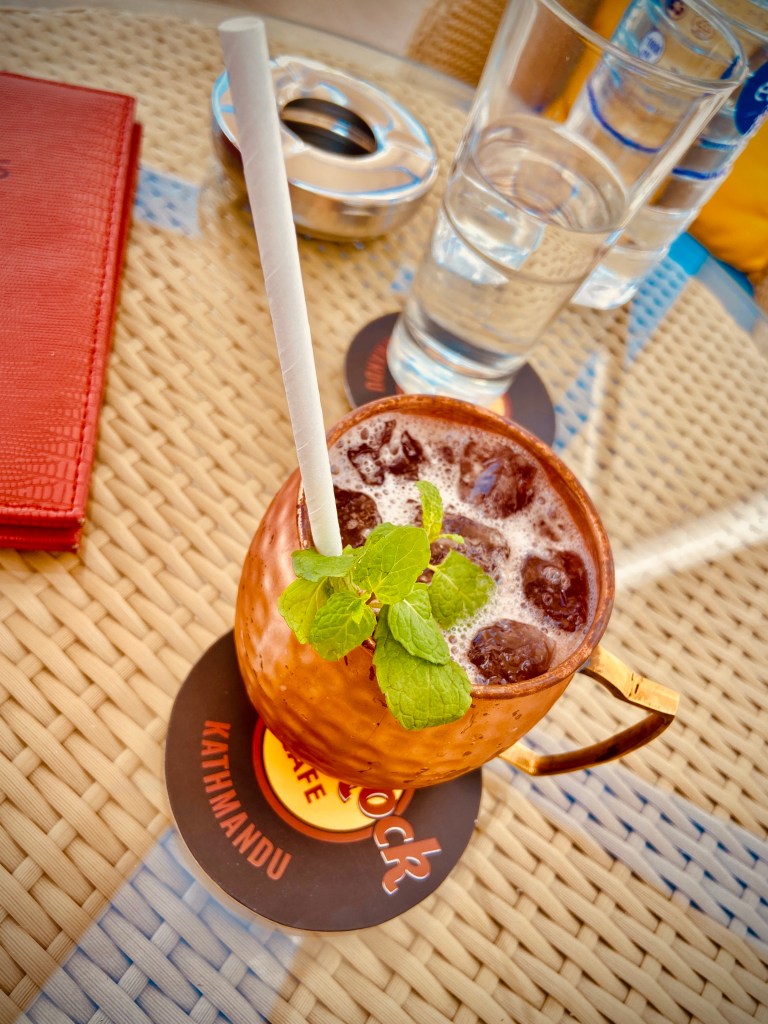
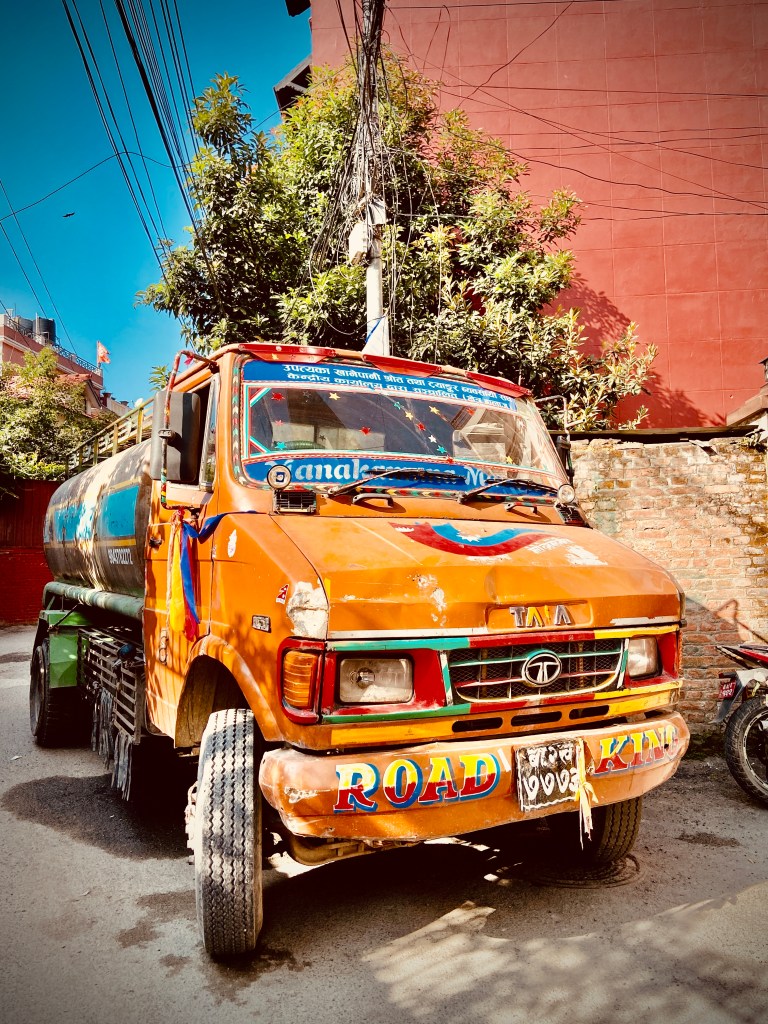
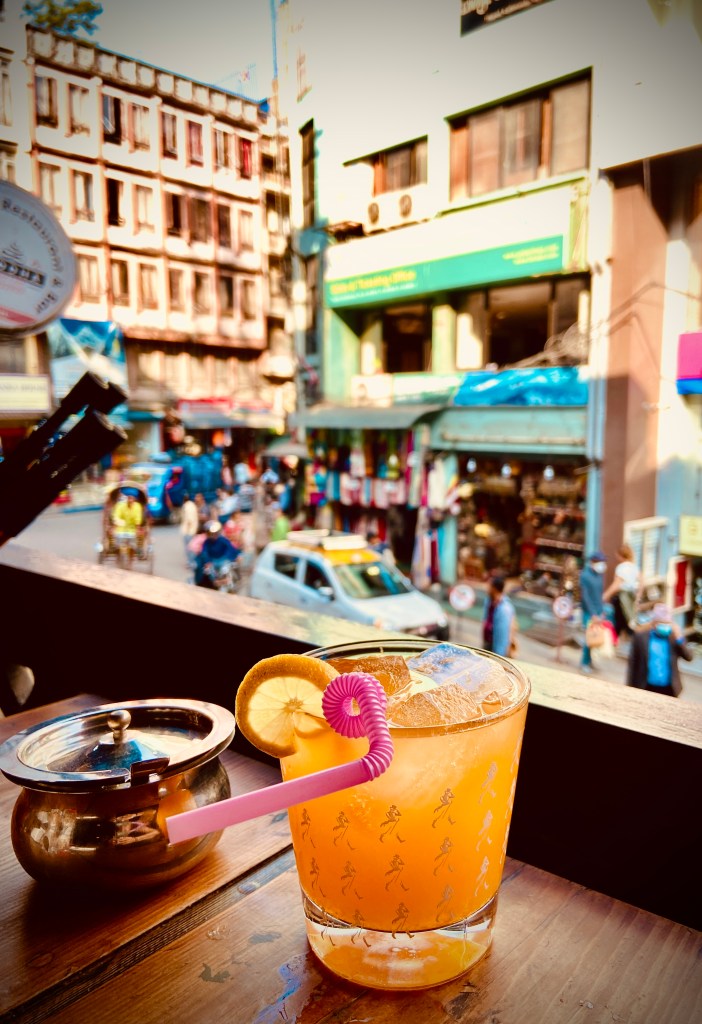
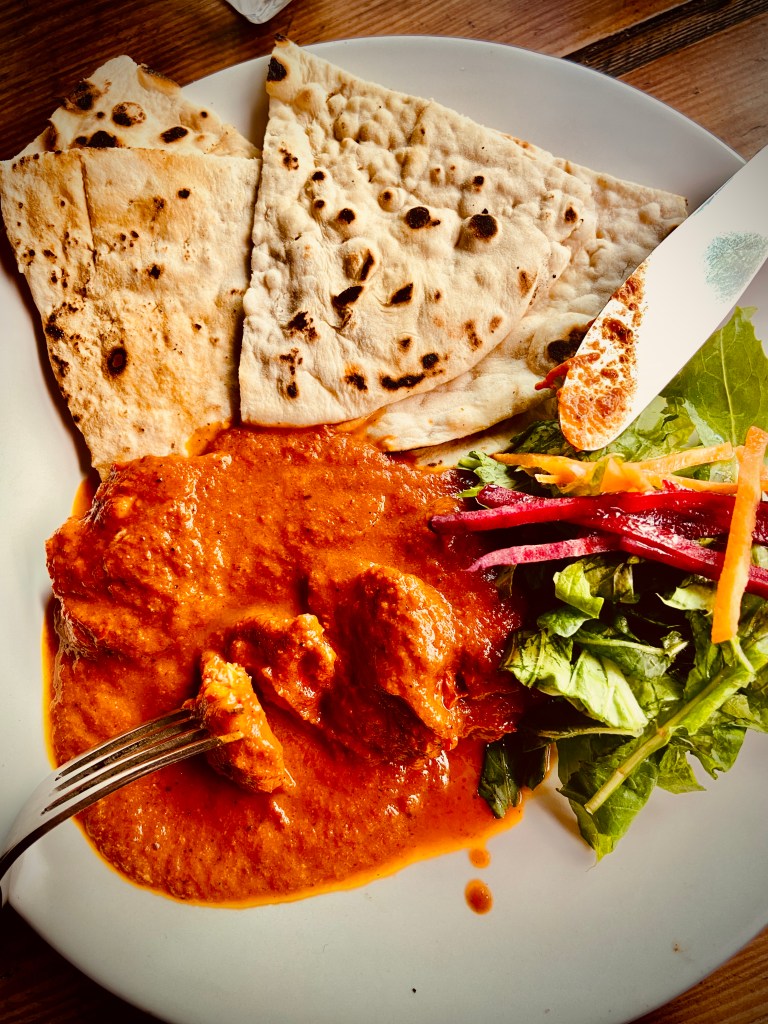
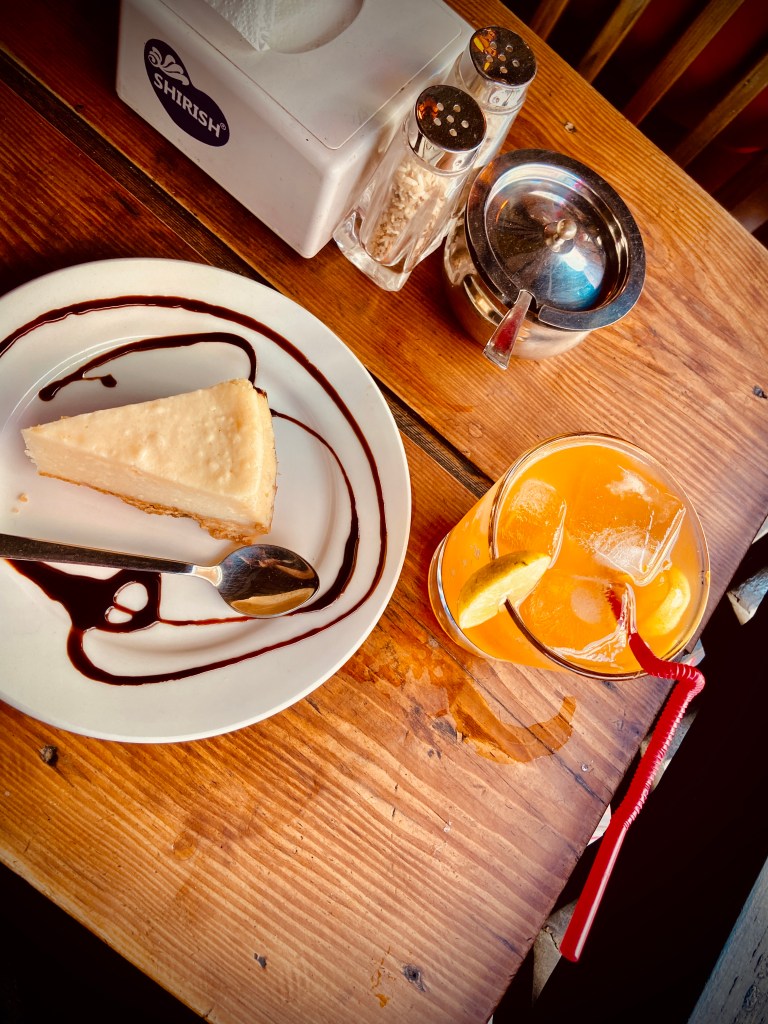
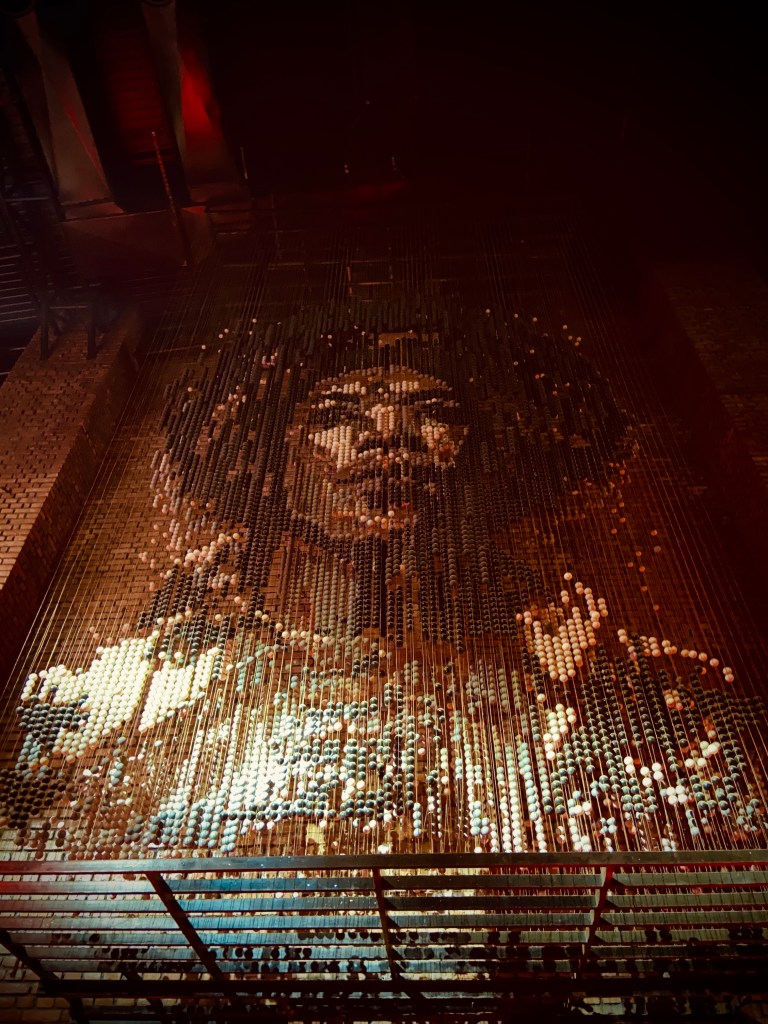
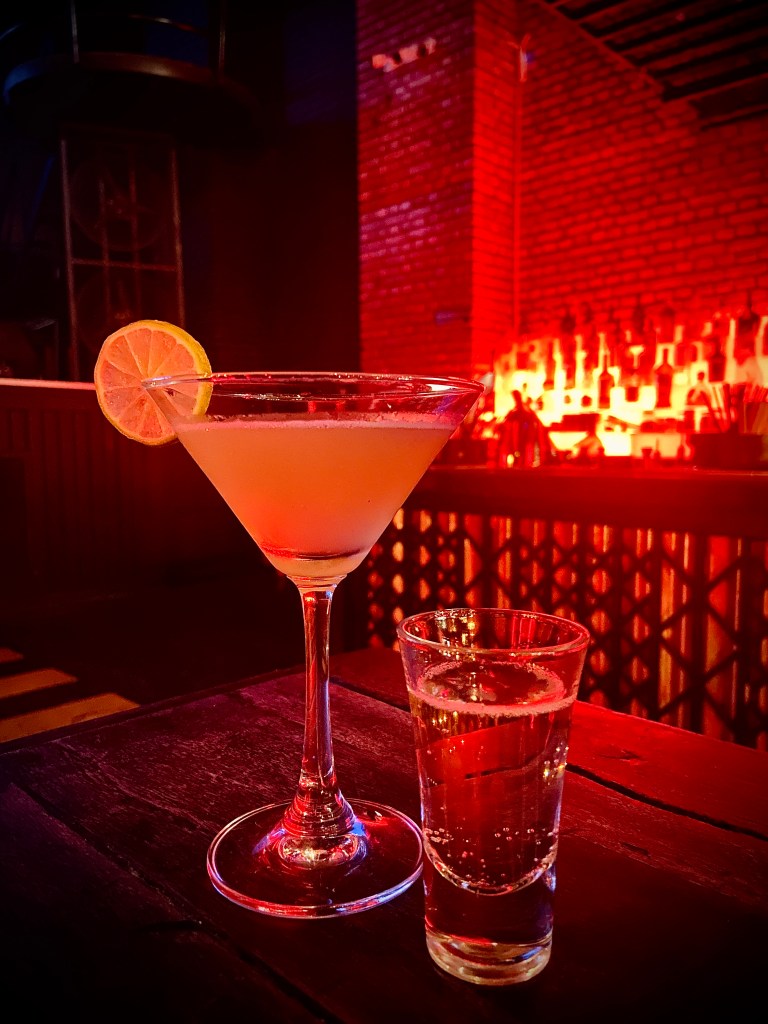
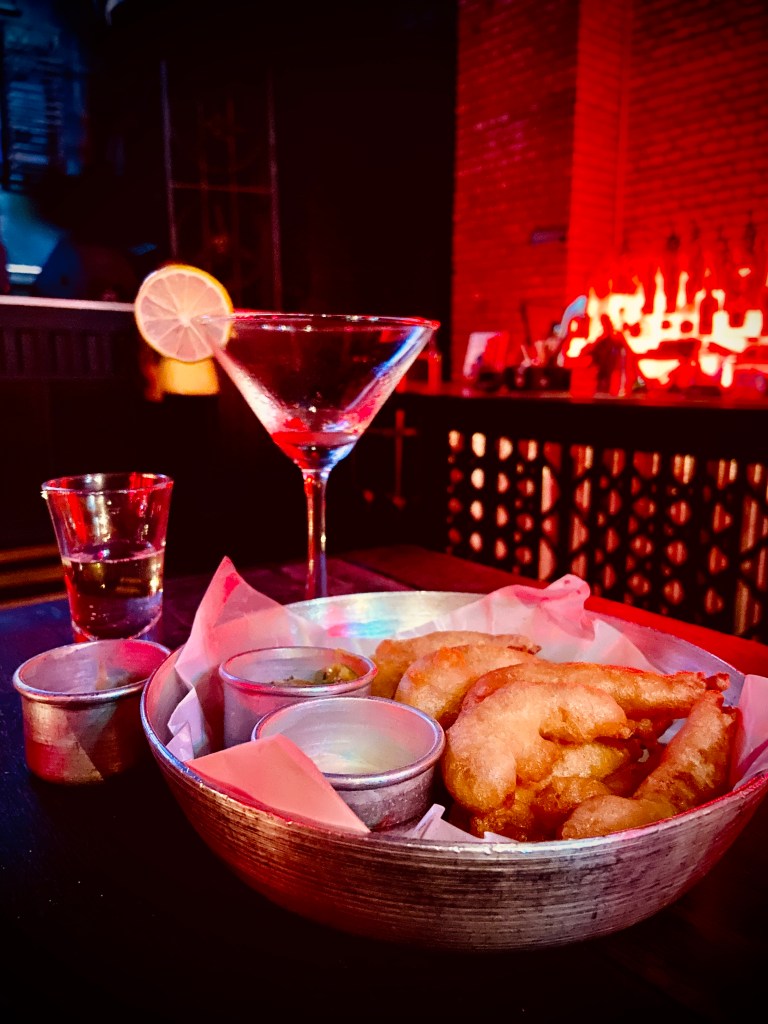
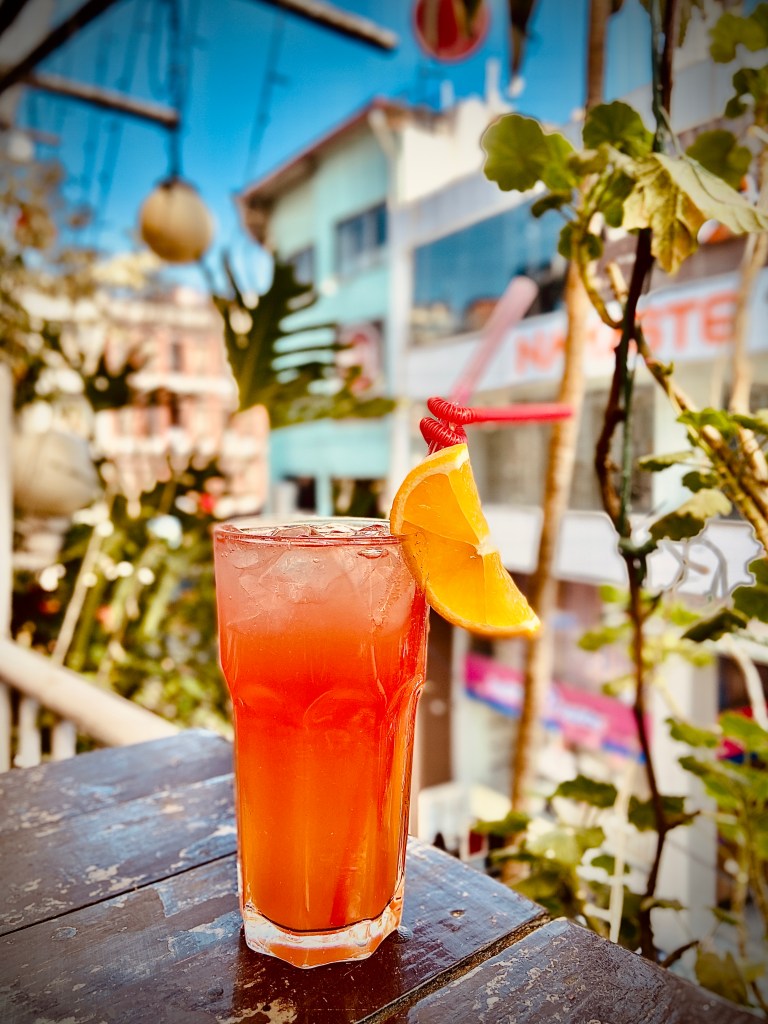
Pumped with very cheap paracetamol from a hole-in-the-wall joint, and schmeared in tiger balm, I spent my days and nights out on the town and it was so worth it. Honestly, I think the strong cocktails also helped and if the delicious chai and soup made at the hotel didn’t make me feel better, I don’t know what…
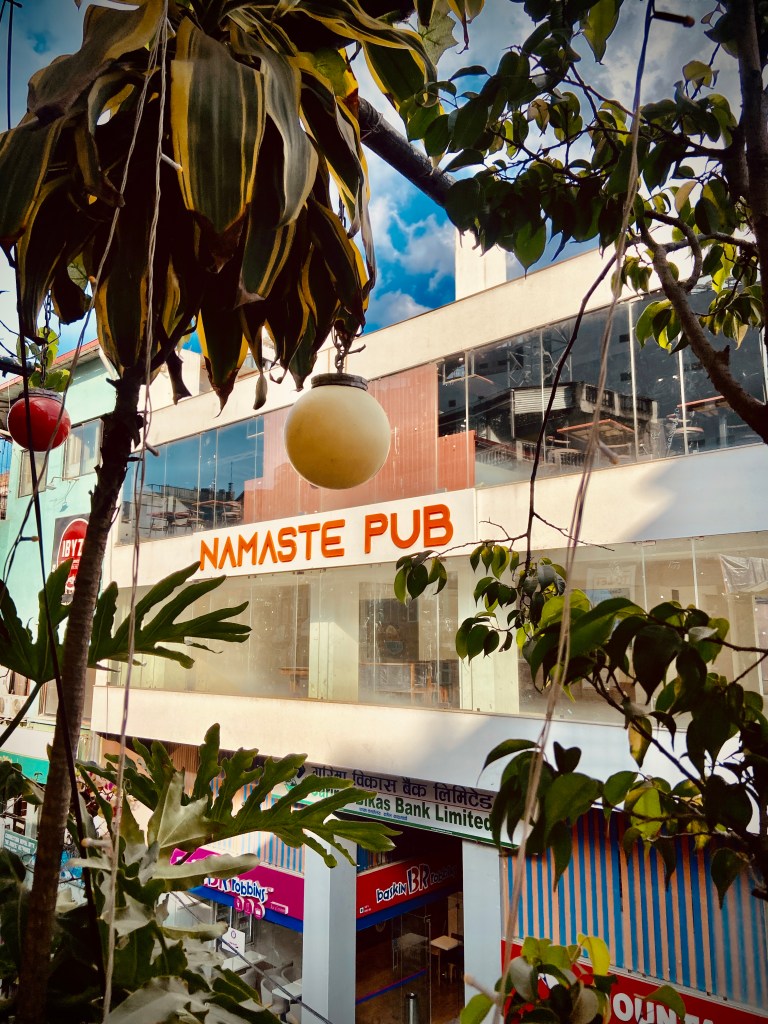
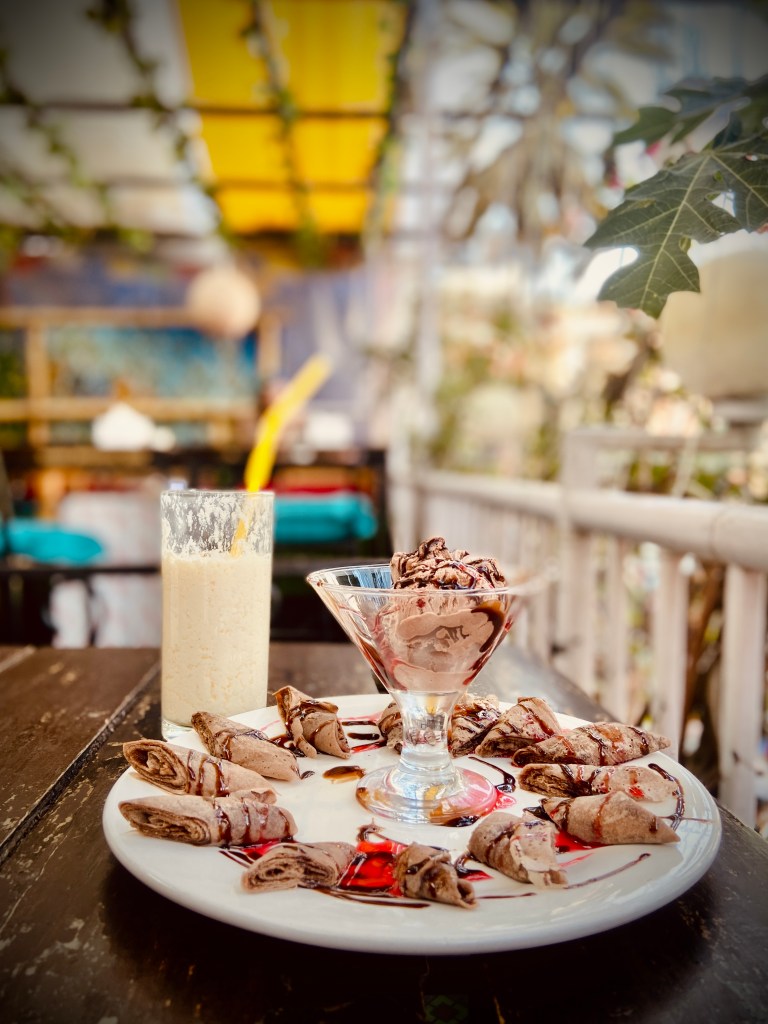
I left Nepal like I do on every trip, reluctantly. At the Doha airport, I treated myself to a 79-euro shower in the lounge before catching my connecting flight to Stockholm.
This kind of trip is not one that you can take too often, for obvious reasons. I can’t afford a Himalayan trek every year, but every time someone asks me if I’d do it again, the answer is a definitive YES. I didn’t know what to expect before going there. Looking back, there are many decisions I would change along the way, I’d listen to my own instinct more often, I’d book only through the local guides, I’d spend much more time connecting with everything on the trail. So to tell you the truth, don’t be surprised if at some point in the future, you find me doing this again. I’d like to take better photos, to film even more, to experience the mountains at my own pace.
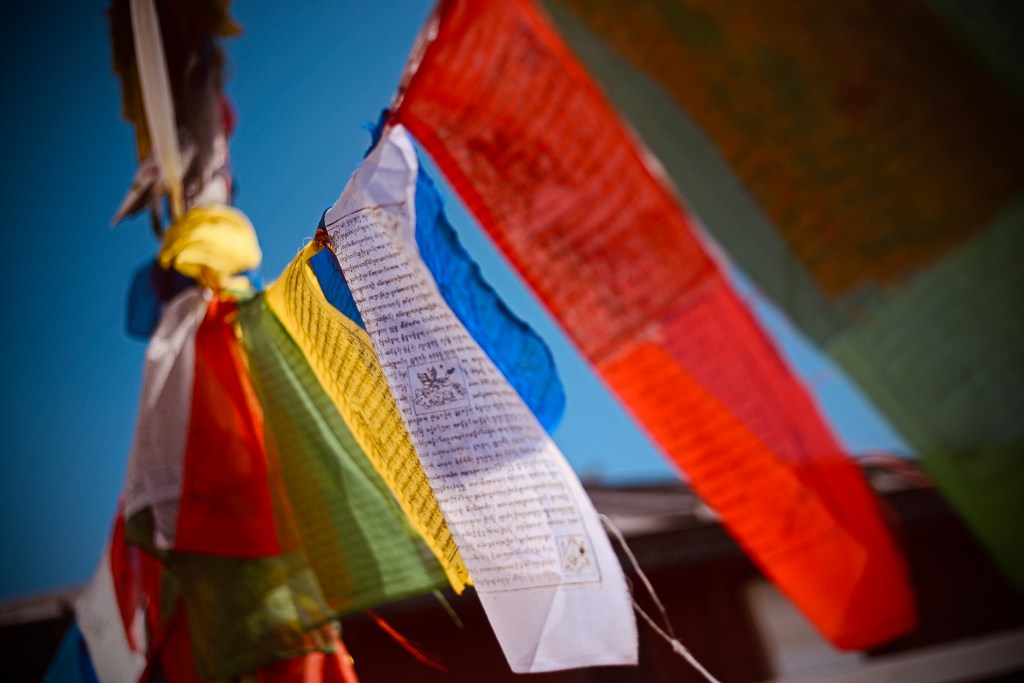
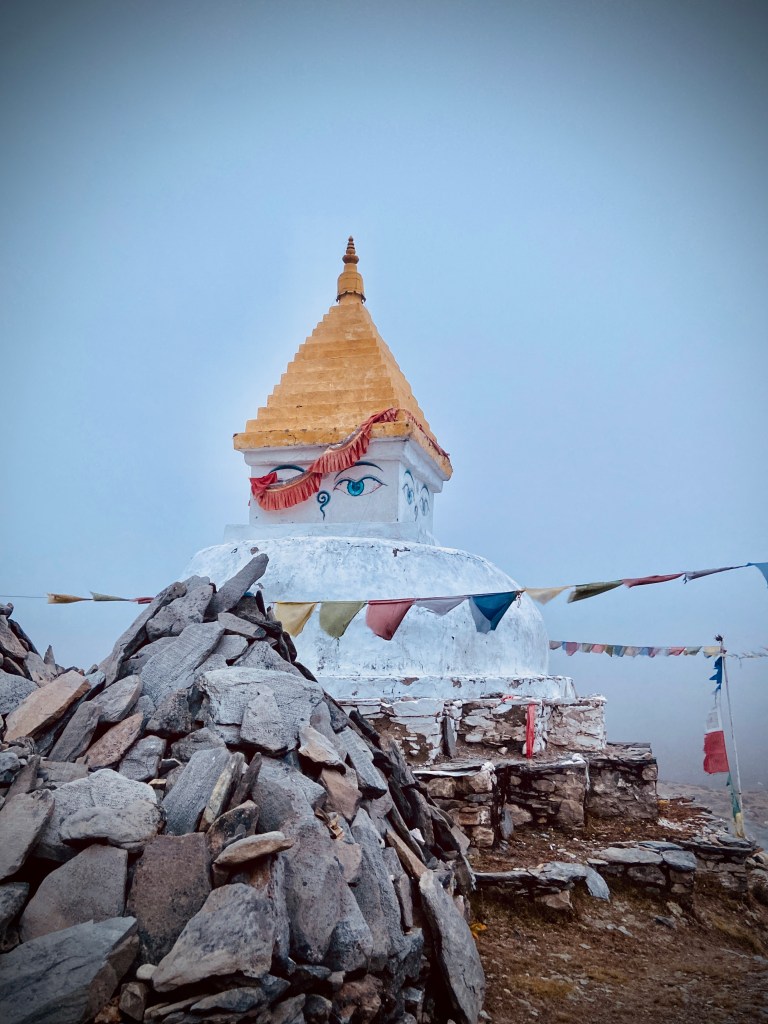
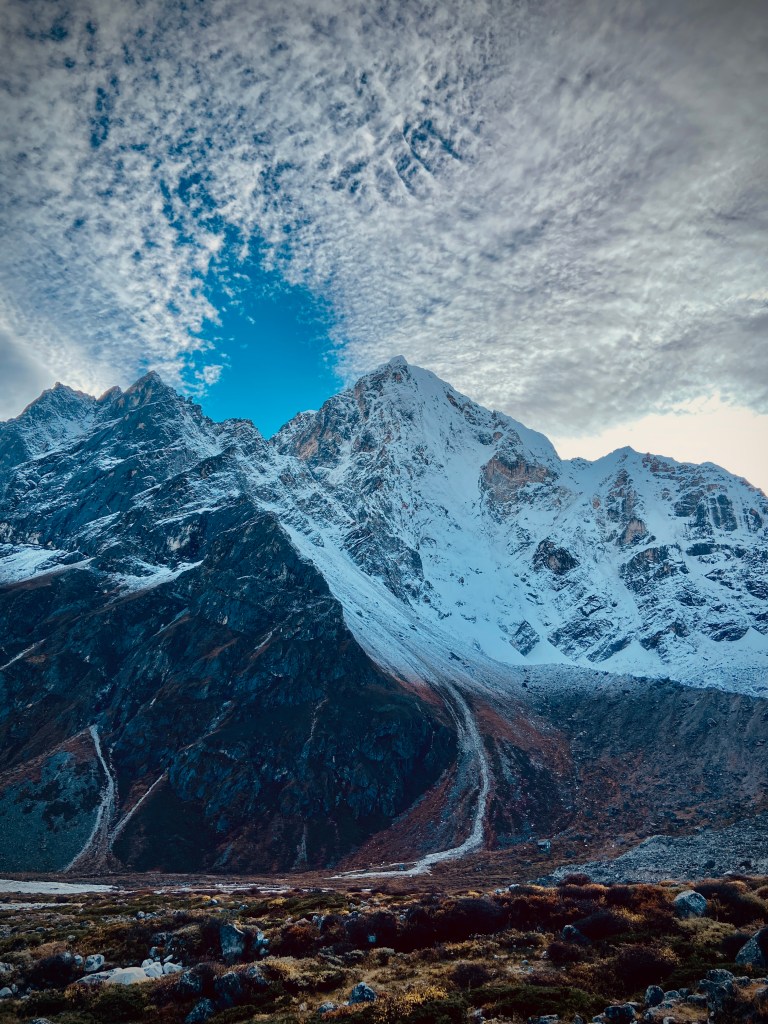
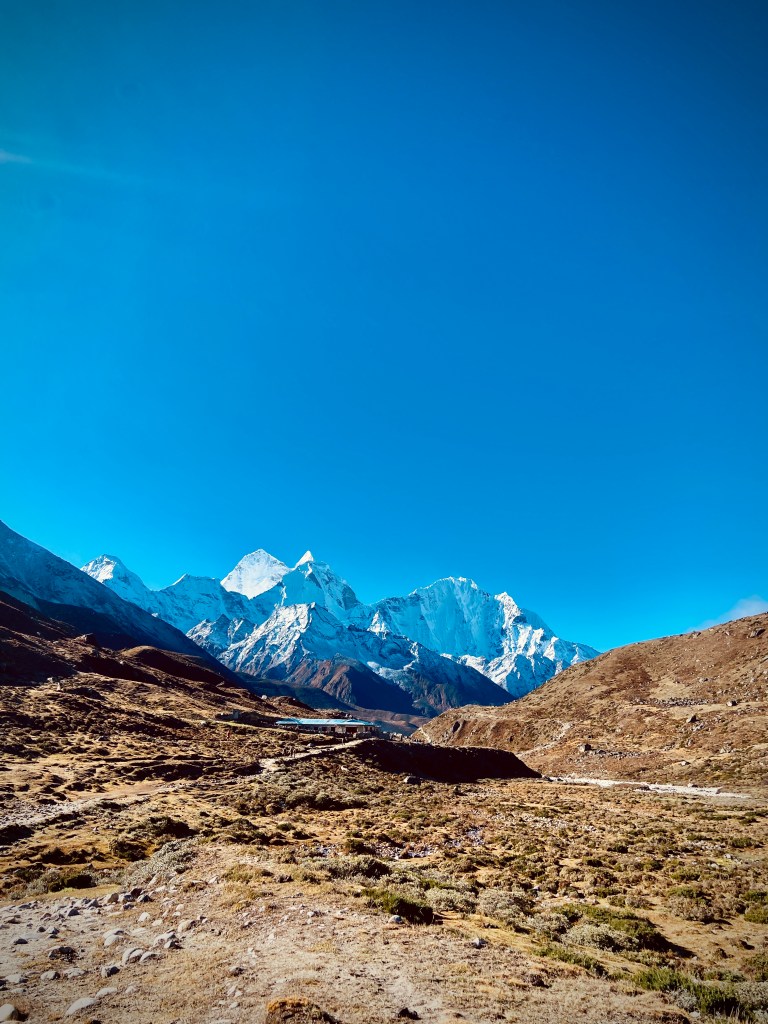
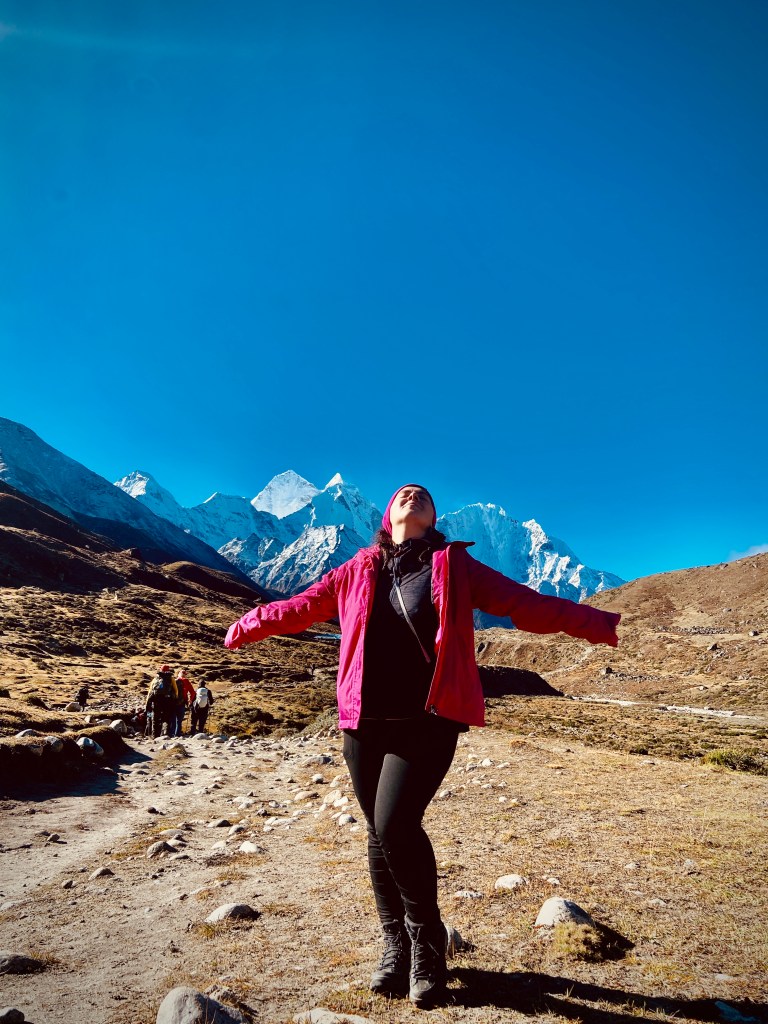
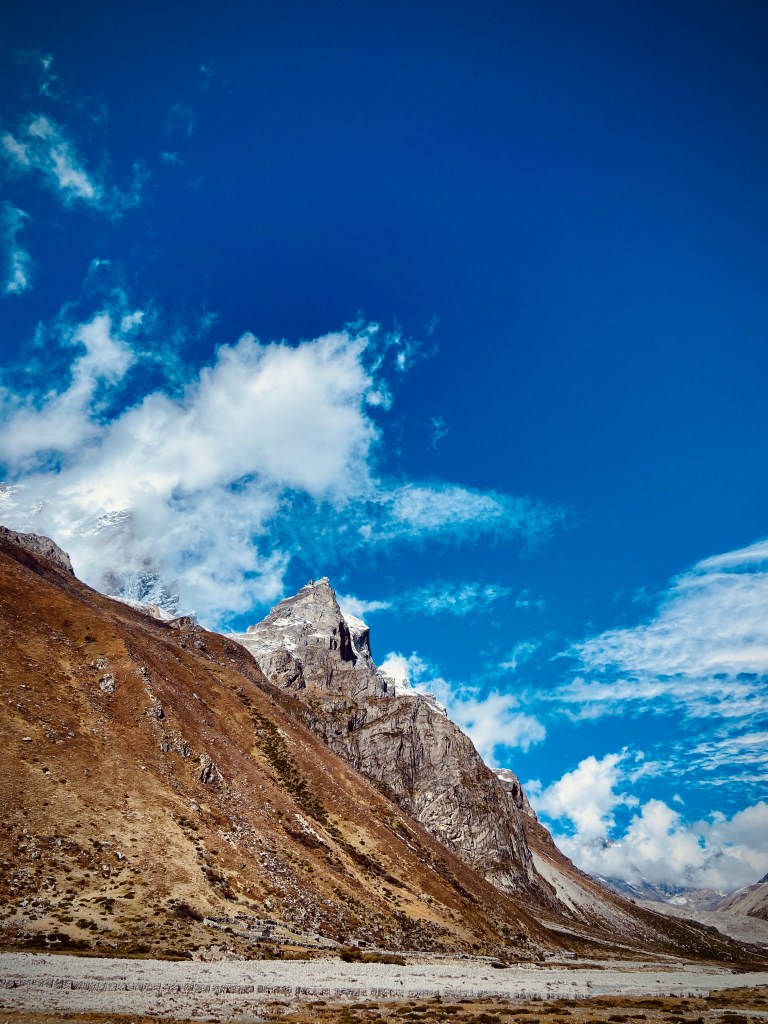
The Himalayas challenge you to keep going, to focus on what’s really important and to be grateful for every breath you take. The sounds of the rivers below, the slippery suspension bridges, the flutter of prayer flags, the friendly Sherpa families, the shift in the air as you gain altitude, the landscape that opens up to otherworldly views. Surreal and deeply rewarding.
Kathmandu brings a completely different kind of energy. Alive in every direction, safe even without traffic lights, with hidden courtyards that make the hectic streets feel softer and an intoxicating mix of smells and colours. Chaotic and peaceful at the same time.
Nepal is the sort of place that welcomes you regardless of who you are, what you look like and what you believe in. It leaves you feeling both grounded and exhilarated, as if you’d experienced something much larger than a simple journey.
I leave you with the video I managed to put together. Namaste!

